Takasumi Shrine (Tsuno, Soeda-machi, Fukuoka Prefecture) Complete Guide | A Sacred Site of Hikosan Shugendo and Tengu Worship
Takasumi Shrine, located on the northeastern slopes of Mt. Hikosan in Soeda-machi, Tagawa-gun, Fukuoka Prefecture, west of Mt. Takanosu, is a mystical shrine that has long attracted worshippers as a sacred site of Shugendo. It is known for its unique structure, with the shrine building constructed inside a cave, and for enshrining “Buzenbo Tengu,” one of Japan’s eight great Tengu. This article provides a detailed explanation of Takasumi Shrine’s history, enshrined deities, blessings, highlights, and access methods.
History and Origins of Takasumi Shrine
Founding and Connection to Hikosan Faith
Regarding the founding of Takasumi Shrine, the founding legend of Hikosan Jingu Shrine is adopted directly, stating that it was founded by Fujiyama Tsuneo (Fujiwara Tsuneo/Ninjoku) during the reign of Emperor Keitai (early 6th century). Mount Hiko has long flourished as a sacred site for Shugendo (mountain asceticism), attracting many practitioners.
The predecessor of Takasumi Shrine was Buzenbo, a temple built in Buzen Cave, the 18th of the “49 Caves of Mount Hiko” recorded in the “Hikosan Ryuki” (Hikosan Ryuki), a record from 1213 (held by the Takachiho family). The 49 Caves of Mount Hiko refer to a collection of cave temples scattered around Mount Hiko, which served as training grounds for Shugendo practitioners. Takasumi Shrine was considered a particularly important sacred site among them.
From a Shugendo Training Ground to a Shrine
From the medieval to the early modern period, Takasumi Shrine thrived as a training ground for Shugendo practitioners. The name Buzenbo originates from the temple’s headquarters for Shugendo practitioners. The training ground, utilizing the natural terrain of a cave, provided an ideal environment for Shugendo practitioners, and it is believed that rigorous training took place there.
Following the Meiji-era decree separating Shinto and Buddhism, Shugendo was abolished, and Buzenbo was reorganized as a Shinto shrine. It was positioned as a subsidiary shrine of Hikosan Jingu, and its former rank was Prefectural Shrine. Even today, it remains an important shrine within the Hikosan faith sphere, attracting many worshippers.
Position within the 49 Caves of Hikosan
Among the 49 caves of Hikosan, Takasumi Shrine (Buzen Cave, No. 18), along with Tamaya Shrine (Hannya Cave, No. 1) located southwest of Hikosan, is a representative example of a shrine built inside a cave. Its unique location within a cave is closely linked to nature worship in Shugendo, and it continues to convey a mystical atmosphere.
Deities and Benefits
Main Deity: Toyohiwake-no-Mikoto
The main deity of Takasumi Shrine is Toyohiwake-no-Mikoto. Toyohiwake-no-Mikoto is considered the pioneering deity of Buzen Province and Bungo Province (the region spanning from eastern Fukuoka Prefecture to Oita Prefecture), and is revered as a god who contributed to the development of this region. Since ancient times, he has been worshipped as a god who relieves people’s suffering from illness and as a god of agriculture and the safety of livestock.
Enshrined Deities
In addition to Toyohiwake-no-Mikoto, the following deities are enshrined at Takasumi Shrine:
- Amaterasu-Omikami: The supreme deity in Japanese mythology
- Ame-no-Hoakari-no-Mikoto: A god with the characteristics of a sun god
- Hosuseri-no-Mikoto: God of fire
With these five deities enshrined, Takasumi Shrine is known as a shrine offering a variety of blessings.
Buzenbo Tengu Worship
One of the major features of Takasumi Shrine is the enshrinement of “Buzenbo Tengu,” one of the eight great Tengu of Japan. Tengu are deeply intertwined with Shugendo (Japanese mountain asceticism) and have played a significant role in mountain worship.
Many legends about tengu remain on Mount Hiko, and among them, Buzenbo Tengu is particularly famous. There is also a legend that a mysterious loud noise called “Tengu-odoshi” occurs on clear days, and the area has long been known as a secluded place inhabited by tengu.
Main Benefits
The following benefits are believed to be offered at Takasumi Shrine:
- Protection from Evil Spirits: Believed to offer particularly powerful protection from evil spirits.
- Healing from Illness: Worshipped since ancient times as a deity that relieves suffering from illness.
- Family Safety: Protects the safety and prosperity of the family.
- Abundant Harvest: Prayers can be offered for a bountiful harvest.
- Safety of Livestock: Protects the health and safety of livestock.
- Good Fortune and Prosperity: Enhances luck and attracts good fortune.
Highlights of the Shrine Grounds
Shrine Built in a Cave
The most distinctive feature of Takasumi Shrine is that the shrine is built inside a natural cave. This unique structure tells the story of its history as a training ground for Shugendo (mountain asceticism), creating a mystical atmosphere unlike any other shrine. The cave ceiling retains the natural bedrock, and the space where man-made structures and nature are integrated is breathtaking.
Stone Torii Gate
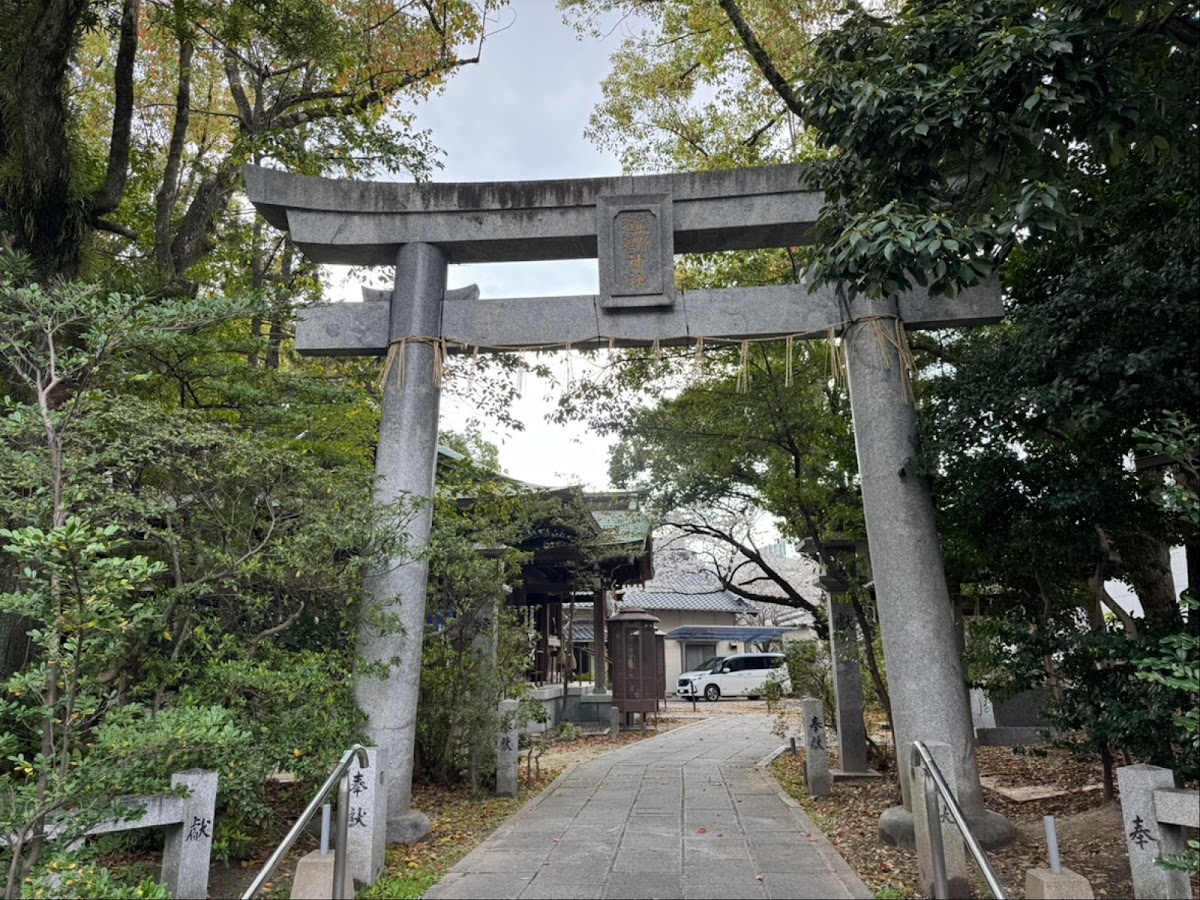
The stone torii gate within the shrine grounds was erected in 1697 (Genroku 10), making it a valuable cultural asset with over 300 years of history. Despite the passage of time and exposure to the elements, the stone torii gate maintains its dignified appearance, welcoming visitors.
Bronze Divine Ox
Dedicated in 1838 (Tenpo 9) to pray for a bountiful harvest and the safety of cattle and horses, the bronze divine ox is a symbolic presence at Takasumi Shrine. Oxen play an important role in agriculture and are also associated with Tenjin worship. This divine ox is revered as a sacred ox, and it is believed that visitors will receive blessings by stroking it.
Stone Steps and Lanterns on the Approach
The approach to Takasumi Shrine consists of stone steps surrounded by cedar trees, with lanterns neatly lined up on both sides. The landscape, woven from moss-covered stone steps and ancient lanterns, creates a solemn atmosphere befitting a sacred site of Shugendo (mountain asceticism). Especially in the early morning and at dusk, the light filtering through the trees creates a fantastical scene.
Natural Environment of Cedar Groves
Near the rich nature of Mount Hiko, the grounds of Takasumi Shrine are lined with giant cedar trees, some estimated to be hundreds of years old, creating a solemn atmosphere befitting a sacred place. The changing seasons are beautiful, and many visitors come, especially during the fresh green season and the autumn foliage season.
Goshuin (Shrine Seal) and Goshuincho (Shrine Seal Book)
Goshuin of Takasumi Shrine
Goshuin (shrine seals) can be obtained at Takasumi Shrine. The shrine office is open from 8:00 to 16:00. The goshuin features the calligraphy of “Takasumi Shrine” and the shrine’s seal, and is a popular memento of one’s visit.
Original Goshuincho (Stamp Book)
At Takasumi Shrine, an original goshuincho featuring a design of the main shrine’s cave and a tengu (a mythical creature) is offered. The cave is depicted as a detail within the tengu’s design, capturing the unique characteristics of Takasumi Shrine. The back features a design of the shrine’s sacred ox, making this a book that encapsulates the charm of Takasumi Shrine.
Relationship with Hikosan Jingu Shrine
Takasumi Shrine is a former subsidiary shrine of Hikosan Jingu Shrine, located nearby to the west, and holds an important position within the Hikosan faith sphere. Hikosan Jingu Shrine is known as one of Japan’s three major sacred sites of Shugendo (mountain asceticism) and has long been a center of mountain worship.
When visiting Takasumi Shrine, visiting both Takasumi Shrine and Hikosan Jingu Shrine will allow you to gain a deeper understanding of Hikosan’s Shugendo culture. Both shrines are within walking distance of each other, and a popular pilgrimage route allows you to enjoy the natural beauty of Hikosan.
Access Methods
Address
27 Hikosan, Soeda-machi, Tagawa-gun, Fukuoka Prefecture 824-0721
Access by Public Transportation
From JR Hitahikosan Line “Hikosan Station”
- Approximately 30 minutes by bus
- Take a bus bound for Hikosan Jingu Shrine and get off at the bus stop nearest Takasumi Shrine
- From the bus stop, it is a walk up the approach to the shrine.
Notes
- Since the number of buses is limited, it is recommended to check the timetable in advance.
- The number of buses may be reduced, especially during winter.
Access by Car
From the Kyushu Expressway
- Approximately 50 minutes from Yahata IC via National Route 322
- Approximately 60 minutes from Kokura Minami IC via National Route 322
From the Oita Expressway
- Approximately 50 minutes from Haki IC via National Route 500 and Prefectural Road 52
Parking
- There is parking available near Hikosan Jingu Shrine.
- Access to Takasumi Shrine is on foot from the parking lot.
Points to Note When Visiting
- The approach to the shrine consists of stone steps, so comfortable walking shoes are recommended.
- As it is located in the mountains, appropriate clothing for changing weather is necessary.
- Extra caution is required during winter due to the possibility of snow and ice.
- The shrine office is open from 8:00 to 16:00.
Takasumi Shrine Round Trip Course (Hiking)
The Fukuoka Prefectural Hikosan Youth Center offers a walking course called the Takasumi Shrine Round Trip Course. This popular course allows you to enjoy the nature of Hikosan while visiting Takasumi Shrine.
Course Features
- Time Required: Approximately 2-3 hours round trip (varies individually)
- Difficulty Level: Intermediate (many stone steps, requires a certain level of physical fitness)
- Highlights: The primeval forest of Mt. Hiko, the stone steps and lanterns of the approach, the shrine in the rock cave
Recommended Seasons
- Spring (April-May): Beautiful fresh greenery and mild weather
- Autumn (October-November): Stunning autumn foliage, ideal for hiking
- Summer (June-August): Pleasant mountain climate (however, caution is needed during the rainy season)
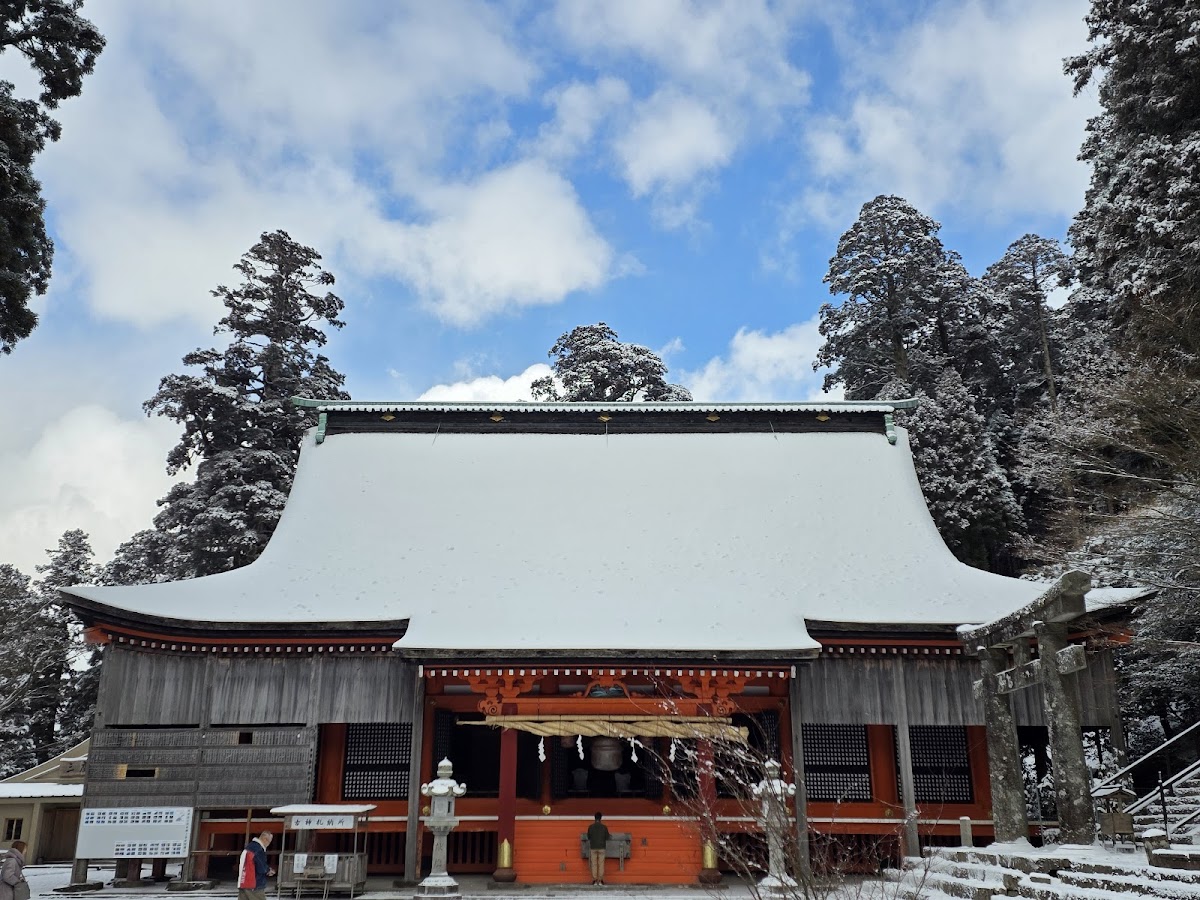
- Winter (December-March): Beautiful snowscape, but warm clothing and anti-slip devices are essential
Nearby Tourist Attractions
Hikosan Jingu Shrine
The closest tourist attraction to Takasumi Shrine, and one of Japan’s three major sacred sites of Shugendo (mountain asceticism). It includes buildings designated as important national cultural properties, and attracts many worshippers as the center of Hikosan faith. ### Tamaya Shrine (Hannya Cave)
Tamaya Shrine, the first of the 49 caves of Mt. Hiko, is built inside a cave, similar to Takasumi Shrine. Located southwest of Mt. Hiko, visiting both Takasumi Shrine and Tamaya Shrine will give you a deeper understanding of Mt. Hiko’s cave temple culture.
Mt. Hiko Slope Car
This slope car operates to the middle of Mt. Hiko and is renowned for its beautiful views from the windows. It’s recommended for those who are not confident in their physical strength or who want to save time.
Hot Spring Facilities in Soeda Town
There are also hot spring facilities around Mt. Hiko where you can relax after visiting the shrine or hiking. You can also enjoy dishes made with local ingredients.
Manners and Etiquette for Visiting a Shrine
Basic Worship Etiquette
- Bow before passing through the torii gate.
- Avoid walking in the center of the path (the center is the path of the gods).
- Purify your body and mind at the water basin.
- Bow twice, clap twice, and bow once in front of the main hall.
- Bow once again after passing through the torii gate when leaving.
Etiquette for Worshiping in the Cave
Since the shrine of Takasumi Shrine is located inside a cave, please pay attention to the following points:
- Walk carefully as the ground inside the cave can be slippery.
- Worship quietly and without speaking loudly.
- Be careful not to damage the natural environment of the cave.
- Refrain from using flash photography.
Respect for a Sacred Site of Shugendo
Takasumi Shrine has long flourished as a training ground for Shugendo practitioners. Please show respect for its history and tradition, and behave appropriately as a sacred place.
Annual Events at Takasumi Shrine
Takasumi Shrine holds various festivals and ceremonies throughout the year. The main annual events include the following:
Main Festivals
- New Year’s Day Festival: Prayers for safety and prosperity in the new year
- Spring Grand Festival: Prayers for a bountiful harvest and the safety of parishioners
- Autumn Grand Festival: Giving thanks for the harvest and praying for a good harvest next year
For detailed dates, please inquire at the shrine office.
Summary of Takasumi Shrine’s Charms
Located on the northeastern slope of Mt. Hiko in Soeda-machi, Tagawa-gun, Fukuoka Prefecture, Takasumi Shrine is a mystical shrine with its sanctuary built inside a cave, continuing to fascinate many visitors. It enshrines Buzenbo Tengu, one of Japan’s eight great Tengu, and is a valuable sacred site that conveys the history of Shugendo (mountain asceticism).
Takasumi Shrine offers a variety of blessings, including protection from evil, healing from illness, abundant harvests, and the safety of livestock, with its protection from evil being particularly powerful. There are many sights to see, including a stone torii gate built in 1697, a bronze sacred ox donated in 1838, and a path surrounded by cedar trees.
Nearby amidst the rich natural beauty of Mount Hiko, Takasumi Shrine offers a chance to experience history and faith. It’s a shrine you should definitely visit when you’re in Fukuoka Prefecture. Visiting it in conjunction with Hikosan Jingu Shrine will allow you to experience the profound world of Hikosan Shugendo even more deeply.
With its seasonal natural beauty, solemn atmosphere, and the mystique of the Tengu legend, Takasumi Shrine is a precious place that conveys the magnificence of Japanese mountain worship to us living in the modern age.