Takeda Shrine (Yamanashi Prefecture) Complete Guide | A Power Spot for Victory, Dedicated to Lord Shingen
Located in Kofu City, Yamanashi Prefecture, Takeda Shrine is the guardian shrine of Kai Province, dedicated to Takeda Shingen, one of the most famous generals of the Sengoku period. Known for its blessings of “victory,” it attracts many visitors from all over Japan as a power spot for overcoming life’s challenges and personal growth.
This article comprehensively introduces information you should know before visiting Takeda Shrine, including its history, highlights, cultural assets, and access methods.
History and Origins of Takeda Shrine
A Shrine Located on the Site of Tsutsujigasaki Mansion
Takeda Shrine is located on the site of the nationally designated historical site, “Tsutsujigasaki Mansion Ruins.” This site was the heart of the Takeda family, where Lord Takeda Nobutora moved his residence from Isawa in 1519 (Eisho 16), and where three generations of the Kai Takeda clan—Nobutora, Shingen, and Katsuyori—resided for over 60 years.
After the fall of the Takeda clan, the site of this residence remained in ruins for a long time. However, thanks to the enthusiasm of people who admired the virtues of Lord Takeda Shingen, it was rebuilt as Takeda Shrine in 1919 (Taisho 8). Lord Takeda Shingen is enshrined as the deity, and he is deeply revered to this day as the guardian deity of Kai Province.
The Deity Enshrined: Lord Takeda Shingen
Lord Takeda Shingen (1521-1573) is known as one of the most famous generals of the Sengoku period. Under the banner of “Fūrin Kazan” (Wind, Forest, Fire, Mountain), he achieved numerous victories in battles, leading Kai Province to become a powerful nation.
Beyond military matters, Takeda demonstrated exceptional skill in domain management, including flood control projects such as the construction of the Shingen Embankment, gold mine development, and the standardization of weights and measures. Therefore, Takeda Shrine is revered not only for its blessings in competitions but also as a deity of industry and economy.
Highlights of Takeda Shrine
Atmosphere of the Shrine Buildings and Grounds
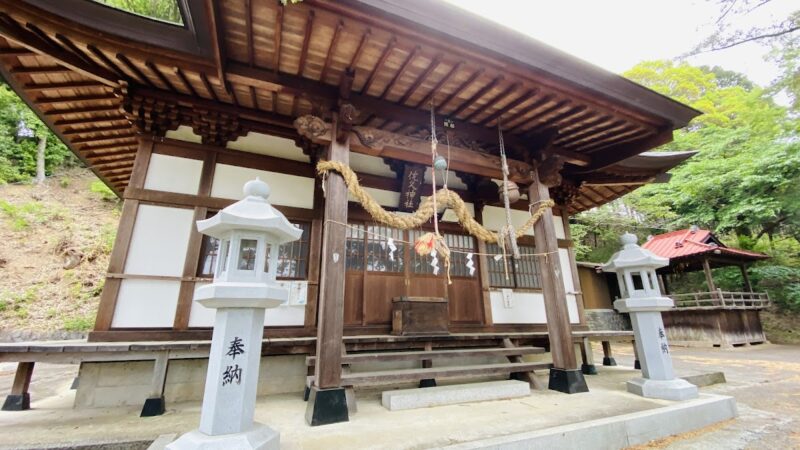
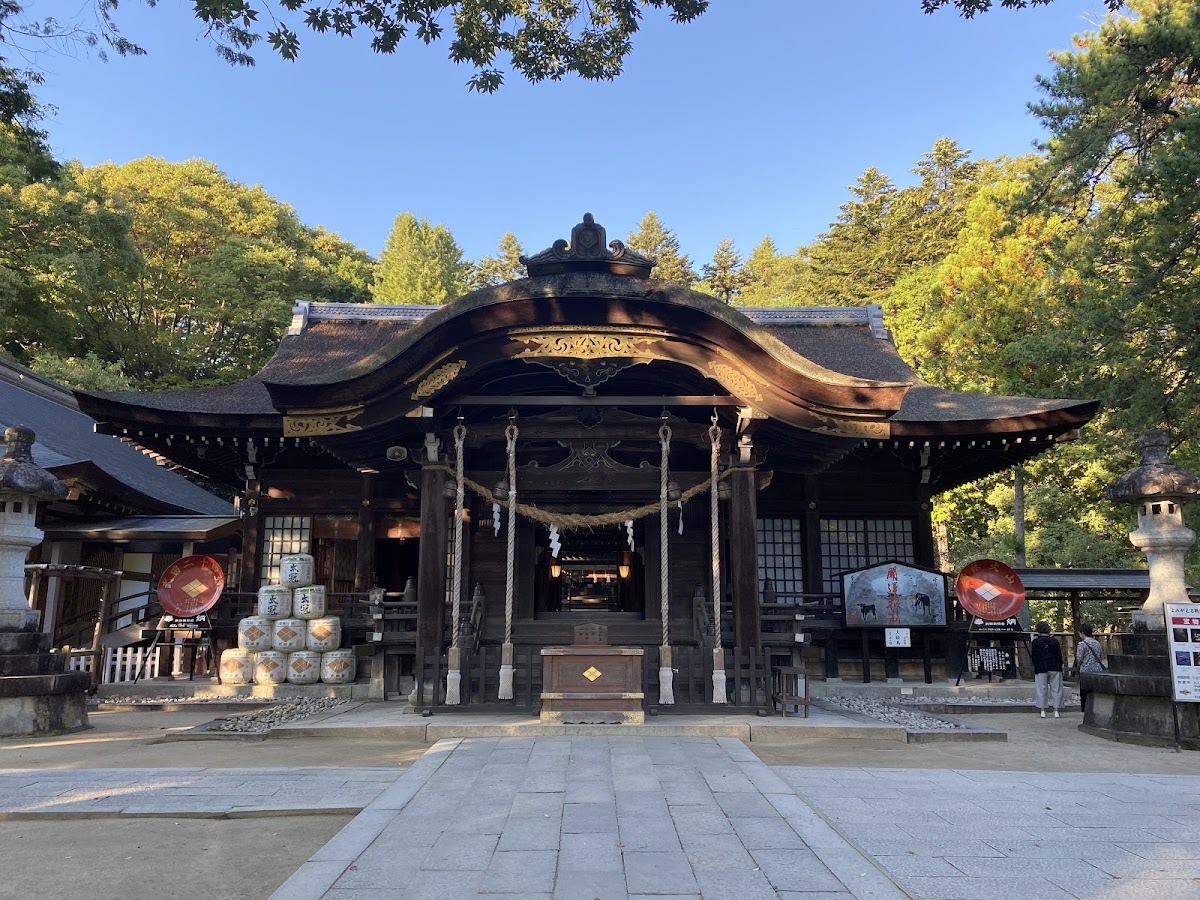
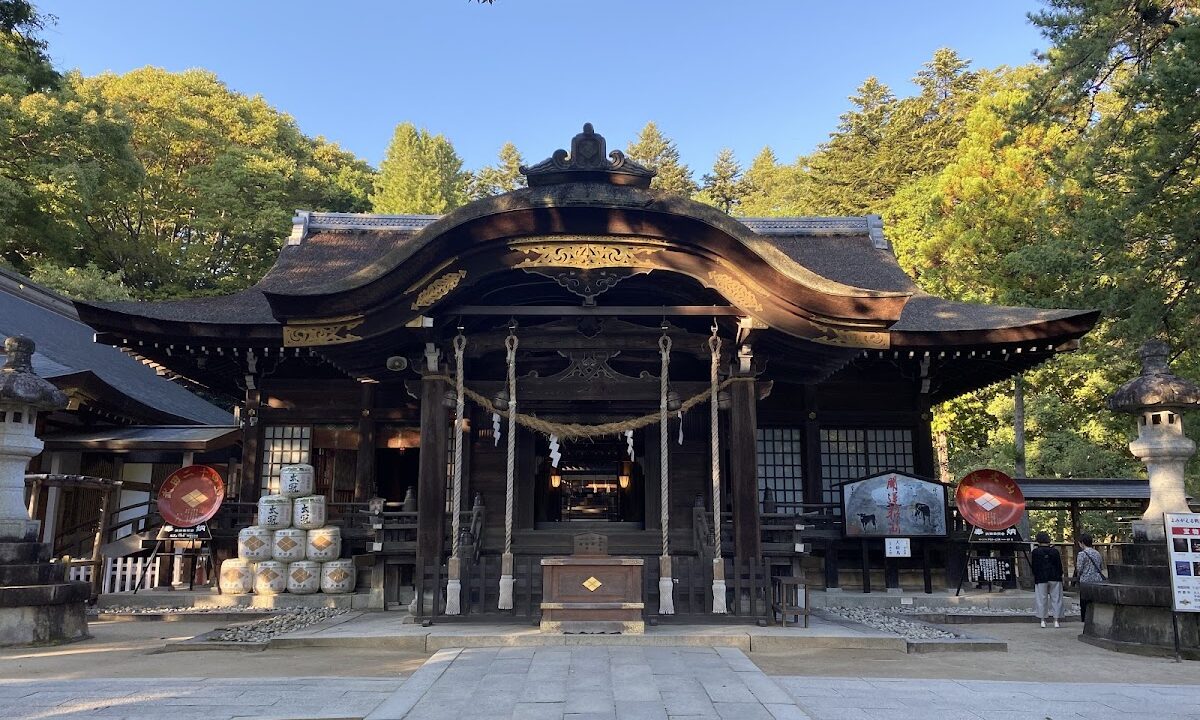
The Takeda Shrine building is a magnificent structure built during the Taisho era. As you proceed along the approach, you’ll see the Takeda family crest (Takeda菱) everywhere, evoking the history of the Takeda clan. The grounds are enveloped in a tranquil atmosphere, a healing space that allows you to forget the hustle and bustle of the city.
Especially in spring, cherry blossoms bloom, and in autumn, the autumn leaves are beautiful, allowing you to enjoy nature throughout the seasons. A stroll through the grounds will give you the awe-inspiring feeling of walking on the same land where warlords of the Sengoku period once walked.
Remains of the Takeda Clan Residence
Numerous remains of the Takeda clan residence are preserved within the grounds of Takeda Shrine. The moats, earthworks, stone walls, and old wells from that time still exist, conveying the atmosphere of the Sengoku period.
In particular, the well known as “Hime no Ido” (Princess’s Well) is said to have been used for the first bath of Lord Shingen’s daughter, and water still flows from it today. This water is believed to bring “longevity and protection from all illness,” and visitors can be seen drawing water to take home.
Walking around the moats and earthworks allows you to appreciate the scale of the mansion at that time and to imagine the power of the Takeda clan. These remains, preserved as a nationally designated historical site, are a must-see for history buffs.
Valuable Cultural Assets in the Treasure Hall
The treasure hall of Takeda Shrine displays numerous valuable items related to the Takeda family.
Nationally Designated Important Cultural Property: “Tachi (long sword) inscribed ‘Ichi’ (Yoshioka Ichimonji)”
The greatest highlight of the treasure hall is the tachi (long sword) inscribed “Ichi,” which is designated as a nationally designated important cultural property. This renowned sword, known as “Yoshioka Ichimonji,” is a work of the Ichimonji school of swordsmiths from the Kamakura period and has been passed down through generations of the Takeda family.
With a blade length of approximately 80 cm, it is characterized by its beautiful curvature and magnificent hamon (temper pattern), and is considered one of the finest masterpieces of Japanese swords. This tachi (long sword), said to have been a favorite of Lord Shingen himself, is a cultural artifact that visitors to Takeda Shrine should definitely see.
Other Exhibits
In addition to the tachi inscribed with “Ichi,” the Treasure Hall displays various items passed down through the Takeda family, including a portrait of Lord Shingen, a military banner known as the “Sun Tzu banner,” armor, swords, and ancient documents.
Through these items, you can experience firsthand the glory of the Takeda family during the Sengoku period and the great achievements of Lord Shingen. It is recommended not only for those interested in history, but also for those interested in Japanese swords and armor.
Treasure Hall Opening Hours: 9:30 AM – 4:00 PM (Last entry at 3:30 PM)
Admission Fee: Adults 300 yen, Elementary and Junior High School Students 150 yen
Power Spot for Good Fortune
Takeda Shrine is especially famous for its blessings of “good fortune in victory.” This is not merely about winning in competitions, but has a deeper meaning: “winning in life itself” and “overcoming oneself.”
As Lord Shingen taught, “People are the castle, people are the stone walls, people are the moat,” it is believed that one can enhance their human capabilities and be granted the strength to overcome difficulties. Many people striving towards various goals, such as students taking exams, athletes, and business people, visit the shrine.
Within the shrine grounds, amulets related to good fortune in victory, such as “Victory Amulets” and “Good Fortune Amulets,” are available and are popular souvenirs.
Festivals and Events
Takeda 24 Generals Mounted Procession and Grand Festival (April 12th)
The largest event at Takeda Shrine is the Grand Festival and the Takeda 24 Generals Mounted Procession, held annually on April 12th. This festival, coinciding with the anniversary of Lord Shingen’s death, is widely known as a spring tradition in Kofu City.
In the Takeda 24 Generals Mounted Procession, participants dressed as Takeda generals, including Lord Shingen, ride horses in full armor through the city. The magnificent procession, reminiscent of a Sengoku period picture scroll, is breathtaking and attracts many tourists every year.
At the Grand Festival, a solemn Shinto ritual is performed to commemorate the virtues of Lord Shingen. If you have the opportunity to visit Yamanashi during this time, please consider participating.
Other Annual Events
Besides the Grand Festival, Takeda Shrine holds various other annual events.
- Hatsumode (January 1st-3rd): Many people visit the shrine for New Year’s prayers.
- Setsubun Festival (February 3rd): Events such as bean-throwing are held.
- Shichi-Go-San (November): A time when many people visit to celebrate the growth of their children.
- Takeda no Mori Takigi Noh (Irregular): Noh performances are sometimes offered as a dedication.
For details on each event, we recommend checking the Takeda Shrine’s official website or social media.
Basic Information
Facility Information
Name: Takeda Shrine
Deity Enshrined: Takeda Shingen
Location: 2611 Furufuchu-cho, Kofu City, Yamanashi Prefecture
Founded: 1919 (Taisho 8)
Shrine Rank: Former Special Imperial Shrine
Shrine Grounds: National Historic Site “Tsutsujigasaki Mansion Ruins”
Visiting Hours
Shrine Grounds Visit: Open all day (Shrine office open from 9:00 to around 17:00)
Treasure Hall Opening Hours: 9:30 to 16:00 (Last entry at 15:30)
Treasure Hall Closed: Wednesdays (Open on national holidays), New Year holidays
Admission Fee
Shrine Grounds Visit: Free Treasure Hall: Adults 300 yen, Elementary and Junior High School Students 150 yen
Access and Transportation
Access by Train and Bus
From JR Chuo Main Line “Kofu Station”:
- Take the Yamanashi Kotsu bus bound for “Takeda Shrine,” approximately 8 minutes, get off at the last stop “Takeda Shrine.”
- Or take the bus bound for “Sekisui-ji Temple,” get off at the “Takeda Shrine” bus stop.
- By taxi, approximately 10 minutes.
Buses depart from the bus terminal at the north exit of Kofu Station. Buses run approximately 2-3 times per hour, but it is recommended to check the timetable in advance.
Access by Car
From Chuo Expressway “Kofu-Showa IC”: Approximately 30 minutes
From Chuo Expressway “Kofu-Minami IC”: Approximately 25 minutes
From Chuo Expressway “Futaba Smart IC”: Approximately 20 minutes
Please enter “Takeda Shrine” or “2611 Furufuchu-cho, Kofu City, Yamanashi Prefecture” into your car navigation system.
Parking
Takeda Shrine has a free parking lot.
Number of Parking Spaces: Approximately 150
Operating Hours: All day
Fee: Free
The parking lot is located on the east and west sides of the shrine. There is usually ample parking space, but it may become crowded during events such as the annual festival, or during the cherry blossom and autumn foliage seasons. Temporary parking lots may be opened during peak times.
Contact Information
Takeda Shrine Office
Address: 2611 Furufuchu-cho, Kofu City, Yamanashi Prefecture 400-0014
Phone: 055-252-2609
Official Website: http://www.takedajinja.or.jp/
For inquiries regarding worship, prayer reservations, and the opening status of the Treasure Hall, please contact the above number.
Nearby Tourist Attractions
Kai Zenkoji Temple
Located about 15 minutes by car from Takeda Shrine, Kai Zenkoji Temple is a temple where Lord Takeda Shingen moved the main image of the temple during the Battle of Kawanakajima, fearing the destruction of Shinano Zenkoji Temple. The imposing main hall is known as one of the largest wooden buildings in eastern Japan and is designated as a National Important Cultural Property.
Shosenkyo Gorge
Shosenkyo Gorge, boasting some of the most beautiful gorges in Japan, is about 30 minutes by car from Takeda Shrine. The landscape, a tapestry of strangely shaped rocks and clear streams, is particularly breathtaking during the autumn foliage season. Taking the ropeway to the summit offers panoramic views of Mount Fuji and the Southern Alps.
Kofu Castle Ruins (Maizuru Castle Park)
Located within walking distance of JR Kofu Station, Kofu Castle Ruins was built after the fall of the Takeda clan. From the restored stone walls and turrets, you can enjoy a panoramic view of the Kofu Basin. Visiting it along with Takeda Shrine allows you to experience the flow of history from the Sengoku period to the Edo period.
Yamanashi Prefectural Museum
This museum offers a comprehensive overview of Yamanashi’s history and culture. It has extensive exhibits on the Takeda clan, and visiting before or after a visit to Takeda Shrine will deepen your understanding.
Points to Note When Visiting Takeda Shrine
Estimated Time Required
If you only wish to visit the shrine grounds, allow about 30 minutes. If you plan to thoroughly explore the treasure hall, allow 1 to 1.5 hours. If you want to explore the ruins within the shrine grounds and enjoy taking photos, about two hours should be enough time to fully appreciate the experience.
Clothing and Items to Bring
The shrine grounds are paved, but comfortable walking shoes are recommended if you plan to explore the ruins. In summer, the sun is strong, so a hat or parasol is useful. In winter, even in the Kofu Basin, it can get cold, so be sure to dress warmly.
If you wish to take home water from Hime-no-Ido (Princess’s Well), it’s a good idea to bring a container such as a plastic bottle.
Photography
Photography is generally permitted within the shrine grounds, but it may be prohibited inside the main shrine building or treasure hall. Please observe proper photography etiquette and be considerate of other visitors.
Best Season
Takeda Shrine can be visited year-round, but the following times are particularly recommended:
- Spring (late March to mid-April): Beautiful cherry blossoms, and the annual festival and mounted procession on April 12th.
- Autumn (November): Beautiful autumn foliage, mild weather, perfect for a stroll.
- New Year’s Visit (January 1st-3rd): Many worshippers visit to pray for good fortune in the new year.
Summary
Takeda Shrine is a shrine full of history and power, dedicated to Takeda Shingen, the strongest warlord of the Sengoku period. Located on the nationally designated historical site “Tsutsujigasaki Mansion Ruins,” it was the residence of three generations of the Takeda clan, and remnants of that time still remain.
With its valuable cultural assets, including the national treasure-class sword “Yoshioka Ichimonji,” blessings for good fortune, beautiful nature throughout the seasons, and the grand mounted procession held every April, there are countless things to see and do.
Located just an 8-minute bus ride from Kofu Station, and with free parking available, Takeda Shrine is easily accessible by both train and car. When sightseeing in Yamanashi, be sure to visit Takeda Shrine to experience the legacy of Lord Shingen and receive his blessings for victory.
Nearby, there are many other attractive tourist spots, such as Kai Zenkoji Temple and Shosenkyo Gorge. Why not use Takeda Shrine as your starting point for a trip to enjoy Yamanashi’s history and nature?