Complete Guide to Takeda Shrine | Kofu’s Foremost Power Spot Dedicated to Takeda Shingen, the Strongest General of the Sengoku Period
Located in Kofu City, Yamanashi Prefecture, Takeda Shrine is the most prestigious shrine in Kai Province, dedicated to Takeda Shingen, one of the most famous generals of the Sengoku period. Built on the site of Tsutsujigasaki-yakata, the residence of three generations of the Takeda clan, it is a power spot known for its blessings of victory, wealth, and good fortune, attracting many visitors throughout the year.
This article comprehensively introduces information you should know before visiting Takeda Shrine, from its history and highlights within the grounds to access methods and information on Goshuin (shrine stamps).
What is Takeda Shrine? | A Famous Shrine in Koshu Dedicated to Takeda Shingen
History and Founding of Takeda Shrine
Takeda Shrine is a relatively new shrine, founded in 1919 (Taisho 8). Its founding has a historical background: the enthronement of Emperor Taisho.
In 1915 (Taisho 4), upon the enthronement of Emperor Taisho, the hero of Kai Province, Takeda Harunobu (Shingen), was posthumously awarded the rank of Junior Third Rank. This auspicious occasion sparked a movement among the people of Yamanashi Prefecture, who admired Shingen’s legacy, to establish a shrine. The “Takeda Shrine Construction Association” was formed, bringing together government and private citizens. Construction of the shrine building progressed with donations from the people, and it was completed in 1919 (Taisho 8), giving rise to the current Takeda Shrine.
Its former rank was Prefectural Shrine, and it is currently a Special Shrine belonging to the Association of Shinto Shrines, boasting the highest status in Koshu (present-day Yamanashi Prefecture).
A Special Location: The Site of the Tsutsujigasaki Mansion (Takeda Clan Residence Site)
The site where Takeda Shrine stands is not merely a shrine plot. This is the site of the Tsutsujigasaki Mansion, a residence built in 1519 by Takeda Nobutora, the governor of Kai Province.
This was the place where three generations of the Takeda family—Nobutora, Shingen, and Katsuyori—governed the province for 63 years, and it functioned as the center of the Takeda domain’s administration. Recognizing its historical value, it was designated a national historic site, “Takeda Clan Residence Site,” in 1940.
Within the shrine grounds, remnants such as the original moat, earthworks, stone walls, and old wells remain in excellent condition, making it a valuable historical site that conveys the atmosphere of the Sengoku period.
About the Deity Enshrined: Takeda Shingen
The deity enshrined at Takeda Shrine is Takeda Harunobu, also known as “Takeda Shingen,” a Sengoku daimyo feared as the “Tiger of Kai.”
Shingen Takeda was born in 1521 and inherited the family headship in 1541. Under the banner of “Fūrin Kazan” (Wind, Forest, Fire, Mountain), he built a powerful Takeda domain centered on Kai and Shinano provinces. Leading the Takeda cavalry, considered one of the strongest in the Sengoku period, he left behind numerous tales of military prowess, including clashes with Tokugawa Ieyasu at the Battle of Mikatagahara and with Uesugi Kenshin at the Battle of Kawanakajima.
At the same time, Shingen was also an excellent ruler. He enriched his domain through flood control projects, exemplified by the Shingen Embankment, economic policies through gold mine development, and legal reforms such as the “Kōshū Hatto no Shidai” (Laws of Kōshū). His political skills are recounted to this day as “the reign of Lord Shingen.”
Because Shingen, a hero possessing both military prowess and strategic wisdom, is enshrined here, Takeda Shrine attracts fervent devotion as a god of victory, industry, and economy.
Highlights of Takeda Shrine Grounds | Power Spot Tour
The grounds of Takeda Shrine are dotted with historically valuable remains and places known as power spots.
Worship Hall and Main Hall | Magnificent Shrine Architecture
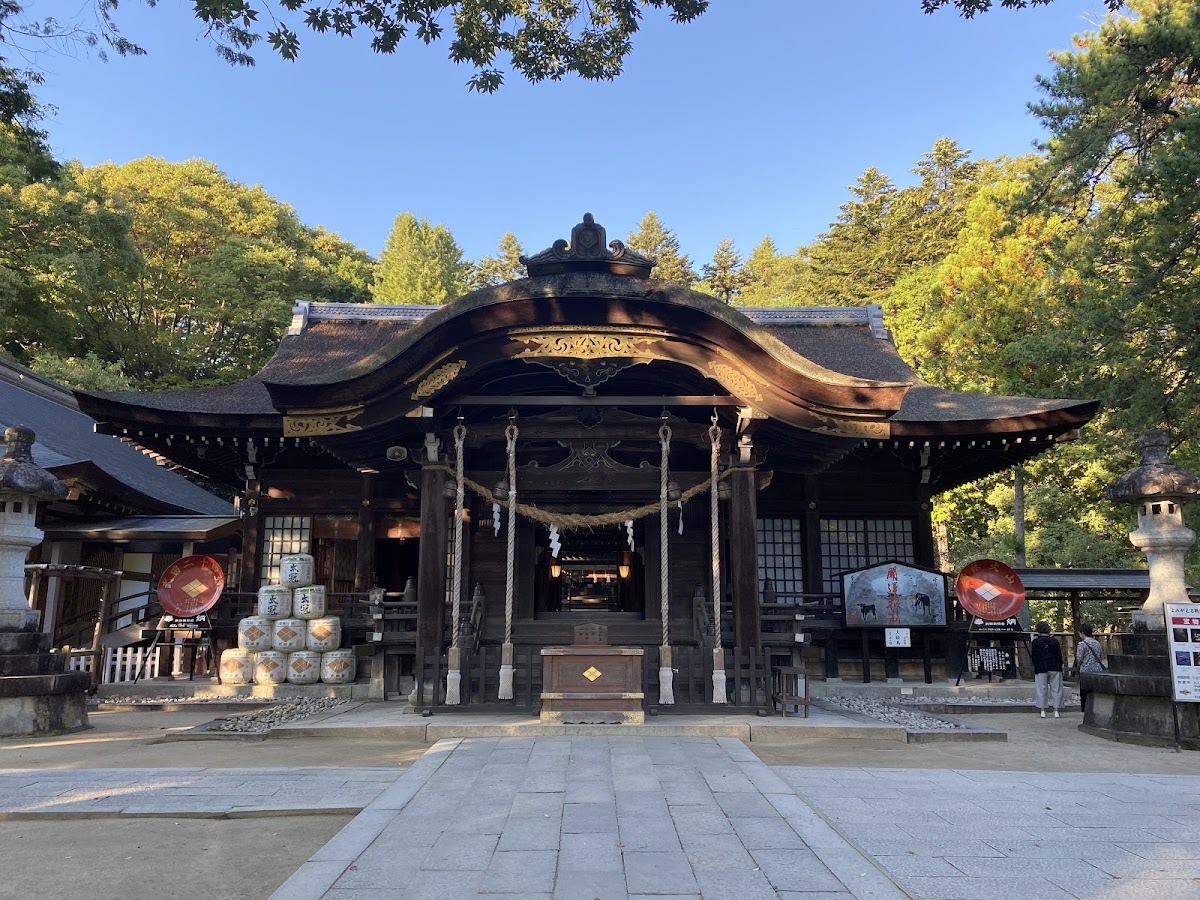
Climbing the stone steps at the front, visitors are greeted by the imposing worship hall. The shrine, retaining the architectural style of the Taisho era, presents a beautiful appearance with a harmonious blend of vermilion and wood tones.
Behind the worship hall is the main hall, where the spirit of Lord Takeda Shingen is enshrined. When praying, follow the ritual of two bows, two claps, and one bow to pray for good fortune and victory.
Princess’ Well | Sacred Water Still Flowing
The most popular power spot on the shrine grounds is the “Princess’s Well.” This well has existed since the time of the Takeda family and is said to have been used as the first bathwater for Lord Shingen’s daughter upon her birth.
Even today, pure water springs forth, and visitors are free to draw it as sacred water believed to bring benefits such as “longevity” and “warding off all illness.” Many people bring containers such as plastic bottles to take this sacred water home.
Three-Needle Pine | Symbol of Good Fortune
The “Three-Needle Pine” on the temple grounds is another power spot not to be missed. While pine needles usually number two, this pine is a rare three-needle pine, said to represent “body, health, and wealth,” and is believed to bring good fortune and wealth.
It is said that picking up a fallen three-needle pine needle and keeping it as a charm will increase your financial luck, and many visitors search for them. If you find one, keep it safe in your wallet or elsewhere.
Suikinkutsu | Elegant Sound
Near the purification fountain, there is a suikinkutsu (water harp), where you can enjoy the clear sound of falling water. The ethereal sound, heard with careful listening, will soothe your mind.
Moats, Earthworks, and Stone Walls | Remains of the Sengoku Period
Walking through the shrine grounds, you can see remnants of the Sengoku period in various places. In particular, the moat before crossing the sacred bridge, the earthworks surrounding the grounds, and the stone walls strongly retain the appearance of the Tsutsujigasaki Mansion era.
These remains are protected as a nationally designated historical site and are valuable historical assets that allow us to imagine the scale and structure of the mansion at that time. For history buffs, this is a place that offers value beyond a simple visit to a shrine.
Noh Stage | Preservation of Traditional Performing Arts
A Noh stage is also located on the shrine grounds, where Noh performances are held during festivals and other events. The Takeda family had a deep connection with Noh, and this stage also conveys the legacy of the Takeda clan from a cultural perspective.
Treasure Hall | Display of Treasures Related to the Takeda Family
The treasure hall of Takeda Shrine houses and displays valuable items related to the Takeda family.
National Important Cultural Property: “Tachi Sword with the Inscription ‘Ichi'”
The highlight of the Treasure Hall is the “Tachi Sword with the Inscription ‘Ichi’ (with leather-wrapped tachi mounting),” a nationally designated Important Cultural Property. This sword is extremely rare, bearing only the single character “Ichi,” and is known as a famous sword passed down through the Takeda family.
Takeda Family Armor and Weapons
Numerous pieces of armor, helmets, and swords believed to have been used by Lord Shingen and his retainers are on display, allowing visitors to see actual Sengoku period weapons up close. The actual “Fūrin Kazan” (Wind, Forest, Fire, Mountain) banner is also on display, making it a must-see for history buffs.
Ancient Documents and Letters
The hall also houses letters written by Lord Shingen himself and ancient documents related to the Takeda family, offering insights into the politics and diplomacy of the time.
Information on Visiting the Treasure Hall
- Admission Fee: Adults 300 yen, Elementary and Junior High School Students 150 yen
- Opening Hours: 9:30 AM – 4:00 PM (May be closed on Wednesdays)
- Estimated Time Required: Approximately 20-30 minutes
While visiting the shrine grounds is free, there is a fee to enter the Treasure Hall. We highly recommend visiting for those who wish to gain a deeper understanding of the Takeda family’s history.
Information on Goshuin (Shrine Seals) and Amulets
Goshuin (Shrine Seals)
At Takeda Shrine, in addition to regular goshuin, seasonal goshuin are also available. Goshuin are available at the shrine office, and the offering fee is usually 300 yen.
The goshuin, featuring the calligraphy of “Takeda Shrine” and the shrine’s seal, is characterized by its powerful brushstrokes and is popular among many goshuin collectors.
Amulets and Souvenirs
Takeda Shrine offers a variety of amulets and souvenirs related to Lord Shingen Takeda.
- Victory Amulet: An amulet for good fortune in competitions and passing exams.
- Financial Luck Amulet: An amulet for increased financial luck.
- Exorcism Amulet: An amulet for protection against evil and good fortune.
- Fūrin Kazan Amulet: An amulet modeled after the Takeda army’s banner.
Other items such as talismans, votive tablets, and fortune slips are also available. The financial luck items, especially those featuring the “Three-Leaf Pine,” are particularly popular and make excellent souvenirs.
How to Access Takeda Shrine
Basic Information
- Address: 2611 Furufuchu-cho, Kofu City, Yamanashi Prefecture 400-0014
- Phone Number: 055-252-2609
- Visiting Hours: Grounds are freely accessible (Shrine office and treasure hall are open from 9:30 to approximately 16:00)
- Closed Days: Grounds are open year-round (Treasure hall may be closed on Wednesdays)
Access by Train and Bus
From JR Chuo Main Line “Kofu Station”
- Take a Yamanashi Kotsu bus bound for “Takeda Shrine” or “Sekisui-ji Temple” from the Kofu Station North Exit Bus Terminal
- Arrive at the “Takeda Shrine” bus stop in approximately 8-10 minutes
- Approximately 1 minute walk from the bus stop
Buses operate on weekdays and weekends, approximately every 30 minutes. The fare is approximately 200 yen one way.
Walking
From Kofu Station North Exit, it takes about 30 minutes (approximately 2 km) on foot. The route heads north along Takeda Street, and along the way, you can enjoy a stroll past historical sites related to the Takeda family.
Access by Car
From the Chuo Expressway
- Approximately 10 minutes (approximately 5 km) from the Chuo Expressway “Kofu-Showa IC”
- Approximately 15 minutes (approximately 7 km) from the Chuo Expressway “Kofu IC”
The easiest access method is to exit at Kofu-Showa IC and head north via National Route 20.
Parking Information
Takeda Shrine has a free parking lot.
- Parking Capacity: Approximately 150 regular cars, 8 large buses
- Parking Hours: 9:00 AM – 4:00 PM (Closed outside these hours)
- Fee: Free
During peak seasons such as New Year’s Day and annual festivals, temporary parking may be opened. However, the parking lot is closed outside of these hours, so please be mindful of your visiting hours.
Toilet and Accessibility Information
Toilets are available on the shrine grounds for visitors. While the path from the parking lot to the main hall is relatively flat, there are some stone steps. Those wishing to visit in a wheelchair are advised to inquire with the shrine office in advance.
Annual Events and Festivals
Grand Festival (April 12th)
The most important festival at Takeda Shrine is the Grand Festival, held on April 12th, the anniversary of Lord Shingen’s death. A solemn Shinto ritual is performed on this day, attended by many worshippers.
Shingen-ko Festival (Early April)
In conjunction with the annual grand festival, the “Shingen-ko Festival” is held every year in early April in Kofu City. Starting from Takeda Shrine, the festival includes a warrior procession and a departure ceremony, making it Kofu City’s largest festival and attracting many tourists from all over Japan.
New Year’s Visit
During the first three days of the New Year, the shrine is bustling with visitors praying for victory and good fortune. Every year, it is one of the most popular New Year’s visit spots in Yamanashi Prefecture, attracting many worshippers.
Other Annual Events
- Setsubun Festival (February)
- Shichi-Go-San Festival (November)
- Great Purification Ceremony (June & December)
Various Shinto rituals are performed throughout the year.
Tourist Spots Around Takeda Shrine
When visiting Takeda Shrine, exploring the surrounding sites associated with Shingen-ko will allow you to experience the history of the Takeda family more deeply.
Kofu Castle Ruins (Maizuru Castle Park)
The site of Kofu Castle, built after the fall of the Takeda clan. The stone walls and turrets have been restored, and it’s a popular viewpoint offering panoramic views of Kofu city. Approximately 10 minutes by car from Takeda Shrine.
Shingen Embankment
A flood control facility built by Lord Shingen, it still plays a role in preventing floods on the Kamanashi River. A historical site that speaks to the high level of civil engineering technology of the Sengoku period.
Erinji Temple
The family temple of Lord Takeda Shingen. It houses Shingen’s tomb, the “Fūrin Kazan” banner, and treasures of the Takeda family. Approximately 40 minutes by car from Takeda Shrine.
Sekisuiji Temple
A temple said to be the birthplace of Lord Shingen. Located about 20 minutes on foot from Takeda Shrine, it’s a popular spot for visitors to visit both together.
Yamanashi Prefectural Museum
A museum that comprehensively exhibits the history and culture of Yamanashi. It also has extensive exhibits related to the Takeda family, making it ideal for deepening one’s understanding of history.
Model Course for Visiting Takeda Shrine
Half-Day Course (Duration: Approx. 3 Hours)
- Arrive at Kofu Station (9:00)
- Travel to Takeda Shrine by Bus (Departure 9:10 → Arrival 9:20)
- Visit Takeda Shrine (9:30-10:30)
- Visit the Main Hall
- Receive Sacred Water at Hime no Ido (Princess’s Well)
- Search for the Three-Leaf Pine Tree
- Explore the Historical Sites within the Shrine Grounds
- Visit the Treasure Hall (10:30-11:00)
- Receive Goshuin (Shrine Stamp) and Amulet (11:00-11:15)
- Walk to Sekisui-ji Temple (11:15-11:35)
- Visit Sekisui-ji Temple (11:35-12:00)
- Return to Kofu Station by bus (Departure 12:15 → Arrival 12:30)
1-Day Course (Duration: Approx. 7 hours)
A recommended plan is to visit Takeda Shrine and Sekisui-ji Temple in the morning, and then spend the afternoon sightseeing at Kofu Castle Ruins and in Kofu city, enjoying local cuisine such as Hoto noodles.
Points to Note and Manners When Visiting Takeda Shrine
Manners for Visiting Shrine
- Bow when passing through the torii gate.
- Walk along the sides of the approach to the shrine, as the center is considered the path for the gods.
- Cleanse your hands and mouth at the water basin.
- At the main hall, pray using the two bows, two claps, and one bow ritual.
- Photography is permitted, but check beforehand as photography may be prohibited inside the main hall and treasure hall.
Regarding Clothing
There are no particularly strict dress code regulations, but it is desirable to dress appropriately as it is a sacred place. Since it is also a tourist destination, casual attire is also acceptable.
Peak Seasons
The following periods are particularly crowded:
- First three days of the New Year (Hatsumode – first shrine visit of the year)
- Early April (Shingen-ko Festival/Annual Grand Festival)
- Golden Week
- Autumn tourist season (October-November)
If you want to avoid crowds, weekday mornings are recommended.
Benefits of Takeda Shrine | Victory, Wealth, and Good Fortune
Takeda Shrine is believed to offer the following benefits due to the military prowess and achievements of Takeda Shingen as a ruler.
Victory and Prayer for Success
Many people visit to pray for victory in all kinds of competitions, following in the footsteps of Shingen, who led the Takeda army, renowned as the strongest in the Sengoku period. People facing any kind of “competition,” such as passing entrance exams, job interviews, sports matches, and business negotiations, visit the shrine.
Wealth and Business Prosperity
Shingen was also a wise ruler who enriched his territory through gold mine development and economic policies. Therefore, it is also worshipped as a god of industry and economy, and many visitors come to pray for increased wealth and business prosperity. The “Three-Leaf Pine” in particular is famous as a power spot for financial luck.
Good Fortune and Protection from Evil
By drawing on the power of Lord Shingen, who overcame difficulties and built a powerful territory, you can expect benefits for general good fortune and protection from evil.
Longevity and Health Prayer
The sacred water of “Hime no Ido” (Princess’s Well) is believed to grant longevity and protection from all illnesses, and many people visit to pray for good health.
Recommended Food When Visiting Takeda Shrine
Before or after visiting Takeda Shrine, it is recommended to enjoy Yamanashi Prefecture’s local cuisine.
Hoto
A representative local dish of Yamanashi Prefecture. It is a dish of thick, flat noodles simmered with vegetables and miso, and there is a legend that Lord Shingen devised it as a field ration. There are several hoto specialty restaurants around Takeda Shrine.
Chicken Giblet Stew
Torimotsu stew is a well-known local delicacy in Kofu City. This stew, made with chicken giblets simmered in a sweet and savory sauce, is perfect as a side dish with rice or as a snack with drinks.
Shingen Mochi
A representative confection from Yamanashi Prefecture. This Japanese sweet consists of mochi (rice cake) coated in kinako (roasted soybean flour) and topped with brown sugar syrup. It’s a popular souvenir.
Summary | Takeda Shrine: A Must-Visit Spot for Kofu Sightseeing
Takeda Shrine is a historically and culturally significant shrine dedicated to Takeda Shingen, a hero of the Sengoku period. Built on the site of the Tsutsujigasaki Mansion, a nationally designated historical site, the shrine grounds retain many well-preserved remnants of the Sengoku period.
It’s a popular power spot for good fortune and wealth, and offers many worthwhile sights, including the sacred water of “Hime no Ido” (Princess’s Well) and the “Mitsuba no Matsu” (Three-Leaf Pine). The Treasure Hall houses valuable items related to the Takeda family, making it a must-visit spot for history buffs.
With easy access from Kofu Station and ample free parking, it’s conveniently located for those traveling by public transport or car. When visiting Yamanashi Prefecture, be sure to pay your respects at Takeda Shrine and experience the great legacy of Lord Shingen.
We pray that your wishes will be fulfilled under the protection of Lord Takeda Shingen, the Tiger of Kai.