Gyokusenji Temple (Sanuki City, Kagawa Prefecture) Complete Guide | History and Visiting Information for the Higiri Jizo and the Inner Sanctuary of Nagao-ji Temple
Gyokusenji Temple, located in Miyanishi, Zoda, Nagao-cho, Sanuki City, Kagawa Prefecture, is a historic temple belonging to the Tendai sect’s Sanmon branch. As the inner sanctuary of Nagao-ji Temple, the 87th temple of the Shikoku 88 Temple Pilgrimage, and the 9th temple of the New Shikoku Mandala Pilgrimage, it attracts fervent devotion from local people and pilgrims alike. This article comprehensively introduces information you should know before visiting, including the history of Gyokusenji Temple, the origin of its principal image, the Higiri Jizo Bodhisattva, visiting information, and access methods.
Basic Information about Gyokusenji Temple
Location and Access
Address: 1022-2 Miyanishi, Zoda, Nagao-cho, Sanuki City, Kagawa Prefecture
Gyokusenji Temple is a quiet temple located in the Zoda district of Nagao-cho, Sanuki City. Located in a rural area, it offers a peaceful atmosphere for worship, far removed from the hustle and bustle of the city.
Transportation Access:
- Train: Approximately 15 minutes on foot from JR Kotoku Line “Zoda Station”
- Car: Approximately 20 minutes from Takamatsu Expressway “Shido IC” or approximately 15 minutes from “Tsuda-Sangawa IC”
- Parking: Parking space available for visitors on the temple grounds (limited number of spaces, so caution is advised during peak seasons)
Basic Temple Data
- Mountain Name: Reiunzan
- Sect: Tendai-shu Sanmon-ha
- Principal Image: Higiri Jizo Bosatsu
- Chief Priest: Anzai Shun’en
- Pilgrimage Site: Okunoin of Nagao-ji Temple, the 87th temple of the Shikoku 88 Temple Pilgrimage; 9th temple of the New Shikoku Mandala Pilgrimage
History and Origin of Gyokusen-ji Temple
History of Founding and Founder
The founding of Gyokusenji Temple has a history deeply intertwined with local faith. As a temple of the Tendai sect’s Sanmon branch, it inherits the tradition of having Enryaku-ji Temple on Mount Hiei as its head temple. This region has long been a place where Buddhist culture flourished, and it has a deep connection with Nagao-ji Temple, a temple on the Shikoku Pilgrimage, playing an important role as its inner sanctuary.
While there are some unclear records regarding the founder, it is certain that the temple has been preserved by devout local believers, and the Buddhist tradition has been passed down to the present day. There are several Gyokusenji temples in Kagawa Prefecture, but the one in Sanuki City is particularly known as a center of the Nichigiri Jizo faith.
Relationship with Nagao-ji Temple
Gyokusenji Temple is positioned as the inner sanctuary of Nagao-ji Temple, the 87th temple on the Shikoku Pilgrimage. In the Shikoku Pilgrimage, an inner sanctuary refers to a temple established separately from the main temple for ascetic practice and prayer. Visiting Tamasenji Temple after visiting Nagaoji Temple is said to provide a deeper religious experience.
Nagaoji Temple is known as a temple associated with Kobo Daishi Kukai, and Tamasenji Temple, its inner sanctuary, is also an important pilgrimage site for pilgrims visiting the Shikoku Pilgrimage. Visiting both temples allows for a deeper understanding of the Shikoku pilgrimage culture.
About the Principal Image: Higiri Jizo Bodhisattva
The Belief in Higiri Jizo
The principal image of Tamasenji Temple, Higiri Jizo Bodhisattva, is a Jizo Bodhisattva believed to have particularly strong power to grant wishes. “Higiri” means setting a deadline for making a wish, and it is believed that by setting a deadline for a wish and praying, the wish will be granted within that timeframe.
This belief spread widely among the people from the Edo period onward, and people with various wishes, such as business prosperity, recovery from illness, family safety, and fertility, visited the temple. Even today, many worshippers visit with time-sensitive wishes, such as passing exams or finding employment.
The Role of Jizo Bodhisattva
Jizo Bodhisattva is considered a bodhisattva who travels through the six realms (hell, hungry ghosts, animals, asuras, humans, and heaven) to save sentient beings during the period between the death of Shakyamuni Buddha and the appearance of Maitreya Bodhisattva, a time without a Buddha. In Japan, in particular, Jizo Bodhisattva is deeply revered as a guardian deity of children and a roadside deity, making it one of the most familiar Buddhist deities to ordinary people.
The Jizo Bodhisattva at Gyokusenji Temple, in addition to this traditional Jizo worship, attracts many worshippers from beyond the region due to its unique form of worship involving time-sensitive wishes.
Highlights of the Temple Grounds
Main Hall
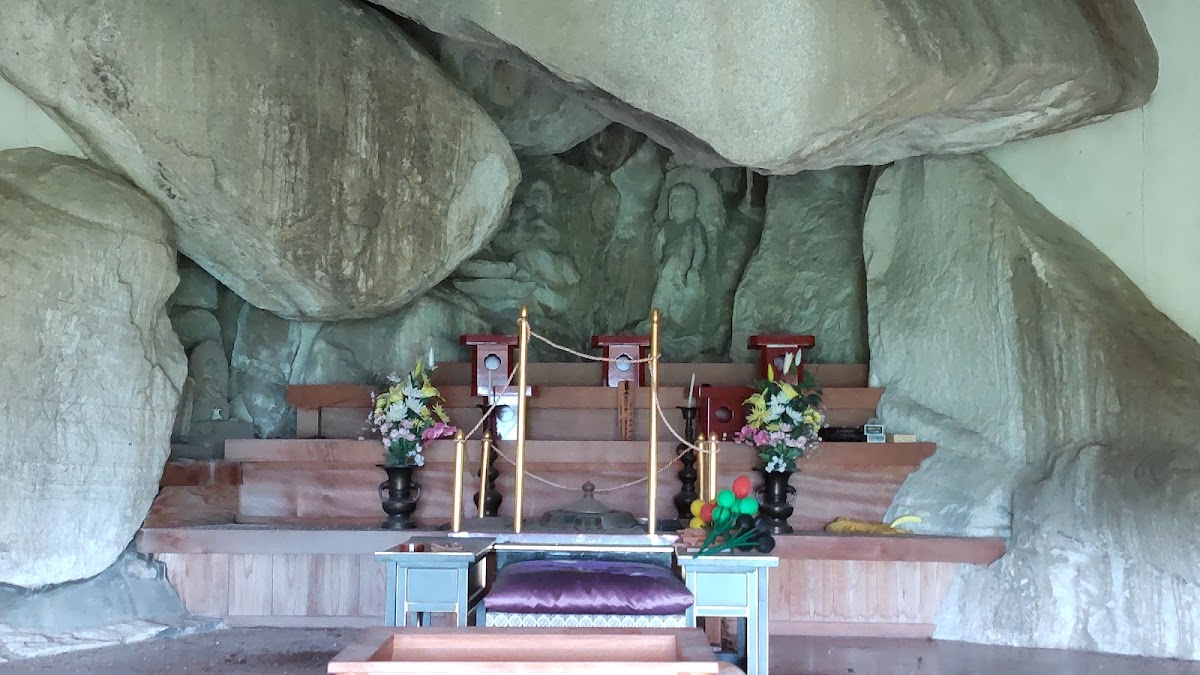
The main hall of Gyokusenji Temple is a simple and warm building, befitting a small rural temple. While it lacks flashy decorations, this creates an atmosphere conducive to peaceful worship. Inside the main hall is the principal image, the Jizo Bodhisattva of the Sunset, where worshippers can quietly clasp their hands together and offer their prayers.
In front of the main hall is an incense burner, and the rising smoke of incense creates a solemn atmosphere unique to Japanese temples.
Atmosphere of the Temple Grounds
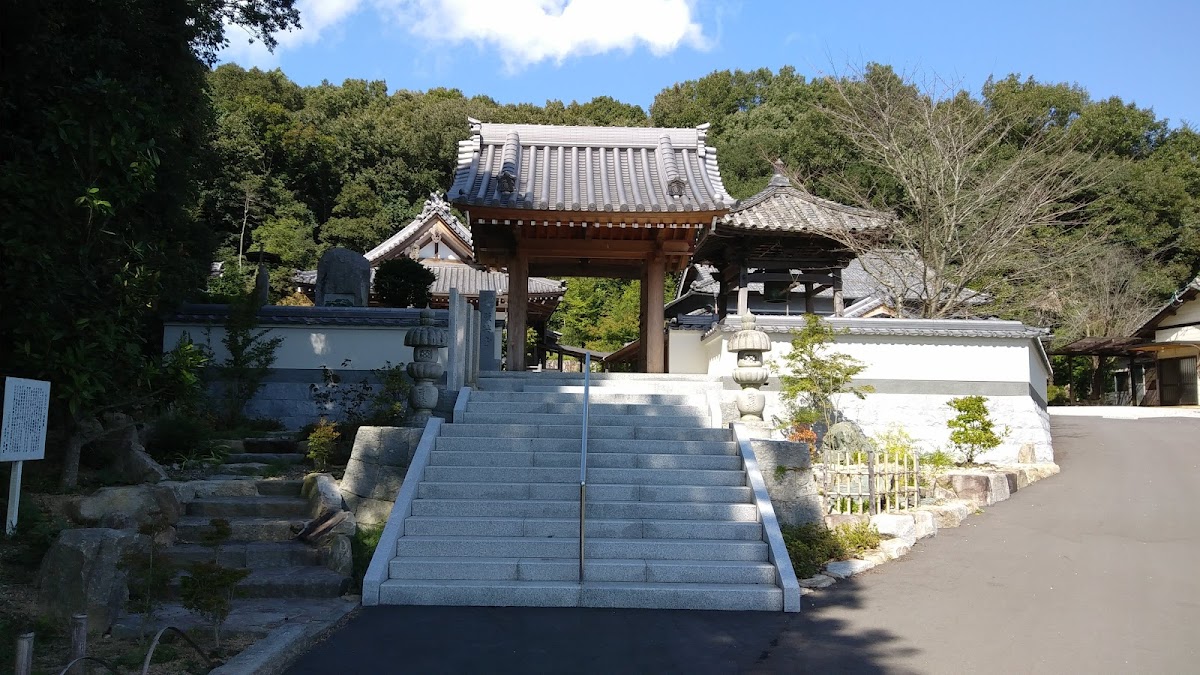
The grounds of Gyokusenji Temple are a quiet space that harmonizes with the surrounding rural landscape. While not a large temple, the well-maintained grounds are clean and offer a warm and welcoming atmosphere for worshippers.
The trees on the grounds change their appearance with each season; in spring, you can enjoy the fresh greenery; in summer, the deep green; in autumn, the vibrant autumn leaves; and in winter, the tranquil scenery. It is an ideal environment for a peaceful visit away from the hustle and bustle of the city.
About Goshuin (Temple Seals)
Issuance of Goshuin
Gyokusenji Temple offers Goshuin (temple seals). Many visitors look forward to receiving a Goshuin (temple stamp), and they cherish it as a memento of their Shikoku Pilgrimage or the New Shikoku Mandala Pilgrimage.
Goshuin are usually available as pre-printed stamps. You can receive a Goshuin by asking at the main hall or the temple’s living quarters (kuri) during your visit. If you bring your own Goshuincho (stamp book), you can receive a Goshuin for Nagao-ji Temple’s inner sanctuary or for being the ninth temple on the New Shikoku Mandala Pilgrimage.
Goshuin Etiquette
When receiving a Goshuin, please observe the following etiquette:
- Pray first: The Goshuin is proof of your visit. Always pray at the main hall first before receiving your Goshuin.
- Prepare for offering: The offering for a Goshuin is generally around 300 yen. It’s a good idea to have some small change ready.
- Polite Language: Ask politely, “May I receive a Goshuin (temple stamp)?”
- Wait Quietly: Wait quietly while the Goshuin is being prepared.
About the New Shikoku Mandala Pilgrimage
What is the New Shikoku Mandala Pilgrimage?
The New Shikoku Mandala Pilgrimage is one of the pilgrimage routes visiting temples within Kagawa Prefecture. Separate from the Shikoku 88 Temple Pilgrimage, it is a pilgrimage route connecting temples that attract local faith, and is popular with locals and pilgrims alike.
Gyokusenji Temple is designated as the ninth temple on the New Shikoku Mandala Pilgrimage, making it an important place of worship for pilgrims on this route. Visiting it in conjunction with the Shikoku 88 Temple Pilgrimage allows for a deeper religious experience and a better understanding of Kagawa Prefecture’s temple culture.
How to Enjoy Your Pilgrimage
When visiting the New Shikoku Mandala Pilgrimage sites, researching the history and characteristics of each temple beforehand will make your pilgrimage experience more fulfilling. Smaller temples like Gyokusenji, which attract local faith, possess a warmth and approachability different from larger temples.
Interacting with local people and walking through rural landscapes are also major attractions of the pilgrimage. Take your time, don’t rush, and cherish the time you spend contemplating each temple.
Points and Manners for Visiting
Etiquette for Visiting
When visiting Gyokusenji, please observe the following basic etiquette:
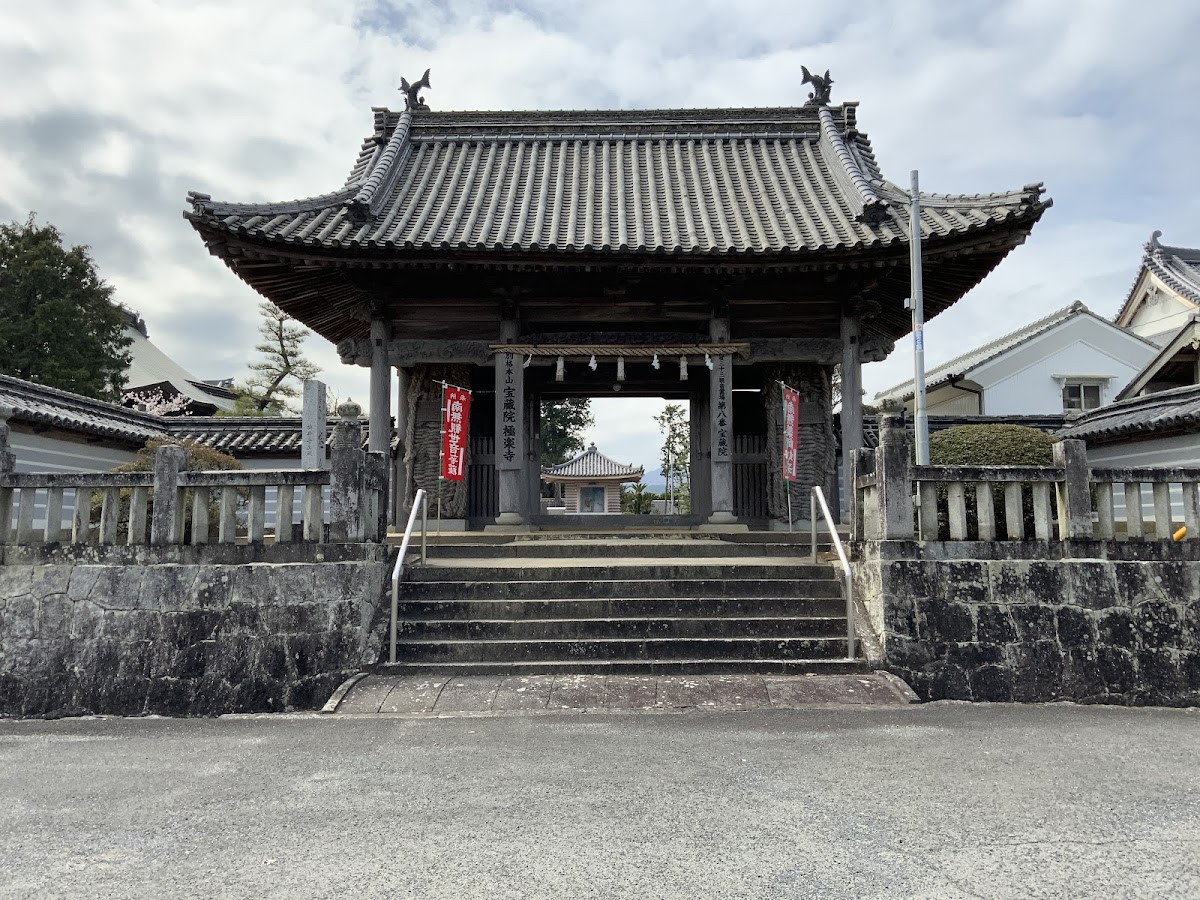
- Bow at the Temple Gate: Bow at the temple gate before entering the grounds.
- Purify at the Water Basin: If there is a water basin, purify your hands and mouth.
- Worship at the Main Hall: Place your offering in front of the main hall, then quietly clasp your hands together and pray.
- Procedure for Making a Wish: When making a wish to the Jizo Bodhisattva, set a specific deadline in your mind.
- Bow Upon Departure: When leaving the temple grounds, turn around and bow.
Clothing and Belongings
There are no specific dress code requirements for visiting temples, but please note the following:
- Clean Clothing: Avoid revealing or overly flashy clothing.
- Comfortable Shoes: Some areas of the temple grounds are unpaved, so comfortable shoes are recommended.
- Belongings: A goshuincho (stamp book), prayer beads, small change, camera (only in areas where photography is permitted), etc.
Photography
Photography is generally permitted on the temple grounds, but it is considered good manners to refrain from photographing the interior of the main hall or the principal image of Buddha. If unsure, please check with the head priest or other staff before taking photos. It is also important to be considerate of other visitors and avoid disturbing them.
Nearby Attractions and Recommended Spots
Nagao-ji Temple (Shikoku 88 Temple Pilgrimage, Temple No. 87)
If you visit Gyokusen-ji Temple, be sure to also visit its main temple, Nagao-ji Temple. Nagao-ji Temple is an ancient temple said to have been founded by Gyoki Bodhisattva during the Tenpyo era (729-749), and later, Kobo Daishi is said to have visited and designated it as a sacred site.
With its magnificent main hall, Daishi Hall, and sutra hall, you can experience the solemn atmosphere characteristic of the Shikoku pilgrimage. It is about a 10-minute drive from Gyokusen-ji Temple.
Okubo-ji Temple (Shikoku 88 Temple Pilgrimage, Temple No. 88)
Okubo-ji Temple, known as the final temple of the Shikoku pilgrimage, is also located in Sanuki City. It is about a 30-minute drive from Gyokusen-ji Temple. For pilgrims visiting the Shikoku Pilgrimage, Okubo-ji Temple, the final temple on the route, holds special significance.
It offers a chance to experience the profound emotion of completing the pilgrimage and to reflect on the journey in the tranquil atmosphere of the temple grounds.
Sanuki City Tourist Attractions
Besides temple visits, Sanuki City offers several other attractive tourist spots:
- Tsuda no Matsubara: A beautiful pine forest facing the Seto Inland Sea, selected as one of Japan’s Top 100 Beaches.
- Kikaku Park: Known as a famous cherry blossom viewing spot, it attracts many visitors in spring.
- Sanuki City Historical and Folk Museum: A facility where you can learn about the history and culture of the region.
About the Tendai Sect’s Sanmon Branch
History of the Tendai Sect
The Tendai sect is a Buddhist sect established by Zhiyi on Mount Tiantai in China, and was brought to Japan in the early Heian period by Saichō (Dengyō Daishi). It is a branch of Mahayana Buddhism with Enryaku-ji Temple on Mount Hiei as its head temple, and the Lotus Sutra as its fundamental scripture.
The Tendai sect has played an extremely important role in the history of Japanese Buddhism, and many of the founders of the Kamakura period’s new Buddhist movements, such as Hōnen, Shinran, Eisai, Dōgen, and Nichiren, studied on Mount Hiei, earning it the nickname “Mother Mountain of Japanese Buddhism.”
Sanmon Branch and Jimon Branch
The Tendai sect is broadly divided into the Sanmon branch and the Jimon branch. The Sanmon branch is centered around Enryaku-ji Temple on Mount Hiei, while the Jimon branch is centered around Mii-dera Temple (Onjō-ji Temple). The split between the two factions occurred in the mid-Heian period, and they have since developed independently.
Gyokusenji Temple belongs to the Tendai sect’s Sanmon branch and, as a temple that inherits the lineage of Enryaku-ji Temple on Mount Hiei, it preserves and transmits the teachings of the Tendai sect.
Temple Culture of Sanuki City
Shikoku Pilgrimage and Temples of Sanuki
Kagawa Prefecture (formerly Sanuki Province) has 23 of the 88 temples of the Shikoku Pilgrimage, the most of the four prefectures in Shikoku. This indicates that Sanuki has been a region where Buddhist culture has flourished since ancient times.
Sanuki City also has important temples such as Nagaoji Temple and Okuboji Temple, and when you include the inner sanctuaries and related temples like Gyokusenji Temple, it becomes clear that this region is one of the centers of Shikoku Pilgrimage culture.
Community-Based Faith
Small local temples like Gyokusenji Temple, unlike tourist temples, function as places of daily faith for local residents. These temples are deeply intertwined with the lives of local people, participating in funerals, memorial services, and annual events.
Visiting these temples offers a glimpse into the essential nature of Japanese temple culture. While not flashy, they embody a warm, community-based form of faith.
Annual Events and Memorial Services
Main Annual Events
At Gyokusenji Temple, as a Tendai sect temple and a local temple, various events and memorial services are held throughout the year. The main events held at typical Tendai Buddhist temples include the following:
- Shushō-e (New Year’s service): A New Year’s memorial service held in January.
- Spring Equinox Service: Ancestor memorial service centered around the spring equinox.
- Urabon-e (Obon service): Ancestor memorial service during the Obon festival.
- Autumn Equinox Service: Ancestor memorial service centered around the autumn equinox.
- Jizo-bon (Jizo Festival): A festival day for Jizo Bodhisattva held in late August.
For specific event dates and details, it is recommended to inquire with the temple before visiting.
Festival Day of Higiri Jizo
The festival day for Jizo Bodhisattva is considered to be the 24th of each month. Visiting on this day is believed to bring particular blessings, and many worshippers visit. If you wish to make a wish to Higiri Jizo, it is advisable to choose a festival day for your visit.
Practical Information Regarding Visits
Visiting Hours
While there are no specific restrictions on visiting hours at Gyokusenji Temple, it is generally recommended to visit during the daytime (around 9:00 AM to 5:00 PM). Visiting early in the morning or after evening may be affected by the schedules of the head priest and temple staff, so if you wish to receive a Goshuin (temple stamp), daytime visits are recommended.
Admission Fee
There is no admission fee to visit the grounds of Gyokusenji Temple. However, if you wish to receive a Goshuin or request a special prayer, an offering is required.
Contact Information
For detailed information regarding visits and applications for memorial services and prayers, please contact the temple directly. The address is 1022-2 Miyanishi, Zoda, Nagao-cho, Sanuki City, Kagawa Prefecture.
How to Enjoy a Visit to Gyokusenji Temple
Spend a Relaxing Time
The charm of Gyokusenji Temple lies in its quiet and peaceful atmosphere. While it may not have the numerous sights of a large tourist temple, this is precisely why it offers a quiet place to pray and reflect on oneself.
Sitting on a bench in the temple grounds and gazing at the surrounding scenery, or meditating for an extended period in front of the main hall, allows you to experience a tranquility rarely found in modern society.
As part of the Shikoku Pilgrimage
Those on the Shikoku 88 Temple Pilgrimage can enhance their experience by visiting Tamasenji Temple, the inner sanctuary, after visiting Nagaoji Temple, the 87th temple. While visiting the inner sanctuary isn’t mandatory, it’s highly recommended if you have the time.
You can also stop by on your way from Nagaoji Temple to Okuboji Temple, so consider incorporating it into your pilgrimage route.
Learning about Local History and Culture
Visiting Tamasenji Temple is also a great opportunity to learn about the history and culture of Sanuki City. The presence of historical temples such as Nagaoji Temple and Okuboji Temple in the surrounding area indicates that this region has long been a center of Buddhist culture.
Gathering information from local history museums and tourist information centers before visiting will lead to a deeper understanding and a more moving experience.
Summary: The Charm of Gyokusenji Temple
Gyokusenji Temple in Sanuki City, Kagawa Prefecture, is not large in scale, but its charm lies in its devotion to the Nichigiri Jizo Bodhisattva, its history as the inner sanctuary of Nagao-ji Temple, and its warm, community-rooted atmosphere.
Whether you visit as part of a Shikoku pilgrimage, to make a wish to Nichigiri Jizo, or simply to spend some quiet time, you’ll have a memorable pilgrimage experience tailored to your purpose.
If you have the opportunity to visit Sanuki City, be sure to stop by Gyokusenji Temple. This small temple surrounded by rural scenery will warmly welcome you. While preserving the traditions of the Tendai sect, Gyokusenji Temple continues to attract the faith of the local people. In its simple and sincere form, you can see the essence of Japanese temple culture.
When you visit, please offer your prayers to the Jizo Bodhisattva with sincerity and cherish the time you spend calming your mind in the tranquil temple grounds. Furthermore, by visiting nearby temples such as Nagao-ji and Okubo-ji, you can fully experience the rich temple culture of Sanuki City.