Tenso Shrine (Chuo Ward, Tokyo) Complete Guide | History, Goshuin (Shrine Seal), and Access Information
Several Tenso Shrines are located in Chuo Ward, Tokyo, each with a long history as the local guardian deity. This article provides detailed information on the major Tenso Shrines in Chuo Ward, including their history, blessings, goshuin information, and access methods, making it useful for visitors.
What are Tenso Shrines in Chuo Ward?
Tenso Shrines are a general term for shrines that enshrine Amaterasu Omikami as their principal deity. The following Tenso Shrines exist in Chuo Ward, Tokyo:
- Tenso Shrine (Nihonbashi Kayabacho)
- Tenso Shrine (Nihonbashi Hamacho)
- Tenso Shrine (Tsukishima)
- Tenso Shrine (Kachidoki)
Each shrine has its own independent history and is cherished as a center of faith for local residents.
Details of Tenso Shrine (Nihonbashi Kayabacho)
History and Origin
Tenso Shrine in Nihonbashi Kayabacho is said to have been founded in the early Edo period. At that time, the area was developing as a residential area for samurai and townspeople, and Amaterasu Omikami was enshrined as the guardian deity of the region.
Throughout the Edo period, it was revered as the tutelary deity of the local residents, and this faith has continued unchanged since the Meiji era. Having overcome disasters such as the Great Kanto Earthquake and the Tokyo air raids, it continues to exist as a spiritual pillar of the region to this day.
Deities and Benefits
Main Deity: Amaterasu Omikami
Amaterasu Omikami is the supreme deity in Japanese mythology and the goddess who governs the sun. Known as the ancestral deity of the Imperial family, she is believed to offer the following benefits:
- Good Fortune and Prosperity: Enhances all aspects of luck
- Family Safety: Peace and health for the family
- Business Prosperity: Success in business
- Exorcism: Wards off misfortune
- Fulfillment of Wishes: Power to grant wishes
Highlights of the Shrine Grounds
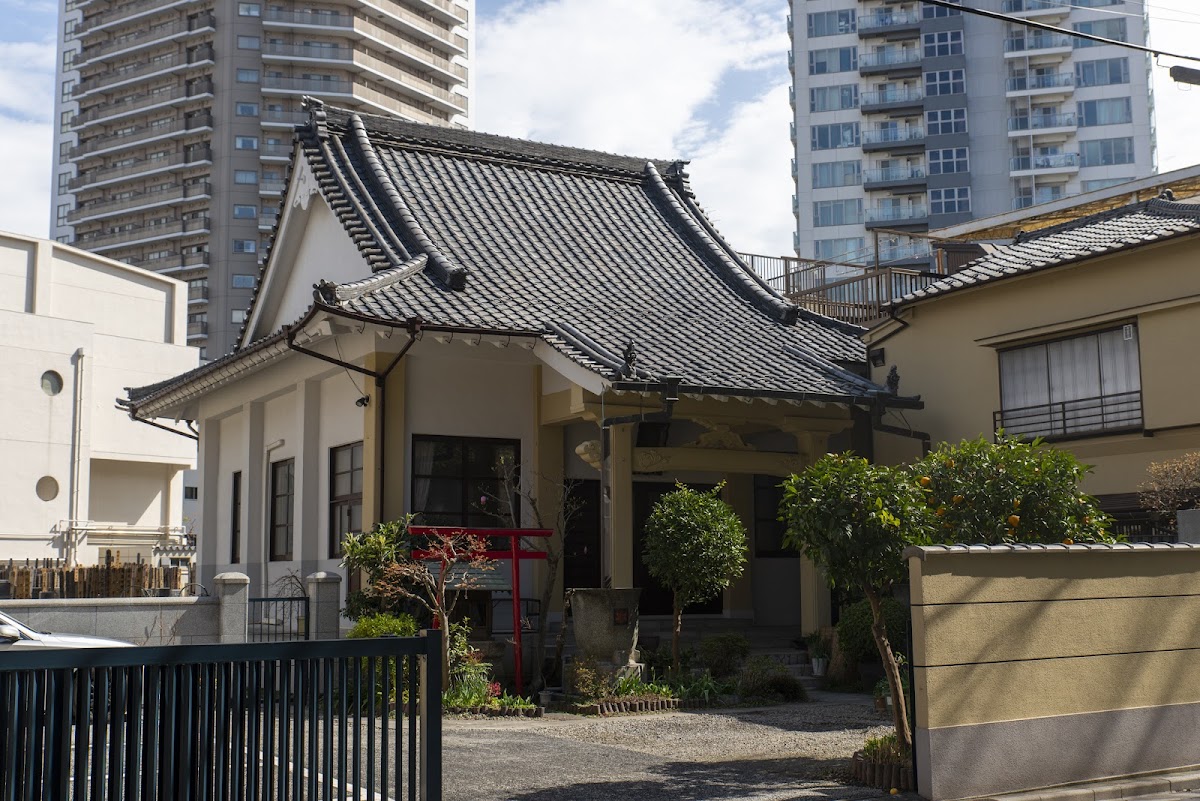
Tenso Shrine in Kayabacho maintains a tranquil atmosphere despite being located in the heart of Tokyo’s business district.
Main Hall
The wooden main hall preserves the beauty of traditional shrine architecture.
Guardian Dogs
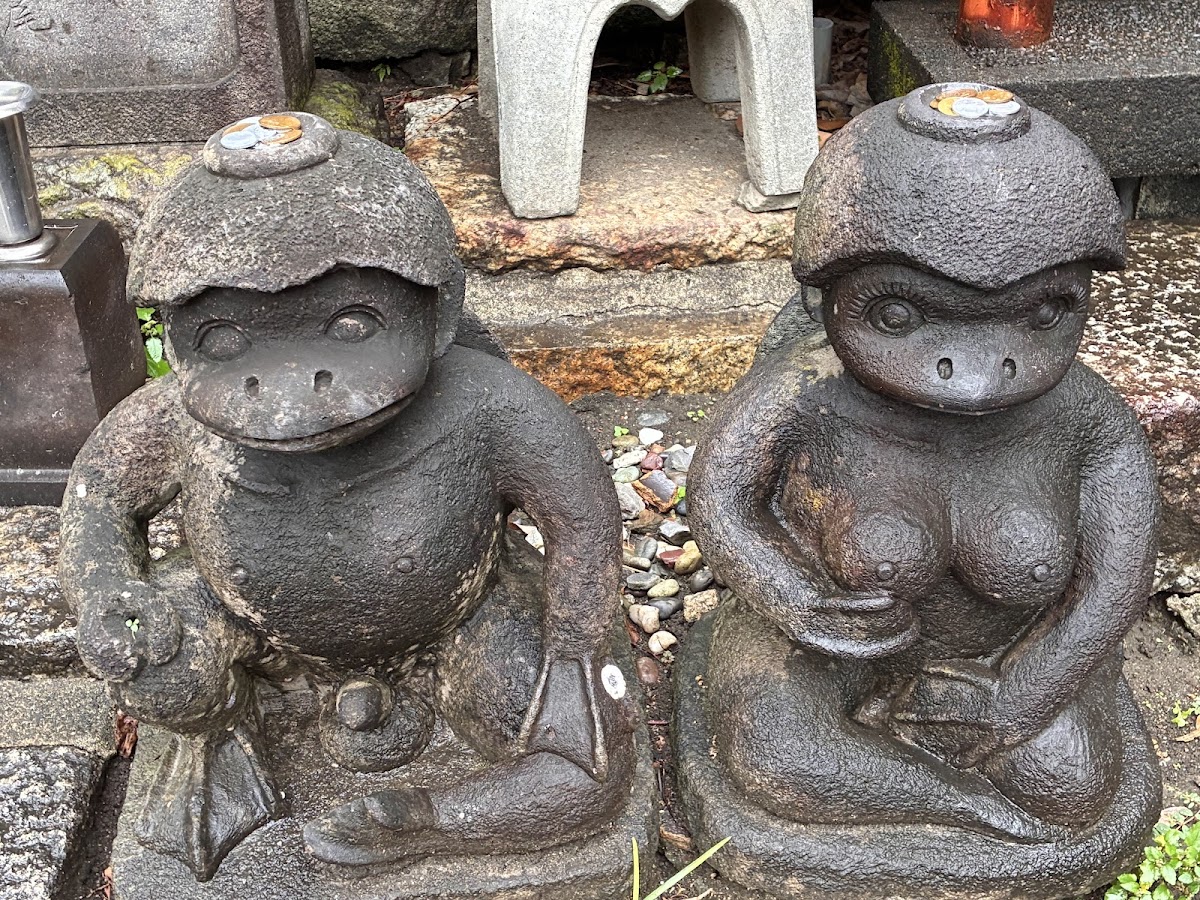
Guardian dogs dating back to the Edo period are enshrined on the grounds and are considered to have high historical value.
Shrine Office
Offers Goshuin (shrine stamps) and accepts requests for various prayers.
Access Information
Location: 1-chome, Nihonbashi Kayabacho, Chuo-ku, Tokyo
Nearest Station:
- Approximately 3 minutes on foot from Kayabacho Station (Tokyo Metro Tozai Line/Hibiya Line)
- Approximately 8 minutes on foot from Suitengumae Station (Tokyo Metro Hanzomon Line)
Visiting Hours: Grounds are freely accessible (Shrine office is open from approximately 9:00 to 17:00)
Details of Tenso Shrine (Nihonbashi Hamacho)
History and Origin
Tenso Shrine in Nihonbashi Hamacho is a historical shrine that has existed since the Edo period. Hamacho is close to the Sumida River and flourished as a key point for water transport during the Edo period, with many merchants and craftsmen living there.
Tenso Shrine, founded as the guardian deity of this area, has grown alongside the development of the region. Even today, it stands near Hamacho Park, and is constantly visited by local residents and office workers from nearby companies.
Deities and Blessings
Main Deity: Amaterasu Omikami
The Tenso Shrine in Hamacho also enshrines Amaterasu Omikami as its main deity and is known for its blessings of good fortune, family safety, and business prosperity. It is particularly popular with local businesses seeking to pray for success.
Access Information
Location: 2-chome, Nihonbashi Hamacho, Chuo-ku, Tokyo
Nearest Stations:
- Approximately 5 minutes on foot from Hamacho Station on the Toei Shinjuku Line
- Approximately 7 minutes on foot from Suitengumae Station on the Tokyo Metro Hanzomon Line
Details of Tenso Shrine (Tsukishima)
History and Origin
The Tenso Shrine in Tsukishima is a relatively new shrine, founded in the Tsukishima area, which was created through land reclamation during the Meiji era. Land reclamation in Tsukishima began in 1892 (Meiji 25) and developed into a new residential area.
The Tenso Shrine was established as the guardian deity of the new town, and since then, it has been a spiritual center for the residents of Tsukishima. Located near the Tsukishima Nishinakadori shopping street, famous for its monjayaki (a type of savory pancake), it plays a central role in local festivals.
Deities and Blessings
Main Deity: Amaterasu Omikami
As a shrine that has grown alongside Tsukishima’s development, it is particularly known for the following blessings:
- Business Prosperity: Protecting the prosperity of the shopping street
- Family Safety: Protecting the residents of the new town
- Traffic Safety: Safety in areas near the sea
- Good Fortune and Prosperity: Good fortune in a new place
Highlights of the Shrine Grounds
Tsukishima’s Tenso Shrine is charming with its atmosphere full of old-town charm.
Annual Grand Festival
The annual grand festival, held every summer, brings excitement to the entire Tsukishima area, featuring a portable shrine procession and Bon Odori (traditional Japanese dance).
Shrine Precincts
In addition to the main shrine, several smaller shrines, such as an Inari shrine, are also enshrined within the grounds.
Access Information
Location: 3-chome, Tsukishima, Chuo-ku, Tokyo
Nearest Station:
- Approximately 5-minute walk from Tsukishima Station on the Tokyo Metro Yurakucho Line and Toei Oedo Line
Visiting Hours: Grounds are freely accessible
Details of Tenso Shrine (Kachidoki)
History and Origin
Like the Tsukishima shrine, Tenso Shrine in the Kachidoki area was also built on reclaimed land. The name Kachidoki is said to have been given to commemorate the victory in the Russo-Japanese War and is known as an auspicious place name.
It functions as a place of traditional worship amidst the modern cityscape of towering high-rise condominiums.
Deities and Benefits
Main Deity: Amaterasu Omikami
Given the place name Kachidoki, the shrine is also expected to bring good fortune in victory.
- Improved Luck in Competitions: Success in competitive endeavors
- Good Fortune and Prosperity: Overall improvement in luck
- Business Prosperity: Business success
- Family Safety: Peace and harmony within the family
Access Information
Location: Kachidoki, Chuo-ku, Tokyo
Nearest Station:
- Within walking distance of Kachidoki Station on the Toei Oedo Line
Goshuin (Shrine Seal) Information
About the Issuance of Goshuin
At Tenso Shrines in Chuo-ku, Goshuin are issued at each individual shrine. However, smaller shrines may not have a resident priest, so it is recommended to check in advance.
Characteristics of Goshuin (Shrine Seals)
- The shrine name and date of visit are written in ink.
- As a shrine dedicated to Amaterasu Omikami, a red seal symbolizing the sun is often stamped.
- The offering fee is usually around 300 to 500 yen.
Manners When Receiving a Goshuin
- Complete your prayers first: The goshuin is proof of your visit.
- Prepare a goshuin notebook: Paper goshuin are generally not given.
- Prepare the exact amount: Prepare small change.
- Request politely: Don’t forget to express your gratitude to the Shinto priest.
- Be quiet while waiting: Refrain from making loud noises or causing disturbances on the shrine grounds.
Etiquette and Manners for Visiting a Shrine
Basic Etiquette for Visiting a Shrine
Before Passing Through the Torii Gate
- Bow before entering the shrine grounds.
- The center of the path is the path for the gods, so walk along the side.
Etiquette at the Water Basin
- 1. Take the ladle with your right hand and purify your left hand.
- Switch the ladle to your left hand and purify your right hand.
- Switch the ladle back to your right hand, receive water in your left hand, and rinse your mouth.
- Purify your left hand again.
- Hold the ladle upright, purify the handle, and return it to its original position.
Etiquette at the Worship Hall
- Gently place your offering in the offering box.
- If there is a bell, ring it.
- Perform two bows, two claps, and one bow.
- Bow deeply twice.
- Clap your hands twice.
- Pray sincerely.
- Bow deeply once.
Attire for Worship
There are no specific rules, but it is desirable to wear clean and dignified clothing, reflecting the feeling of going to meet the gods.
- Avoid excessive exposure
- Shoes are preferable to sandals
- Remove your hat before passing through the torii gate
Annual Events and Festivals
Main Annual Events
Hatsumode (January 1st-3rd)
The shrine is bustling with New Year’s visitors. People come to pray for good fortune, happiness, and family safety.
Setsubun Festival (around February 3rd)
Events such as bean-throwing are held, and people pray for protection against evil.
Reitaisai (Summer)
The most important festival at each shrine. Processions of portable shrines and dedication ceremonies are held. In Tsukishima and Kachidoki, the entire area is immersed in the festival atmosphere.
Shichi-Go-San (November)
The shrine is bustling with visitors praying for the healthy growth of their children.
Oharai (June and December)
A Shinto ritual to purify and cleanse away the sins and impurities accumulated over the past six months. ## Nearby Tourist Attractions
Kayabacho Area
Kabuto Shrine
A popular shrine among financial professionals, located near the stock exchange.
Nihonbashi
The starting point of Japan’s road network, which has continued since the Edo period. It is a historically valuable building.
Hamacho Area
Hamacho Park
A spacious urban park where you can enjoy nature throughout the seasons.
Meijiza Theater
A traditional theater where you can enjoy Kabuki and other theatrical performances.
Tsukishima/Kachidoki Area
Tsukishima Nishinakadori Shopping Street
A famous shopping street lined with monjayaki restaurants. An ideal gourmet spot after visiting the shrine.
Kachidoki Bridge
A bridge spanning the Sumida River, offering views of Tokyo Bay.
Toyosu Market
A market handling fresh seafood. You can enjoy sightseeing and dining.
Planning a Visit to Tenso Shrine
Recommended Time to Visit
Weekday Mornings
Relatively quiet, allowing for a peaceful visit.
During the Annual Festival
Experience local traditional culture. However, crowds are expected.
New Year’s Visit
Enjoy the special atmosphere of the New Year, but it will be crowded.
Visiting Multiple Tenso Shrines
Tenso shrines within Chuo Ward are relatively close to each other, making it possible to visit several in one day.
Recommended Route Example
- Tenso Shrine in Kayabacho
- Tenso Shrine in Hamacho (approx. 15-minute walk)
- Tenso Shrine in Tsukishima (approx. 10-minute train ride)
- Tenso Shrine in Kachidoki (approx. 10-minute walk)
Enjoy a fulfilling day experiencing the history and culture of Chuo Ward while appreciating the unique characteristics of each shrine.
Tenso Shrine and the Local Community
As the Local Guardian Deity
Tenso Shrine in Chuo Ward is not merely a tourist spot, but a place deeply rooted in the lives of local residents.
Relationship with Neighborhood Associations
Each shrine maintains close ties with local neighborhood associations, cooperating in the operation of festivals and the maintenance of the shrines.
Watching Over Children’s Growth
The custom of visiting the shrine at life’s milestones, such as Shichi-Go-San (a traditional rite of passage for children), Hatsumiyamairi (a first shrine visit for newborns), and Coming-of-Age ceremonies, has been passed down through generations.
Guardian Deity of the Business District
Tenso Shrines, especially those around Kayabacho and Nihonbashi, are visited by many business people praying for business prosperity and success in their work.
Role in Modern Times
In modern Chuo Ward, lined with skyscrapers and condominiums, Tenso Shrine plays the following roles:
- A Place of Peace and Tranquility: A tranquil space away from the hustle and bustle of the city
- Inheritance of Traditional Culture: Transmission of culture through festivals and annual events
- Center of the Community: A place for interaction among local residents
- Witness to History: Conveying the history of the region that has continued since the Edo period
Summary
The Tenso Shrines in Chuo Ward, Tokyo, each possess their own unique history and character, yet are deeply rooted in the community as shrines dedicated to Amaterasu Omikami. From traditional shrines dating back to the Edo period to relatively newer shrines built on reclaimed land during the Meiji era, the Tenso Shrines, with their diverse histories, have walked hand in hand with the development of Chuo Ward.
In Chuo Ward, which boasts a variety of faces including business districts and shopping streets full of old-town charm, the Tenso Shrines remain cherished by many people today as places of unchanging faith and spiritual solace.
When visiting, understanding the history and characteristics of each shrine, observing appropriate manners, and offering heartfelt prayers will allow for a deeper experience. Why not visit Tenso Shrine in Chuo Ward not only for collecting temple stamps and sightseeing, but also as an opportunity to experience local culture and history?