Tomizawa Inari Shrine (Nihonbashi Tomizawa-cho, Chuo-ku, Tokyo) Complete Guide | History, Goshuin (Shrine Seal), and Access Information
Tomizawa Inari Shrine, quietly nestled in Nihonbashi Tomizawa-cho, Chuo-ku, Tokyo, is a precious shrine that, despite being in the heart of the city’s skyscrapers, preserves a long history and local faith. This article provides detailed information you should know before visiting, including the shrine’s history, enshrined deities, goshuin information, and access methods.
Basic Information about Tomizawa Inari Shrine
Tomizawa Inari Shrine, also written as “富澤稲荷神社,” is located at 7-18 Nihonbashi Tomizawa-cho, Chuo-ku, Tokyo. It is situated close to Ningyocho Station and is revered by local residents as a historical shrine in the Nihonbashi area.
Location and Access
Address: 7-18 Nihonbashi Tomizawa-cho, Chuo-ku, Tokyo
Nearest Station:
- Approximately 5 minutes on foot from Ningyocho Station (Tokyo Metro Hibiya Line/Toei Asakusa Line)
- Approximately 7 minutes on foot from Suitengumae Station (Tokyo Metro Hanzomon Line)
- Approximately 8 minutes on foot from Hamacho Station (Toei Shinjuku Line)
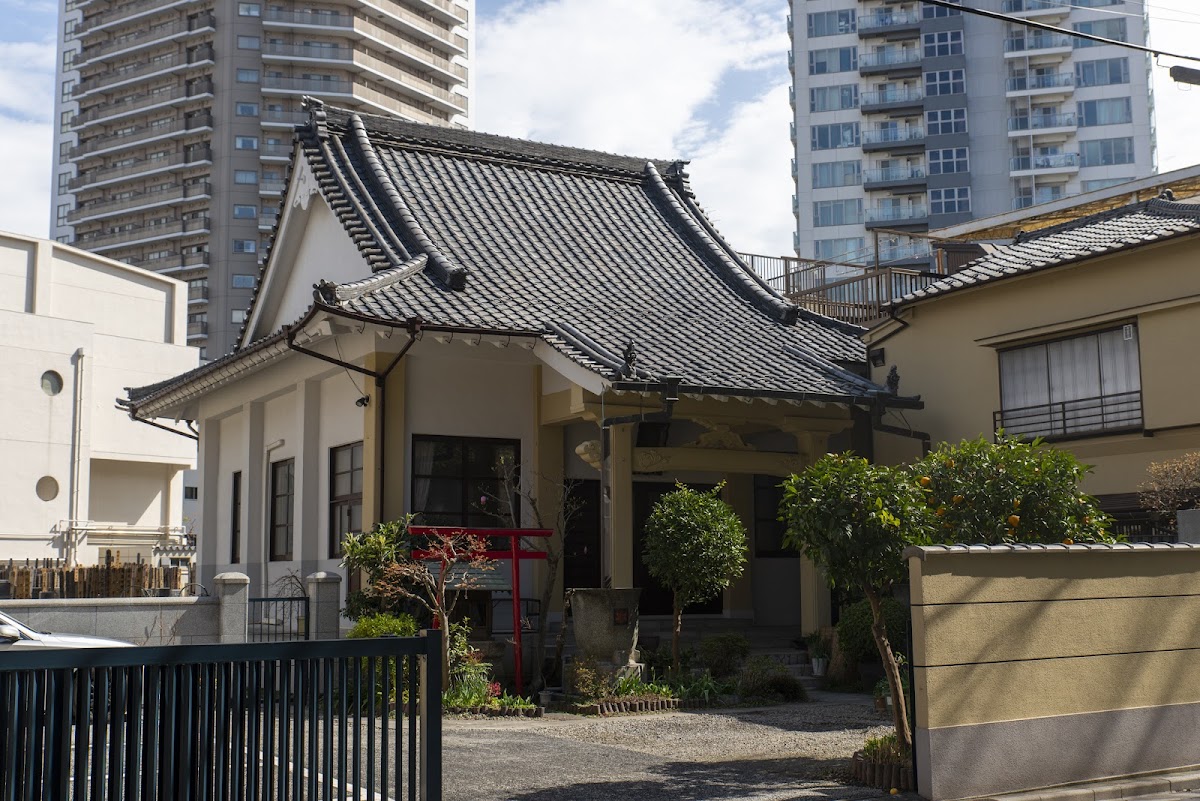
Exit from Ningyocho Station Exit A1, head towards Amazake Yokocho, and you will find the shrine in the residential area of Tomizawa-cho. It is a small shrine quietly nestled in the heart of the city, surrounded by buildings and houses, but the torii gate and shrine building are well-maintained.
Deity and Divine Virtues
Deity: Ukanomitama-no-kami
Ukanomitama-no-kami is the principal deity of Inari shrines, known as the god of grain and the god of business prosperity. Believed to bestow blessings such as abundant harvests, business prosperity, family safety, and good fortune, Tomizawa Inari Shrine has been revered as the guardian deity of the Nihonbashi area, which flourished as a merchant town since the Edo period.
There are said to be approximately 30,000 Inari shrines nationwide, making it the most numerous type of shrine in Japan. Tomizawa Inari Shrine also plays a part in this traditional faith, and even today, many worshippers visit the shrine.
History and Origins of Tomizawa Inari Shrine
Founding and the Tomoe-Kuma Inari Shrine Era
The founding date of Tomizawa Inari Shrine is unknown, but one theory suggests it dates back to the Kenkyu era (1190-1199) in the early Kamakura period. However, there are no clear historical documents to support this date, and it remains in the realm of tradition.
In ancient times, this shrine was called Tomoe-Kuma Inari Shrine. The origin of the unique shrine name “Tomoe Kuma” is unclear, but it is a valuable name that reflects an old form of local belief. It is believed that the shrine attracted the faith of local residents under this name throughout the Edo period.
Changes in the Meiji Era
On January 16, 1873 (Meiji 6), Tomizawa Inari Shrine became a concurrently managed shrine of Kanda Shrine (Kanda Myojin). A concurrently managed shrine is an independent shrine, but one where priests do not reside permanently, and priests from other shrines perform the rituals.
Kanda Shrine was a large shrine known as the guardian shrine of Edo, and it managed many smaller shrines in the surrounding area as concurrently managed shrines. Tomizawa Inari Shrine was incorporated into this system, and from then on, rituals continued under the management of Kanda Shrine.
Merger and Renaming in 1950 (Showa 25)
The most important turning point in the history of Tomizawa Inari Shrine occurred in the autumn of 1950 (Showa 25). At this time, the Inari shrines that had been enshrined in the three towns of Moto-Yayoi-cho, Shin-Osaka-cho, and Moto-Hama-cho were merged into this shrine.
This merger resulted in the shrine being renamed from the former “Tomoe-Kuma Inari Shrine” to Tomizawa Inari Shrine, clearly defining its role as the guardian shrine of the Tomizawa-cho area. This is believed to have been a measure taken to strengthen its function as the center of the local community during the post-war reconstruction period.
Since then, Tomizawa Inari Shrine has been deeply revered by the local residents as the guardian deity of Tomizawa-cho. Even today, it plays a vital role as a spiritual pillar of the community in local festivals and annual events.
Tomizawa Inari Shrine Grounds and Highlights
Torii Gate and Shrine Building
The grounds of Tomizawa Inari Shrine are not particularly large, as they are located in a residential area in the city center, but they are meticulously maintained. A vermilion torii gate stands at the entrance, creating an atmosphere befitting an Inari shrine.
Upon passing through the torii gate, the shrine building immediately comes into view. The shrine is a traditional wooden structure, regularly maintained and in excellent condition. Though small, it exudes a sense of dignity.
Komainu and Fox Statues
A characteristic of Inari shrines is the presence of fox statues instead of the typical guardian lion-dogs (komainu) found at other shrines, or often placed alongside them. At Tomizawa Inari Shrine, you can also see fox statues, symbols of Inari worship.
Foxes are considered messengers of the Inari deity and are worshipped as divine messengers serving Ukanomitama-no-kami. When visiting, be sure to pay attention to these fox statues.
Surrounding Atmosphere
The area around Tomizawa Inari Shrine retains the charm of old Nihonbashi. Nearby are tourist attractions such as Ningyocho and Amazake Yokocho, making it a pleasant place to stroll. The contrast between the tranquil atmosphere of the shrine and the bustling shopping streets is part of the area’s appeal.
Goshuin (Shrine Seal) Information
Regarding the Availability of Goshuin
Currently, there is no clear information regarding the availability of Goshuin at Tomizawa Inari Shrine. Since there are no resident priests at the shrine, it may be difficult to obtain a Goshuin during a regular visit.
There is also no official information confirming whether Kanda Shrine (Kanda Myojin), which is managed by Tomizawa Inari Shrine, handles Goshuin for Tomizawa Inari Shrine. Those wishing to obtain a Goshuin are advised to inquire with Kanda Shrine in advance.
Points to Consider for a Goshuin Pilgrimage
The Nihonbashi area has many shrines besides Tomizawa Inari Shrine. Those who wish to enjoy a Goshuin pilgrimage are advised to visit the following shrines as well:
- Fukutoku Shrine (Mebuki Inari): A historical shrine located in Nihonbashi Muromachi, which also offers Goshuin.
- Shusse Inari Shrine: A shrine associated with the first Ichikawa Danjuro, and is revered by people in the entertainment industry.
- Sanko Inari Shrine: One of the Inari shrines in the Nihonbashi area.
- Kasama Inari Shrine Tokyo Branch: A branch shrine of Kasama Inari Shrine located in Nihonbashi; it also offers Goshuin (shrine seals).
History and Regional Characteristics of Nihonbashi Tomizawa-cho
Origins of Tomizawa-cho
Nihonbashi Tomizawa-cho is a historic town that has existed since the Edo period. It occupies a corner of the Nihonbashi area, which developed as a commercial district of Edo, and flourished as a town where many merchants and craftsmen lived.
There are various theories about the origin of the town name “Tomizawa,” but it has become established as a name symbolizing the wealth and prosperity of the area. Even today, some of the townscape that evokes that history remains.
Surrounding Shrines and Temples
Besides Tomizawa Inari Shrine, many religious facilities are scattered around Tomizawa-cho. Many temples and shrines have existed since the Edo period, conveying the history of the region to the present day.
The area around Ningyocho Station is home to many famous temples and shrines, including Suiten-gu Shrine, Daikannon-ji Temple, and Suehiro Shrine. Visiting these temples and shrines in conjunction with Tomizawa Inari Shrine allows you to experience the rich history and culture of the Nihonbashi area.
Manners and Etiquette for Worship
Basic Worship Etiquette
When visiting Tomizawa Inari Shrine, please observe the following basic etiquette:
- Bow before the Torii Gate: Before entering the shrine grounds, bow before the torii gate.
- Purify yourself at the Water Basin: Because it is a small shrine, there may not be a water basin, but if there is, purify your hands and mouth.
- Offer your offering: Quietly place your offering in the offering box.
- Two Bows, Two Claps, One Bow: Bow deeply twice, clap twice, and finally bow deeply once.
- Bow when leaving the torii gate: When leaving the shrine grounds, turn around and bow towards the torii gate.
Unique worship practices at Inari shrines
At Inari shrines, respect is also shown to the fox statues. Since the foxes are revered as messengers of the gods, it’s a good idea to give a slight bow when you see one.
Tourist attractions around Tomizawa Inari Shrine
Ningyocho and Amazake Yokocho
Ningyocho, within walking distance of Tomizawa Inari Shrine, is a popular tourist spot known for its charming, old-town shopping streets. Amazake Yokocho is lined with long-established Japanese confectionery shops and restaurants, perfect for enjoying a stroll and sampling local food.
Suitengu Shrine
Suitengu Shrine, famous for prayers for safe childbirth, is also within walking distance. A large shrine visited by many worshippers, it presents a contrasting, bustling atmosphere to Tomizawa Inari Shrine.
Nihonbashi area
Nihonbashi itself, Mitsukoshi Department Store, and COREDO Nihonbashi are all nearby, allowing you to enjoy shopping and dining in conjunction with your shrine visit. You can experience a unique atmosphere where long-established businesses dating back to the Edo period coexist with modern commercial facilities.
Annual Events and Festivals
While detailed information on Tomizawa Inari Shrine’s annual events is not publicly available, it is believed that the following events are held, following the general practice of Inari shrines:
Hatsuumasai (First Horse Day of February)
The Hatsuumasai is the most important festival at an Inari shrine. It commemorates the day when Inari Okami descended upon Mount Inari, and attracts many worshippers.
Annual Grand Festival (Autumn)
Many shrines hold their annual grand festivals in the autumn. It is possible that Tomizawa Inari Shrine also holds an annual grand festival as a local festival.
Hatsumode (New Year’s Day)
At the start of the new year, local residents visit the shrine for Hatsumode. Although it is a small shrine, it is a familiar Hatsumode spot for the local people.
The Modern Significance of Tomizawa Inari Shrine
A Sanctuary in the City
In modern Tokyo, small, local shrines like Tomizawa Inari Shrine have become invaluable amidst the wave of urbanization. Surrounded by buildings and residences, it provides a quiet space for prayer and serves as a spiritual anchor for the local community.
The Core of the Community
Shrines are not merely religious institutions; they also function as places where local residents gather and interact. Tomizawa Inari Shrine is a crucial place, the core of the community for the residents of Tomizawa-cho.
The Inheritance of History
With a long history dating back to the Kamakura period, Tomizawa Inari Shrine is a valuable cultural heritage site that conveys the history of the Nihonbashi area. Its history, including the transformation from Tomokuma Inari Shrine to Tomizawa Inari Shrine and the consolidation of three Inari shrines in different towns, tells the story of the region’s transformation itself.
Points to Note When Visiting
Shrine in a Residential Area
Tomizawa Inari Shrine is located in a residential area, so consideration for the surrounding residents is necessary when visiting. Please refrain from speaking loudly or making noise.
Regarding Photography
Photography is generally permitted on the shrine grounds, but please be considerate of the surrounding houses in your photos. Also, please be mindful of the privacy of other visitors.
Visiting Hours
Since there are no resident priests, the shrine is generally open for worship throughout the day. However, it is recommended to avoid early morning and late-night visits and to visit during reasonable hours.
Summary: The Charm of Tomizawa Inari Shrine
Located in Nihonbashi Tomizawa-cho, Chuo-ku, Tokyo, Tomizawa Inari Shrine, though small in scale, is a valuable shrine that conveys a long history dating back to the Kamakura period and a deeply rooted local faith.
The history of Tomizawa Inari Shrine, which began as Tomokuma Inari Shrine and was renamed in 1950 after merging with three other Inari shrines in the same town, tells the story of the region’s transformation and the evolution of people’s faith. With Ukanomitama-no-kami as its enshrined deity, the shrine is still revered by local residents as a place that bestows blessings for business prosperity and family safety.
Its convenient location within walking distance of Ningyocho Station makes it an attractive place to visit in conjunction with a stroll through the Nihonbashi area. While information on Goshuin (shrine stamps) is limited, it is an ideal place to spend a quiet time in prayer.
Why not visit Tomizawa Inari Shrine, nestled quietly amidst the hustle and bustle of the city, and experience its history and faith that has continued since the Edo period? Though a small shrine, it is imbued with traditional Japanese faith and the warmth of a local community.