Complete Guide to Torii Inari Shrines | A Comprehensive Summary of Thousand Torii Gates and Scenic Spots Nationwide
The sight of rows upon rows of vermilion torii gates is a beautiful landscape symbolizing Japanese shrine culture, attracting attention both domestically and internationally. In particular, the thousand torii gates of Inari shrines create a fantastical, otherworldly space, continuing to fascinate many worshippers and tourists. This article thoroughly explains the charm of representative Torii Inari shrines throughout Japan.
The Deep Relationship Between Inari Shrines and Torii Gates
What is an Inari Shrine?
Inari shrines are shrines that enshrine Ukanomitama-no-kami, the deity worshipped as the god of abundant harvests and business prosperity. Its name originates from the phrase “rice ripens,” and it was originally worshipped as a god of agriculture. From the medieval to the early modern period, with the development of commerce, it became widely worshipped as a god of business prosperity and family safety, and it is said that there are currently about 30,000 such shrines throughout Japan.
Why are there so many torii gates at Inari shrines?
The reason why so many torii gates are dedicated at Inari shrines is that they symbolize gratitude for wishes being granted or fulfilled. Since the Edo period, the custom of merchants who prayed for business prosperity donating torii gates as a token of gratitude for their wishes being granted has spread. Torii gates not only mark the entrance to the sacred area, but also function as a testament to the donor’s gratitude and faith.
Fushimi Inari Taisha | The Head Shrine of All Inari Shrines Nationwide
History and Origin
Fushimi Inari Taisha, located in Fushimi Ward, Kyoto City, Kyoto Prefecture, is the head shrine of approximately 30,000 Inari shrines nationwide. Its founding is said to date back to the first day of the horse in February of the 4th year of Wado (711 AD), predating the relocation of the capital to Heian-kyo. For over a thousand years, it has been affectionately known as “O-Inari-san,” and it is a representative tourist spot in Kyoto, attracting many worshippers from both Japan and abroad throughout the year.
The Breathtaking Thousand Torii Gates
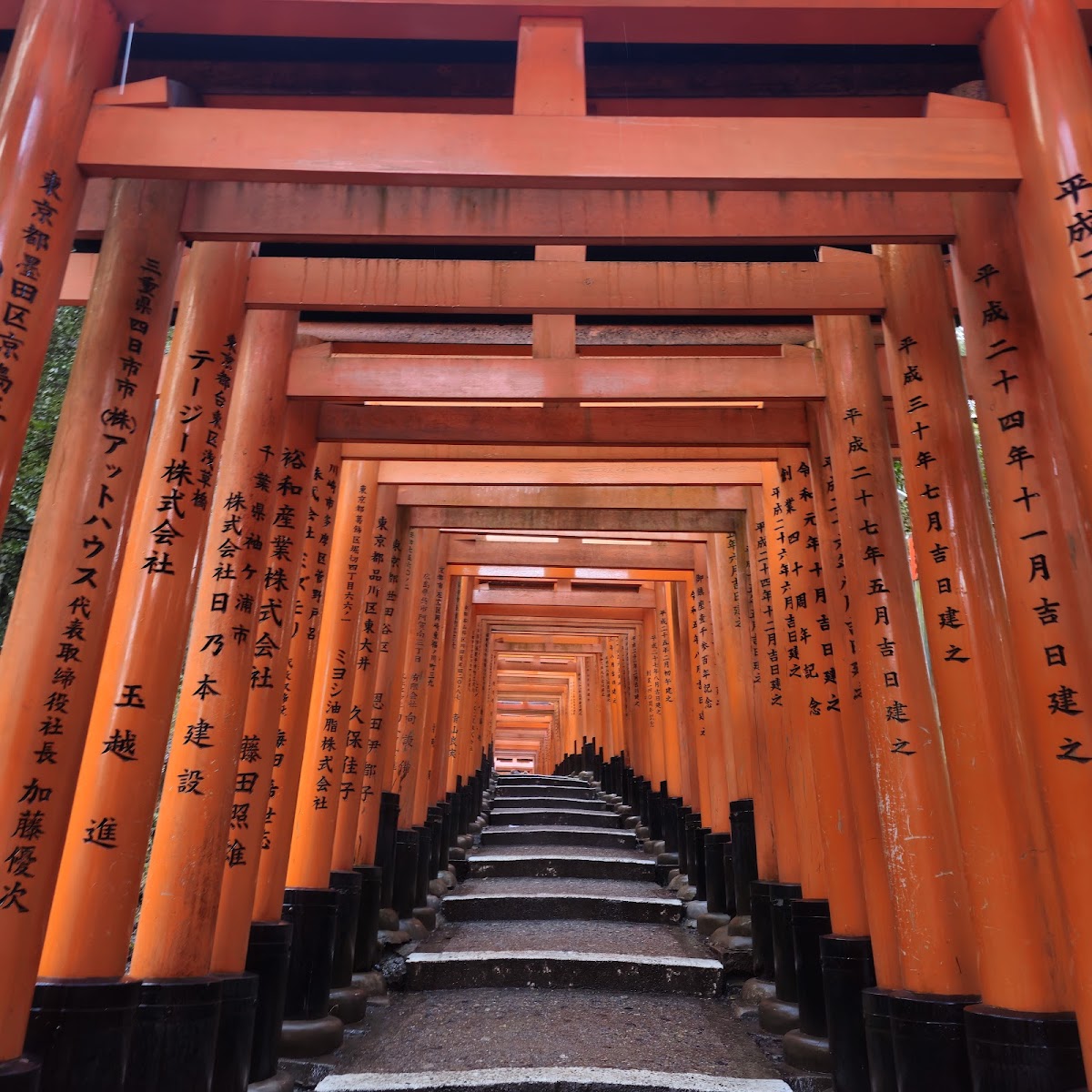
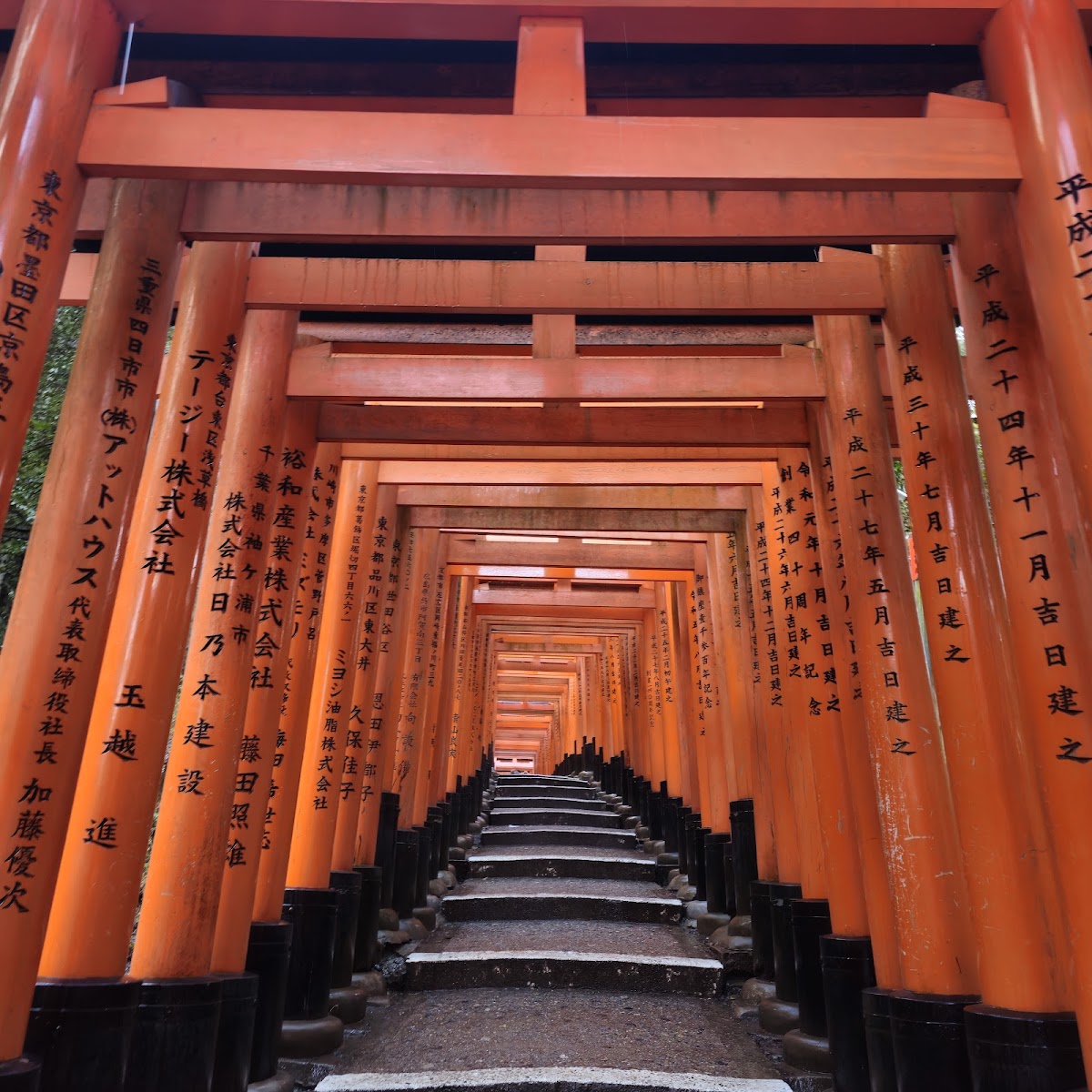
The greatest highlight of Fushimi Inari Taisha Shrine is undoubtedly the Thousand Torii Gates. In reality, approximately 10,000 torii gates line the entire path leading to Mount Inari. The dense clusters of vermilion torii gates on both sides of the path from the main shrine to the inner shrine create a truly breathtaking sight. Walking through this tunnel of torii gates offers a fantastical experience, transporting you to another world.
Points to Note and Time Required for Visiting
The grounds of Fushimi Inari Taisha Shrine are vast, and a round trip to the summit of Mount Inari takes approximately 2-3 hours. If you only wish to enjoy the Thousand Torii Gates, a round trip from the main shrine to the inner shrine takes about 1 hour. Early mornings and evenings are recommended as there are fewer people, allowing for a more peaceful and tranquil visit. The contrast between the vermilion torii gates and the changing seasons is also a highlight.
Access Information
From Kyoto Station, take the JR Nara Line and get off at “Inari Station,” then it’s a short walk. Alternatively, get off at Keihan Railway’s “Fushimi Inari Station” and it’s about a 5-minute walk. Access is very convenient. The shrine grounds are open 24 hours a day, and admission is free.
Takayama Inari Shrine | Aomori’s Spectacular Thousand Torii Gates
An Otherworldly Spot at the Northernmost Tip of Honshu
Takayama Inari Shrine, located in Tsugaru City, Aomori Prefecture, is an Inari shrine known for its thousands of torii gates, situated at the northernmost tip of Honshu. Boasting a beauty comparable to Kyoto’s Fushimi Inari Taisha, the sight of countless vermilion torii gates creates a truly otherworldly and mysterious space.
Unique Torii Gate Arrangement
The most distinctive feature of Takayama Inari Shrine is the unique arrangement of its torii gates, which wind their way across the hillside. The torii gates, strategically placed along the undulating terrain, possess a different charm from those of Fushimi Inari Taisha, and have recently become a popular spot for photography. The view of the thousand torii gates from the hilltop is particularly renowned as a breathtaking sight.
Seasonal Charms
Takayama Inari Shrine displays different expressions in each of the four seasons. Spring brings fresh greenery, summer brings lush green, autumn brings vibrant foliage, and winter brings snowscapes, creating beautiful contrasts between the vermilion torii gates and nature. The snow-covered winter scenery, in particular, is fantastical and captivates many photography enthusiasts.
Access and Tourist Information
The nearest station is Goshogawara Station on the JR Gonō Line, but it’s about a 40-minute drive from there, making public transportation somewhat inconvenient. Renting a car or taking a taxi is recommended. There are also many other tourist spots on the Tsugaru Peninsula in the surrounding area, and combining them into a model itinerary allows for a fulfilling sightseeing experience.
Other Notable Torii Inari Shrines
Koizumi Inari Shrine (Isesaki City, Gunma Prefecture)
Located in Isesaki City, Gunma Prefecture, Koizumi Inari Shrine is a beautiful Inari shrine with approximately 300 torii gates. It boasts one of the largest scales in the Kanto region and is a popular spot for peaceful worship in a tranquil atmosphere. The shrine grounds also feature numerous fox statues, typical of Inari shrines, offering plenty to see.
Fukutoku Inari Shrine (Shimonoseki City, Yamaguchi Prefecture)
Located in Shimonoseki City, Yamaguchi Prefecture, Fukutoku Inari Shrine is affectionately known locally as “Inunaki’s Inari-san.” Besides the beauty of its thousands of torii gates, its auspicious name, Fukutoku (meaning “fortune” and “virtue”), attracts many visitors praying for business prosperity and good fortune. Its convenient location, just a short drive from Toyoura and Kawatana Onsen, is also a major draw.
Yutoku Inari Shrine (Kashima City, Saga Prefecture)
Yutoku Inari Shrine, considered one of Japan’s three great Inari shrines, features numerous torii gates lining the path from the main hall to the mountaintop. The contrast between the magnificent shrine buildings and the vermilion torii gates is beautiful, making it a representative Inari shrine in Kyushu, attracting approximately 3 million visitors annually.
Manners and How to Enjoy Visiting Torii Inari Shrine
Basic Manners
When visiting an Inari shrine, first bow before passing through the torii gates. Walk away from the center of the path, purify your hands and mouth at the water basin, and then proceed to the main hall. Offer your donation and pray using the two bows, two claps, and one bow ritual. When passing through the Senbon Torii (thousand torii gates), it is important to walk quietly with a feeling of gratitude.
Photography Tips
The Senbon Torii is an excellent photo spot, but consideration for other visitors is necessary. Early mornings and weekday mornings are relatively uncrowded, allowing for leisurely photography. To emphasize the row of torii gates, it’s recommended to stand in the center of the gates and use an angle that emphasizes depth. Since the impression changes significantly depending on the lighting, visiting at different times of the day is also a good idea.
Goshuin (Shrine Seals) and Amulets
Many Inari shrines offer goshuin (shrine seals). Bring your goshuincho (seal book) and request one at the reception after your visit. Various amulets are also available, each offering blessings such as business prosperity and family safety. Choosing an amulet that suits your wishes is one of the joys of visiting a shrine.
Recommended Trip to Torii Inari Shrines Across Japan
Suggested Model Course
A trip to Torii Inari shrines across Japan becomes a more fulfilling experience when combined with sightseeing in each region. In Kyoto, a classic course combining Fushimi Inari Taisha Shrine with Kiyomizu-dera Temple and Kinkaku-ji Temple is recommended. In Aomori, a course visiting Takayama Inari Shrine, the Goshogawara Tachineputa Museum, and the Dazai Osamu Memorial Museum “Shayokan” is recommended.
Enjoying the Shrines by Season
Each season offers a different charm: the contrast of cherry blossoms and vermilion torii gates in spring, torii gates amidst fresh greenery in summer, a spectacle of autumn leaves and torii gates in autumn, and a fantastical combination of snowscapes and torii gates in winter. Even the same shrine offers completely different scenery depending on the season.
Utilizing Experience Programs
Some Inari shrines offer special experience programs such as torii gate dedication experiences and guided tours of the grounds by Shinto priests. Advance reservations may be required, so it is recommended to check the official website before visiting. This will be a valuable opportunity to gain a deeper understanding of Inari faith and shrine culture.
Cultural Value of Torii Inari Shrine
Fusion of Faith and Art
The Senbon Torii (thousand torii gates) are not merely a religious site, but can be considered a work of art that fuses Japanese aesthetics and faith. The choice of vermilion color, the arrangement of the torii gates, and the harmony with nature all reflect the Japanese aesthetic sense. In recent years, many tourists from overseas have visited, and it has become globally recognized as a symbol of Japanese culture.
Significance in the Modern Age
In modern society, the Senbon Torii of Inari shrines has become a place of healing for people seeking peace of mind and an extraordinary experience. Thanks to the spread of information on social media, its popularity has spread to younger generations, and traditional shrine culture is being passed down in a new form. Its value continues to grow as a place that meets the needs of modern people seeking not only business prosperity but also spiritual enrichment.
Summary | Experience the Charm of Torii Inari Shrine
The Torii Inari shrines scattered throughout Japan each possess their own unique charm and history. From the majestic beauty of Fushimi Inari Taisha in Kyoto to the breathtaking scenery of Takayama Inari Shrine in Aomori, and the unique Inari shrines throughout Japan, the stunning sights created by vermilion torii gates continue to captivate visitors.
Passing through a thousand torii gates is a truly special experience, like being transported to another world. Beyond praying for business prosperity and family safety, it’s a precious opportunity to experience traditional Japanese culture and aesthetics. Be sure to visit Inari shrines across Japan.
Check access information and visiting etiquette beforehand, and embark on a journey to find your own favorite Inari shrine while enjoying the charm of each season. The fantastical scenery created by the vermilion torii gates will surely be an unforgettable experience deeply etched in your heart.