
Complete Guide to Hozaiin Temple (Hakui City, Ishikawa Prefecture) | A National Important Cultural Property and an Ancient Temple Associated with Zen Master Keizan
Hakusekizan Hozaiin Temple, located in Shirase-cho, Hakui City, Ishikawa Prefecture, is an ancient Soto Zen temple boasting a history of over 700 years. It is the birthplace of Zen Buddhism, first introduced to Noto by Zen Master Keizan Jokin during the Kamakura period, and is also known for housing a Buddhist statue designated as a National Important Cultural Property, created in the mid-Heian period. This article provides a detailed explanation of Hozaiin Temple’s history, cultural properties, highlights, and access information.
History and Origins of Hozaiin Temple
Founding and Zen Master Keizan’s Hermitage
Hozaiin Temple’s founding dates back to the first year of the Showa era (1312). This area is known as the place where Keizan Jokin Zenji, a high-ranking priest of the Soto Zen sect, built his hermitage. Keizan Zenji was a Zen monk who served as the second abbot of Daijoji Temple in Kaga Province and was a pioneer in the propagation of Zen Buddhism in the Noto region.
In 1314 (Showa 1), Meiho Sotetsu, a disciple of Keizan Zenji, formally founded a temple on this site where his master had built his hermitage, marking the beginning of Hozaiin Temple. This made Hozaiin the first Zen training center in Noto, and it developed into a center of local faith and culture.
The White Fox Legend and its Relationship to Yokoji Temple
An interesting legend remains at Hozaiin Temple. It is said that while Keizan Zenji was staying at this hermitage, he was guided by a white fox to the site of Yokoji Temple (present-day Hakui City), where he founded the temple. This legend of the white fox demonstrates the deep connection between Hozaiin and Eikoji temples and tells the story of Zen Master Keizan’s missionary work in Noto.
Eikoji temple remains an important temple of the Soto Zen sect and, along with Hozaiin, is one of the two major centers of Zen culture in Hakui City.
History of Fire and Reconstruction
Hozaiin has experienced several trials since its founding. In particular, it suffered a fire during the Taisho era, destroying many of its buildings. Afterward, reconstruction progressed thanks to the efforts of local parishioners and related parties, leading to its current form.
From the medieval to the early modern period, there was a time of dilapidation due to the changing times, but the precious collection of Buddhist statues, which are temple treasures, were preserved and have been carefully passed down to the present day.
Cultural Properties and Treasures of Hozaiin Temple
Three Kannon Statues Designated as National Important Cultural Properties
The greatest highlight of Hozaiin Temple are the three wooden standing statues of Kannon Bodhisattva, created in the mid-Heian period. These are designated as National Important Cultural Properties and are highly valued as precious Heian period Buddhist statues within Ishikawa Prefecture.
Wooden Standing Statue of Sho Kannon Bodhisattva
The standing statue of Sho Kannon is made using the ichiboku-zukuri technique, a method of carving from a single piece of cypress wood. It exhibits the gentle and elegant expression and flowing drapery characteristic of the mid-Heian period. The statue is approximately 90 centimeters tall and is a valuable work that conveys the high level of skill of the Buddhist sculptors of that time.
Wooden Standing Statue of Batō Kannon Bodhisattva
The standing statue of Batō Kannon is also made from a single piece of cypress wood and is a unique Kannon statue with a wrathful expression. Hayagriva (Horse-Headed Kannon) is one of the Six Kannon and has been worshipped as a Buddha who saves beings in the animal realm. It is characterized by its appearance with a horse’s head on its head and is also revered as a guardian deity of agriculture and horses.
Wooden Eleven-Headed Kannon Bodhisattva Standing Statue
The Eleven-Headed Kannon Bodhisattva standing statue is a Kannon statue with eleven small faces on its head, expressing the Mahayana Buddhist concept of compassion that saves all beings in all directions. This statue is also carved from a single piece of cypress wood and is important as a work that demonstrates the excellent sculptural techniques of the mid-Heian period.
These three Kannon statues are thought to have been created in the same workshop or by the same sculptor, based on their production dates and styles, and are valuable cultural heritage that tells the story of the flourishing Buddhist culture in the Noto region during the Heian period.
Hakui City Designated Cultural Property
In addition to the three Kannon statues designated as National Important Cultural Properties, Hozaiin Temple also possesses temple treasures designated as Hakui City Cultural Properties. These are important historical and religious artifacts for understanding the region’s history and beliefs, and are regularly exhibited and researched.
Principal Image and Jurōson
The principal image of Hōzaiin Temple is Shakyamuni Buddha. As a Sōtō Zen temple, it enshrines Shakyamuni Buddha, the foundation of Zen Buddhism, as its principal image.
Hōzaiin Temple is also known as a temple that enshrines Jurōson, one of the Seven Lucky Gods. Jurōson is worshipped as a god who brings longevity and happiness, and is beloved by the local people.
Architecture and Grounds of Hōzaiin Temple
Distinctive Temple Gate
Hōzaiin Temple’s temple gate is known for its unique structure with a hanging bell. This gate serves as the face of the temple, welcoming visitors and playing an important role as the entrance to the temple grounds. Passing through the gate, one is enveloped in the tranquil atmosphere of a Zen temple.
Main Hall and Other Buildings
The current main hall was rebuilt after a fire during the Taisho era and features a simple yet solemn structure typical of Soto Zen temples. The main hall houses the principal image, Shakyamuni Buddha, where daily religious services are performed.
Besides the main hall, the temple grounds also contain other buildings such as the priest’s quarters (kuri) and guest hall, maintaining its function as a Zen training ground.
View from the Temple Grounds
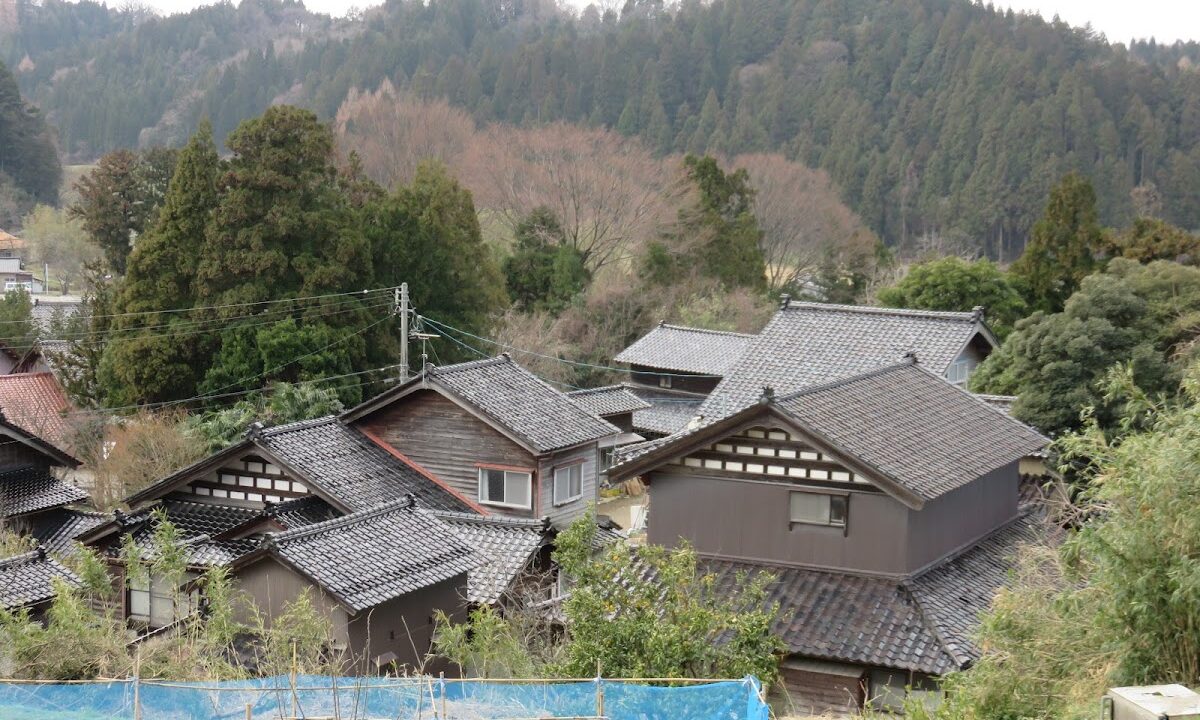
Because Hozaiin Temple is located on a slightly elevated area at the foot of the mountains in Shirose Town, visitors can enjoy a panoramic view of the town of Hakui City and the natural scenery towards the Sea of Japan from the temple grounds. Especially during the seasons of fresh greenery in spring and autumn foliage, visitors can enjoy beautiful scenery, providing peace of mind.
Another Name for Hozaiin Temple: “Hannya-ji”
Hozaiin Temple is also known locally by the nickname “Hannya-ji.” The origin of this name is thought to be based on the teachings of Zen Buddhism, which emphasizes the Heart Sutra, and it has been a familiar name to the local people. For a long time, it has been loved and revered by local residents as “Hannya-ji-san.”
Annual Events and Regular Meetings
Activities as a Soto Zen Temple
Hozai-in, as a Soto Zen temple, holds various Buddhist services and events throughout the year. Focusing on Zen meditation, which is fundamental to Soto Zen, the temple continues its activities to transmit the teachings of Shakyamuni Buddha.
Regular Buddhist Services
Regular Buddhist services are held together with parishioners, including monthly services, spring and autumn equinox services, and Obon (Buddhist festival) services. These services also play a role in strengthening the ties of the local community.
Zen Meditation and Sutra Copying Sessions
Zen meditation and sutra copying sessions are also held for general visitors and local residents, providing opportunities to experience the teachings of Zen. For detailed schedules, we recommend contacting the temple in advance.
About Goshuin (Temple Seals)
Goshuin are available at Hozaiin Temple. Goshuin are popular among many visitors as proof of worship and as a memento of their connection to Buddhism. When requesting a goshuin, it is customary to visit the main hall first and then inquire at the temple office.
The goshuin will have the names “Shiraishiyama” and “Hozaiin” written in ink, and the temple’s seal will be stamped. You can bring your own goshuincho (stamp book) or receive a pre-printed goshuin.
Access and Tourist Information for Hozaiin Temple
Basic Information
- Official Name: Shiraishiyama Hozaiin Temple
- Sect: Soto Zen Buddhism
- Address: 8-ru, Shirase-machi, Hakui City, Ishikawa Prefecture 925-0606
- Phone Number: 0767-26-1065
- Visiting Hours: Generally during the day (Please inquire in advance for details)
- Admission Fee: Free (Special viewing of cultural properties requires reservation and donation)
- Parking: Available
Access by Car
- Approximately 15 minutes from Yanagida IC on the Noto Satoyama Expressway
- Approximately 50 minutes from Kanazawa city via National Route 159
- Approximately 40 minutes by car from Noto Airport
Since it is located at the foot of the mountains in Shirase-machi, it is recommended to enter the address or phone number into your car navigation system.
Access by Public Transportation
It’s about a 10-minute taxi ride from JR Nanao Line’s “Hakui Station.” Since bus service is limited, taking a taxi is the most convenient option when using public transportation.
Nearby Tourist Attractions
When visiting Toyozaiin Temple, it’s recommended to combine your visit with other tourist attractions in Hakui City.
- Eikoji Temple: A renowned Soto Zen temple founded by Zen Master Keizan, with deep ties to Hozaiin Temple.
- Myojoji Temple: The Hokuriku branch temple of the Nichiren sect, home to a five-story pagoda designated as a National Important Cultural Property.
- Keta Taisha Shrine: An ancient shrine known as the Ichinomiya (first-ranked shrine) of Noto.
- Chirihama Nagisa Driveway: Japan’s only tourist attraction where you can drive on the beach.
- Cosmo Isle Hakui: A space science museum.
Summary of Hozaiin Temple’s Highlights
Historical Value
Hozaiin Temple is a historically important temple where Zen Master Keizan brought the Zen style to Noto. Its history of serving as a center of local faith for over 700 years since its founding in the Kamakura period is an indispensable element in discussing Noto’s Buddhist culture.
Cultural Value
The three Kannon statues from the mid-Heian period are among the finest ancient Buddhist statues in Ishikawa Prefecture and hold high artistic historical value. The technique of carving them from a single piece of cypress wood and the elegant forms characteristic of Heian period Buddhist art demonstrate the high level of Buddhist art at that time.
As a Zen Training Center
Even today, as a Soto Zen temple, it maintains its function as a living Zen training center, with zazen (seated meditation) and Buddhist ceremonies being held. The tranquil grounds are worth visiting as a place to escape from daily life and calm the mind.
Natural Environment
Located at the foot of the mountains in Shirase Town, it offers an environment surrounded by abundant nature. Being able to experience the changing seasons while visiting is one of the great attractions of Hozaiin Temple.
Manners and Precautions for Visiting
Please note the following points when visiting Hozaiin Temple.
Basic Manners for Visiting a Temple
- Bow when passing through the temple gate.
- Be quiet within the temple grounds and refrain from loud conversations.
- Visit the main hall before receiving your temple stamp.
- Take photographs only in designated areas (photography of Buddhist statues is generally prohibited).
- Do not damage the plants, trees, or buildings on the temple grounds.
Regarding Viewing Cultural Properties
The three Kannon statues, designated as National Important Cultural Properties, are usually housed in a shrine and may not be directly viewable except during special public viewings. If you wish to view cultural properties during a special viewing, it is recommended to contact the temple in advance to make a reservation.
Regarding Clothing
There are no particularly strict dress code regulations, but clean and modest attire is desirable when visiting a temple. If participating in a Zen meditation session, please choose clothing that allows for easy movement and comfortable leg movement.
Relationship with the Soto Zen Ishikawa Prefecture Office
Toyozaiin Temple is one of the temples belonging to the Soto Zen Ishikawa Prefecture Office. The Ishikawa Prefecture Soto Zen Buddhist Office is an organization that oversees Soto Zen temples in Ishikawa Prefecture, promoting educational activities and cooperation among temples. Due to its historical significance, Hozaiin Temple is particularly noteworthy among the Soto Zen temples in the prefecture.
The Ishikawa Prefecture Soto Zen Buddhist Office website contains information on Soto Zen temples in the prefecture, including Hozaiin Temple, and provides information on each temple’s services and events.
Zen Teachings Presented at Hozaiin Temple
Teachings of Zen Master Keizan
Zen Master Keizan Jokin, the founder of Hozaiin Temple, was a high-ranking monk who embodied the fundamental spirit of Soto Zen: “Shikan Taza,” or “simply and wholeheartedly practicing seated meditation.” While inheriting the teachings of Zen Master Dogen, Zen Master Keizan spread Zen in a way that was more accessible to ordinary people.
Zen in Modern Life
At Hozaiin Temple, we teach the practice of Zen in daily life through Zen meditation sessions and Dharma talks, in order to pass on the teachings of Zen Master Keizan to the modern age. In today’s stressful society, the mental stability achieved through Zen meditation and a Zen way of life are sought after by many people.
The Four Seasons of Hozaiin Temple
Spring at Hozaiin Temple
In spring, cherry blossoms and wildflowers bloom in the temple grounds, and the beautiful season of fresh greenery begins. During the spring equinox, the Higan-e service is held, and many parishioners visit to pay their respects.
Summer at Hozaiin Temple
In summer, the temple grounds are enveloped in deep green, and a cool breeze blows through. During the Obon festival, the Segaki memorial service is held, and many people visit to pay their respects to their ancestors.
Autumn at Hozaiin Temple
In autumn, the temple grounds are colored with autumn leaves, and the most beautiful season arrives. The autumn Higan-e service and the Autumn Grand Festival are held, where people express gratitude for the harvest and pay their respects to their ancestors. ### Winter at Hozaiin Temple
In winter, the temple grounds are covered in snow, creating a tranquil atmosphere. Zen meditation practice in the harsh cold offers a valuable opportunity to experience the rigor of Zen monastic training.
Summary
Hozaiin Temple in Hakui City, Ishikawa Prefecture, is an ancient temple of historical and cultural significance, associated with Zen Master Keizan Jokin and housing precious Buddhist statues from the Heian period. Since its founding in 1312, it has served as a center of Zen culture in Noto for over 700 years.
The three Kannon statues, designated as National Important Cultural Properties, are highly regarded as outstanding examples of Buddhist art from the mid-Heian period and are particularly valuable cultural heritage within Ishikawa Prefecture. Hozaiin Temple offers many attractions, including its connection to Eikoji Temple, which is steeped in the legend of the white fox, its nickname “Hannyaji Temple,” and its continued activity as a Zen training center.
When you visit Hakui City, be sure to stop by Toyozaiin Temple and spend some time in quiet contemplation amidst its 700-year history. Encountering Heian-period Buddhist statues and tracing the footsteps of Zen Master Keizan will surely create lasting memories.


