Unju-ji Temple (Yasugi City, Shimane Prefecture) Complete Guide | History, Highlights, Goshuin (Temple Seal), and Access Information
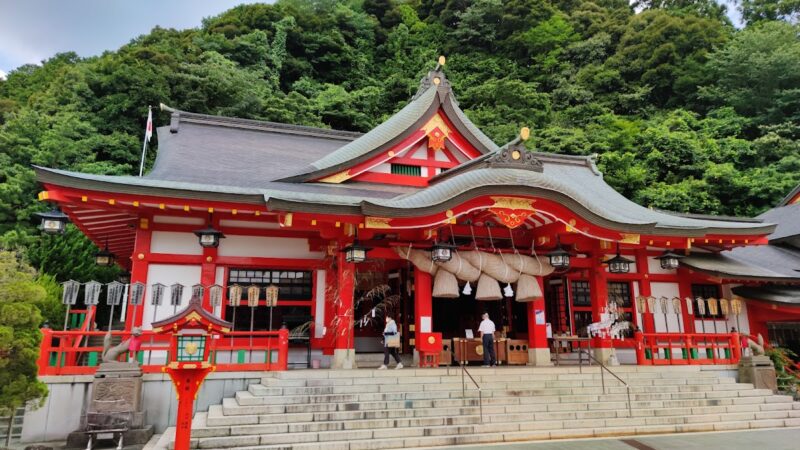
Located in Kiyoi-cho, Yasugi City, Shimane Prefecture, Zuitōzan Unju-ji Temple is a Zen temple of the Myoshin-ji branch of the Rinzai school, founded in 1322 (Genkō 2) during the late Kamakura period. It flourished as an imperial temple of Emperor Go-Daigo and possesses several nationally important cultural properties, making it a historically valuable temple. In recent years, however, its heart-shaped shoji screens, beautiful gardens, and photogenic grounds have made it a popular destination for many visitors.
This article comprehensively covers everything you need to know before visiting Unju-ji Temple, from its history and highlights to goshuin (temple seals) and access information.
History and Origins of Unju-ji Temple
Founding and Zen Master Kohō Kakumei
Unju-ji Temple was founded in 1322 (Genkō 2) or 1323 by Zen Master Kohō Kakumei. Zen Master Kohō Kakumei was a rare and renowned monk who held the title of National Teacher twice: “Kokusai” from Emperor Go-Daigo and “Sankō” from Emperor Go-Murakami. It is known as one of the oldest Zen temples in the Izumo region.
The Zen Master is known for passing on his Dharma to Emperor Go-Daigo, who was exiled to Oki Island, and for assisting in the overthrow of the Kamakura Shogunate. For this achievement, the Emperor bestowed upon him the plaque “Tenchō Unju Kōshō Zen-ji” and the National Teacher title “Kokusai,” making Unju-ji Temple an imperial prayer temple of both Emperor Go-Daigo and Emperor Go-Murakami.
A History of Glory and Reconstruction
The former Unju-ji Temple was a large temple complex with seven main halls and 20 sub-temples. However, a fire at the end of the Edo period destroyed all of its buildings except for the main gate (four-legged gate). Many of the current buildings are reconstructions.
Throughout its long history of over 700 years, times have changed dramatically, and culture and lifestyles have evolved, but people have always visited this place, seeking answers and hoping to escape suffering, sorrow, and worries. That spirit still lives on at Unju-ji Temple.
Highlights and Attractions of Unju-ji Temple
National Important Cultural Property: Four-Legged Gate
Standing midway along the pine-lined approach to the temple, the four-legged gate is a magnificent structure with a gabled roof and tiled roof, designated as a National Important Cultural Property. It is a valuable building that retains its original appearance and is an important cultural heritage that conveys the history of Unju-ji Temple to the present day.
Walking along the approach to the temple and passing through this gate, you’ll feel as if you’ve traveled back in time 700 years.
National Important Cultural Property: Korean Bronze Bell
The Korean Bronze Bell owned by Unju-sa Temple is also a national important cultural property. This bell has high historical and artistic value and holds a particularly important position among the cultural properties of Unju-sa Temple.
Heart-Shaped Shoji Screen: A Power Spot for Romantic Success
In recent years, the most attention-grabbing feature of Unju-sa Temple has been the heart-shaped shoji screen. Located inside the main hall, this adorable heart-shaped screen has become a popular spot often used for pre-wedding photoshoots.
Because it’s so photogenic for social media, many visitors, especially younger generations, come to the temple, and it has become known as a place to pray for romantic success and matchmaking. The presence of such a charming element within the solemn atmosphere of a Zen temple is one of Unju-sa Temple’s attractions.
Breathtaking Dragon Ceiling Painting
The ceiling of the main hall features a magnificent dragon ceiling painting. This dragon is incredibly impressive, a meticulously detailed work of art that captivates many visitors.
In Buddhism, dragons are considered guardian deities, and this ceiling painting can be said to symbolize the spirituality and artistry of Unju-ji Temple.
10,000-Tsubo Dry Landscape Garden
The 10,000-tsubo dry landscape garden spread out behind the abbot’s quarters is one of Unju-ji Temple’s greatest attractions. This vast garden is a tranquil space that expresses the spirit of Zen, and visitors can enjoy the scenery of each season.
Due to the beauty of the garden, Unju-ji Temple is also known by nicknames such as “Azalea Temple” and “Azalea Temple.”
Breathtaking Azaleas in May: Seasonal Stunning Scenery
Hundreds of azalea plants are planted in Unju-ji Temple’s garden, and the azaleas that bloom in May are a breathtaking sight. The sight of the azaleas in various colors such as red, pink, and white blooming all at once is truly worthy of being called a spectacular view.
Beyond the azalea season, the temple grounds display different expressions with each season—the fresh green of spring, the deep green of summer, the vibrant autumn foliage, and the snowy landscape of winter—offering new discoveries with every visit.
Daruma Fortune Slips and Calligraphy Performance
The temple grounds feature adorable Daruma fortune slips, which you can draw as a memento of your visit. A fortune slip is contained within a small Daruma doll, and you can take the Daruma home after drawing.
In addition, Unju-ji Temple displays calligraphy performance works, whose powerful brushstrokes further enhance the atmosphere of the temple grounds.
The Masterful Speaker
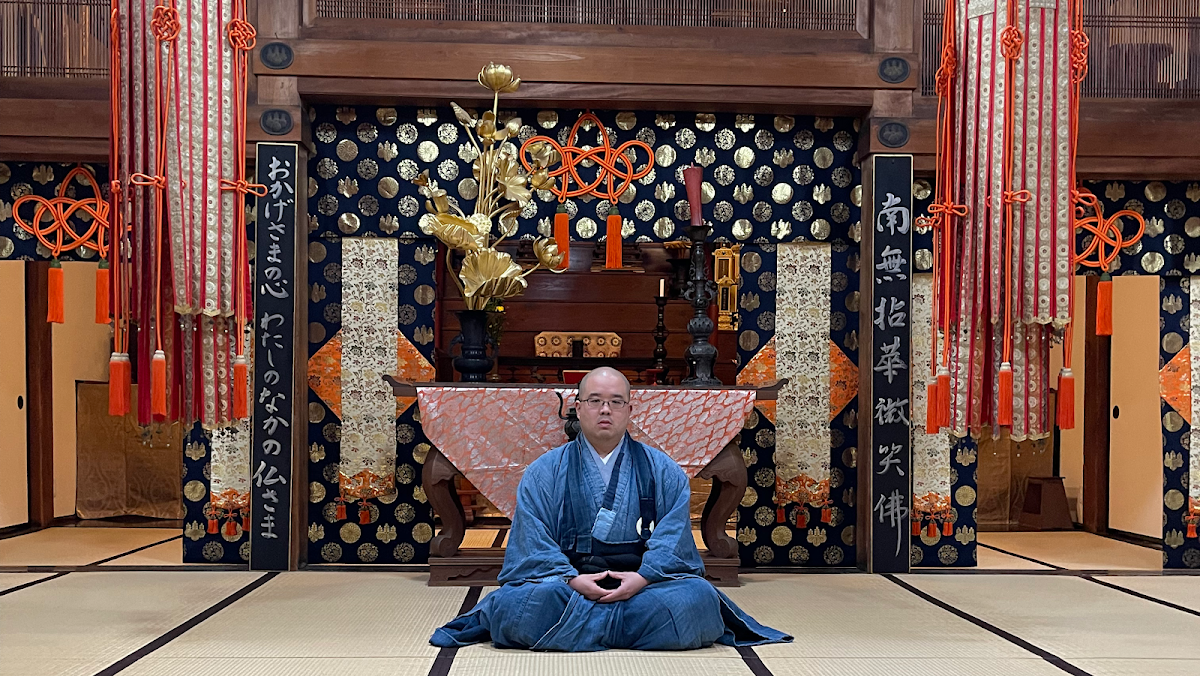
The Master Speaker (Daigo Koji) of Unju-ji Temple is known for his excellent storytelling. He explains Zen teachings and the history of Unju-ji Temple in an easy-to-understand way, sometimes with humor.
A conversation with the master speaker will bring deep learning and insights that cannot be gained through mere sightseeing. When you visit, be sure to listen to the master speaker’s stories. ## Goshuin Information
At Unju-ji Temple, you can receive a Goshuin (temple stamp). A Goshuin is proof of visiting a temple and is a popular item with many collectors.
Unju-ji Temple’s Goshuin features a beautifully harmonious design of ink calligraphy and red stamp, making it a perfect memento of your visit. Please bring your Goshuincho (stamp book) and try to get one.
When receiving a Goshuin, please complete your prayers at the main hall before speaking to the reception. The Goshuin fee is generally around 300 yen, but it is recommended to confirm the price upon your visit.
Access Information
Location
281 Kiyoi-cho, Yasugi City, Shimane Prefecture 692-0207
Access by Car
- Approximately 15 minutes from Yasugi IC on the San’in Expressway
- Approximately 30 minutes from Yonago IC on the Yonago Expressway
- Parking: Available (Free)
The temple grounds have a parking lot for visitors, making access by car convenient.
Access by Public Transportation
- Approximately 15 minutes by taxi from Yasugi Station on the JR San’in Main Line
- Buses are also available from Yasugi Station on the JR San’in Main Line (limited number of buses, so advance confirmation is recommended)
If using public transportation, taking a taxi is the most reliable option.
Nearby Tourist Attractions
When visiting Unju-ji Temple, we recommend also visiting nearby tourist attractions.
- Adachi Museum of Art: A museum known for having the best garden in Japan (approx. 10 minutes by car)
- Gassan Tomita Castle Ruins: Ruins of a mountain castle from the Sengoku period (approx. 15 minutes by car)
- Kiyomizu-dera Temple: A temple in Yasugi City known for warding off evil (approx. 10 minutes by car)
The Yasugi and Okuizumo area has many shrines and temples, and is a place where you can feel history and nature.
Visiting Information
Visiting Hours
Generally, it is around 9:00 to 17:00, but this may vary depending on the season and events. It is recommended to check the official website or call before visiting.
Admission Fee
Normally, it is free or a voluntary donation (whatever you feel is appropriate), but a fee may be set during special viewings.
Contact Information
Official Website: https://unjuji.com/
It is recommended to check the latest information before visiting.
How to Enjoy Unju-ji Temple and Recommended Points
Best Photo Spots
- Heart-shaped Shoji Screen: Photography is permitted inside the main hall (please observe proper etiquette).
- Four-legged Gate and Pine Tree-lined Avenue: The view from the approach to the temple is spectacular.
- Dry Landscape Garden: A garden that shows different expressions with each season.
- Azalea Season (May): The contrast between the colorful azaleas and the temple grounds is breathtaking.
Best Season to Visit
- May: Azaleas are in full bloom, offering the most spectacular scenery.
- Spring (April): Season of fresh greenery and cherry blossoms.
- Autumn (November): Season of beautiful autumn leaves.
- Winter: The tranquil temple grounds in a snowy landscape also have a unique charm.
Manners When Visiting
- The temple grounds are a sacred place. Please be careful not to speak loudly or run around.
- Take photographs only in designated areas and be considerate of other visitors.
- Please take your trash with you.
- Please do not touch the buildings or cultural artifacts.
Cultural Value and Modern Significance of Unju-ji Temple
Unju-ji Temple is not merely a tourist spot, but an important cultural heritage site that has functioned as a spiritual pillar of the region for over 700 years.
The four-legged gate and the Korean bronze bell, both designated as important national cultural properties, are valuable artifacts that convey Japanese history and culture to the present day, and it is our responsibility as modern people to preserve and pass them on.
At the same time, by incorporating modern elements such as heart-shaped shoji screens and calligraphy performance works, the temple has become more approachable to younger generations. This balance of tradition and innovation is the reason why Unju-ji Temple is loved by so many people.
Nearby Accommodation and Dining Information
Recommended Accommodations
There are accommodations near Unju-ji Temple in Yasugi City and Yonago City.
- Saginoyu Onsen: A hot spring resort adjacent to the Adachi Museum of Art
- Hotels in Yonago City: A wide variety of options from business hotels to traditional hot spring inns
- Tamatsukuri Onsen: A representative hot spring resort of Shimane Prefecture, just a short trip away
Local Gourmet Information
- Loach Cuisine: A specialty of Yasugi City
- Izumo Soba: A representative local dish of Shimane Prefecture
- Japanese Sweets: Enjoy traditional Japanese sweets at local confectionery shops
Summary: Unjuji Temple is a special place full of history and charm
Unjuji Temple in Yasugi City, Shimane Prefecture, is a historic Zen temple founded in 1322, yet it is a unique temple that also possesses elements that captivate modern visitors, such as heart-shaped shoji screens and a beautiful garden.
It boasts historically valuable cultural assets such as the four-legged gate and Korean bronze bell, which are important national cultural properties, as well as the breathtaking azaleas that bloom in May, a 10,000-tsubo dry landscape garden, and the warm welcome of the head priest. All of these reasons make a visit to Unju-ji Temple worthwhile.
When you visit the Yasugi/Okuizumo area, be sure to stop by Unju-ji Temple. In its grounds, steeped in 700 years of history, you can spend time quietly reflecting on yourself.
The ever-changing scenery with each season, the tranquility that permeates the temple grounds, and the experience of encountering Zen teachings will help you forget the hustle and bustle of everyday life and bring you new insights.