Complete Guide to Utou Shrine (Aomori Prefecture, Aomori City) | History and Blessings at the Birthplace of Aomori City
Utou Shrine, located in Yasukata, Aomori City, Aomori Prefecture, is a historically significant shrine known as the birthplace of Aomori City. It enshrines the three Munakata goddesses as its main deities and has long been revered by local people as a god of safe voyages, family safety, traffic safety, and business prosperity. This article comprehensively introduces information useful for visiting Utou Shrine, including its history, enshrined deities, blessings, highlights of the grounds, prayers, offerings, weddings, and access information.
History and Origins of Utou Shrine
Origin of its Founding and Utou Chunagon Yasukata
The founding of Utou Shrine dates back to the reign of Emperor Ingyo, the 19th emperor. At the time, a man named Utou Chunagon Yasukata, who was living in seclusion in Sotogahama after being displeased with the Emperor, was inspired by a divine dream of Takakura Myojin and built a small shrine on the tidal flats, enshrining the three Munakata goddesses. This is said to be the origin of the shrine.
When Utou Chunagon Yasukata ruled this area, present-day Aomori City was called “Utou Village,” and the enshrinement of the three Munakata goddesses, children of Amaterasu Omikami, the principal deity of Japan, marked the beginning of Utou Shrine. Due to this historical background, Utou Shrine is still cherished today as the birthplace of Aomori City.
Reconstruction by Sakanoue no Tamuramaro
After its founding, Utou Shrine fell into disrepair for a time, but it is said to have been rebuilt in 807 AD by Sakanoue no Tamuramaro during his eastern expedition against the eastern barbarians. Sakanoue no Tamuramaro is known as a military commander of the early Heian period and played a significant role in pacifying the Tohoku region. His reconstruction led to the resurgence of Utou Shrine as an important center of faith in the Tohoku region.
From the Edo Period to the Present
In 1641 (Kanei 18), it became a place of prayer for the Tsugaru Domain and the general guardian shrine of Aomori Prefecture, receiving deep reverence from successive feudal lords. In 1873 (Meiji 6), it was elevated to a prefectural shrine, establishing its position as a representative shrine of Aomori Prefecture. Since then, it has continued to attract the deep faith of the people of this region as a god of family safety, traffic safety, and business prosperity.
Deities and Blessings
Main Deities: Munakata Three Goddesses
The main deities of Utou Shrine are the Munakata Three Goddesses, children of Amaterasu Omikami.
- Ichikishima-hime no Mikoto
- Tagitsu-hime no Mikoto
- Tagiri-hime no Mikoto
The Munakata Three Goddesses have been worshipped since ancient times as goddesses of the sea and safe voyages, and have attracted particularly fervent devotion from people involved in maritime transport and fishing. Considering Aomori’s history as a port town facing the sea, the enshrinement of these deities is highly significant.
Other Deities
In addition to the Munakata Three Goddesses, the following deities are also enshrined:
- Ukanomitama-no-Mikoto: God of abundant harvests and business prosperity
- Miyabi-no-Mikoto
- Sarutahiko-no-Mikoto: God of opening roads and traffic safety
- Watatsumi-no-Okami: God of the sea
Through these deities, Utou Shrine is revered as a shrine that brings a variety of blessings.
Main Blessings of Utou Shrine
Utou Shrine is believed to offer the following blessings:
- Safe Navigation and Maritime Safety: Divine Virtue of the Munakata Three Goddesses
- Traffic Safety: Divine Virtue of Sarutahiko-no-Mikoto for Opening Paths
- Family Safety: Protecting the Region as the Guardian Shrine of Aomori
- Business Prosperity: Divine Virtue of Ukanomitama-no-Mikoto
- Matchmaking: Divine Virtue of the Munakata Three Goddesses
- Exorcism and Good Fortune: Comprehensive Divine Virtues
Highlights of the Shrine Grounds
Worship Hall and Main Shrine
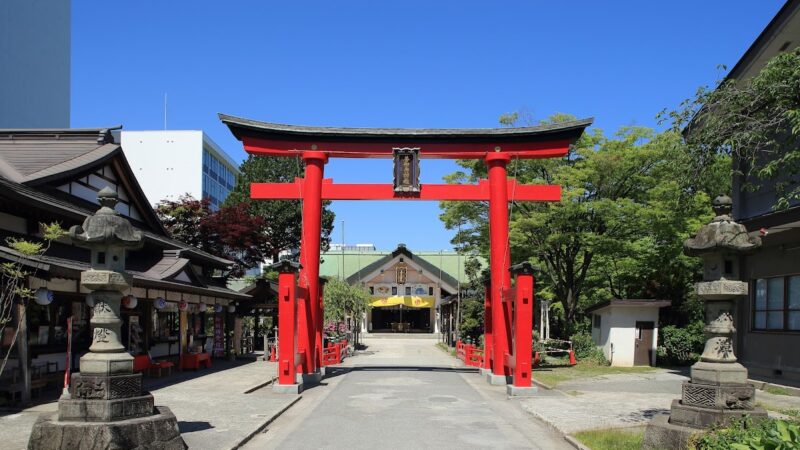
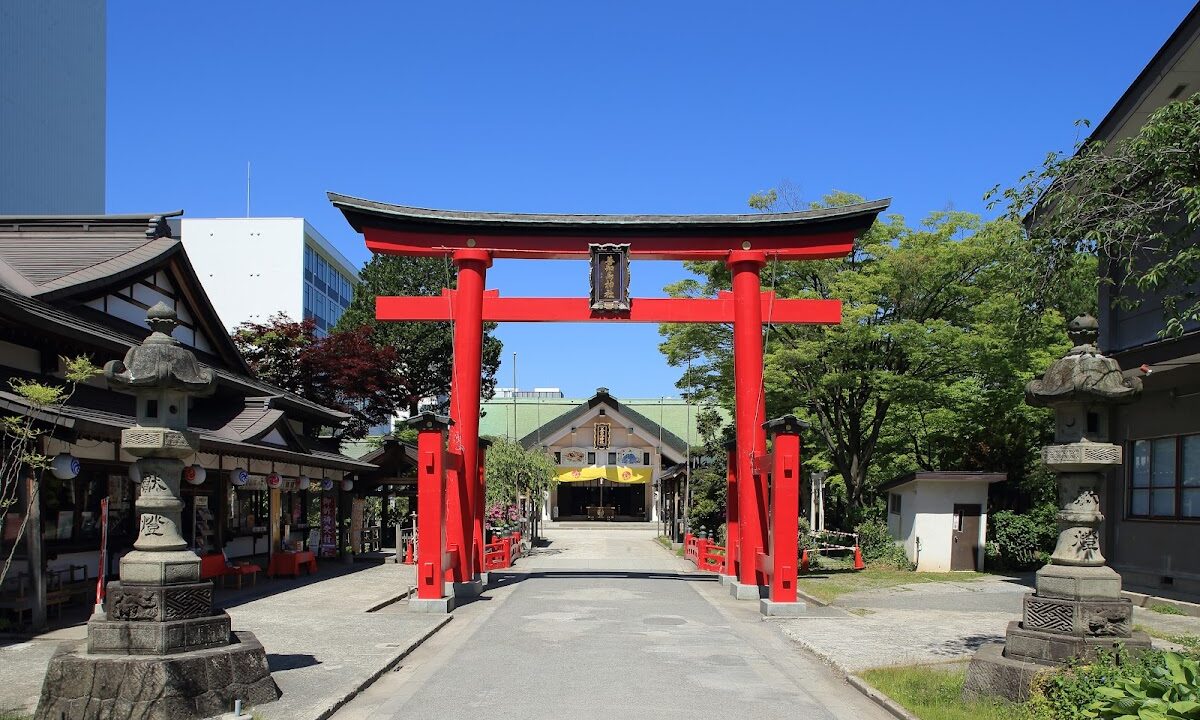
The worship hall of Utou Shrine is a traditional shrine building that exudes a solemn atmosphere. Worshippers pray at the worship hall using the ritual of two bows, two claps, and one bow. The main shrine is located behind the worship hall and enshrines the deities. The entire shrine grounds are enveloped in silence, providing a space where one can forget the hustle and bustle of the city and pray in peace.
Ryujin-sui (Power Spot)
The spring water “Ryujin-sui” located behind the main hall is known as a representative power spot of Utou Shrine. This Ryujin-sui has long been revered by people involved in water-related work and businesses, and has been cherished as a place where “divine blessings spring forth.”
The pure water of Ryujin-sui is said to bestow clean energy upon visitors. When visiting the shrine, we highly recommend stopping by Ryujin-sui to receive its power.
Utou Marsh
Within the shrine grounds is a marsh that remains from a large lake. This Utou Marsh is a valuable historical site that conveys to the present day that Aomori City was once a waterside area. The red bridge spanning the marsh is a popular photo spot, offering beautiful scenery throughout the seasons.
The area around the marsh has a quiet and peaceful atmosphere, creating a solemn space that evokes a sense of history. The scenery is particularly beautiful during the seasons of fresh greenery and autumn leaves.
Shrine Grounds and Monuments
Within the grounds of Utou Shrine, several smaller shrines and historical monuments are scattered. These tell the story of the shrine’s long history, and by taking your time to explore the grounds, you can more deeply appreciate the charm of Utou Shrine.
About Prayers
Prayer Reception Hours and Types
Utou Shrine accepts various types of prayers. The shrine office is open from 9:00 to 17:00, and prayer requests are accepted until 16:00.
Main types of prayers:
- Family Safety: Prayers for the health and peace of the family
- Traffic Safety: Prayers for the blessing of vehicles and safe driving
- Business Prosperity: Prayers for the development and prosperity of business
- Exorcism: Prayers for warding off evil during unlucky years
- Safe Childbirth: Prayers for the health of mother and child and for a safe delivery
- First Shrine Visit: Prayers for the healthy growth of the baby
- Shichi-Go-San: Prayers for the growth of a child and for future health
- Prayers for Success: Prayers for success in exams and tests
- Recovery from Illness: Prayers for recovery from illness
Prayer Procedure
- Register at the shrine office (fill out the application form)
- Pay the offering fee
- Prayers are performed by a Shinto priest in the main hall
- You will receive a talisman or amulet
If you wish to have prayers performed, we recommend contacting us by phone in advance. Waiting times may occur, especially during peak seasons such as Shichi-Go-San (a traditional Japanese rite of passage for children) and New Year’s visits.
Items Offered (Amulets and Goshuin Stamps)
Utou Amulets
At Utou Shrine, amulets featuring the Utou bird, from which the shrine derives its name, are particularly popular. The Utou is a type of seabird, and it is known as a symbol of the bond between parent and child, as the parent bird calls “Utou” and the chicks respond with “Yasukata.”
These charmingly designed amulets are popular as souvenirs, and various types are available, including those for traffic safety, family safety, and matchmaking.
Other Items Offered
- Traffic Safety Sticker: A traffic safety charm to be placed on your car.
- Academic Success Charm: Popular with students taking exams.
- Exorcism Charm: For those in their unlucky year.
- Health Charm: For recovery from illness and maintaining good health.
- Ema (votive tablet): For writing wishes and offering them.
- Goshinfuda (amulet): For enshrining on the household altar.
Goshuin (Shrine Seal)
At Utou Shrine, you can receive a Goshuin. Shrine maidens will handle the Goshuin application. You can take your time to pray while waiting for your Goshuin.
If you don’t have a Goshuincho (stamp book), Utou Shrine offers its own original Goshuincho, which is also recommended. Goshuin are available from 9:00 AM to 5:00 PM, when the shrine office is open.
About Weddings
The Charm of Shinto Weddings
At Utou Shrine, you can have a traditional Shinto wedding ceremony. Holding a solemn wedding ceremony at Utou Shrine, steeped in the history of Aomori City, is a fitting choice for a significant milestone in life.
A Shinto wedding ceremony is a traditional Japanese marriage ritual, a sacred ceremony where the couple exchanges vows before the gods. A ceremony in traditional Japanese attire such as a white kimono or colorful kimono is highly formal and makes for stunning photographs.
Wedding Details
Those wishing to hold a wedding ceremony at Utou Shrine must contact the shrine in advance to discuss dates and details. The ceremony fee does not include attire or a photographer, so these must be arranged separately.
The shrine may be able to introduce you to affiliated clothing stores and photography studios, so it is recommended to inquire first.
About Shinto Funerals
Utou Shrine also performs Shinto funeral rites. Shinto funeral rites are unique Shinto funeral rituals in which the deceased’s spirit is enshrined as a guardian deity of the family.
Those wishing to have a Shinto funeral service must consult with the shrine in advance. The Shinto priest will carefully explain the details and flow of the ceremony.
Annual Events and Festivals
Main Annual Events
At Utou Shrine, various festivals and events are held throughout the year.
- Hatsumode (January 1st-3rd): Praying for safety and peace in the new year
- Setsubun Festival (around February 3rd): Driving away evil spirits with bean-throwing
- Spring Equinox Doll Memorial Service: Commemorating cherished dolls
- Annual Grand Festival: The most important festival at the shrine
- Shichi-Go-San (November): Celebrating the growth of children
- Great Purification Ceremony (June and December): Purifying oneself of sins and impurities accumulated over the past six months
Doll Memorial Service
At Utou Shrine, a doll memorial service is held on the spring equinox. Shrines offer a respectful memorial service for dolls that are lying dormant somewhere in your home, dolls you can’t bring yourself to throw away, or dolls filled with memories.
Having a memorial service for dolls you’ve cherished for many years, with gratitude in mind, can bring closure to the owner’s heart. Those wishing to have a doll memorial service should contact the shrine in advance to confirm the application process and fees.
Access and Visiting Information
Location
Utou Shrine
2-7-18 Yasukata, Aomori City, Aomori Prefecture 030-0803
Access Methods
Access by Train
- Approximately 10 minutes on foot from JR Aomori Station
- Although it’s a short walk from the station, its location in the heart of Aomori City makes it easily accessible for tourists.
Access by Car
- Approximately 15 minutes from the Aomori Chuo Interchange on the Aomori Expressway
- Parking available (for visitors)
From the Aomori Bay Area
- Within walking distance of ASPAM (Aomori Prefectural Tourism and Product Center)
- Convenient for combining a visit with sightseeing around Aomori Port
Visiting Hours
- Visiting Hours: Open 24 hours
- Shrine Office/Gift Shop Hours: 9:00 AM – 5:00 PM
- Prayer Reception Hours: 9:00 AM – 4:00 PM
While the shrine grounds are open 24 hours, please note that during the hours the shrine office is closed, you cannot receive Goshuin (shrine stamps), amulets, or request prayers.
Admission Fee
Admission is free. A donation is required for prayers.
Nearby Tourist Attractions
ASPAM (Aomori Prefecture Tourism and Product Center)
Within walking distance of Utou Shrine, ASPAM is a facility showcasing Aomori Prefecture’s tourism information and local products. The observation deck offers panoramic views of Aomori city and Aomori Bay, making it ideal for souvenir shopping.
Aomori Bay Area
The bay area around Aomori Port is home to facilities where you can learn about Aomori’s history and culture, such as Nebuta no Ie Wa-Rasse and the Seikan Ferry Memorial Ship Hakkoda Maru. You can enjoy Aomori sightseeing in conjunction with your visit to Utou Shrine.
Central Shopping District of Aomori City
The central shopping district of Aomori City stretches out around Utou Shrine, offering a wide variety of restaurants and shops. Enjoying Aomori’s local cuisine after your visit is highly recommended.
Information Dissemination on Social Media
Utou Shrine disseminates the latest information through its official social media accounts.
The official Instagram account (@utoujinja) posts seasonal scenery of the shrine grounds, event photos, and announcements. It showcases the shrine’s charm with beautiful photographs, and following the account allows you to check for the latest information.
Other Social Media
Information is also disseminated through Twitter, Facebook, and blogs, allowing you to check for the latest information before your visit. In particular, dates for festivals and special events, as well as any temporary changes, are often announced on social media, so checking before your visit is recommended.
Origin of the Name of Utou Shrine
The unusual name “Utou” originates from the “Utou,” a type of seabird. The Rhinoceros Auklet (Utou) is a seabird that inhabits the coasts of Hokkaido and the Tohoku region. Because the parent bird calls “utou” and the chick responds with “yasukata,” it has long been cherished as a symbol of parental love.
It is believed that the shrine was named “Utou Shrine” because the name of the Utou (a type of rhinoceros auklet) is similar to the name of Utou Chunagon Yasukata (a famous rhinoceros auklet).
Manners and Etiquette for Visiting a Shrine
How to Pass Through the Torii Gate
The torii gate of a shrine is the boundary separating the sacred realm from the secular world. Before passing through the torii gate, bow once, and walk along the edge of the path, avoiding the center (the center is considered the path of the gods).
Proper Ritual for Washing Hands
- Take the ladle with your right hand and wash your left hand.
- Switch the ladle to your left hand and wash your right hand.
- Switch the ladle back to your right hand, receive water in your left hand, and rinse your mouth.
- Wash your left hand again.
- Hold the ladle upright, wash the handle, and return it to its original position.
Proper Ritual for Worshiping at the Main Hall
- Bow slightly before the offering box.
- Gently place your offering in the box.
- Ring the bell (if present).
- Two bows, two claps, one bow.
- Bow deeply twice.
- Clap your hands twice at chest height.
- Pray sincerely.
- Bow deeply once.
Summary
Utou Shrine is a historical and traditional shrine located in Yasukata, Aomori City, Aomori Prefecture. As the birthplace of Aomori City and the guardian shrine of Aomori, it has attracted the faith of local people throughout its long history.
The shrine enshrines the three Munakata goddesses as its main deities and is visited by many people with various wishes, as it offers a wide range of blessings, including safe voyages, safe travels, family safety, and business prosperity. The Ryujin-sui (Dragon God Water) within the shrine grounds is known as a power spot, and Utou Marsh exudes a solemn atmosphere that evokes a sense of history.
Its convenient location, just a 10-minute walk from JR Aomori Station, is also a major draw, making it a must-visit spot during Aomori sightseeing. The shrine’s goshuin (stamped seal) and adorable Utou amulets are popular souvenirs of the visit.
For important life events or when making important wishes, such as weddings, prayers, or doll memorial services, why not offer your prayers to the gods at Utou Shrine? Utou Shrine, where you can feel the history and culture of Aomori while praying in peace, is a special place that offers solace and strength to its visitors.