Complete Guide to Wakamiya Shrine (Fuefuki City, Yamanashi Prefecture) | The Charm and Access Information of the Historic Koyama Wakamiya Shrine in Sakaigawa-cho
Koyama Wakamiya Shrine, located in Sakaigawa-cho, Fuefuki City, Yamanashi Prefecture, is known as a historical shrine where a prayer for victory from Lord Takeda Shingen was dedicated. With its vermilion torii gate, giant trees designated as natural monuments, and breathtaking views overlooking the Kofu Basin, it is one of Fuefuki City’s representative shrines, captivating visitors.
This article provides a detailed introduction to Koyama Wakamiya Shrine, from its historical background to its highlights within the grounds, access methods, and surrounding tourist information.
What is Koyama Wakamiya Shrine?
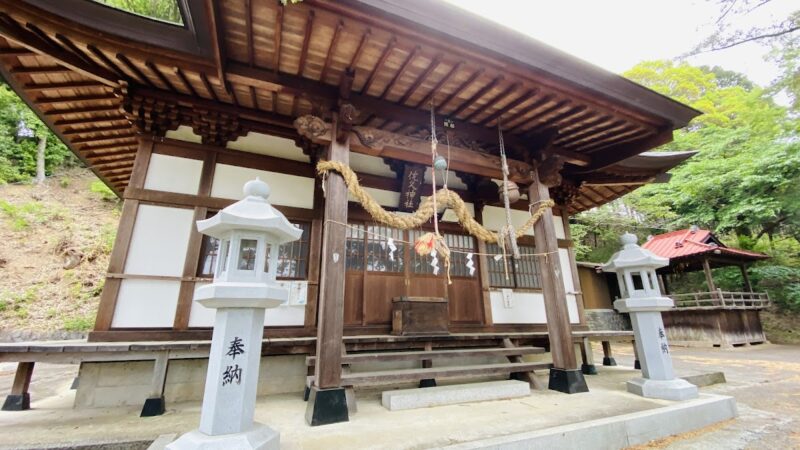
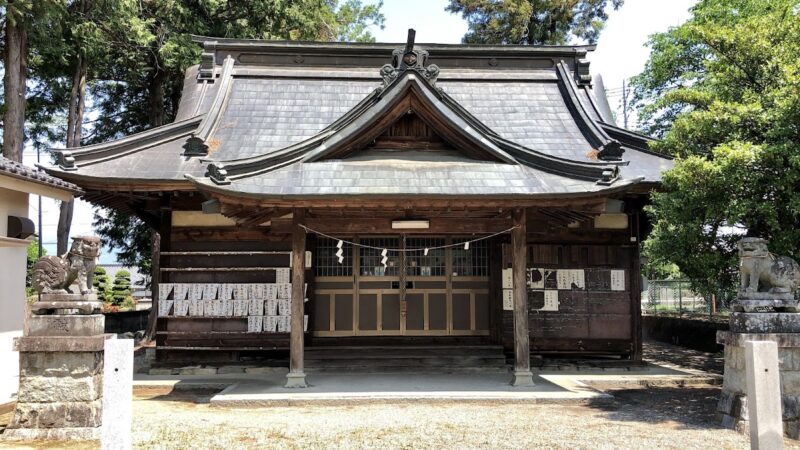
Koyama Wakamiya Shrine is a historical shrine located in Koyama, Sakaigawa-cho, Fuefuki City, Yamanashi Prefecture, and is a place of local faith. Situated on a small hill in Sakaigawa-cho, the shrine grounds offer magnificent views of the Fuefuki River and the Kofu Basin.
History and Origin
The exact founding date of Koyama Wakamiya Shrine is uncertain, but it has been revered as the local tutelary deity since ancient times. Of particular note is the history of the famous Sengoku period general, Takeda Shingen, who dedicated a prayer for victory in battle. This fact indicates that the shrine was an important place of worship even during the Sengoku period.
Takeda Shingen was a Sengoku daimyo based in Kai Province (present-day Yamanashi Prefecture) and is known for his strong patronage of shrines and temples within his territory. His dedication of a prayer to Koyama Wakamiya Shrine can be seen as evidence of Shingen’s importance to this region and his belief in the shrine’s divine power.
Deities and Beliefs
The deities enshrined at Koyama Wakamiya Shrine and the detailed beliefs center on local tutelary deity worship. The name “Wakamiya” is generally used for shrines that enshrine the child deity or young god of the main deity, and these deities have been worshipped as protectors of the prosperity of the region and the peace and security of its residents. ## Highlights of the Shrine Grounds
The grounds of Koyama Wakamiya Shrine contain numerous points of historical and natural value. Here are some points we recommend you pay attention to when you visit.
Vermilion Torii Gate
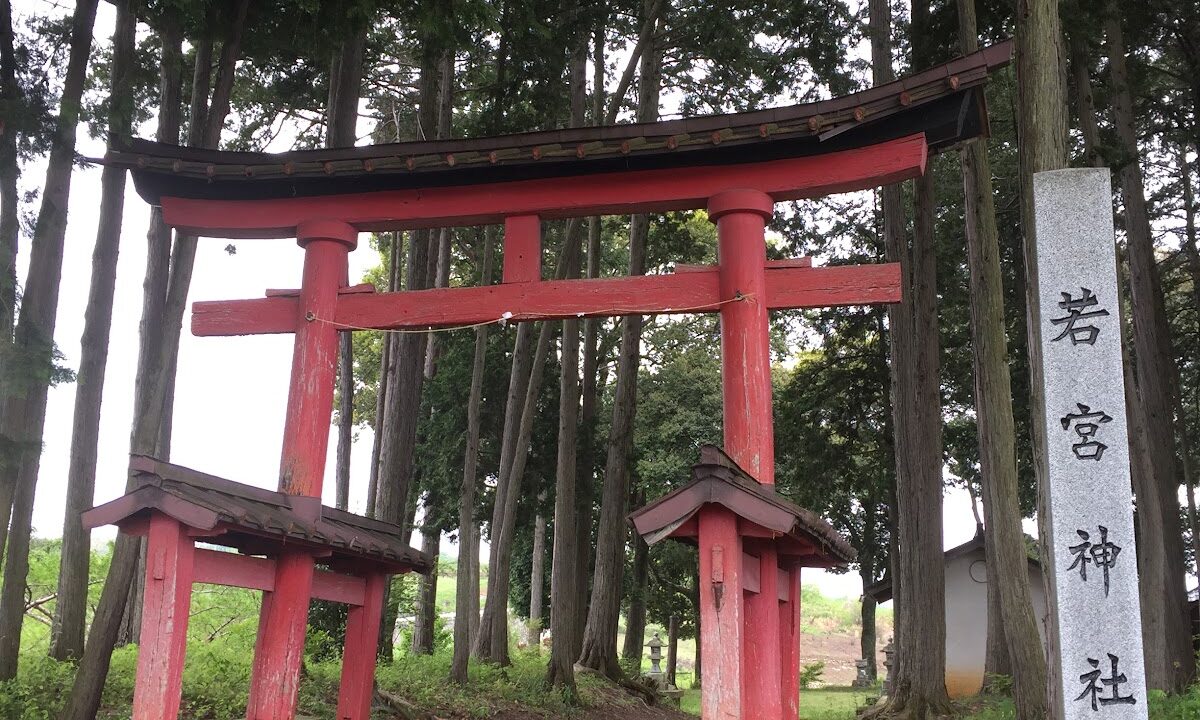
A vibrant vermilion torii gate stands at the entrance to the shrine. This vermilion color is a traditional color in shrine architecture, signifying protection against evil and indicating a sacred area. The vermilion torii gate, standing out against the blue sky and surrounding greenery, is a popular photo spot.
The Giant Oak Tree (Natural Monument)
Right next to the vermilion torii gate stands a giant oak tree, designated a natural monument by Fuefuki City. This colossal tree boasts an overwhelming size, standing 23.5 meters tall with a trunk circumference of 4.05 meters at chest height, and is a witness to the history of its long growth.
The giant oak tree is a symbolic presence of the shrine, welcoming visitors first. Estimated to be several hundred years old, its majestic presence evokes a sense of nature’s mystery and vitality. The ever-changing appearance of this magnificent oak tree throughout the seasons will provide a fresh and moving experience with every visit.
White Oak Grove
Within the temple grounds, there is a grove of white oak trees, designated as a natural monument by Fuefuki City. White oaks are evergreen trees belonging to the beech family and have long been cherished as the guardian forest of shrines.
The white oak grove not only creates a sacred atmosphere within the temple grounds but is also ecologically valuable. The shade these trees provide keeps visitors cool in summer and shields them from the wind in winter, offering a comfortable space for worshippers. The sound of the wind blowing through the trees and the sunlight filtering through the leaves create a healing space that makes you forget the hustle and bustle of the city.
Spectacular View of the Kofu Basin
One of the greatest attractions of Koyama Wakamiya Shrine is the spectacular view that can be seen from beside the shrine building. From the shrine grounds, situated on a small hill, you can enjoy a panoramic view of the Kofu Basin with the Fuefuki River below.
On clear days, you can even see Mount Fuji and the Southern Alps in the distance. The view is particularly breathtaking in the crisp morning air, and the basin bathed in the crimson hues of sunset is especially beautiful. Imagining that Lord Takeda Shingen may have once surveyed his territory from this very spot evokes a sense of historical romance.
City-Designated Cultural Property: Fireworks Cannons
Within the shrine grounds, three large fireworks cannons, actually used in the Wakamiya Shrine’s annual festival, are preserved and displayed as Fuefuki City-designated cultural properties. These cannons are valuable historical artifacts that convey the festival culture from the Edo period to the Meiji period.
During the festival at that time, fireworks using these cannons were launched, entertaining the local people. Although no longer in use, it is carefully preserved as an important cultural asset that tells the story of the history of festival culture.
Annual Festivals and Events
At Koyama Wakamiya Shrine, various Shinto rituals and annual festivals are held throughout the year. These festivals, where local people gather and continue to uphold traditions, demonstrate the deep connection between the shrine and the community.
Grand Festival
The Grand Festival, held at a fixed time each year, is one of the important annual events in the community. In the past, fireworks were offered using the aforementioned large fireworks cannons, attracting many worshippers. Even today, Shinto rituals are solemnly performed, praying for the prosperity of the community and the peace and well-being of its residents.
First Shrine Visit of the New Year
At the start of the new year, worshippers visit for their first shrine visit of the year. In the quiet grounds, people can be seen vowing their New Year’s resolutions before the gods and praying for a safe year. A first shrine visit in this sacred space surrounded by large oak and Japanese evergreen oak trees will be a refreshing experience befitting the start of the new year.
MAP & ACCESS
This guide provides directions to Koyama Wakamiya Shrine. It is accessible by both public transport and car, but please wear comfortable clothing as there are slopes and stairs leading to the shrine grounds.
Location
Address: 1027 Koyama, Sakaigawa-cho, Fuefuki City, Yamanashi Prefecture 406-0844
Access by Public Transport
By Train:
- Approximately 15 minutes by car from JR Chuo Main Line “Isawa Onsen Station”
- Approximately 20 minutes by car from JR Chuo Main Line “Kofu Station”
Taking a taxi from the nearest station is convenient. Alternatively, you can take a bus bound for Sakaigawa-cho and walk from the nearest bus stop, but since the number of buses is limited, it is recommended to check the timetable in advance.
Access by Car
If using the Chuo Expressway:
- Approximately 10 minutes from “Ichinomiya Misaka IC”
- Approximately 15 minutes from “Kofu Minami IC”
There is parking space around the shrine, but congestion is expected during events such as the annual festival, so please allow ample time for your visit.
Tips for Setting Your Car Navigation System
When searching using a car navigation system or smartphone map app, please search for “Koyama Wakamiya Shrine” or the address “1027 Koyama, Sakaigawa-cho, Fuefuki City, Yamanashi Prefecture”. Searching for only “Wakamiya Shrine” may display other shrines, so we recommend including “Koyama” in your search.
Basic Information
We have summarized the basic information about Koyama Wakamiya Shrine. Please check this before your visit.
Basic Data
Name: Koyama Wakamiya Shrine
Address: 1027 Koyama, Sakaigawa-cho, Fuefuki City, Yamanashi Prefecture 406-0844
Phone Number: Please inquire with the Fuefuki City Tourism and Commerce Division, etc.
Visiting Hours: Grounds are freely accessible (Shrine office hours may vary)
Admission Fee: Free
Parking: Available (Limited number of spaces)
Official Website: Information is posted on Fuefuki Tourism Navi
Precautions When Visiting
- The shrine grounds are a sacred place. Please worship in silence.
- Please be careful not to damage the trees designated as natural monuments.
- Please take all your trash with you.
- Photography is permitted, but please be considerate of other visitors.
- There are slopes and stairs leading to the shrine grounds. Please wear comfortable shoes.
Accessibility Information
Koyama Wakamiya Shrine is located on a small hill, and there are stairs and slopes leading to the shrine grounds. Access for wheelchairs and strollers is restricted, so we recommend checking in advance.
Nearby Tourist Attractions
When visiting Koyama Wakamiya Shrine, combining your visit with other tourist attractions in Fuefuki City will make your trip even more fulfilling.
Ichinomiya Sengen Shrine
Located in Ichinomiya-cho, Fuefuki City, this is the Ichinomiya (first-ranked shrine) of Kai Province and one of the oldest shrines in the prefecture. As a center of Mount Fuji worship, it was relocated to its current location in 865 (Jogan 7). The main hall, designated as a National Important Cultural Property, boasts magnificent architectural beauty.
Yamamiya Shrine
A subsidiary shrine of Ichinomiya Sengen Shrine, it has long been revered as a place for worshipping Mount Fuji from afar. The main hall is a National Important Cultural Property and preserves the characteristics of shrine architecture from the Muromachi period.
Isawa Onsenkyo
Isawa Onsenkyo is a representative hot spring resort in Fuefuki City, boasting numerous hot spring inns and hotels. It’s ideal for relaxing after a day of sightseeing, and many facilities offer day-trip bathing.
Peach and Grape Picking
Fuefuki City is known as “Japan’s No. 1 Peach and Grape Region,” and you can enjoy fruit picking from spring to autumn. The peaches in summer and the grapes in autumn are especially delicious, and many tourist farms welcome visitors.
The Charms of Fuefuki City
Fuefuki City was formed in 2004 through the merger of six municipalities and is located in the eastern part of the Kofu Basin in the Kuninaka region. Known as “Japan’s No. 1 Peach Paradise,” it is a region where fruit cultivation thrives.
Fuefuki City as a Fruit Kingdom
Fuefuki City boasts the highest production volume of peaches and grapes in Japan, and in spring, the landscape of a “peach paradise” unfolds as peach blossoms bloom all at once. In early April, the “Fuefuki City Peach Blossom Spring Festival” is held, and the scenery of the basin dyed pink is breathtaking.
A Town of Hot Springs and History
Fuefuki City boasts hot spring resorts, including Isawa Onsen, and numerous historical sites associated with Takeda Shingen. With its diverse attractions—history, nature, hot springs, and fruit—Fuefuki City is an ideal base for sightseeing in Yamanashi Prefecture.
Model Sightseeing Course
We propose a model sightseeing course for Fuefuki City, including Koyama Wakamiya Shrine.
Day Trip Course
Morning:
- Visit Ichinomiya Sengen Shrine (Enjoy the solemn atmosphere of Kai Province’s Ichinomiya shrine)
- Visit Yamamiya Shrine (View the main hall, a nationally designated important cultural property)
Lunch:
- Lunch at a Hoto noodle shop or local cuisine restaurant in Fuefuki City
Afternoon:
- Visit Koyama Wakamiya Shrine (Enjoy the giant trees designated as natural monuments and the scenery of the Kofu Basin)
- Fruit picking experience (Peach or grape picking depending on the season)
- Day trip to Isawa Onsen hot springs
2-Day/1-Night Course
Day 1:
- Morning: Visit shrines in Fuefuki City (Ichinomiya Sengen Shrine, Yamamiya Shrine, Koyama Wakamiya Shrine)
- Afternoon: Winery tour and tasting
- Evening: Overnight stay at Isawa Onsen
Day 2:
- Morning: Fruit picking experience
- Afternoon: Sightseeing in Kofu City (Takeda Shrine, Kofu Castle Ruins, etc.)
Photography Tips
Koyama Wakamiya Shrine boasts a beautiful landscape where nature and history harmonize. Here are some photography tips for photography enthusiasts.
Recommended Photography Spots
- Vermilion Torii Gate and the Great Oak Tree: Photographing the entrance torii gate and the natural monument, the Great Oak Tree, together captures the shrine’s iconic scenery.
- White Oak Grove: Photographing using the light filtering through the trees is recommended.
- View from Beside the Shrine: A spectacular spot offering panoramic views of the Kofu Basin, especially beautiful in the morning and evening light.
- Seasonal Scenery: Enjoy the changing scenery throughout the seasons, including the fresh green of spring, the deep green of summer, the autumn foliage, and the snowy landscape of winter.
Precautions When Photography
- Please be considerate of other visitors.
- If using a tripod, please be careful not to block pathways.
- Remember that this is a sacred place and strive for respectful photography.
Summary
Koyama Wakamiya Shrine in Sakaigawa-cho, Fuefuki City, Yamanashi Prefecture, is a shrine with three major attractions: its history associated with Takeda Shingen, its natural monument of a large oak and a grove of Japanese evergreen oaks, and its breathtaking view overlooking the Kofu Basin.
By praying in the tranquil grounds, you can feel the history of the shrine, which has been protected by the local people for centuries, and the mystery of nature. When visiting Fuefuki City, be sure to visit Koyama Wakamiya Shrine.
Passing through the vermilion torii gate, being greeted by the giant trees designated as natural monuments, praying in the grounds surrounded by Japanese evergreen oaks, and gazing at the magnificent view of the Kofu Basin from beside the shrine building—such a special experience awaits you.
For tourist information, model courses, and event information, please check “Fuefuki Tourism Navi,” which is updated regularly. Check it before your visit to enjoy a more fulfilling Fuefuki City sightseeing experience.