What is Zenshoji Temple? A Complete Guide to the History, Origin, and Access of Zenshoji Temples Across Japan
There are several temples named “Zenshoji” throughout Japan, each with its own unique history and origin. This article provides a comprehensive explanation of particularly famous Zenshoji temples, covering their history from their founding to the present day, the cultural properties they possess, and how to access them.
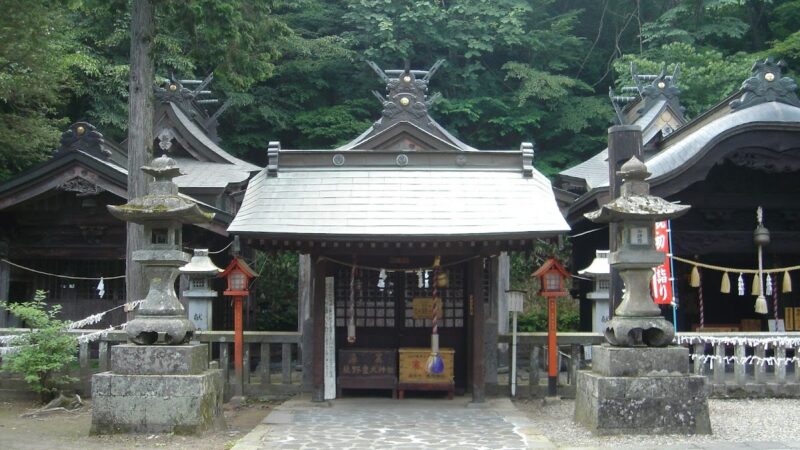
Zenshoji Temple in Higashiomi City, Shiga Prefecture: An Ancient Temple Associated with Prince Shotoku
History and Origin of Zenshoji Temple (Higashiomi City)
Located in Higashiomi City, Shiga Prefecture, Zenshoji Temple is a Soto Zen Buddhist temple with an eleven-faced Kannon as its principal image. This temple is the 20th pilgrimage site of the Omi Thirty-Three Kannon Pilgrimage, welcoming many worshippers.
According to tradition, Zenshoji Temple is considered a sacred site founded by Prince Shotoku, with his uncle, Yoshimasa, as its founder. Originally a Tendai temple called “Shakuzenji,” it is said to have been later renamed “Zenshoji” in commemoration of Sakanoue no Tamuramaro’s victory in his eastern campaign.
Conversion from Tendai to Soto Zen
Zenshoji originally flourished as a Tendai temple, boasting a large complex of over seventy sub-temples and serving as a major religious center. Records indicate it was a magnificent temple with numerous halls and buildings.
However, a major turning point occurred during the Sengoku period (Warring States period). Zenshoji was damaged by fire following Oda Nobunaga’s burning of Mount Hiei. After this disaster, the temple was rebuilt, and it is said to have converted to the Soto Zen sect at that time. This historical sequence is an important example illustrating the religious policies and regional transformations of the Sengoku period.
Access to Zenshoji Temple in Higashiomi City
Zenshoji Temple in Higashiomi City can be accessed by public transport or car. Walking or taking a taxi from the nearest station is convenient. When visiting, it is recommended to check the opening hours and holiday schedules in advance. Parking is available, so you can also visit by private car.
Zenshoji Temple, Matsuyama City, Ehime Prefecture: A Jodo Sect Temple Known for its Higiri Jizo
Characteristics and History of Zenshoji Temple, Matsuyama City
Located in Matsuyama City, Ehime Prefecture, Zenshoji Temple is known as a Jodo Sect temple. Its most distinctive feature is its extremely unusual location: right in the middle of the shopping district in front of Matsuyama Station on the Iyo Railway. Situated in the heart of Matsuyama City, famous for its Botchan Train, it is a beloved center of local faith.
The Faith of Higiri Jizo (Ohigiri-san)
The principal image of Zenshoji Temple in Matsuyama City is a Jizo Bodhisattva said to have been created by the renowned Heian period monk, Eshin Sozu (Genshin). This Jizo Bodhisattva is widely worshipped as “Higiri Jizo” or “Ohigiri-san.”
During the Genroku era (around 1690), when a plague swept through the region, there is a legend that many people had a dream in which they were told that “if you make a wish to the Jizo statue at Zenshoji Temple with a set deadline, it will surely come true.” This reputation spread by word of mouth, and since then, it is said that the smoke of incense from worshippers has never ceased.
Devotion to the Jizo of the Day-Closing Day remains strong even today, and worshippers continue to visit to make their wishes. The custom of “day-closing” wishes, in particular, is a valuable form of folk belief that has continued since the Edo period.
Access to Zenshoji Temple in Matsuyama City
Zenshoji Temple in Matsuyama City boasts excellent accessibility, being within walking distance of Matsuyama Station on the Iyo Railway. Its location within a shopping district makes it easy to visit while sightseeing or shopping.
Zenshoji Temple, Maebashi City, Gunma Prefecture: A Tendai Buddhist Temple Possessing a Nationally Designated Important Cultural Property
Overview of Zenshoji Temple, Maebashi City
Zenshoji Temple, located in Maebashi City, Gunma Prefecture, is a Tendai Buddhist temple. Its mountain name is Ushitorabasan, its temple name is Keiunin, and its principal image is Amida Buddha. It is said that this temple was founded between the Enryaku era (782-806) and the Daido era (806-810) by Shodo Shonin, known for founding Nikko.
Nationally Designated Important Cultural Property: Iron Seated Amida Buddha Statue
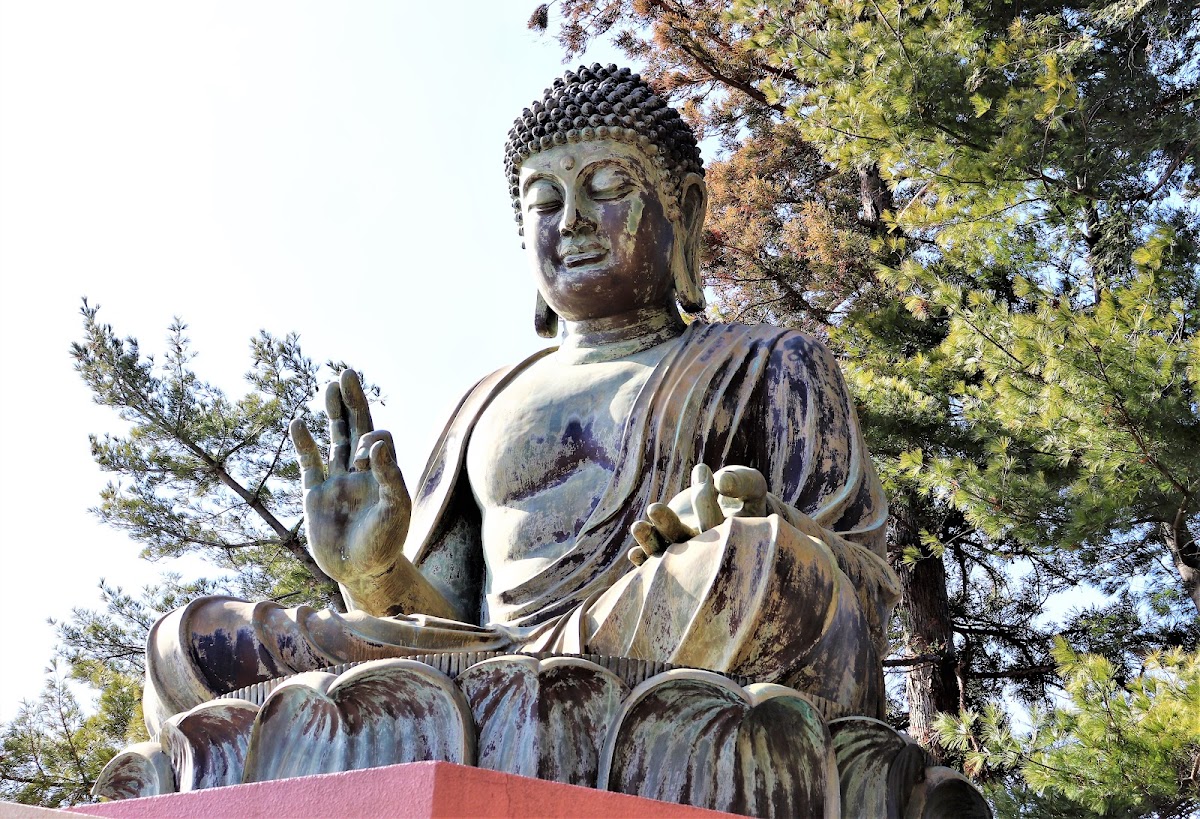
The greatest highlight of Zenshoji Temple in Maebashi City is the iron seated Amida Buddha statue, created during the Kamakura period. This statue is designated a Nationally Designated Important Cultural Property and is highly valued as a precious example of an iron Buddha statue.
Iron Buddha statues are less common than wooden or stone ones, and particularly rare are the finest examples from the Kamakura period. The iron seated Amida Buddha statue at Zenshoji Temple is a significant cultural asset, demonstrating the level of casting technology and Buddhist art of the time, and is attracting attention from both Buddhist and art history perspectives.
Access to Zenshoji Temple, Maebashi City
Zenshoji Temple in Maebashi City is accessible by public transport or car. If you wish to view the cultural property, it is recommended to contact the temple in advance to confirm visiting hours.
Zenshoji Temple, Chiba City, Chiba Prefecture: The Family Temple of the Toke Sakai Clan
History of Zenshoji Temple, Midori Ward, Chiba City
Zenshoji Temple, located in Toke-cho, Midori Ward, Chiba City, Chiba Prefecture, is a temple of the Kenpon Hokke sect, and its mountain name is Hojusan. The exact founding date of this temple is unknown, but it is said to have originally been founded as a Shingon Buddhist temple called “Gokurakuhoji.”
Sakai Sadataka and Nichitai Shonin
In 1464 (Kansho 5), when Sakai Sadataka became the lord of Toke Castle, a major turning point occurred in the temple’s history. Sakai Sadataka was a follower of Nichitai Shonin, the founder of Hongyo-ji Temple, and invited him to Toke. At Nichitai Shonin’s request, the temple, which had been of the Shingon sect, was converted to the Nichiren sect and renamed “Nyoi Hoju-zan Zensho-ji” (later Zensho-ji).
This conversion led to Zensho-ji taking on the role of the Toke Sakai family’s ancestral temple, and it developed into a temple with close ties to powerful samurai families in the region.
Access to Zensho-ji Temple in Chiba City
Zensho-ji Temple in Midori Ward, Chiba City, is conveniently accessible from Toke Station. Visiting it along with the surrounding historical sites, such as the Toke Castle ruins, will provide a deeper understanding of the history of the Toke region in the Middle Ages.
Zenshoji Temple, Konosu City, Saitama Prefecture: A Rinzai Zen Buddhist Temple and Cemetery
Features of Zenshoji Temple, Konosu City
Located on the border of Konosu City, Saitama Prefecture, Zenshoji Temple is a Rinzai Zen Buddhist temple. This temple also functions as a modern cemetery, equipped with burial plots and perpetual memorial service facilities.
Facilities and Access
Zenshoji Temple in Konosu City boasts comprehensive facilities to meet modern needs, including barrier-free access, memorial service facilities/multipurpose hall, parking, and perpetual memorial service/columbarium facilities.
It is located approximately 10-15 minutes by car from Konosu Station and faces a wide, one-lane road, making it easy to find even for first-time visitors. There is ample parking, making it convenient for those visiting by private car.
Zenshoji Temple, Iida City, Nagano Prefecture: A Shinshu Otani-ha Temple
Zenshoji Temple, Iida City: Sect and Teachings
Zenshoji Temple, located in Iida City, Nagano Prefecture, is a temple belonging to the Shinshu Otani-ha (Higashi Honganji) sect. It inherits the teachings of Jodo Shinshu Buddhism, founded by Shinran Shonin, and transmits faith centered on the Nembutsu (chanting of “Namu Amida Butsu”).
This temple is not a training ground for professional monks, but rather a community-oriented temple that practices the teachings of Shinran Shonin, which revealed salvation for ordinary people living their lives.
Zenshoji Temple, Shimonoseki City, Yamaguchi Prefecture: A Jodo Shinshu Temple
Zenshoji Temple, located in Kanda-cho, Shimonoseki City, Yamaguchi Prefecture, is a Jodo Shinshu temple. It serves as a center of faith for the community, conducting Buddhist services such as memorial services and funerals.
The Meaning and Origin of the Temple Name “Zenshoji”
The temple name “Zenshoji” is used by temples throughout Japan, but its origins vary. Some, like Zenshoji in Higashiomi City, Shiga Prefecture, are named after Sakanoue no Tamuramaro’s victory in his eastern campaign. Others signify the victory of “goodness” in Buddhism, that is, the victory of Buddhist teachings.
The use of the character “勝” (victory) in a temple name can be interpreted as embodying a wish for victory in Buddhism, that is, overcoming worldly desires and attaining enlightenment. Furthermore, many temples were named to commemorate the victory of military commanders or regions, demonstrating a deep connection between the temple and the local community.
Points to Note When Visiting Zenshoji
Importance of Prior Confirmation
When visiting Zenshoji, please note the following:
- Check Opening Hours: Visiting hours vary depending on the temple. Especially if you wish to view cultural properties, it is recommended to contact the temple in advance.
- Checking Holidays and Memorial Service Days: Procedures may differ on holidays and days of special memorial services.
- Parking Availability: If visiting by private car, please check the availability and capacity of parking in advance.
- Photography Permitted: It is customary to obtain permission before taking photographs of temples and cultural properties.
Manners for Visiting Temples
When visiting a temple, please observe the following basic manners:
- Bow when passing through the temple gate
- Be quiet on the temple grounds and refrain from speaking loudly
- Remove your shoes before entering the main hall and arrange them neatly
- Place your offering quietly
- When offering incense, be considerate of other visitors.
Zenshoji Temple and Local Culture
Zenshoji temples throughout Japan have played important cultural roles in their respective regions. Each Zenshoji temple has a diverse historical background, including legends of Prince Shotoku, the legend of Sakanoue no Tamuramaro, samurai family temples, and centers of folk belief.
In particular, temples like Zenshoji in Higashiomi City, Shiga Prefecture, which are part of the Omi Thirty-Three Kannon Pilgrimage, occupy an important position as bearers of pilgrimage culture. Furthermore, temples that preserve unique local folk beliefs, such as the Higiri Jizo faith at Zenshoji in Matsuyama City, Ehime Prefecture, are also valuable.
Cultural Properties and Buddhist Art of Zenshoji Temples
Several temples bearing the name Zenshoji possess valuable cultural properties.
The iron seated statue of Amida Buddha, a nationally designated Important Cultural Property, housed at Zenshoji in Maebashi City, Gunma Prefecture, is a nationally rare example of an iron Buddha statue from the Kamakura period. Due to the characteristics of iron, it is more difficult to produce than wooden or stone statues, and is also more susceptible to deterioration over time, so only a limited number of iron Buddha statues are preserved in good condition.
The Eleven-Faced Kannon, the principal image of Zenshoji Temple in Higashiomi City, Shiga Prefecture, is of historical value as a Buddhist statue passed down from the Tendai sect era. Similarly, the Jizo Bodhisattva, said to be the principal image of Zenshoji Temple in Matsuyama City, Ehime Prefecture, and attributed to Eshin Sozu, is an important example of Heian period Buddhist art that still exists today.
A Recommendation for Visiting Zenshoji Temples
Visiting the Zenshoji temples scattered throughout Japan will be an interesting experience for understanding Japanese Buddhist history and regional culture. Considering the meaning behind the common temple name “Zensho,” despite each temple belonging to a different sect and having a different history, provides an opportunity to simultaneously appreciate the diversity and universality of Japanese temple culture.
Especially for those interested in history and cultural properties, we recommend visiting Zenshoji Temple in Higashiomi City, Shiga Prefecture (one of the 33 Kannon pilgrimage sites of Omi), Zenshoji Temple in Maebashi City, Gunma Prefecture (a nationally designated important cultural property), and Zenshoji Temple in Matsuyama City, Ehime Prefecture (known for its Higiri Jizo worship). Each temple possesses its own unique charm, allowing you to experience the richness of Japanese Buddhist culture.
Summary: Diversity and Commonality of Zenshoji Temples
Zenshoji temples, located throughout Japan, each have their own unique history and characteristics. The Zenshoji temple in Higashiomi City, Shiga Prefecture, boasts a turbulent history encompassing legends of Prince Shotoku, the legend of Sakanoue no Tamuramaro, and a conversion due to the fires of Oda Nobunaga’s rule. The Zenshoji temple in Matsuyama City, Ehime Prefecture, is a center of a unique folk belief system known as the Higiri Jizo faith. The Zenshoji temple in Maebashi City, Gunma Prefecture, is a treasure trove of cultural assets, housing nationally designated important cultural properties. Each temple plays a vital role in these areas.
These temples belong to a wide range of sects, including the Soto, Jodo, Tendai, Kenpon Hokke, Rinzai, and Shinshu Otani schools, and their founding histories and eras differ. However, they all share a common thread: they are deeply connected to their local communities and have played important roles as centers of faith and bearers of culture.
The name Zenshoji, meaning “victory of good” and “prayer for victory,” symbolizes people’s wishes and hopes across time and region. Visiting Zenshoji temples throughout Japan allows for a deeper understanding of the diversity of Japanese Buddhist culture and the forms of faith rooted in local communities.
When visiting, consider quietly offering your prayers while reflecting on the historical background, cultural assets, and local connections of each temple. The wishes embodied in the name Zenshoji surely hold a universal message that resonates with us living in the modern age.