Complete Guide to Yamanashi Prefecture Gokoku Shrine | A Thorough Explanation of its History, Goshuin (Shrine Seals), and Cherry Blossom Viewing Spot
Located in Iwakubo-cho, Kofu City, Yamanashi Prefecture, Yamanashi Prefecture Gokoku Shrine is a sacred place dedicated to those who died in wars since the Satsuma Rebellion. It is also known as one of the prefecture’s leading cherry blossom viewing spots, boasting approximately 200 cherry trees. This article provides a detailed explanation of Yamanashi Prefecture Gokoku Shrine, from its historical background to its highlights, annual events, and access methods.
What is Yamanashi Prefecture Gokoku Shrine?
Yamanashi Prefecture Gokoku Shrine is a Gokoku Shrine that enshrines the spirits of 25,062 (as of 2019) soldiers and military personnel from Yamanashi Prefecture who sacrificed their precious lives for their country from the Satsuma Rebellion to the Greater East Asia War (Pacific War).
Originating in 1879 (Meiji 12) as a Shokonsha (shrine for the war dead) in Ota-cho, Kofu City, it was relocated to its current location in Iwakubo-cho, Kofu City in 1944 (Showa 19) and established as Yamanashi Prefecture Gokoku Shrine by designation of the Minister of Home Affairs.
Within the shrine grounds stand memorial monuments and a charnel house, making it an important historical and spiritual center for conveying the tragedy of war to future generations and learning the preciousness of peace.
History of Yamanashi Prefecture Gokoku Shrine
Establishment as a Shokonsha (Meiji Era)
In December 1879 (Meiji 12), a Shokonsha was established on land adjacent to a park in Ota-cho, Kofu City, at the initiative of the Yamanashi Prefecture Shinto Affairs Bureau. Initially, it enshrined the spirits of 50 people from Yamanashi Prefecture who died fighting in the Satsuma Rebellion (Southwest War), and a grand memorial service was held annually.
This shrine was established to enshrine the soldiers of the government army who lost their lives in the civil war after the Meiji Restoration, and to honor their achievements.
Renaming and Relocation to Gokoku Shrine (Showa Era)
In 1942 (Showa 17), the shrine was relocated to its current location in Iwakubo-cho, Kofu City. Later, on November 28, 1944 (Showa 19), it was officially established as the “Yamanashi Prefecture Gokoku Shrine” with the designation of the Minister of Home Affairs.
This renaming was based on the government’s policy to unify all shrines nationwide under the name Gokoku Shrine. Since then, the spirits of those from Yamanashi Prefecture who died in the First Sino-Japanese War, the Russo-Japanese War, World War I, the Manchurian Incident, the Second Sino-Japanese War, and the Greater East Asia War (Pacific War) have been successively enshrined here.
Post-War Development and Establishment of the Historical Materials Museum
After the war, Yamanashi Prefectural Gokoku Shrine progressively constructed facilities such as the worship hall and dance hall, and improved its grounds. In 1974, the “Historical Materials Museum” was established as an exhibition facility to pass on the history of the war to future generations.
This Historical Materials Museum houses and displays valuable historical materials such as relics of war dead, military uniforms, weapons, photographs, and letters, making it an important facility where one can learn about the realities of war and the importance of peace.
About the Enshrined Deities
Yamanashi Prefectural Gokoku Shrine enshrines the spirits of 25,062 people from Yamanashi Prefecture who died in the following wars and incidents.
- Satsuma Rebellion (1877)
- First Sino-Japanese War (1894-1895)
- Russo-Japanese War (1904-1905)
- World War I (1914-1918)
- Manchurian Incident (1931-)
- China Incident (1937-)
- Greater East Asia War (Pacific War, 1941-20)
These war dead, though varying in age and rank, all sacrificed their precious lives for their country. At the Gokoku Shrine, ceremonies are held throughout the year to express gratitude to these war dead and pray for lasting peace.
Highlights of the Shrine Grounds
Worship Hall and Main Hall
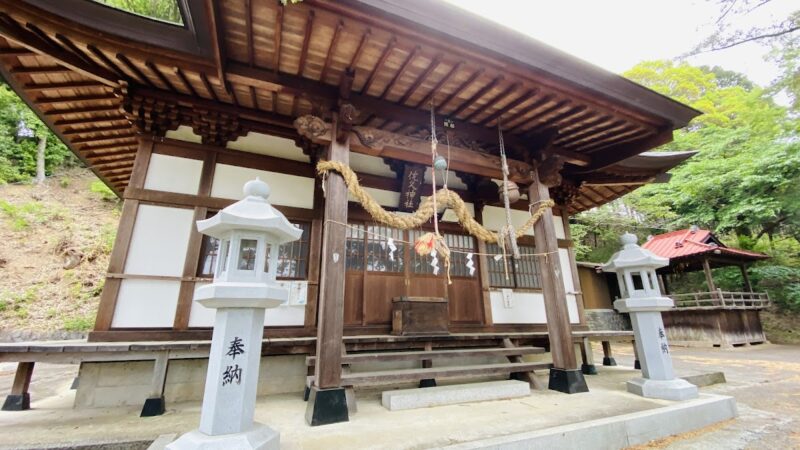
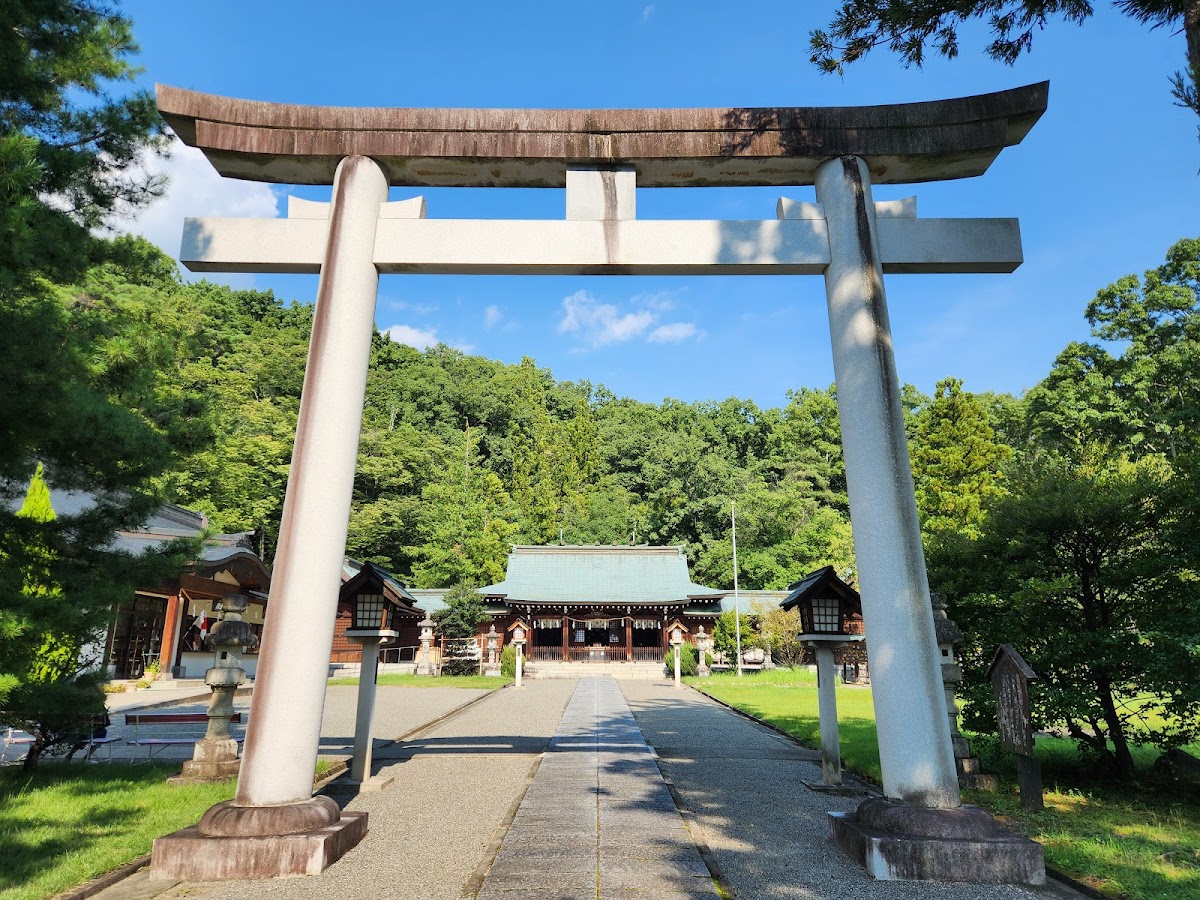
The worship hall of Yamanashi Gokoku Shrine is a wooden building with a solemn atmosphere. Visitors pay their respects to the war dead at the main hall by performing the ritual of two bows, two claps, and one bow, and offer prayers for peace. Behind the main hall is the inner sanctuary, where 25,062 war dead are enshrined.
Memorial Monument and Ossuary
Within the shrine grounds stands a memorial monument to commemorate those who died in the war. The ossuary houses the remains and personal belongings of those who perished, and is visited by bereaved families and other related individuals. These facilities play a vital role in ensuring that the tragedy of war is not forgotten and that the preciousness of peace is passed on to future generations.
Historical Materials Museum
Established in 1974, the historical materials museum displays valuable historical materials related to the war. Through the belongings of the war dead—military uniforms, medals, weapons, letters from the battlefield, photographs, etc.—visitors can learn about the realities of war and the feelings of the people at that time.
Visiting the museum in conjunction with a visit to the shrine allows for a deeper understanding and a renewed commitment to peace.
Charm as a Cherry Blossom Viewing Spot
Yamanashi Prefectural Gokoku Shrine is widely known as a famous cherry blossom viewing spot. Approximately 200 cherry trees are planted on the grounds, and various varieties, including Somei Yoshino and weeping cherry trees, bloom simultaneously in spring.
The best time to see the blossoms is usually from early to mid-April. During this period, lanterns are displayed on the grounds, and the trees are illuminated at night. The beauty of the cherry blossoms at night is exceptional, attracting many visitors.
Furthermore, a row of cherry trees stretches from Gokoku Shrine to Tsutsujigasaki Cemetery and Atagoyama Children’s Park, forming cherry blossom tunnels in places. It is one of the top cherry blossom viewing spots in Kofu City, popular with both locals and tourists.
Annual Events and Festivals
Yamanashi Prefectural Gokoku Shrine holds various festivals throughout the year. The main events are as follows:
Spring Grand Festival
This is one of the most important festivals held every spring. We offer our sincere gratitude to the war dead and pray for lasting peace. Many bereaved families, related parties, and general worshippers attend, and the ceremony is conducted in a solemn atmosphere.
Autumn Grand Festival
An annual grand festival is also held in autumn, and like the spring festival, gratitude to the war dead and prayers for peace are offered.
Mitama Festival
In summer, the “Mitama Festival” is held to commemorate the war dead. Lanterns adorn the shrine grounds, and memorial services are held in a mystical atmosphere.
Monthly Festivals
Monthly festivals are held, offering daily gratitude to the war dead.
These festivals are important opportunities to prevent the memory of war from fading and to pass on the preciousness of peace to future generations.
About Goshuin (Shrine Seals)
Yamanashi Gokoku Shrine offers Goshuin as a memento of your visit. The Goshuin (temple/shrine stamp) has the shrine’s name and date of visit written in ink, and the shrine’s seal is stamped on it.
Goshuin are available at the shrine office, and the offering fee is usually around 300 yen. You can bring your own Goshuincho (stamp book) or purchase one at the shrine.
The Goshuin of Gokoku Shrine is a special item imbued with respect for those who died in war and prayers for peace, and is cherished by many visitors.
Benefits and Significance of Visiting
Yamanashi Gokoku Shrine is a shrine dedicated to those who died in war, and therefore, it is not a place to pray for worldly benefits such as business prosperity or matchmaking, as is common in other shrines.
However, visiting the shrine has the following significance:
- Gratitude for Peace: Recognizing and appreciating the fact that current peace is built upon many sacrifices.
- Learning History: Learning about the tragedy of war and gaining lessons to ensure it never happens again.
- Memorial Service and Commemoration: Paying homage to the spirits of those who died in war and honoring their achievements.
- Family Bonds: For bereaved families whose ancestors died in war, this is a place to remember the deceased and reflect on family history.
Especially for younger generations, visiting a Gokoku Shrine is a valuable opportunity to learn about the realities of war and to truly understand the importance of peace.
Basic Information and Access
Basic Information
- Official Name: Yamanashi-ken Gokoku Jinja (Yamanashi Prefecture Gokoku Shrine)
- Address: 608 Iwakubo-cho, Kofu City, Yamanashi Prefecture 400-0802
- Phone Number: 055-252-6371
- Visiting Hours: Grounds are freely accessible (Shrine office is usually open from 9:00 to 17:00)
- Admission Fee: Free (Visiting the Historical Materials Museum is also free)
- Parking: Available (Free)
Access Method
Access by Train and Bus
- From JR Chuo Main Line “Kofu Station,” take the Yamanashi Kotsu bus bound for “Takeda Shrine,” get off at the “Gokoku Jinja Iriguchi” bus stop, and walk for about 5 minutes.
- From JR Chuo Main Line “Kofu Station,” take a taxi for about 15 minutes.
- Approximately 40 minutes on foot from Kofu Station (about 3 km)
Access by Car
- Approximately 20 minutes from the Chuo Expressway “Kofu-Showa IC”
- Approximately 25 minutes from the Chuo Expressway “Ichinomiya-Misaka IC”
Combining with Nearby Tourist Attractions
Yamanashi Prefectural Gokoku Shrine is about a 10-minute walk from Takeda Shrine. Visiting both Takeda Shrine, which enshrines Takeda Shingen, will allow you to gain a deeper understanding of Yamanashi’s history.
Also, Atagoyama Children’s Land and Tsutsujigasaki Cemetery are nearby, and the area becomes a famous cherry blossom viewing spot during the cherry blossom season.
Manners and Precautions for Visiting a Shrine
Proper Way to Visit a Shrine
- Bow before passing through the torii gate: Bow as a sign of respect before entering the sacred area.
- Purify yourself at the water basin: Purify your hands and mouth before praying.
- Pray at the main hall: Pray using the two bows, two claps, and one bow ritual.
- Maintain silence: Gokoku Shrine is a place of remembrance, so pray with particular silence.
Precautions
- Photography: Photography is generally permitted within the shrine grounds, but please be discreet around the memorial monument and ossuary.
- Dress Code: There are no specific regulations, but modest attire that reflects the fact that it is a place of remembrance is desirable.
- Historical Museum: Please follow the museum’s instructions regarding photography of exhibits.
Nearby Tourist Attractions
Takeda Shrine
Located about a 10-minute walk away, Takeda Shrine is a shrine dedicated to the Sengoku period warlord, Takeda Shingen. Built on the site of the Takeda clan’s residence, Tsutsujigasaki-kan, it is believed to bring good fortune in victory.
Kofu Castle Ruins (Maizuru Castle Park)
Located in the heart of Kofu City, this is the site of Kofu Castle, where you can see the stone walls and reconstructed turrets. It is also known as a famous cherry blossom viewing spot.
Shosenkyo Gorge
Located in the northern part of Kofu City, this is a national special scenic spot boasting one of the most beautiful gorges in Japan. The unique rock formations, waterfalls, and autumn foliage are stunning, allowing visitors to enjoy nature throughout the seasons.
Yamanashi Prefectural Museum of Art
This museum is known for its large collection of Millet’s works. It features a rich collection of Barbizon School works, including “The Sower.”
Summary
Yamanashi Prefectural Gokoku Shrine is an important memorial facility in Yamanashi Prefecture, enshrining 25,062 war dead. It is also one of the prefecture’s leading cherry blossom viewing spots, with approximately 200 cherry trees in full bloom.
With a history spanning over 140 years since its founding in 1879 (Meiji 12), the Yamanashi Prefectural Gokoku Shrine features a worship hall, memorial monument, ossuary, and historical museum, allowing visitors to learn about the history of war and appreciate the preciousness of peace.
In spring, it is bustling with many visitors enjoying the cherry blossoms, and various festivals are held throughout the year. Located near Takeda Shrine, it is a must-visit spot when sightseeing in Kofu.
To remember the tragedy of war and renew your gratitude for peace, we recommend visiting the Yamanashi Prefectural Gokoku Shrine. Reflect on the spirits of those who perished in the tranquil grounds and truly appreciate how precious the peace we enjoy today is.