Complete Guide to Yamanashi Prefecture Gokoku Shrine | History, Cherry Blossom Spots, Goshuin (Shrine Seals), and Access Information
Yamanashi Prefecture Gokoku Shrine is a shrine dedicated to war dead located in Iwakubo-cho, Kofu City, Yamanashi Prefecture. It enshrines 25,062 spirits of those from Yamanashi Prefecture who died in wars since the Satsuma Rebellion, including the Russo-Japanese War and World War II. As an important shrine conveying the preciousness of peace, it attracts many worshippers from both within and outside the prefecture. Furthermore, the shrine grounds are home to approximately 200 cherry trees, making it a widely known cherry blossom viewing spot in spring.
This article provides detailed information useful for visitors, including the history of Yamanashi Prefecture Gokoku Shrine, its enshrined deities, highlights of the grounds, cherry blossom blooming season, goshuin information, and access methods.
History and Origins of Yamanashi Prefecture Gokoku Shrine
From Shokonsha (Shrine for the War Dead) to Gokoku Shrine
The history of Yamanashi Prefecture Gokoku Shrine dates back to the Meiji era. In December 1879 (Meiji 12), at the initiative of the Yamanashi Prefectural Shinto Affairs Bureau, a Shokonsha shrine was erected on land adjacent to a park in Ota-cho, Kofu City. This is the origin of Yamanashi Prefectural Gokoku Shrine.
Initially, its purpose was to enshrine the spirits of those from Yamanashi Prefecture who died fighting in the Satsuma Rebellion (Southwestern War), and a grand memorial service was held every year. Since then, it has enshrined the war dead from Yamanashi Prefecture who perished in numerous wars, including the First Sino-Japanese War, the Russo-Japanese War, World War I, the Manchurian Incident, the Second Sino-Japanese War, and the Greater East Asia War (Pacific War).
Relocation to the Current Location and Renaming to Gokoku Shrine
In 1942 (Showa 17), the Shokonsha shrine was relocated to its current location in Iwakubo-cho, Kofu City. This site is considered a historically significant location, formerly the family temple of the Yanagisawa clan, the lords of the Kofu Domain during the late Edo period. Then, on November 28, 1944 (Showa 19), it was officially established as the “Yamanashi Prefecture Gokoku Shrine” with the designation of the Minister of Home Affairs.
Even after the war, it continues to fulfill its role of commemorating the spirits of those who sacrificed their precious lives for the country and passing on their achievements to future generations.
Deities and Divine Virtues
Spirits of the War Dead Enshrined
As of 2019 (Reiwa 1), 25,062 spirits of the war dead are enshrined at the Yamanashi Prefecture Gokoku Shrine. These are soldiers and military personnel from Yamanashi Prefecture who died in the following wars.
- Satsuma Rebellion (1877)
- First Sino-Japanese War (1894-1895)
- Taiwan Campaign/Boxer Rebellion
- Russo-Japanese War (1904-1905)
- World War I (1914-1918)
- Manchurian Incident (from 1931 onwards)
- Second Sino-Japanese War (from 1937 onwards)
- Greater East Asia War (1941-1945)
- Post-war Public Service Service Deaths
Subsidiary Shrine: Yamanashi Shrine
Within the shrine grounds stands the Yamanashi Shrine. Since 1999, it has enshrined Self-Defense Force officers from Yamanashi Prefecture who died in the line of duty, and continues to comfort the souls of those who died in the line of duty in national defense, disaster relief, and other public services.
Memorial Monument and Ossuary
Within the shrine grounds stands a memorial monument and ossuary, containing the remains and belongings of those who died in the line of duty. These facilities play a vital role in passing on the tragedy of war to future generations and serving as a place to learn the preciousness of peace.
Highlights of the Shrine Grounds
The Grand Torii Gate and Approach
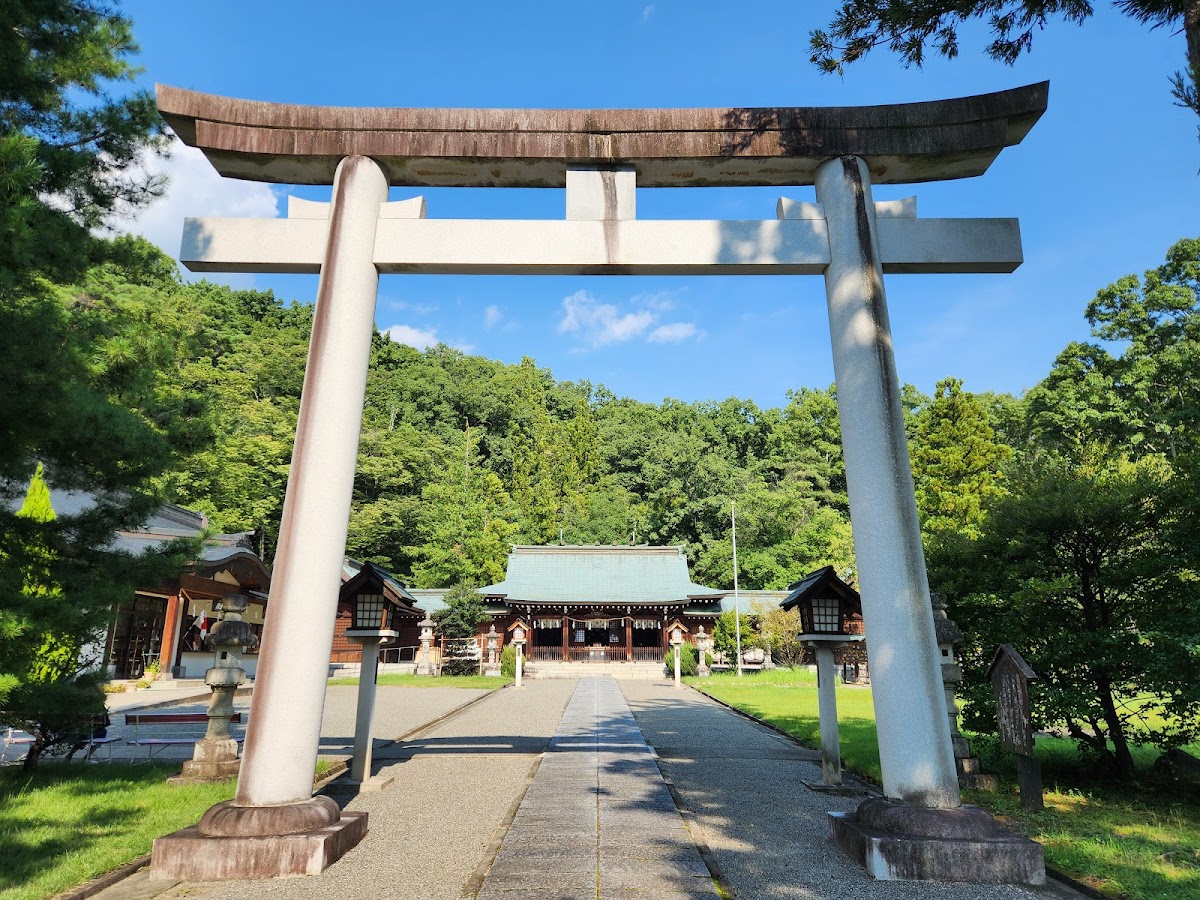
The pure white grand torii gate, standing along Prefectural Road 119, is a symbol of Yamanashi Prefecture Gokoku Shrine. In front of the torii gate stands a shrine marker inscribed with “Yamanashi Prefecture Gokoku Shrine,” welcoming visitors. Passing through the torii gate, a lush, green approach leads to the main hall.
The Worship Hall and Main Sanctuary
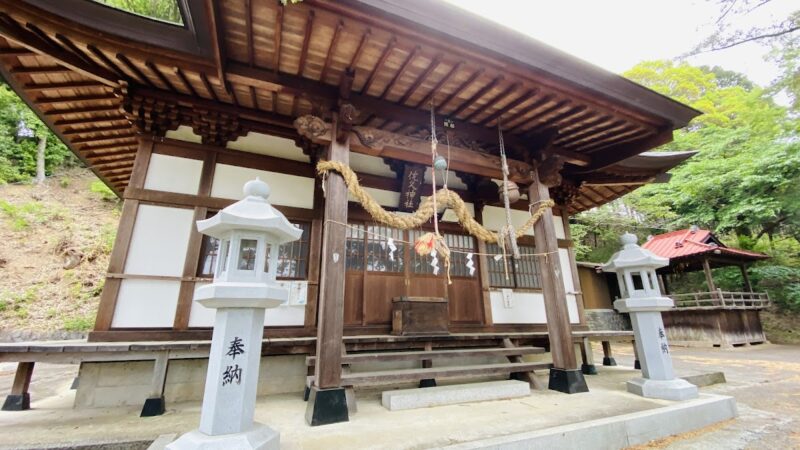
The worship hall is a solemn Shinto-style building. Worshippers clasp their hands together in front of the worship hall, offering gratitude to those who died in the war and prayers for peace. The main sanctuary quietly enshrines the spirits of 25,062 fallen soldiers.
Plaza and Relaxation Space
In the center of the shrine grounds is a plaza, which is bustling with cherry blossom viewers during the cherry blossom season. Benches are also provided, creating a relaxing space where visitors can unwind after their prayers.
Yamanashi Prefectural Gokoku Shrine as a Famous Cherry Blossom Spot
Springtime with Approximately 200 Cherry Trees in Full Bloom
Yamanashi Prefectural Gokoku Shrine is known as one of Kofu City’s leading cherry blossom spots. Approximately 200 cherry trees are planted on the shrine grounds, and in spring, the entire grounds are dyed pink with blossoms.
The planted cherry trees are of various varieties, including the following:
- Somei Yoshino: The most common type of cherry blossom, bearing pale pink flowers.
- Weeping Cherry: A beautiful cherry blossom with elegantly drooping branches.
- Oshima Cherry: Characterized by its white flowers.
- Higan Cherry: An early-blooming cherry blossom, heralding the arrival of spring.
Best Time to See Cherry Blossoms and Blooming Season
The best time to see the cherry blossoms at Yamanashi Gokoku Shrine is typically from early to mid-April. Due to the climate of the Kofu Basin, the blossoms bloom slightly later than in Tokyo. When in full bloom, the shrine grounds become a tunnel of cherry blossoms, captivating visitors.
Nighttime Cherry Blossom Illumination
During the cherry blossom season, lanterns are displayed on the shrine grounds, and the blossoms are illuminated at night. Visitors can enjoy the nighttime cherry blossoms in a magical atmosphere different from the daytime, making it a popular date spot.
Cherry Blossom-lined Walking Course
A row of cherry trees stretches from Yamanashi Prefectural Gokoku Shrine to Tsutsujigasaki Cemetery and Atagoyama Children’s Park, making it an ideal walking course. There are cherry blossom tunnels in places, allowing you to spend a leisurely spring day.
Spring Grand Festival and Annual Events
Spring Grand Festival (April 5th)
The “Spring Grand Festival” is held every year on April 5th. This festival is one of the most important ceremonies, offering gratitude and remembrance to the war dead. It often coincides with the peak of cherry blossom season, and the shrine grounds are bustling with worshippers and people enjoying the blossoms.
Autumn Grand Festival
An autumn grand festival is also held, offering prayers of gratitude to the war dead. A solemn ceremony takes place in a tranquil atmosphere, different from that of spring.
Mitama Festival
In the summer, the “Mitama Festival” is held, where the spirits of the war dead are commemorated in a magical atmosphere created by the lighting of lanterns.
Goshuin (Shrine Seal) Information
Issuance of Goshuin
Yamanashi Prefecture Gokoku Shrine offers goshuin (shrine seals). They are available at the shrine office, and many people receive them as a memento of their visit.
The goshuin features the calligraphy of “Yamanashi Prefecture Gokoku Shrine” and the shrine’s seal, creating a simple yet powerful impression. The offering fee is a typical amount (around 300-500 yen), but please check with the shrine office for details.
Goshuincho (Shrine Seal Book)
Original goshuincho may also be available, so it is recommended to check with the shrine office when you visit.
Access Information
Basic Information
Address
608 Iwakubo-cho, Kofu City, Yamanashi Prefecture 400-0805
Phone Number
055-252-6371
Opening Hours
Open for worship at any time (Please check the office hours)
Parking
Available (Free)
Access by Public Transportation
From JR Kofu Station
- By Bus: Approximately 10 minutes by bus from the north exit of Kofu Station, get off at the “Gokoku Jinja Iriguchi” bus stop, and it’s a short walk.
- Take a bus bound for Takeda Shrine and get off at Gokoku Jinja Iriguchi.
Walking
It takes about 30 minutes on foot from JR Kofu Station. It is located approximately 400 meters east of Takeda Shrine.
Access by Car
From the Chuo Expressway
- Approximately 15 minutes from Kofu-Showa Interchange
- Approximately 20 minutes from Ichinomiya-Misaka Interchange
Located along Prefectural Road 119, it is easily identifiable by its large white torii gate. Parking is available on the shrine grounds and is free of charge. It can get crowded during cherry blossom season, so it is recommended to visit with plenty of time to spare.
Nearby Tourist Attractions
Takeda Shrine
Located approximately 400 meters west of Yamanashi Prefectural Gokoku Shrine, Takeda Shrine is dedicated to the Sengoku period warlord, Takeda Shingen. Built on the site of the Takeda clan’s residence, Tsutsujigasaki-kan, it is a popular tourist spot in Kofu. Many visitors come to both shrines.
Atagoyama Children’s Land
Connected by a row of cherry trees, Atagoyama Children’s Land is a park with plenty of playground equipment and facilities for children. When visiting with family, you might also want to consider this place.
Tsutsujigasaki Cemetery
Located between Yamanashi Prefecture Gokoku Shrine and Atagoyama Children’s Land, this cemetery is part of a walking course lined with cherry trees.
Manners and Precautions for Visiting
Etiquette for Visiting
Visiting Gokoku Shrine follows the same etiquette as for any other shrine.
- Bow before passing through the torii gate
- Cleanse your hands and mouth at the water basin
- Bow twice, clap twice, and bow once in front of the main hall
- Offer your prayers with gratitude to the spirits of the fallen soldiers
Attire and Mindset
Yamanashi Prefecture Gokoku Shrine is a shrine dedicated to those who died in war, so please visit with respect. While there are no particularly strict dress code regulations, it is recommended to avoid overly casual attire.
During cherry blossom season, the shrine is bustling with visitors, but remember that it is a place of remembrance and behave with moderation. ### Regarding Photography
Photography is generally permitted on the shrine grounds, but please be discreet in sacred areas such as the main hall and ossuary. Remember to be considerate of other visitors.
As a Place for Peace Education
Passing on the Memories of War to Future Generations
Yamanashi Gokoku Shrine is not merely a tourist spot; it is an important place to learn about the tragedy of war and the preciousness of peace. Visiting the memorials and ossuary on the grounds provides an opportunity to reflect on the history of war, which has been repeated countless times, and the precious lives lost in it.
Our Responsibility in the Modern Age
It is important to know and appreciate the fact that the 25,062 souls of those who perished contributed to today’s peace. Especially for younger generations, visiting such a place is a valuable opportunity to reaffirm the significance of peace as memories of war fade.
Collaboration with School Education
Schools in Yamanashi Prefecture sometimes visit Yamanashi Gokoku Shrine as part of their peace education. Visiting places that actually commemorate those who died in war, as learned in history class, fosters a deeper understanding and empathy.
Seasonal Charms
Spring: A Feast of Cherry Blossoms
As mentioned earlier, spring is the most vibrant season for the shrine grounds, with approximately 200 cherry trees in full bloom. Various varieties, such as Somei Yoshino and weeping cherry trees, bloom in succession, allowing visitors to enjoy the cherry blossoms for an extended period.
Summer: Coolness in the Shade
In summer, the trees on the shrine grounds are lush and green, providing pleasant shade and coolness. The sight of the lanterns of the Mitama Festival lighting up at dusk is magical.
Autumn: Autumn Leaves and Serenity
In autumn, the trees on the shrine grounds change color, creating a tranquil atmosphere for worship. The Autumn Grand Festival is also held, creating a solemn atmosphere.
Winter: A Dignified Presence
In winter, Yamanashi Gokoku Shrine, sometimes covered in snow, possesses a dignified beauty. With fewer visitors, this is a season when one can quietly reflect on the spirits of the fallen soldiers.
Connections with the Community
Center of the Local Community
Yamanashi Prefecture Gokoku Shrine is an important spiritual pillar for the citizens of Kofu. Many local residents participate in events such as the annual festival and the Mitama Festival, providing a place to deepen the bonds of the local community.
Cherry Blossom Festival and Regional Revitalization
During cherry blossom season, a “cherry blossom festival” atmosphere spreads throughout the surrounding area, contributing to regional revitalization. The presence of stalls also has a positive impact on the local economy.
Voices of Visitors
Many visitors say that they felt the preciousness of peace after visiting Yamanashi Prefecture Gokoku Shrine. Especially during cherry blossom season, the contrast between the beautiful cherry blossoms and the memorial site evokes both the transience and preciousness of life.
Those collecting Goshuin (shrine stamps) appreciate the courteous service and beautiful calligraphy. Furthermore, many visitors say that visiting both Takeda Shrine and Yamanashi Gokoku Shrine deepened their understanding of Kofu’s history.
Summary
Yamanashi Gokoku Shrine is a Gokoku Shrine dedicated to 25,062 war dead from Yamanashi Prefecture since the Satsuma Rebellion, and is an important place to learn about the preciousness of peace. Since its founding as a Shokonsha (shrine for the war dead) in 1879, it has continued to commemorate the spirits of the war dead for over 140 years.
It is also known as a famous spot where approximately 200 cherry trees bloom in spring, attracting many visitors from early to mid-April. A variety of cherry varieties can be enjoyed, including Somei Yoshino, Shidarezakura, Oshimazakura, and Higanzakura, and the trees are illuminated at night.
Access is approximately 10 minutes by bus from Kofu Station, and it is easily accessible by car along Prefectural Road 119. Free parking is available. Located approximately 400 meters east of Takeda Shrine, many visitors come to both shrines for worship.
Yamanashi Prefectural Gokoku Shrine is a place where the tragedy of war is passed down to future generations, and where we can learn that today’s peace is built upon the sacrifices of many precious people. It is a special place where the beauty of cherry blossoms and the solemnity of memorial coexist. When you visit Yamanashi Prefecture, why not pay a visit? The time you spend praying to the war dead with feelings of gratitude and prayers for peace will surely be a deeply memorable experience.