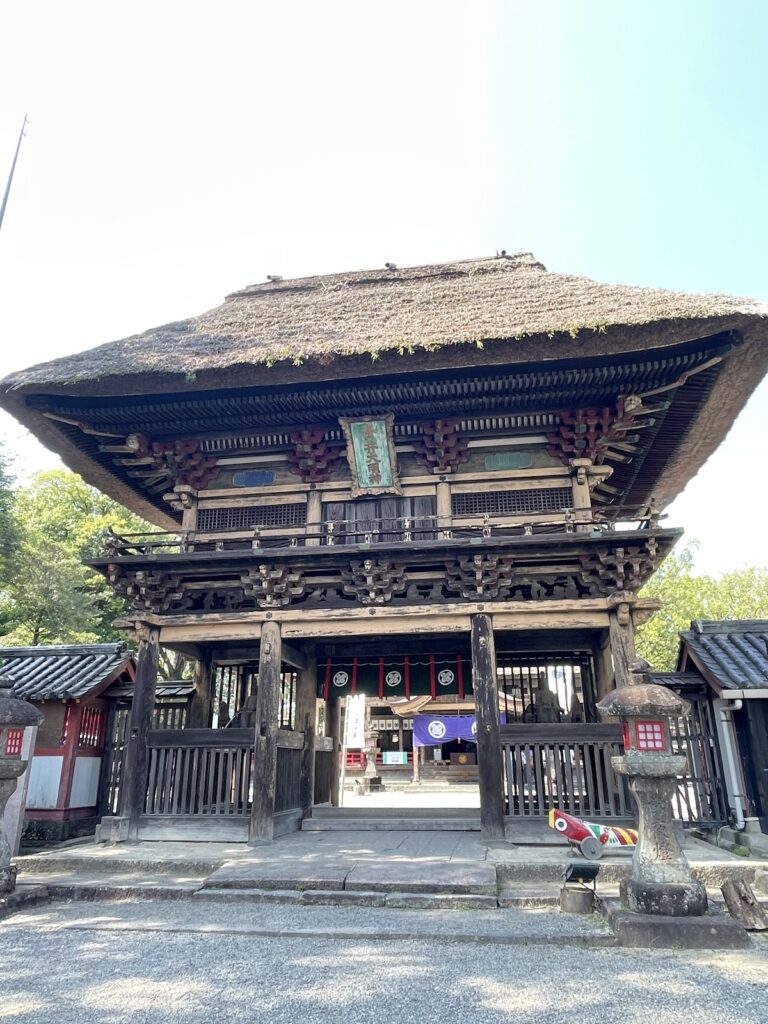
Complete Guide to Yude Shrine: A Thorough Explanation of its Origins, Deities, History, and Visiting Information
Yude Shrine is one of the many shrines throughout Japan associated with hot springs and water, and has long been a center of local faith. This article comprehensively explains everything visitors should know about Yude Shrine, including its origins, deities, historical background, rituals, and local information.
Table of Contents
- What is Yude Shrine?: Overview and Characteristics
- Origins and History of Yude Shrine
- Deities and their Place in Shinto
- Structure of the Shrine Buildings and Grounds
- Main Festivals and Rituals
- Local Information and Access
- Comparison with Related Yu Shrines and Yutsugi Shrines
What is Yude Shrine?: Overview and Characteristics
Yude Shrine is particularly known among Japanese shrines as a shrine associated with hot springs and water. The name “Yude” (湯出) is commonly found in shrines located at hot spring sites or therapeutic hot spring resorts, reflecting the cultural background of the Japanese people’s long-standing reverence for hot springs.
A key characteristic of our shrine is its role as a guardian deity in hot spring areas. Hot springs have been revered since ancient times as possessing mystical powers to heal illnesses. Shrines like Yude Shrine were established throughout the country as places to express gratitude for this blessing and pray for a stable flow of hot spring water.
The location of the shrine is also an important characteristic. In many cases, they are located near the source of the hot spring or in the center of areas that once flourished as therapeutic hot spring resorts, serving as a spiritual anchor for local residents and visitors. Some shrines have a history of being relocated due to natural disasters or social changes.
History and Origins of Yude Shrine
Founding and Ancient Records
The founding period of Yude Shrines varies depending on the region and individual shrine, but most date back to the ancient or medieval period. The worship of hot springs is mentioned in ancient texts such as the Nihon Shoki and Fudoki, and the custom of establishing shrines in hot spring areas has existed since ancient times.
Looking at examples of Yunotsugi Shrines located in Bizen Province and other regions, ancient documents such as the Bizen Province General Shrine manuscript, the Yamamoto clan manuscript, the Otaki manuscript, and the Saidaiji manuscript mention “Jugoi-jo Yunotsugi Shinmei” (Junior Fifth Rank, Upper Grade Yunotsugi Shrine), and it is counted as one of the 128 ancient shrines of Bizen Province. Such records indicate that shrines related to hot springs were officially recognized and considered important from ancient times.
Transition from the Medieval to the Early Modern Period
In the medieval period, many Yunotsugi Shrines came under the patronage of local influential figures and samurai families. For example, there are records of a shrine being moved from the center of the mountain to its current location at the foot of the mountain in 1441, indicating that relocations occurred due to war, natural disasters, or the movement of settlements.
During the Edo period, as hot spring resorts developed as therapeutic bathing destinations and attracted many visitors, Yude Shrine also played an increasingly important role as a center of local faith. People seeking the benefits of the hot springs would first visit the shrine to pray for a safe bathing experience and recovery from illness.
Modernization after the Meiji Era
With the Meiji era, the shrine system underwent modernization, and many shrines were placed under a shrine ranking system. Yude Shrine, too, was sometimes granted former shrine ranks such as village shrine or regional shrine, depending on its importance in the region.
In the Showa period, the enactment of the post-war Religious Corporations Law changed the management structure of shrines, but its role as the local tutelary shrine and guardian of the hot springs has been passed down to the present day. The main hall and other shrine buildings have also been renovated and rebuilt, leading to its current state.
Deities Enshrined and Their Place in Shinto
Characteristics of the Main Deity
The deities enshrined at Yude Shrine vary depending on the shrine, but generally, the following gods are worshipped:
Deities associated with hot springs and baths:
- Ōkuninushi-no-Mikoto: The god of nation-building, with legends of discovering hot springs.
- Sukunahikona-no-Mikoto: Known as the god of medicine and healing, said to have spread awareness of the efficacy of hot springs together with Ōkuninushi-no-Mikoto.
- Yutsugi-no-Kami: A deity worshipped in specific regions as the guardian deity of baths.
Local guardian deities:
- Susanoo-no-Mikoto: God of protection against misfortune and disease.
- Sugawara-no-Kami (Sugawara no Michizane): Sometimes enshrined together as the god of learning.
- Hokura-no-Kami: God who presides over abundant harvests.
Deities of hearths and food:
- Okutsuhiko-no-Kami and Okutsuhime-no-Mikoto: Gods of hearths.
- Ukanomitama-no-Mikoto: The god of food, known as Inari-sama.
The combination of these enshrined deities varies depending on the history of the shrine and the local religious practices. When multiple gods are enshrined, it is sometimes called “Shisha Daimyojin” (Four Great Deities).
Hot Spring Worship in Shinto
In Shinto, hot springs have long been considered sacred, seen as a manifestation of a mystical power gushing from underground. The healing power of hot springs was considered a blessing from the gods, and shrines were almost always established in hot spring areas.
Hot spring worship is deeply connected to the fundamental Shinto idea of nature worship. The warm water gushing from the earth is seen as a manifestation of the power of the gods residing underground, and expressing gratitude for this blessing and praying for the perpetual flow of hot springs is at the core of the faith at Yude Shrine.
Structure of the Shrine Buildings and Grounds
Main Hall and Worship Hall
The main hall of Yude Shrine is built according to traditional shrine architectural styles. In many cases, architectural styles such as Nagare-zukuri and Kasuga-zukuri are adopted, resulting in structures suited to the local climate and environment. The main sanctuary (Honden) is the most sacred place where the deity resides, and ordinary worshippers usually begin their prayers from the haiden (Haiden).
The haiden is where worshippers offer their prayers and is located in front of the main sanctuary. The size and decoration of the haiden reflect the status of the shrine and the economic strength of the region. Many shrine buildings have been renovated since the Showa period, and examples can be seen where traditional styles are preserved while incorporating modern earthquake-resistant structures.
Layout of the Shrine Grounds
In addition to the main sanctuary and haiden, the following facilities are located within the shrine grounds:
Torii Gate: The torii gate, marking the entrance to the sacred area, is a symbolic gate that guides worshippers from the secular world to the sacred realm. Torii gates can be made of stone or wood, and sometimes display the shrine’s crest.
Temizuya (Water Basin): A facility for purifying the body and mind before worship. Shrines in hot spring areas may use hot spring water.
Shrine Office: This is where amulets and talismans are distributed, and prayer requests are accepted.
Komainu (Guardian Lion-Dogs): A pair of guardian lion-dogs are placed around the shrine grounds, and in some cases, they are valuable cultural assets showcasing the skills of local stonemasons.
Shrine Crest and Decorations
Shrines have their own unique shrine crests, and in the case of Yude Shrine, traditional patterns such as “tortoise shell with flower rhombus” are sometimes used. The tortoise shell symbolizes longevity and protection, while the flower rhombus symbolizes prosperity and beauty, visually representing the shrine’s status and the nature of its faith.
Main Festivals and Rituals
Major Annual Festivals
Yude Shrine holds various festivals throughout the year. The main festivals include:
Annual Grand Festival:
This is the most important festival, held once a year, and is often held in the autumn. It includes a portable shrine procession, Kagura (sacred dance) performances, and festival events by local residents, attracting parishioners and worshippers.
Hot Spring Prayer Ceremony:
This is a special Shinto ritual praying for the stable flow of hot springs and the health of bathers. Historically, some shrines have a tradition that when the hot springs stopped flowing due to natural disasters such as earthquakes, the hot spring prayer ceremony was performed and the water began to flow again.
Monthly Festival:
This is a regular festival held on a specific day each month, where Shinto priests recite prayers and offer sacred food.
New Year’s Festival/New Year’s Day Festival:
This festival prays for safety and prosperity throughout the year as the new year begins. It is bustling with worshippers visiting for the first shrine visit of the year.
Special Shinto Rituals and Traditions
In some regions, unique Shinto rituals and traditions are passed down. For example, in the “Yudate Shinto Ritual,” which expresses gratitude for the blessings of hot springs, boiling water is offered to the gods, and the water is sprinkled on worshippers with bamboo leaves for purification and blessing.
The dedication of Kagura (sacred dance and music) is also an important ritual. Some shrines have a tradition of offering Kagura (sacred dance and music) in gratitude for the resurgence of hot springs after the Hoei Earthquake (1707) through prayers using hot spring water. This tradition continues to this day.
Local Information and Access
Location and Transportation Access
Transportation access to Yude Shrine varies depending on its location. The general methods of visiting are as follows:
Using Public Transportation:
- Access by foot or bus from the nearest station
- If located in a hot spring area, it is often within walking distance of the center of the hot spring town
- Taking a taxi from the station is also an option
Using a Private Car:
- Parking is often available around the shrine
- During festivals, congestion is expected, so using public transportation is recommended
- Searching for the shrine name on a car navigation system is convenient
Visiting Hours and Precautions
Visiting Hours:
Many shrines are open for worship from sunrise to sunset, but the opening hours of the shrine office may be limited. If you wish to obtain a Goshuin (temple/shrine stamp) or amulet, it is recommended to check the opening hours in advance.
Manners for Visiting a Shrine:
- Bow when passing through the torii gate
- Cleanse your hands and mouth at the temizuya (water basin)
- Worship in front of the main hall using the “two bows, two claps, one bow” method
- Maintain silence within the shrine grounds and be considerate of other worshippers
Attire:
There are no specific dress code requirements for visiting a shrine, but clean and subdued attire is desirable. For those receiving prayers, more formal attire is recommended.
Nearby Facilities and Sightseeing
If Yude Shrine is located in a hot spring area, the following facilities are available nearby:
- Hot spring inns and hotels
- Day-use hot spring facilities
- Hot spring town shopping streets
- Local history museums and museums
A sightseeing plan combining shrine visits and hot spring bathing is a popular and ideal way to refresh both mind and body.
Comparison with Related Yujinja Shrines and Yutsugi Shrines
Several shrines throughout Japan share similar names and characteristics with Yudejinja Shrine. Let’s compare some representative examples.
Yujinja Shrine (Matsuyama City, Ehime Prefecture)
Located in Dogo Onsen in Matsuyama City, Ehime Prefecture, Yujinja Shrine is a Shikinaisha (a shrine listed in the Engishiki, an ancient Japanese legal text) and formerly held the rank of Prefectural Shrine. It is believed to have been founded during the reign of Emperor Keiko, and enshrines Okuninushi-no-Mikoto and Sukunahikona-no-Mikoto as its main deities. Also known as “Yuzuki Daimyojin,” “Shisha Daimyojin,” and “Nishinomiya,” it is revered by the local community as the guardian deity of Dogo Onsen.
The shrine also enshrines Izumo-oka Shrine, another Shikinaisha, and its crest is a “tortoise shell with a flower rhombus.” Every March, the Yujinja Prayer Festival is held, continuing the tradition of praying for the stable flow of Dogo Onsen.
Yutsugi Shrine (Setouchi City, Okayama Prefecture)
Located in Isogami, Osafune-cho, Setouchi City, Okayama Prefecture, Yutsugi Shrine is a historically significant shrine, counted among the 128 ancient shrines of Bizen Province. Its enshrined deities are diverse, including Yutsugi-no-kami, Sugawara-no-kami, Hokura-no-kami, Susanoo-no-Mikoto, Okutsuhiko-no-kami, Okutsuhime-no-Mikoto, and Ukanomitama-no-Mikoto.
It is said that in ancient times, it was located in the center of Ietakayama Mountain, but was moved to its current location at the foot of the mountain in 1441 (Kakitsu 1). It is located approximately 2 km southeast of Kōtō Station on the JR Akō Line and is revered as the local guardian deity.
Yumae Shrine (Atami City, Shizuoka Prefecture)
Located in Atami City, Shizuoka Prefecture, Yumae Shrine is said to have been founded in 749 (Tenpyō Shōhō 1). According to legend, in the fourth year of Emperor Ninken’s reign (491 AD), hot spring water gushed from the seabed of Atami, causing fish to die out and fishermen to suffer losses. Following a divine revelation, a shrine was erected to enshrine the deity, marking the beginning of the shrine’s existence.
As a guardian shrine of Atami Onsen, it has become a central point of local faith, and its history is intertwined with the development of the hot spring town.
Similarities and Differences
What these shrines have in common is that they all have beliefs related to hot springs and water, and have been revered as guardian deities of the region. Many enshrine Ōkuninushi-no-Mikoto or Sukunahikona-no-Mikoto as their main deities, and are linked to myths and legends concerning the discovery and healing power of the hot springs.
On the other hand, differences include the founding period, former shrine rank, combination of enshrined deities, and the historical background of the region. Each shrine has its own unique form of faith and history, and each possesses its own distinct cultural value.
The Faith and Modern Significance of Yude Shrine
Hot Spring Culture and Shrine Faith
Japanese hot spring culture goes beyond mere bathing habits and is deeply intertwined with spirituality. Shrines in hot spring areas, such as Yude Shrine, are symbols of this cultural tradition and serve as places to express gratitude for the blessings of the hot springs.
Even today, the custom of visiting shrines during hot spring trips remains widespread, demonstrating a unique Japanese cultural form where tourism and faith are naturally integrated.
Center of the Local Community
Yude Shrine serves not merely as a religious facility for local residents but also as a center of the community. Festivals and Shinto rituals provide opportunities for local people to gather and foster intergenerational exchange.
In today’s society, where the birthrate is declining and the population is aging, maintaining shrines and passing on festivals is a challenge, but they play a crucial role in transmitting local history and culture to future generations.
Value as a Cultural Asset
Many Yude Shrines possess cultural assets such as main halls, shrine buildings, guardian lion-dogs, and stone monuments. These are valuable historical materials that tell the story of the region and are also valuable from the perspectives of architectural technology and arts and crafts.
The shrine grounds themselves are an important element in forming the historical landscape of the region, and their preservation and utilization are required from the perspective of cultural property protection.
Summary: The Significance of Visiting Yude Shrine
Yude Shrine is a unique entity where Japanese hot spring culture and Shinto beliefs are fused. It possesses multi-layered cultural value, including its long history dating back to ancient times, the deity enshrined to protect the hot springs, and festivals rooted in the local community.
For visitors, visiting Yude Shrine is not merely sightseeing, but a meaningful experience to touch upon traditional Japanese culture, give thanks for the blessings of the hot springs, and purify the mind and body. When visiting a hot spring area, why not visit Yude Shrine and reflect on its history and faith?
By checking local information in advance and observing appropriate worship manners, you can have a more fulfilling worship experience. The traditions and culture that Yude Shrine has preserved will continue to be passed down to future generations together with the local people.