Zenkyu-in Complete Guide: History and Cultural Assets of the Toda Family’s Family Temples in Matsumoto, Toyohashi, and Fukaya
Zenkyu-in is a Soto Zen Buddhist temple deeply connected to the Toda family, who played a significant role in Japanese history. Temples of the same name exist in Matsumoto City, Nagano Prefecture; Toyohashi City, Aichi Prefecture; and Fukaya City, Saitama Prefecture, each with its own historical background, having been established in conjunction with the Toda family’s relocation. This article provides a detailed explanation of the history, cultural assets, and current activities of each Zenkyu-in temple.
What is Zenkyu-in?: Overview and Basic Information
Zenkyu-in is a Zen Buddhist temple belonging to the Soto school, and is a highly prestigious temple with Eihei-ji Temple in Fukui Prefecture and Soji-ji Temple in Yokohama City, Kanagawa Prefecture as its head temples. In particular, Zenkyu-in in Matsumoto City is a direct branch temple of Soji-ji Temple and holds a special status as a “highly-ranked temple,” capable of training disciples on par with the head temple.
Basic Information on Zenkyuin Temples in Various Locations
Zenkyuin Temple in Matsumoto City (Seiryuzan Zenkyuin)
- Location: Ote, Matsumoto City, Nagano Prefecture
- Mountain Name: Seiryuzan
- Sect: Soto Zen
- Principal Image: Shakyamuni Triad, Eleven-faced Kannon Bodhisattva, Dakini Shinten
- Access: 11-minute walk from Matsumoto Station on the JR Shinonoi Line
Zenkyuin Temple in Toyohashi City (Senjuzan Zenkyuin)
- Location: Togo-cho, Toyohashi City, Aichi Prefecture
- Mountain Name: Senjuzan (Senjuzan)
- Sect: Soto Zen
- Principal Image: Seated Shakyamuni Buddha
Zenkyuin Temple in Fukaya City (Tohozan Zenkyuin)
- Location: Toho, Fukaya City, Saitama Prefecture
- Mountain Name: Tohozan
- Sect: Soto Zen
- Features: Fukaya Seven Lucky Gods’ Jurojin, and the Fujibakama Temple of the Seven Herb Temples Pilgrimage.
History of Zenkyu-in Temple: Deep Connections with the Toda Family
To understand the history of Zenkyu-in Temple, it is essential to know the history of the Toda family and the circumstances of their relocation. The Toda family served as important retainers of Tokugawa Ieyasu and were based in Mikawa Province (present-day Aichi Prefecture).
Origins of the Toda Family and Zenkyu Nyudo
The name Zenkyu-in Temple originates from Toda Zenkyu Nyudo (Toda Munemitsu). Toda Munemitsu is known as the ancestor of the Toda clan, and Zenkyu-in Temple was built by his descendants to mourn his passing. In particular, Matsudaira Tango-no-kami Yasunaga (Toda Yasunaga) is said to have founded Zenkyu-in temples in various locations to pray for the repose of his ancestor, Toda Danjozaemon Munemitsu.
Zenkyu-in Temple in Toyohashi: The Place of Origin
Zenkyu-in Temple in Toyohashi City is believed to have been founded during the Muromachi period and is considered to be the oldest of all Zenkyu-in temples. This temple was built as the family temple of Toda Zenkyu Nyudo, and later became the family temple of Matsuhime (Tokugawa Ieyasu’s half-sister), the principal wife of Toda (Matsudaira) Yasunaga.
Matsuhime was the daughter of Tokugawa Ieyasu’s mother, Oda-no-kata, and her second husband, Hisamatsu Toshikatsu, and is a figure symbolizing the strong ties between the Tokugawa and Toda families. Because of this connection, Zenkyu-in Temple also developed a deep relationship with the Tokugawa family.
Zenkyu-in Temple in Toyohashi is associated with a folk tale called “The Dragon’s Scale,” and plays an important role as a cultural heritage of the region.
Zenkyu-in Temple in Matsumoto: Established during the Edo Period
Seiryuzan Zenkyu-in Temple in Matsumoto City was established when the Toda family became the lords of the Matsumoto domain. During the Edo period, the Toda family ruled the area as lords of Matsumoto Castle and founded Zenkyu-in Temple as their family temple.
Matsumoto’s Zenkyu-in Temple was located near Otebashi Bridge on the left bank of the Metoba River and functioned as an important religious facility in the castle town. According to a map from 1728 (Kyoho 13), it is confirmed that Zenkyu-in had three sub-temples (tatchu: small temples within the grounds of a larger temple): Toshoken, Chikuoken, and Fukujuken.
Zenkyu-in Temple in Fukaya: A Copy from Toyohashi
Tohozan Zenkyu-in Temple in Fukaya City, Saitama Prefecture, is said to have been founded during the Edo period by Matsudaira Tango-no-kami Yasunaga when he ruled the area, as a copy (imitation) of Zenkyu-in Temple in Toyohashi. This illustrates the history of the Toda family establishing temples to commemorate their ancestors in various locations as they ruled different regions.
Zenkyu-in Temple in Fukaya is currently a temple that enshrines Jurojin, one of the Seven Lucky Gods of Fukaya, and is also known as the temple of the Fujibakama flower in the Seven Herb Temples Pilgrimage, attracting local faith. Furthermore, it is the 50th temple on the Hatara County Eighty-Eight Sacred Sites pilgrimage.
Cultural Assets and Highlights of Matsumoto Zenkyu-in Temple
Zenkyu-in Temple in Matsumoto City is known for its historical cultural assets and beautiful grounds.
Principal Image and Buddhist Statues
The principal image of Matsumoto Zenkyu-in Temple is the Shakyamuni Triad, with three Buddhist statues centered around Shakyamuni Buddha. Eleven-faced Kannon Bodhisattva and Dakini Shinten are also enshrined, making it an object of diverse worship.
Features of the Temple Grounds
The grounds of Matsumoto Zenkyu-in Temple are a charming space that retains the atmosphere of a castle town. Located along the Metoba River, you can enter the temple grounds by crossing the Ote Bridge, turning right, and proceeding west along the riverbank. The temple grounds contain historical buildings and gardens, and activities such as Zen meditation sessions and tea ceremony (Omotesenke style) are also held there.
In 1876 (Meiji 9), a pseudo-Western style building was constructed on the left bank of the Metoba River downstream from Chitose Bridge, demonstrating the temple’s development while being influenced by the wave of modernization.
History of the Sub-temples
As mentioned above, during the Edo period, there were three sub-temples: Toshoken, Chikuoken, and Fukujuken. These demonstrate the high status of Zenkyuin and the scale of the temple at that time.
Current Activities of Zenkyuin
Zen Meditation Sessions and Training
Zen meditation sessions are held regularly at Zenkyuin in Matsumoto, and are open to the public. Based on the teachings of Soto Zen, Zen meditation is popular among many as an opportunity for mental stability and self-reflection.
Tea Ceremony and Cultural Activities
Omotesenke style tea ceremony classes are also held, serving as a place to learn about traditional Japanese culture. Zen and the tea ceremony have a long and deep connection, and as the phrase “Tea and Zen are one” suggests, they share a common emphasis on spirituality.
Publication of Zenkyuin Newsletter
Matsumoto Zenkyuin regularly publishes a temple newsletter called “Zenkyuin Newsletter,” which informs parishioners and followers about the temple’s activities, events, and Buddhist teachings. Information has been continuously disseminated, including the January 2026 issue, the July 2025 issue, the January 2025 issue, and the July 2024 issue.
Funerals and Memorial Services
Zenkyuin temples throughout the region not only serve as the Toda family’s ancestral temple, but also function as temples that conduct funerals and memorial services for local residents. Matsumoto Zenkyuin, in particular, is used as a venue for funerals and family funerals, and is equipped with facilities such as parking.
Relationship between Zenkyuin and the Tokugawa Family
An essential aspect of discussing Zenkyuin is its deep connection with the Tokugawa family.
Matsuhime and Tokugawa Ieyasu
Matsuhime, buried at Zenkyu-in Temple in Toyohashi, was a crucial figure connecting the Toda and Tokugawa families as the half-sister of Tokugawa Ieyasu. She became the principal wife of Toda Yasunaga, strengthening the ties between the two families.
Relationship with Shinshu Matsumoto Shrine
Toda Zenkyu Nyudo (Munemitsu) and Matsuhime are both enshrined as deities at Shinshu Matsumoto Shrine. This is evidence of the Toda family’s history as lords of the Matsumoto domain and the recognition of their achievements in later generations.
Visiting Zenkyu-in Temples in Various Locations
Access to Matsumoto Zenkyu-in Temple
Located approximately 11 minutes on foot from Matsumoto Station on the JR Shinonoi Line, and close to Matsumoto Castle, it’s a convenient stop during Matsumoto sightseeing.
Access to Toyohashi Zenkyu-in Temple
Located in Togo-cho, Toyohashi City, it has a parking lot on the premises, making it convenient for those visiting by car.
Access to Zenkyu-in Temple in Fukaya
Located in the eastern part of Fukaya City, Zenkyu-in is a popular destination for those visiting as part of the Fukaya Seven Lucky Gods pilgrimage. It is particularly known for its beautiful autumn foliage (Eupatorium fortunei) and as a temple of the Seven Herb Temple Pilgrimage Association.
Architectural Style and Characteristics of Zen Temples at Zenkyu-in
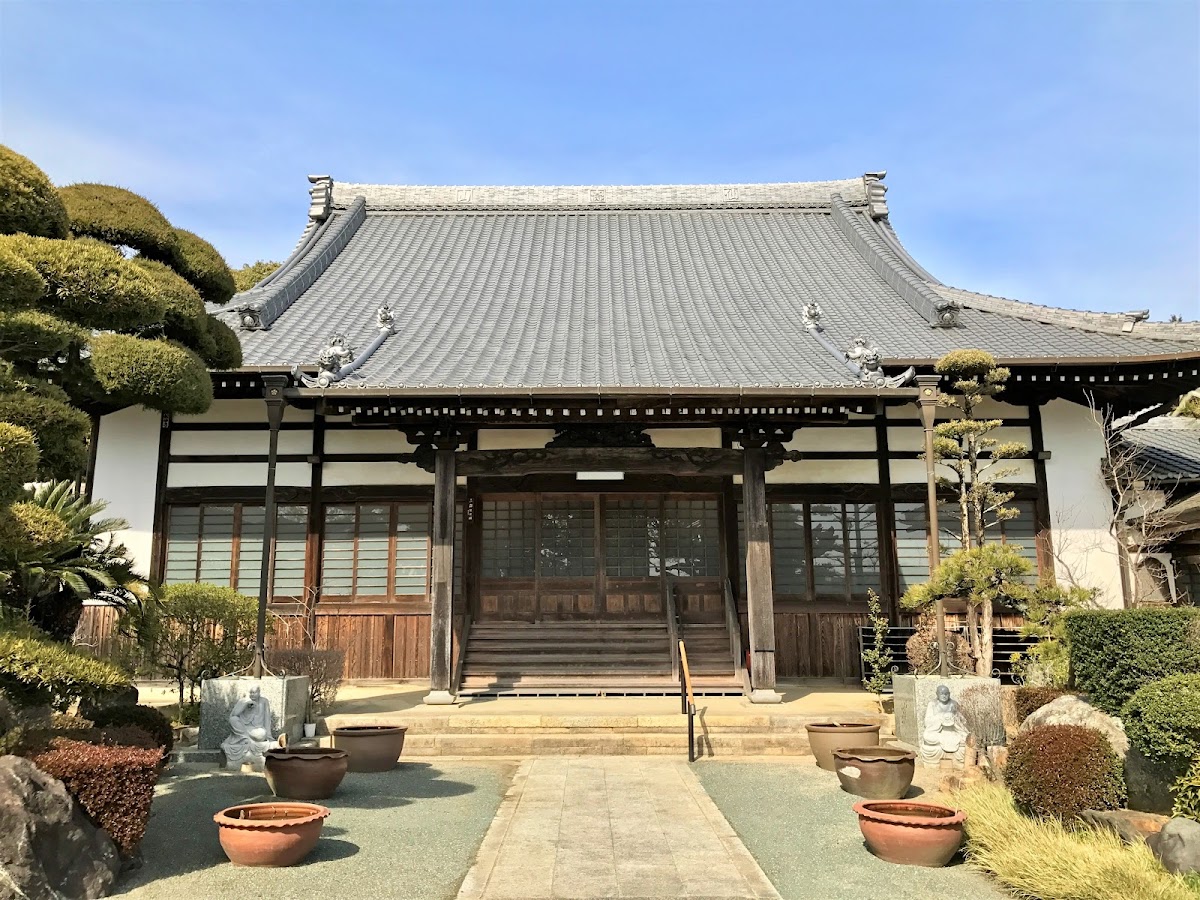
Zenkyu-in, a Soto Zen temple, possesses an architectural style unique to Zen Buddhism. The main hall is simple yet majestic, with a space designed for Zen meditation practice.
The layout of the temple grounds is also based on Zen teachings, with the main gate, main hall, and living quarters arranged according to certain rules. Furthermore, gardens sometimes feature dry landscape gardens or pond gardens, expressing the spirit of Zen.
Zenkyu-in and the Local Community
Zenkyu-in temples throughout Japan have functioned not merely as religious facilities, but as cultural and spiritual centers for their respective communities.
As Zenkyu-in in Fukaya participates in the Fukaya Seven Lucky Gods pilgrimage and the Seven Herb Temple Pilgrimage Association, it plays an important role as a local tourist resource and part of pilgrimage routes. Furthermore, it also plays an educational role in conveying Buddhist culture and traditional Japanese culture to local residents through activities such as Zen meditation sessions and tea ceremony classes.
Zenkyu-in’s Status and Position within the Soto Zen School
Zenkyu-in in Matsumoto is a direct branch temple of Soji-ji Temple and possesses the “Kakuchi” (high-ranking temple) status, indicating its high status within the Soto Zen school. “Kakuchi” is a status granted to temples that can train disciples on par with the head temple, and only a limited number of temples hold this status.
This status reflects the position the Toda family held as important retainers of the Tokugawa family and the importance of the role Zenkyu-in has played as their family temple.
Summary: The Historical Significance and Modern Value of Zenkyu-in
Zenkyu-in is a temple that has walked hand in hand with the history of the Toda family and is a valuable cultural heritage that shows the relationship between samurai society and Buddhism from Japan’s Sengoku period to the Edo period. The existence of temples with the same name in three regions—Matsumoto, Toyohashi, and Fukaya—tells the story of the Toda family’s relocations and the way they governed in each region.
Even today, Zenkyuin continues to pass on the teachings of Zen and traditional Japanese culture to modern people through activities such as Zen meditation sessions and tea ceremony classes. While preserving historical cultural assets, Zenkyuin functions as a spiritual pillar for the local community, playing a vital role in connecting the past and the present.
Visiting Zenkyuin offers more than just a chance to admire historical buildings; it provides an opportunity to experience multifaceted Japanese culture, including the history of Japan’s samurai society, the relationship between the Tokugawa and Toda families, and the teachings and culture of Zen Buddhism. Learning about the unique history and characteristics of each Zenkyuin in different locations will lead to a deeper understanding and a more profound appreciation.