
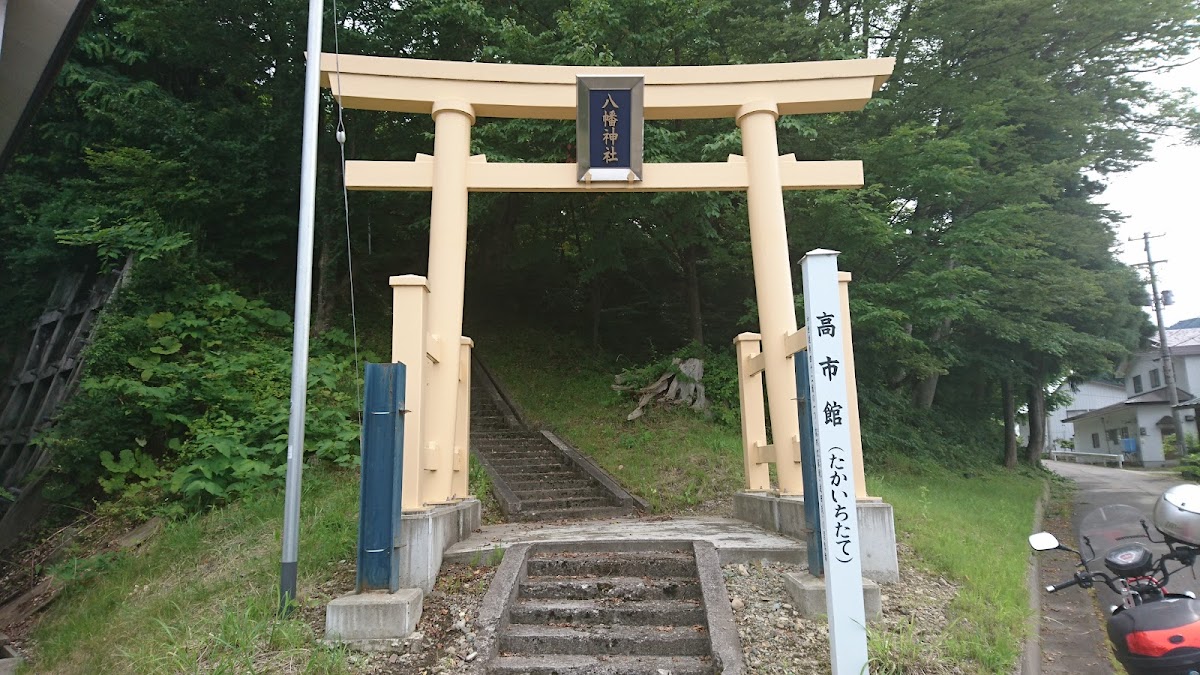
Hachiman Shrine (Hanawa, Kazuno City, Akita Prefecture) Complete Guide: History, Goshuin (Shrine Seal), and Visiting Information Summary
Hachiman Shrine, located in Hanawa, Kazuno City, Akita Prefecture, is a historical shrine deeply rooted in the local community. While several shrines exist within Kazuno City, this article focuses on the Hachiman Shrine in Hanawa, Kazuno City, providing detailed information on its history, enshrined deities, visiting information, and surrounding attractions.
History and Origins of Hachiman Shrine
Founding and Reconstruction in Enpo 8
The details of Hachiman Shrine’s founding are unknown, only known through legend, but records indicate it was rebuilt in Enpo 8 (1680). This period coincided with the mid-Edo period, and it was developed as a center of local faith under the rule of the Akita Domain.
Since its reconstruction in Enpo 8, Hachiman Shrine has undergone several repairs and maintenance, and has been carefully preserved by the local people. In 1873 (Meiji 6), it was designated a village shrine, officially recognizing its status as a Shinto shrine. This designation demonstrates the importance of the Hachiman Shrine in the region.
Hachiman Faith and its Connection to the Community
There are over 46,000 Hachiman shrines throughout Japan, making Hachiman the most frequently enshrined deity in shrines. The Hachiman faith, which spread nationwide from its head shrine, Usa Jingu (Oita Prefecture), possesses both the characteristics of a war god and aspects of a guardian deity of agriculture and the region.
The Hachiman Shrine in Hanawa, Kazuno City, also follows this tradition of Hachiman faith, and for many years has attracted the faith of local residents as a place to pray for the peace and prosperity of the region. The Hanawa area has long been a transportation hub and a prosperous region due to commerce and mining. Along with the development of this region, the Hachiman Shrine has existed as a spiritual pillar of the community.
Deities and Divine Virtues
Main Deity: Hondawake-no-Mikoto (Emperor Ojin)
The main deity of Hachiman Shrine is Hondawake-no-Mikoto, also known as Emperor Ojin. Emperor Ojin was the 15th Emperor of Japan and is revered throughout Japan as Hachiman-sama. While known as the god of military fortune and victory, he is also believed to possess a wide range of divine virtues, including industrial development, traffic safety, and protection against misfortune.
What You Can Pray for at Hachiman Shrine
Hachiman Shrine is believed to bestow the following divine blessings:
- Long-lasting Military Fortune and Good Luck in Competitions: As a god of war, it is believed to bring good fortune in competitions such as sports and examinations.
- Family Safety and Community Safety: As a guardian deity of the community, it protects the peace of families and communities.
- Business Prosperity: As a god that watches over the development of industry, you can pray for the success of your business.
- Traffic Safety: It has long been worshipped as a guardian deity of highways.
- Protection from Misfortune and Disaster: It offers divine protection from various calamities.
Highlights of the Shrine Grounds
Architectural Style of the Shrine
Since its reconstruction in 1670 (Enpo 8), the shrine has undergone several repairs and retains the characteristics of traditional shrine architecture in the Tohoku region. Its simple yet dignified appearance speaks to the deep faith of the local people.
Atmosphere of the Shrine Grounds
Located in Hanawa-ji Hachimankan, Hachiman Shrine maintains a tranquil atmosphere despite being surrounded by residential areas. The grounds are lined with ancient trees, offering a sense of beauty that changes with the seasons. In particular, the autumn foliage season beautifully colors the grounds, delighting visitors.
Autumn is a particularly beautiful time for viewing the autumn leaves. ## Information on Visiting Hachiman Shrine
Basic Information
Location: Hachimankan, Hanawa, Kazuno City, Akita Prefecture
Jurisdiction: Akita Prefectural Shrine Association
Shrine Rank: Former Village Shrine
Visiting Hours: Generally open to visitors (please check the shrine office hours)
Parking: Available (limited spaces, so caution is advised during festivals)
Access Methods
Access by Train:
- Approximately 15-20 minutes on foot from JR Hanawa Line “Kazuno-Hanawa Station”
- Approximately 5 minutes by taxi from the station
Access by Car:
- Approximately 10 minutes from Tohoku Expressway “Kazuno-Hachimantai IC”
- From National Route 282 towards Hanawa city center
- When setting your car navigation system, search for “Hachimankan, Hanawa, Kazuno City, Akita Prefecture”
Access by Bus:
- Take the Shuhoku Bus Hanawa Line and walk from the nearest bus stop
Manners and Etiquette for Visiting a Shrine
- Bow before passing through the torii gate: This is a sign of respect before entering the sacred area.
- Purify yourself at the water basin: Purify your left hand, then your right hand, then your mouth.
- Walk along the edge of the path: The center is considered the path of the gods.
- Two bows, two claps, one bow: Follow the general etiquette for visiting a shrine.
- Worship quietly: Consideration for other worshippers is important.
About Goshuin (Shrine Seals)
Regarding Goshuin at Hachiman Shrine (Hanawa-ji Hachimankan), it is recommended to check the shrine office’s availability in advance. Some shrines in Akita Prefecture may not have a resident priest, and Goshuin may only be available on limited dates and times.
For more reliable information, contact the Akita Prefectural Shrine Association or the local tourism association before your visit.
Annual Events and Festivals
Main Annual Events
At Hachiman Shrine, annual events based on local traditions are held:
Annual Grand Festival: The most important festival, held at a fixed time each year, where local residents gather for portable shrine processions and offerings.
New Year’s Visit: The shrine is bustling with worshippers in the new year, praying for safety and prosperity throughout the year.
Setsubun Festival: A festival to ward off evil and invite good fortune, with participation from local residents.
Autumn Grand Festival: An important event to express gratitude for the harvest and pray for a bountiful harvest in the coming year.
Connections with the Community
The festivals at Hachiman Shrine are an important opportunity to strengthen the bonds of the local community. Many local residents are involved in the preparation and operation of the festivals, making it a place for intergenerational exchange.
History and Culture of Hanawa District, Kazuno City
Historical Background of Hanawa
Hanawa is the center of Kazuno City and has flourished as a transportation hub since ancient times. During the Edo period, it was under the control of the Nanbu Domain and played an important role as the northern gateway to the Morioka Domain. Furthermore, mining, including the Osarizawa Mine, developed, and it prospered as a commercial town.
Hanawa Bayashi
The “Hanawa Bayashi” is a representative cultural event of Hanawa, Kazuno City. Held annually on August 19th and 20th, this festival is considered one of Japan’s three major festivals and is designated as a National Important Intangible Folk Cultural Property. The sight of magnificent floats parading through the town is breathtaking, attracting many tourists from all over Japan.
While not directly related to the Hachiman Shrine festival, it is an important element in forming the regional identity as part of the Hanawa district’s culture.
Differences from Other Shrines in Kazuno City
Kazuno City has several shrines, each with its own unique characteristics:
Differences from Kazuno Yasaka Shrine
One of the most well-known shrines in Kazuno City is the “Kazuno Yasaka Shrine” located in the Hachimantai area. This shrine is nationally popular as a place for matchmaking and is famous for its cute guardian cats, Akita dog statues, and colorful goshuin (shrine stamps). It is an outlying shrine of the Amaterasu Kōmiso Shrine, and its main deities are Susanoo-no-Mikoto and Kushinadahime-no-Mikoto.
On the other hand, the Hachiman Shrine in Hanawa-aza-Hachimankan is a traditional Hachiman faith shrine dedicated to Emperor Ōjin. It has a strong character as a guardian deity of the region and is more rooted in local faith than in tourism.
Relationship with Amaterasu Kōmiso Shrine
The Amaterasu Kōmiso Shrine is important for understanding the relationships between shrines in Kazuno City. This shrine holds a central position as the guardian shrine of the Kazuno region, and the aforementioned Kazuno Yasaka Shrine is an outlying shrine of this shrine. The Hachiman Shrine in Hanawa-ji Hachimankan is an independent shrine that attracts the faith of the local community.
Nearby Tourist Attractions
Attractions in Kazuno City
Osarizawa Mine Ruins: Once considered the largest copper mine in East Asia, it is now open to the public as a tourist mine. The mine maintains a temperature of around 13 degrees Celsius year-round, making it a cool tourist spot in summer and warm in winter. Approximately 15 minutes by car from Hachiman Shrine.
Oyu Stone Circle: A late Jomon period archaeological site designated as a National Special Historic Site. It features two large stone circles, the Nonakado Stone Circle and the Manza Stone Circle, offering a glimpse into the mysteries of Jomon culture. Approximately 20 minutes by car from Hachiman Shrine.
Korakukan: Built in 1910 (Meiji 43), it is the oldest active theater and a National Important Cultural Property. Although located in Kosaka Town, it is close to Kazuno City, allowing visitors to enjoy Kabuki and other theatrical performances. Approximately 30 minutes by car from Hachiman Shrine.
Lake Towada: Located east of Kazuno City, it is one of Japan’s leading caldera lakes. Enjoy its beautiful scenery and abundant nature. Approximately 40 minutes by car from Hachiman Shrine.
Exploring Hanawa Town
Hanawa town retains old merchant buildings and a historical streetscape. A leisurely stroll, combined with a visit to Hachiman Shrine, is highly recommended. You can also enjoy Akita’s unique local products and regional cuisine in the local shopping streets.
Kazuno City Gourmet Information
Kazuno’s Local Cuisine
Kiritanpo: A representative regional dish of Akita Prefecture, with Kazuno City being one of its home centers. Freshly harvested rice is mashed, wrapped around a skewer, grilled over charcoal, and then served in a pot. It pairs exceptionally well with the local Hinai chicken.
Hachimantai Pork: A brand of pork raised in Kazuno City. Characterized by its tenderness and rich flavor, it can be enjoyed at local restaurants and eateries.
Offal: Kazuno City is a hidden gem known for its offal dishes. Many yakiniku (grilled meat) restaurants serve fresh offal, making it popular with both locals and tourists.
Soba: The Kazuno region is also a producer of high-quality soba noodles, and numerous restaurants serving handmade soba are scattered throughout the area.
Recommended Restaurants near Hanawa
Hanawa city center boasts many restaurants serving dishes made with local ingredients. Why not stop by before or after visiting the shrine and enjoy the flavors of Akita? Especially in winter, kiritanpo nabe (rice cake hot pot) is highly recommended for its warming properties.
Accommodation in Kazuno City
Accommodation Options near Hanawa
Business Hotels: Several reasonably priced business hotels are located near Kazuno-Hanawa Station. They are convenient as a base for sightseeing.
Hot Spring Inns: Kazuno City and the surrounding area have several high-quality hot spring resorts, including Hachimantai Onsenkyo and Oyu Onsen. You can relax and unwind in the hot springs.
Guesthouses and Pensions: Some accommodations offer a homey atmosphere and allow you to enjoy local cuisine.
Seasonal Accommodation Tips
Winter (December-March): Due to the heavy snowfall in this region, winter tires are essential if traveling by car. Staying at a hot spring inn is recommended.
Summer (July-August): Accommodations become crowded during the Hanawa Bayashi festival (August 19th-20th), so early reservations are necessary.
Autumn (September-November): This is a beautiful season for autumn foliage; combining your stay with sightseeing at Lake Towada or Hachimantai is recommended.
Points to Note and Advice for Visiting the Shrine
Seasonal Clothing and Preparations
Spring (April-June): It can get chilly in the mornings and evenings, so bring a light jacket or cardigan.
Summer (July-September): The sun is strong, so a hat and sunscreen are recommended. Insect repellent spray is also recommended.
Autumn (October-November): As temperatures begin to drop, a jacket is necessary. This is a beautiful season for viewing autumn foliage.
Winter (December-March): Snowfall is common, and temperatures often drop below freezing, so be sure to dress warmly. Choose shoes that are non-slip.
Regarding Photography
Photography is generally permitted at shrines, but please note the following:
- Refrain from taking photos inside the main hall.
- Be considerate of other worshippers.
- Obtain prior permission for photography during festivals.
- When posting on social media, be mindful that it is a sacred place.
Accessibility Information
Shrine grounds often have steps, making wheelchair access difficult. It is recommended to check in advance or visit with an accompanying person.
Community Contribution and the Role of the Shrine
As the Center of the Local Community
Hachiman Shrine is not merely a place of worship; it plays a central role in the local community. Through festivals and cleaning activities, these events serve as a place for community interaction and strengthen local bonds.
Preservation of Traditional Culture
Shrine festivals and annual events are important opportunities to pass on local traditional culture to the next generation. By participating in festivals, children can learn about and take pride in the history and culture of their region.
Potential as a Tourism Resource
The Hachiman Shrine in Hanawa-ji Hachimankan is not a flashy tourist shrine, but it is a valuable cultural asset that allows visitors to feel the history of the region. By combining it with other local tourism resources, it can convey the deeper charm of Kazuno City.
Hachiman Shrine Network in Akita Prefecture
There are numerous Hachiman Shrines in Akita Prefecture, each closely linked to the history of its region:
Hachiman Akita Shrine (Akita City): Located in the heart of Akita City, this Hachiman Shrine is one of the largest in the prefecture.
Hiyoshi Hachiman Shrine (Yabashi, Akita City): Affectionately known as “Yabashi’s Sanno-san,” its origins trace back to the Shinjo Castle lord’s enshrinement in Shinjo Sasaoka.
Honjo Hachiman Shrine (Yurihonjo City): One of Yurihonjo City’s representative shrines.
These shrines, along with the Hachiman Shrine in Hanawa, Kazuno City, are connected by the same Hachiman faith, but each possesses its own unique regional characteristics.
Frequently Asked Questions (FAQ)
Q1: Are the Hachiman Shrine (Hanawa, Kazuno City) and Kazuno Yasaka Shrine the same shrine?
A1: No, they are different shrines. The Hachiman Shrine is located in Hanawa, Kazuno City, and is a traditional Hachiman faith shrine dedicated to Emperor Ojin. On the other hand, Kazuno Yasaka Shrine is located in the Hachimantai area and is known as a shrine for matchmaking, dedicated to Susanoo-no-Mikoto and Kushinadahime-no-Mikoto.
Q2: Can I get a Goshuin (temple/shrine stamp)?
A2: The availability of Goshuin depends on the shrine office’s operations. We recommend contacting the Akita Prefectural Shrine Association or the local tourism association before your visit. Since there may not always be a resident priest, prior confirmation is essential.
Q3: Is there parking available?
A3: There is parking available, but spaces are limited. Especially during festivals and the New Year’s period, congestion is expected, so please consider using public transportation.
Q4: What is the best time to visit?
A4: We generally recommend visiting during daylight hours. Early mornings and evenings offer a quiet and peaceful atmosphere. If you wish to receive assistance at the shrine office, please check the hours in advance.
Q5: Can I visit during the winter?
A5: Yes, you can visit during the winter, but due to snow, please wear non-slip shoes and dress warmly. Depending on snow removal conditions, access to some parts of the shrine grounds may be difficult.
Q6: Are there any places to eat nearby?
A6: There are several restaurants in the Hanawa town area. Some serve kiritanpo (rice dumplings) and local cuisine, allowing you to enjoy local flavors before or after your visit.
Q7: Is it within walking distance from Kazuno-Hanawa Station?
A7: Yes, it’s about a 15-20 minute walk from Kazuno-Hanawa Station. You can also stroll through the Hanawa town area on your way. If you have a lot of luggage or are in a hurry, taking a taxi is convenient (about 5 minutes).
Q8: When are the festivals held?
A8: For accurate information on the dates of major festivals such as the annual grand festival, please inquire with the Akita Prefectural Shrine Association or the local tourism association. Annual events based on local traditions are held throughout the year.
Summary: The Charm and Value of Visiting Hachiman Shrine
Located in Hachimankan, Hanawa, Kazuno City, Akita Prefecture, Hachiman Shrine is a historic shrine that has attracted the faith of the local community for over 300 years since its reconstruction in 1680. While not a flashy tourist shrine, it is a valuable presence that conveys the traditions and culture rooted in the region.
As a shrine of Hachiman worship dedicated to Emperor Ojin, it is believed to offer a wide range of divine blessings, including military success, family safety, business prosperity, and traffic safety. The tranquil grounds are cherished by locals as a place to escape the hustle and bustle of everyday life and find peace of mind.
When visiting Kazuno City, why not also visit Hachiman Shrine along with other tourist spots such as Hanawa Bayashi, Osarizawa Mine, and Oyu Stone Circles? Taking the time to visit and feel the region’s history and culture will surely deepen your travel memories.
Hachiman Shrine, a place with a long history in the Tohoku region of Akita. Within its tranquil atmosphere, one can feel the faith of the local people and the weight of traditions that have been passed down through generations. Unlike famous shrines that attract worshippers from all over the country, this shrine possesses a unique charm deeply rooted in the local community.
When you travel to Kazuno City, be sure to visit Hachiman Shrine and experience a part of Akita’s history and culture.

