Hassamu Shrine Complete Guide | The Charm and Visiting Information of a Historic Shrine in Nishi-ku, Sapporo
What is Hassamu Shrine?
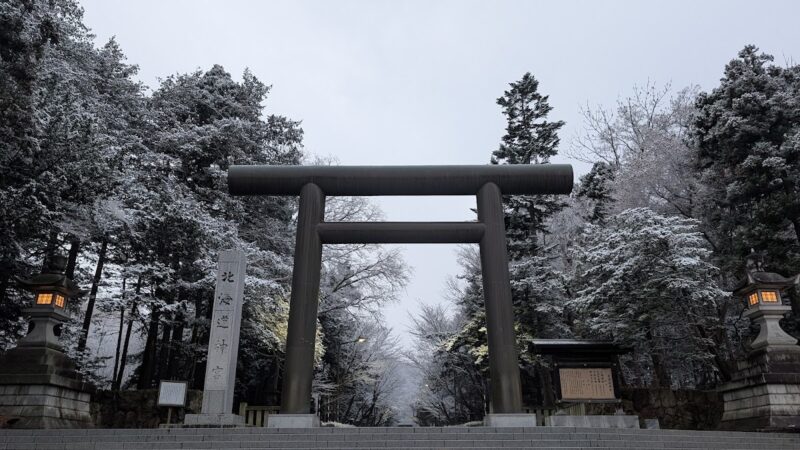
Hassamu Shrine is a historic shrine located at 1-33, Hassamu 11-jo 3-chome, Nishi-ku, Sapporo, Hokkaido. Conveniently located about a 3-minute walk from the north exit of Hassamu-Chuo Station on the JR Hakodate Main Line, it is a beloved local shrine and the second oldest shrine in Sapporo.
Across the road from Sapporo Municipal Hassamu Elementary School, the shrine grounds feature a restored stone circle, preserving the ancient history of this area. The shrine enshrines Toyouke-no-Okami and Uganomitama-no-Okami, welcoming visitors with various blessings including abundant harvests, business prosperity, and protection from evil.
History and Origins of Hassamu Shrine
Founded in the Late Edo Period
The history of Hassamu Shrine dates back to 1856 (Ansei 3). Seventeen people, led by Yamaoka Seijiro Kazue-no-kami, who received orders from the shogunate to develop Ezo (Hokkaido), settled in this area and established an Inari shrine. At that time, the development of Hokkaido was a nationally important project, and Hassamu became a crucial base for laying the foundation for the development of the northern frontier.
While developing the area in a harsh environment, the settlers diligently performed rituals at the Inari shrine, finding spiritual support. This Inari shrine is the predecessor of the current Hassamu Shrine.
Development in the Meiji Era
In 1875 (Meiji 8), when 32 households settled in this area as the first group of the Hokkaido Tondenhei (frontier soldiers), the shrine’s fortunes greatly increased. The Tondenhei were an important force, serving both development and defense, and their settlement led to the rapid development of the Hassamu area.
In December 1898 (Meiji 31), the shrine received the honor of receiving a divided spirit of Toyouke-no-Okami from Ise Grand Shrine, revered as the founder of the sect. This marked a major turning point for the shrine, and in March 1899 (Meiji 32), it was officially recorded in the shrine’s detailed register.
Renaming to Hassamu Shrine
In January 1903 (Meiji 36), the shrine was renamed from “Inari Shrine, Hassamu Village, Sapporo District, Ishikari Province, Hokkaido” to “Hassamu Shrine,” a name officially approved by the Governor of Hokkaido. This renaming signified its elevation from a mere Inari shrine to a representative shrine of the region.
Since then, Hassamu Shrine has walked hand in hand with the community for over 120 years, serving as a guardian deity of the region and an important cultural asset that tells the history of its development.
Deities and Blessings
Toyouke-no-Okami
Toyouke-no-Okami is the deity of food and grains, enshrined at the Outer Shrine of Ise Grand Shrine. Widely worshipped as the guardian deity of abundant harvests, industrial development, and the necessities of life (clothing, food, and shelter). This deity is particularly important to those involved in agriculture and commerce. In the pioneering days of Hassamu, securing food was a top priority, making the enshrinement of this deity extremely significant.
Uganomitama-no-Okami
Uganomitama-no-Okami is the deity of grain and food, widely known as Inari-no-Okami. It is believed to bring blessings of business prosperity, family safety, and good fortune. Considering the history of Hassamu Shrine, which was originally founded as an Inari shrine, it is highly likely that this deity was enshrined from the beginning, making it a fundamental deity of the shrine.
Main Benefits
Hassamu Shrine is believed to offer the following benefits:
- Abundant Harvest: Prosperity of agriculture and food-related industries
- Business Prosperity: Success and development of businesses
- Protection from Evil: Protection from disasters and calamities
- Good Fortune and Happiness: Increased luck and the arrival of happiness
- Healing from Illness and Prayer for Health: Maintenance of physical and mental health
- Family Safety and Marital Harmony: Peace and harmony in the home
- Increased Financial Fortune: Improvement of financial luck
Highlights of the Shrine Grounds
Stone Circle (Circular Stone Arrangement)
Within the grounds of Hassamu Shrine, a tomb and a stone circle (circular stone arrangement), ancient ruins dating back to around the 10th century, have been restored. This is a valuable historical site indicating that Hassamu was a place of human habitation since ancient times.
The stone circle is thought to have been used for rituals and ceremonies, suggesting that this area may have been recognized as a sacred place even before the shrine was established. Modern visitors can experience the history of people living and praying in this land for over a thousand years by viewing this restored stone circle.
Shrine Buildings and Grounds
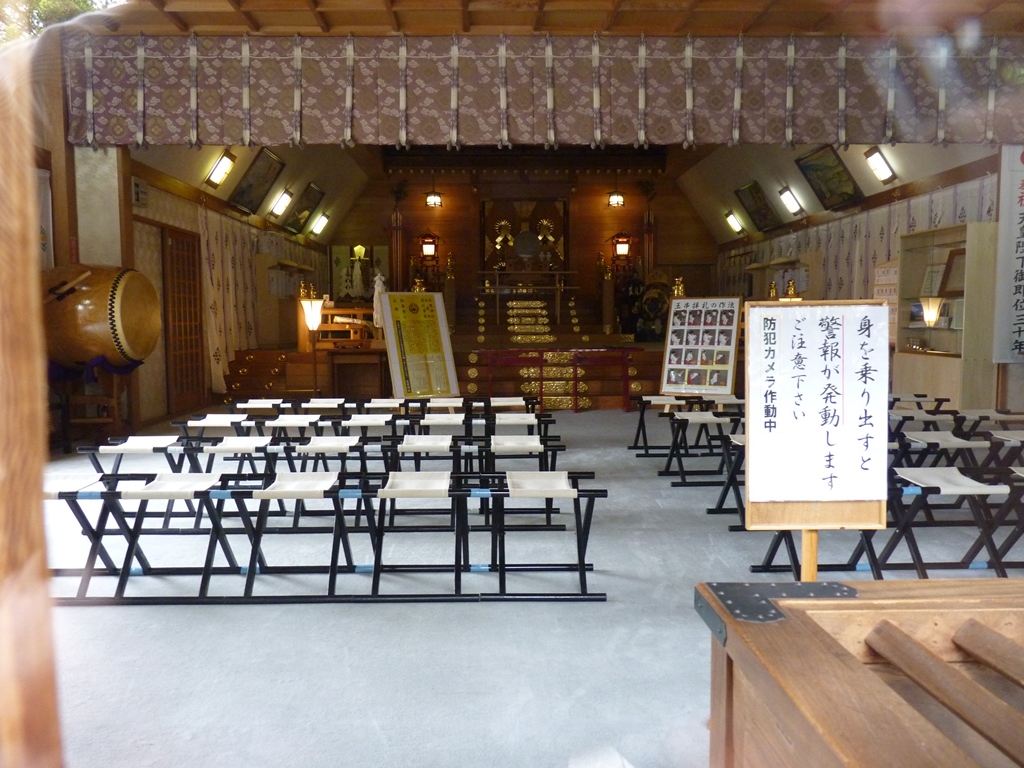
The shrine buildings of Hassamu Shrine possess a dignified style befitting a central shrine in the region. The grounds are well-maintained, providing an environment where visitors can worship while experiencing the changing seasons.
The shrine office accepts reservations and inquiries for various prayers from 9:00 AM to 5:00 PM, and also provides Goshuin (shrine stamps) and amulets. Please note that reservations and shipping are not available, so you must visit in person.
Annual Festivals and Events
Spring Grand Festival
The Spring Grand Festival is an important festival celebrating the start of a new season and praying for a bountiful harvest and the prosperity of the region. Many local residents participate, and events such as a portable shrine procession and dedication ceremonies are held.
Autumn Grand Festival
The Autumn Grand Festival is a festival to give thanks for the year’s harvest and celebrate a good harvest. Along with the Spring Grand Festival, this is one of the two major festivals of Hassamu Shrine and is a traditional event passed down through generations in the region.
Shichi-Go-San (7-5-3 Festival)
Every November, many people visit the shrine for Shichi-Go-San, a celebration of children’s growth. Hassamu Shrine accepts Shichi-Go-San prayers inside the shrine and also prepares the shrine grounds for commemorative photos.
Oharai (Great Purification Ceremony)
Held twice a year, in June and December, the Oharai is a Shinto ritual to purify and cleanse away the sins and impurities accumulated over the past six months. The December Oharai, in particular, is an important event as it marks the end of the year and allows people to welcome the new year with a pure heart.
Year-End and New Year Events
From New Year’s Eve to New Year’s Day, the shrine is bustling with visitors for Hatsumode (first shrine visit of the year). Many local residents and visitors from within and outside Sapporo come to pray for happiness in the new year.
Other Rituals and Ceremonies
- Exorcism, Age Celebration, and Family Safety Prayer: Accepted throughout the year
- Prayer in the Shrine: Accommodates various life-changing rituals
- Off-site Ceremonies: Ceremonies held outside the shrine, such as ground-breaking ceremonies
Goshuin (Shrine Seals) and Amulets
Goshuin (Shrine Seals)
Hassamu Shrine offers Goshuin. You can receive a Goshuin as a memento of your visit by visiting the shrine office during reception hours (9:00 AM to 5:00 PM). The Goshuin, which reflects the history and traditions of Hassamu Shrine, is attracting attention among Goshuin collectors.
Amulets
Hassamu Shrine offers various types of amulets. Amulets are available to suit the wishes of visitors, including protection from evil, good fortune, business prosperity, recovery from illness/health prayers, marital harmony/family safety, and increased wealth.
Access Information
Access by Train
Using the JR Hakodate Main Line
- Approximately 3 minutes on foot from the North Exit of Hassamu-Chuo Station
- This is the most convenient access method.
Using the Subway Tozai Line
- Approximately 18 minutes on foot from Hassamu-Minami Station
- It’s a bit of a distance, but still within walking distance.
Location
〒063-0831
1-33, Hassamu 11-jo 3-chome, Nishi-ku, Sapporo City, Hokkaido
Inquiries
Phone: 011-661-3973
Shrine Office Hours: 9:00 AM – 5:00 PM
Parking
There is parking space for visitors on the shrine grounds, but please contact the shrine directly for details.
Life Rituals and Prayers
Prayer in the Shrine
Hassamu Shrine accepts prayers in the shrine for various milestones in life. Reservations are required, so please apply in advance by phone or at the counter.
Main types of prayers offered at the shrine:
- First shrine visit (Omiyamairi)
- Shichi-Go-San (7-5-3) ceremony
- Exorcism of evil spirits
- Celebrations of milestones such as 60th and 70th birthdays
- Prayer for family safety
- Prayer for business prosperity
- Prayer for traffic safety
- Prayer for passing exams
- Prayer for recovery from illness
Off-site ceremonies
The shrine also offers off-site ceremonies. Main off-site ceremonies include:
- Groundbreaking ceremony (prayer for safety during construction)
- Ridgepole raising ceremony
- Completion ceremony
- Shrine altar ceremony
- Purification ceremony
If you wish to request an off-site ceremony, you must consult in advance regarding the date and location.
Nearby attractions
History of the Hassamu area
The area around Hassamu Shrine is a historic region dating back to the pioneering era. It is home to central community facilities such as Sapporo Municipal Hassamu Elementary School and the Hassamu Community Center, creating a calm and harmonious atmosphere with residential and commercial areas. ### Surrounding Facilities
- Sapporo Municipal Hassamu Elementary School: Located across from the shrine
- Hassamu District Center: A local community facility
- Commercial Facilities such as Supermarkets: Convenient for shopping after visiting the shrine
Cultural Value of Hassamu Shrine
The Second Oldest Shrine in Sapporo
Hassamu Shrine has a history dating back to its founding in 1856 (Ansei 3), making it the second oldest shrine in Sapporo. This signifies its indispensable role in recounting the history of Sapporo’s development.
Conveying the History of Development
You can learn about the history of Hokkaido’s development from the end of the Edo period to the Meiji era through the shrine’s history. The hardships of the settlers led by Yamaoka Seijiro Kazue-no-kami, the settlement of the Tondenhei (frontier soldiers), and the development of the region symbolize the history of Hokkaido itself.
Coexistence with Ancient Ruins
The stone circle within the shrine grounds indicates that this area was a place of life and prayer for people even before the shrine’s founding. The continuity of its status as a “sacred site” from ancient times to the present day is a major characteristic of Hassamu Shrine.
Information Dissemination on Social Media
Official Instagram Account
Hassamu Shrine operates an official Instagram account (@hassamu__jinja) with over 5,400 followers. Timely information such as seasonal events, the shrine grounds, and information on Goshuin (shrine stamps) is regularly posted.
If you want to check the latest information before visiting or get a feel for the shrine’s atmosphere beforehand, we recommend following the official Instagram account.
Information is also shared on the Facebook page, serving as a platform for communication with local residents and visitors.
Manners and Etiquette for Visiting a Shrine
Basic Etiquette for Visiting a Shrine
- Bow before passing through the torii gate: This is a sign of respect before entering the sacred area.
- Purify yourself at the water basin: Purify your left hand, then your right hand, then your mouth.
- Walk along the edge of the path: The center is considered the path of the gods.
- Etiquette at the main hall: Two bows, two claps, and one bow are the basic rituals.
Attire
While everyday attire is acceptable for visiting a shrine, if you are receiving a prayer inside the main hall, somewhat formal attire is preferable. For life rituals such as Shichi-Go-San (a traditional Japanese rite of passage for children) or exorcism, formal or semi-formal attire is generally expected.
Photography
Photography is generally permitted on the shrine grounds, but consideration should be given to avoiding disturbing other visitors. It is recommended to check in advance regarding photography inside the shrine or during religious ceremonies.
Summary
Hassamu Shrine is an important cultural property in Sapporo’s Nishi Ward, with a history of over 160 years, and serves as a spiritual pillar for the community. Despite its convenient location just a 3-minute walk from JR Hassamu-Chuo Station, the shrine grounds contain an ancient stone circle, allowing visitors to feel the depth of its history.
Hassamu Shrine, dedicated to Toyouke-no-Okami and Ukanomitama-no-Okami, is believed to offer various blessings, including abundant harvests, business prosperity, and protection from evil. It is a popular destination for many people, both for New Year’s visits, Shichi-Go-San (a traditional rite of passage for children), and exorcisms, as well as for everyday worship.
As a valuable shrine that conveys the history of the pioneering era and as a center of the local community, Hassamu Shrine will undoubtedly continue to play an important role. If you are visiting Sapporo or living in the Nishi Ward area, we highly recommend a visit.
The shrine office is open from 9:00 AM to 5:00 PM. Reservations for various prayers and inquiries can be made by phone (011-661-3973) or in person at the counter. For the latest event information, we recommend checking our official Instagram and Facebook pages.