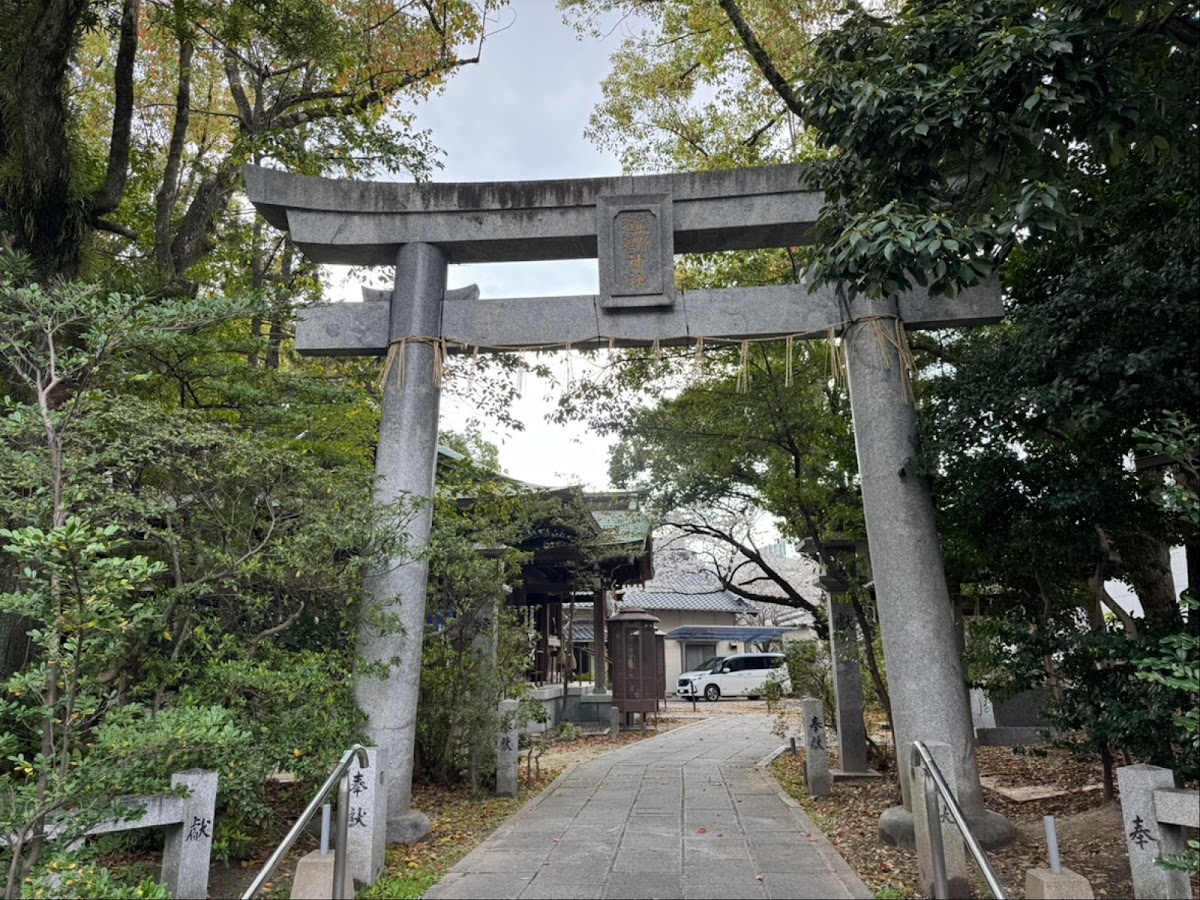
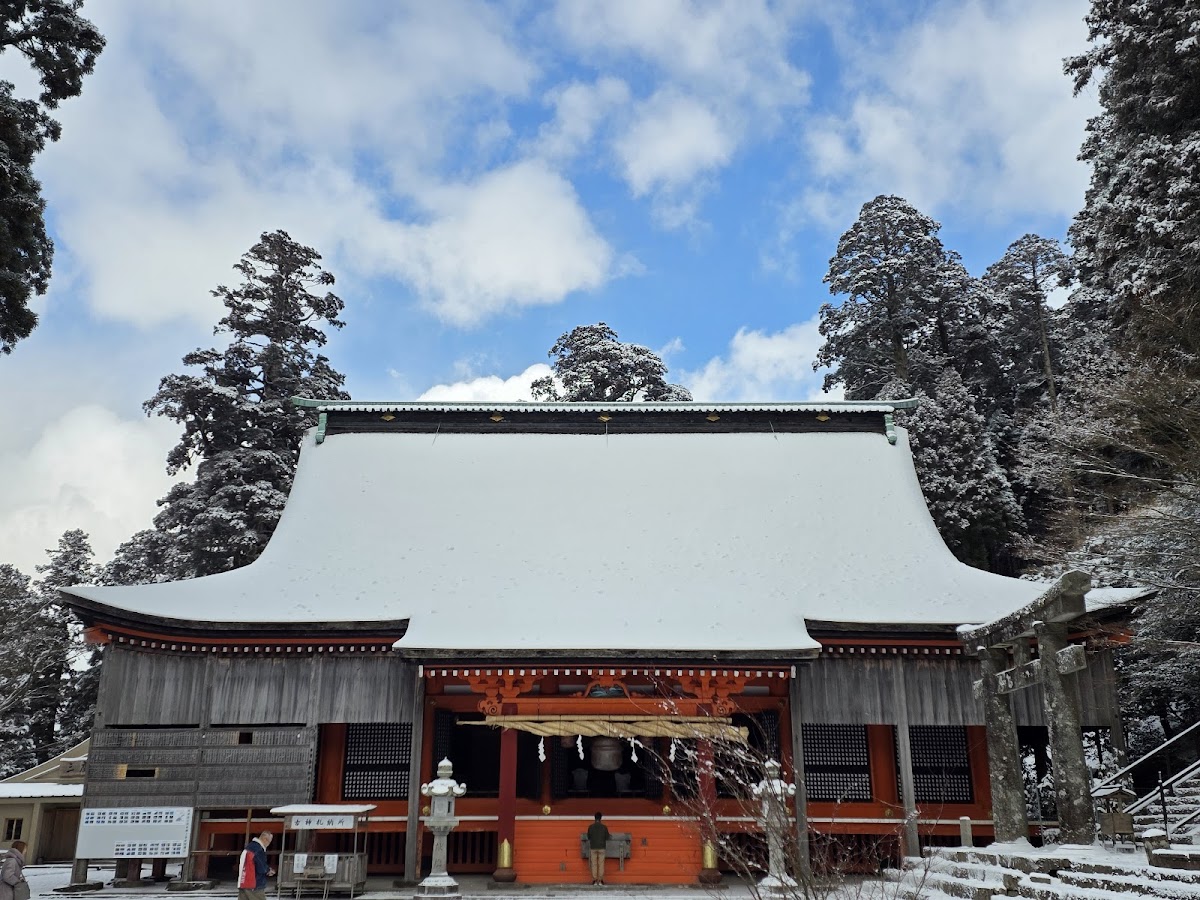
Inari Shrine (Tagawa City, Fukuoka Prefecture) Complete Guide | Basic Information, Access, Goshuin (Shrine Seal), and Nearby Shrines – A Thorough Explanation
The Inari Shrine, located in Tagawa City, Fukuoka Prefecture, is a sacred place that has been cherished by the local people for centuries. This article comprehensively introduces all the information you need to know before visiting, from basic information and history to access methods, goshuin information, and nearby shrines and temples.
Basic Information on Inari Shrine (Tagawa City)
Location and Contact Information
The basic information for Inari Shrine is as follows:
- Address: 1420 Ida, Tagawa City, Fukuoka Prefecture
- Postal Code: 825-0002
- Corporate Number: 2290805007283
- Telephone Number: For details, please contact Tagawa City Hall or Tagawa City Tourism Association.
Inari Shrine as a Religious Corporation
Inari Shrine is registered as a religious corporation and has been assigned the corporate number “2290805007283”. This corporate number can be found on the National Tax Agency’s corporate number publication site and is useful when researching official information about the shrine. While there are many Inari shrines throughout Japan, each shrine is often operated as an independent religious corporation, and Tagawa City’s Inari Shrine also has its own unique history and traditions rooted in the local community.
History and Origins of Inari Shrine
Origins of Inari Faith
Inari shrines are said to number over 30,000 nationwide, making them one of the most numerous types of shrines in Japan. The head shrine is Fushimi Inari Taisha in Kyoto, known for its blessings of abundant harvests, business prosperity, and family safety. The Inari Shrine in Tagawa City is also thought to have been founded as a place to pray for the development of local agriculture and commerce, following the tradition of Inari worship.
The Role of the Inari Shrine in Tagawa City
Tagawa City is located in the Chikuhō region of Fukuoka Prefecture and was once a prosperous coal mining area. The Inari Shrine is located in the Ida area of Tagawa City, a historical area close to the city center. During the heyday of coal mining, many people likely visited the shrine to pray for mine safety and business prosperity. Even today, it remains a spiritual center for local residents, bustling with worshippers during New Year’s visits and various festivals.
Deities and Blessings of the Inari Shrine
Deities
The main deities enshrined at Inari Shrines are generally the following gods:
- Ukanomitama-no-Kami: God of grains and food
- Satahiko-no-Okami: God of guidance
- Omiyanome-no-Okami: God of harmony
Expected Benefits
By visiting an Inari shrine, you can expect the following benefits:
- Business Prosperity: Success and development of business
- Abundant Harvest: Abundant crops
- Family Safety: Health and safety of family members
- Good Fortune and Prosperity: Improvement of luck and attracting good fortune
- Industrial Development: Prosperity of local industries
How to Access Inari Shrine
Access by Public Transportation
Using Trains and Buses
- Get off at Tagawa-Ita Station on the JR Hitahikosan Line: Within walking distance from the station, or use a city bus.
- Get off at Tagawa-Ita Station on the Heisei Chikuhō Railway Ita Line: Similarly, walking or using a bus is convenient.
Tagawa-Ita Station is the central station of Tagawa City and the most convenient station for accessing the Ita district where Inari Shrine is located. For detailed walking routes from the station, we recommend checking a map app in advance.
Access by Car
Route from Major Roads
- From Fukuoka City: Approximately 40 minutes via National Route 201 from the Yahata IC on the Kyushu Expressway
- From Kitakyushu City: Approximately 30 minutes via National Route 322 or National Route 201
- From Oita Prefecture: Via National Route 322 to Tagawa City
Parking Information
We recommend checking the availability and number of parking spaces at the shrine before your visit. During busy periods such as New Year’s Day, please consider using nearby public parking lots.
Goshuin (Shrine Seal) Information
Regarding the Issuance of Goshuin
We recommend contacting the Inari Shrine directly or checking upon your visit regarding the issuance of Goshuin at the shrine. While Goshuin pilgrimages are popular nationwide, smaller shrines may not have a resident priest.
Manners for Receiving Goshuin (Temple/Shrine Seals)
Goshuin are proof of your visit, not a stamp rally. Please observe the following manners:
- Complete your prayers first: Goshuin are received after your prayers.
- Prepare a Goshuincho (stamp book): Use a dedicated Goshuincho, not a notebook or colored paper.
- Prepare the offering: It’s best to have small change ready to avoid needing change.
- Wait quietly: Please wait quietly while the Shinto priest writes the goshuin.
- Don’t forget to express your gratitude: Say “Thank you” to express your thanks.
Shrines and Temples in and around Tagawa City
Major Shrines in Tagawa City
Besides Inari Shrines, Tagawa City, Fukuoka Prefecture, has the following shrines:
Susa Shrine
A shrine located in Tagawa City, dedicated to Susanoo-no-Mikoto. Known for its blessings of protection against misfortune and family safety.
Other Shrines
There are said to be approximately 28 shrines within Tagawa City, each revered as a local guardian deity. Each shrine is a valuable resource for conveying the history and culture of its region.
Shrines in and around Tagawa District
Inari Shrine (Mukouda) – Oito Town, Tagawa District
An Inari Shrine is also located in Oito Town, Tagawa District, adjacent to Tagawa City. Even though they all practice Inari worship, each shrine has its own unique history, and visiting them allows you to experience the local culture.
Famous Inari Shrines in Fukuoka Prefecture
Ukiha Inari Shrine (Ukiha City)
Ukiha Inari Shrine, located in Ukiha City, Fukuoka Prefecture, is famous for its beautiful rows of red torii gates on the mountainside. It was founded in 1957 by inviting a divided spirit from Fushimi Inari Taisha in Kyoto.
Highlights
- A Series of Red Torii Gates: The vermilion torii gates stretching endlessly up the steep slope of the mountainside are breathtaking.
- Spectacular View of the Chikugo Plain: The view of the Chikugo Plain from the hilltop is magnificent.
- Jogahana Park: The shrine is located within Jogahana Park, where you can enjoy the changing seasons.
Benefits: Business prosperity, abundant harvests, sake brewing, health, longevity, academic success
Ima-Masu Inari Shrine (Fukuoka City)
Ima-Masu Inari Shrine, located within the grounds of the Kego Shrine in Chuo Ward, Fukuoka City, is in the heart of Fukuoka’s Tenjin district and attracts many worshippers. Smiling fox statues greet visitors in front of the torii gates.
Atago Otojiro Inari Shrine (Nishi Ward, Fukuoka City)
This Inari shrine features a series of vermilion torii gates built on the cliff on the southern slope of Mount Atago. It is said that the origin of this shrine dates back approximately 300 years, when a Western-style physician named Otojiro, feeling a divine presence, enshrined an Inari shrine in this location.
Manners and Etiquette for Visiting a Shrine
Basic Etiquette for Visiting a Shrine
When visiting a shrine, please observe the following etiquette.
Before Passing Through the Torii Gate
- Bow before the torii gate.
- Walk along the path, avoiding the center (the center is the path for the gods).
How to Purify Yourself at the Water Basin
- Hold the ladle in your right hand and purify your left hand.
- Switch the ladle to your left hand and purify your right hand.
- Switch the ladle back to your right hand, receive water in your left hand, and rinse your mouth.
- Purify your left hand once more.
- Hold the ladle upright and let water flow over the handle.
- Return the ladle to its original position.
Worship at the Main Hall
- Place your offering in the offering box.
- Ring the bell (if present).
- Two bows, two claps, one bow.
- Bow deeply twice.
- Clap twice.
- Join your hands and pray.
- Bow deeply once.
Attire for Worship
There are no specific dress code requirements, but it is desirable to wear clothing that reflects the sacred nature of the place.
- Avoid overly revealing clothing.
- Dress neatly and cleanly.
- For formal visits, suits or formal attire are preferable.
Annual Events and Festivals
Main Annual Events
At Inari shrines, various festivals are held throughout the year. The general annual events at Inari shrines are as follows:
Hatsumode (January 1st-3rd)
A visit to pray for happiness in the new year. It is crowded with many people.
Hatsuumasai (First Horse Day of February)
One of the most important festivals at Inari shrines. Prayers are offered for business prosperity and a bountiful harvest.
Reitaisai (Autumn)
The most important festival of the shrine. The timing varies depending on the region.
Niinamesai (November 23rd)
A festival to give thanks for the year’s harvest.
For detailed festival schedules, it is recommended to check with the shrine or the Tagawa City tourist information.
History and Culture of Tagawa City
History as a Coal Mining Town
Tagawa City was a coal mining town that supported Japan’s modernization from the Meiji to Showa periods, as the center of the Chikuhō coalfield. During its peak, it was a bustling town with many coal miners and their families.
Tagawa City Coal and History Museum
This museum allows visitors to learn about the history of coal mining, and exhibits include coal mining record paintings by Sakubei Yamamoto, which are registered as a UNESCO World Memory Heritage site.
Culture and Traditions of Tagawa
Tanko-bushi
The Tanko-bushi, which begins with “The moon has risen, the moon has risen,” is a folk song said to have originated in Tagawa City.
Kawawatari Shinko-sai
One of Fukuoka Prefecture’s five major festivals, this is a magnificent festival held every May.
Nearby Tourist Attractions
Highlights in Tagawa City
Coal Memorial Park
A park that tells the history of coal mining, preserving industrial heritage such as headframes.
Tagawa City Museum of Art
A museum that showcases local arts and culture. Various special exhibitions are held.
Nearby Tourist Attractions
Mt. Hikosan (Soeda Town)
One of Japan’s three major sacred sites of Shugendo (mountain asceticism). Enjoy mountain climbing and hiking.
Michi-no-Eki Itoda
You can purchase fresh local agricultural products and specialty goods.
Recommended Gourmet Food After Visiting Inari Shrine
Tagawa Local Cuisine
Hormone Nabe (Offal Hot Pot)
Tagawa City is famous for its hormone hot pot, even within Fukuoka Prefecture. The hot pot dish made with fresh offal is exquisite.
Tagawa Ramen
There are many restaurants where you can enjoy pork bone-based ramen.
Coal Miner’s Meals
Some restaurants offer menus that recreate the dishes eaten by coal miners.
Precautions When Visiting Inari Shrines
Mindset When Visiting
- Maintain Silence: Remember that this is a sacred place.
- Photography: Photography is often permitted within the shrine grounds, but may be prohibited inside the main hall.
- Take Your Trash Home: Keep the shrine grounds clean.
- Bringing Pets: Generally, it is best to refrain from bringing pets to shrines.
Seasonal Precautions
Summer (June-September)
- Heatstroke Prevention: Don’t forget a hat, parasol, and hydration.
- Insect Repellent: In areas with abundant nature, insect repellent spray is recommended.
Winter (December-February)
- Cold Weather Protection: The shrine grounds can be windy, so wear warm clothing.
- Crowds During New Year’s: The first three days of the New Year are especially crowded, so allow plenty of time.
Rainy Season (June-July)
- Prepare Rain Gear: Bring an umbrella or raincoat.
- Caution: Be careful of slippery surfaces such as stone steps.
Transportation and Accommodation Information for Tagawa City
Access to Tagawa City
From Fukuoka Airport
From Fukuoka Airport, use a rental car or public transportation. The journey takes approximately 1 hour and 30 minutes.
From Hakata Station
From Hakata Station, take the JR Sasaguri Line/Gotōji Line to Tagawa-Gotōji Station. From there, transfer to the Heisei Chikuhō Railway to Tagawa-Ita Station.
Accommodation
There are business hotels and inns in Tagawa City. Accommodation is also plentiful in the surrounding cities of Iizuka and Nogata.
Frequently Asked Questions about Inari Shrine
Q1: What are the visiting hours for Inari Shrine?
A1: Generally, the shrine grounds are open for worship at any time during the day, but the reception hours for the shrine office may be limited. Please inquire directly for details.
Q2: Is there parking available?
A2: We recommend checking in advance whether parking is available. During busy periods such as New Year’s Day, please consider using nearby public parking lots.
Q3: Can I get a Goshuin (temple/shrine stamp)?
A3: We recommend checking directly with the shrine before your visit regarding the availability of Goshuin.
Q4: Can I purchase amulets or ema (votive tablets)?
A4: Amulets and ema may be available during the shrine office’s opening hours. Please contact the shrine for details.
Q5: Can I receive prayers or purification rituals?
A5: If you wish to perform a formal worship service or prayer ritual, we recommend contacting the shrine in advance to make a reservation.
Q6: What are the differences between Tagawa City Inari Shrine and other Inari shrines?
A6: While all Inari shrines throughout Japan are based on the same Inari faith, each operates as an independent religious corporation and possesses unique characteristics rooted in local history and culture.
Summary
The Inari Shrine located in Ida, Tagawa City, Fukuoka Prefecture, is a sacred place long cherished by the local community. Many worshippers visit seeking blessings for business prosperity, abundant harvests, and family safety.
Tagawa City is an interesting region with a history of coal mining. Visiting the Inari Shrine in conjunction with other tourist attractions such as the Coal Memorial Park and the Tagawa City Coal and History Museum allows for a deeper understanding of the local culture.
When visiting, please observe basic manners and be mindful that it is a sacred place. Furthermore, there are other Inari Shrines in the surrounding area of Fukuoka Prefecture, such as Ukiha Inari Shrine and Imamasu Inari Shrine, each with its own unique characteristics, so enjoying an Inari shrine pilgrimage is also recommended.
We hope that the Inari Shrine in Tagawa City will be a place of peace and tranquility for everyone, bringing good fortune to their daily lives. Please check the latest information before your visit and enjoy a fulfilling worship experience.