Sugawara Shrine (Tagawa City, Fukuoka Prefecture) Complete Guide | Thorough Explanation of Deities, Blessings, Access, and History
Located in Tagawa City, Fukuoka Prefecture, Sugawara Shrine is a historic shrine dedicated to Sugawara no Michizane, known as the god of learning. It has long been revered as the local guardian deity and is a place of worship visited by students and those praying for academic success. This article provides a detailed explanation of Sugawara Shrine’s history, deities, blessings, highlights within the grounds, and access methods.
Basic Information on Sugawara Shrine (Tagawa City)
Sugawara Shrine is located in Tagawa City, Fukuoka Prefecture, and is affectionately called “Sugawara-san” or “Tenjin-san” by local residents. It is one of the valuable shrines that conveys the history and culture of the Chikuhō region to the present day.
Location and Contact Information
- Location: Tagawa City, Fukuoka Prefecture (Please confirm the exact address before visiting)
- Phone Number: Please contact the local shrine association or the Tagawa City Tourism Association
- Visiting Hours: Grounds are freely accessible (Shrine office hours may vary)
- Parking: Available (Spaces may be limited)
Deity and Divine Virtues
About Sugawara no Michizane
The main deity enshrined at Sugawara Shrine is Sugawara no Michizane. Michizane was an active aristocrat, scholar, and politician during the Heian period, known for his outstanding talent and learning.
The Life of Sugawara no Michizane:
- Born in Kyoto in 845 (Jōwa 12)
- Excelled in academics and poetry from a young age
- Rising to the position of Minister of the Right, but became embroiled in political struggles
- Exiled to Dazaifu in 901 (Engi 1)
- Died in Dazaifu in 903 (Engi 3)
- Deified as Tenman Daijizai Tenjin after his death
After his death, Michizane was revered throughout Japan as Tenjin-sama, and is especially worshipped as the god of learning, literature, sincerity, and utmost integrity.
Divine Virtues (Benefits)
Sugawara Shrine is believed to offer the following divine blessings:
- Academic Success and Passing Exams: Passing entrance exams, passing tests, and improving academic ability
- Academic Advancement: Success in research, acquisition of knowledge, and academic achievement
- Literary and Artistic Improvement: Flourishing artistic talent in calligraphy, poetry, literature, etc.
- Sincerity and Honesty: Formation of an honest heart and sincere character
- Protection from Misfortune and Disaster: Protection from bad luck and disaster
- Family Safety: Health and peace for the family
- Business Prosperity: Success in honest business
Especially during exam season, many students and their parents visit to pray for success.
History and Origins of Sugawara Shrine
Circumstances of Founding
The founding date of Sugawara Shrine is based on local traditions and records. In the Chikuhō region, there has been a deep reverence for Sugawara no Michizane since ancient times, and numerous Tenjin Shrines and Sugawara Shrines have been built throughout the area.
The Sugawara Shrine in Tagawa City is also believed to have been founded out of the reverence of the local residents, and has been cherished as the local guardian deity throughout its long history.
The Relationship Between Tagawa City and Sugawara no Michizane
Fukuoka Prefecture has deep ties to Sugawara no Michizane, as it is the location of Dazaifu, where he was exiled. In the Chikuhō region, including Tagawa City, there are many shrines dedicated to Michizane, and they are an important part of the local culture.
In Tagawa City, which prospered as a coal mining town, there is a strong interest in education, and the tradition of parents visiting the Sugawara Shrine to pray for their children’s academic success has been passed down through generations.
Historical Changes
Sugawara Shrine has experienced various events throughout history:
- Edo Period: Established as a center of local faith
- Meiji Period: Established its structure as a shrine following the separation of Shinto and Buddhism
- Taisho and Early Showa Periods: Increased number of worshippers with the rise of the coal mining industry
- Post-War Period: Revived as a center of the local community
- Modern Era: Welcomes many worshippers, especially during exam season
Highlights of the Shrine Grounds
Main Hall
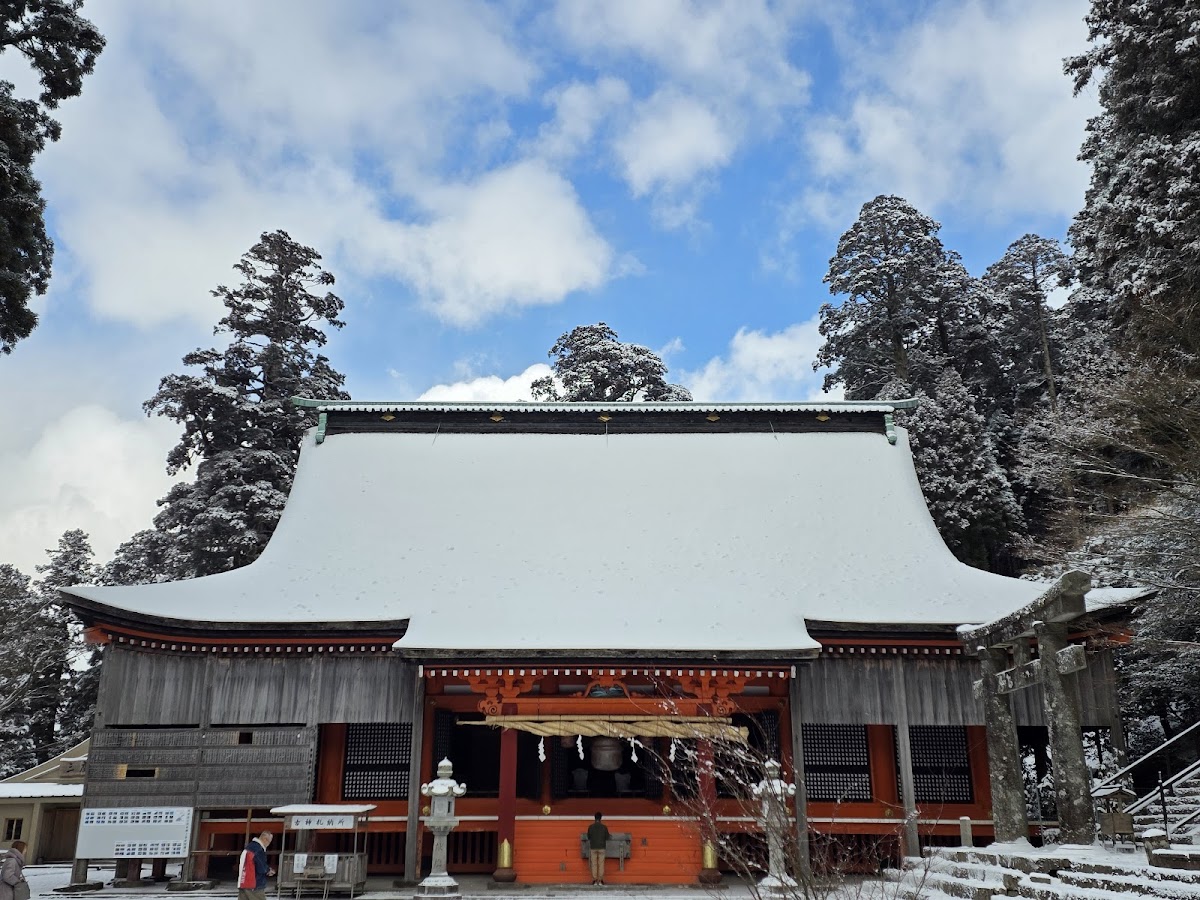
The main hall of Sugawara Shrine is a sacred place dedicated to Sugawara no Michizane. It maintains the style of traditional shrine architecture and is enveloped in a solemn atmosphere. When worshipping, please perform the ritual of two bows, two claps, and one bow respectfully.
Worship Hall
The worship hall, where worshippers offer their prayers, is located in front of the main hall. Ema (votive tablets) and amulets are often given out near the worship hall.
Nadeushi (Petting Cow)
Many shrines dedicated to Tenjin-sama (Sugawara no Michizane) have statues of cows called “Nadeushi.” This stems from the deep connection between Michizane and cows:
- Michizane was born in the Year of the Ox
- A legend tells of a cow helping Michizane on his journey to Dazaifu
- Dazaifu Tenmangu Shrine was built on the spot where the cow carrying Michizane’s body sat down
There is a belief that stroking the Nadeushi in the same place as the part of one’s own body that is ailing will bring healing. It is also said that stroking its head will bring wisdom.
Plum Trees
Sugawara no Michizane was known to love plum blossoms, and composed the famous waka poem: “When the east wind blows, send forth your fragrance, plum blossoms; do not forget spring, even though your master is gone.” Many Tenjin shrines have plum trees planted, and in spring, the beautiful plum blossoms adorn the shrine grounds.
Ema Hanging Area
This is where students and those taking exams dedicate ema (votive tablets) praying for success in their exams. Many votive tablets bearing wishes are hung, conveying the sincere feelings of the worshippers.
Annual Events and Festivals
New Year’s Visit
The first shrine visit of the new year is bustling with worshippers praying for safety throughout the year and academic success. Students preparing for exams and families are particularly numerous.
Tenjin Festival
The Tenjin Festival is sometimes held as a festival related to the anniversary of the death of Sugawara no Michizane. While the date varies by region, it is an important event to praise and express gratitude for Michizane’s divine virtues.
Exam Success Prayer Festival
During exam season, a special exam success prayer festival is sometimes held. Students and their families gather to pray for success.
Grand Festival
The Grand Festival, the most important annual event at the shrine, involves solemn Shinto rituals and participation from local residents expressing gratitude to the gods.
Amulets and Items Offered
Amulets for Academic Success
Sugawara Shrine offers various amulets related to the god of learning:
- Success Amulet: An amulet for praying for success in entrance exams
- Academic Success Amulet: An amulet for wishing for improvement in daily studies
- Academic Success Pencil: A lucky pencil to use on exams
- Academic Success Ema: An ema (votive tablet) on which to write a wish and offer it
Other Items Offered
- Exorcism Amulet: An amulet for protection against misfortune
- Traffic Safety Amulet: Protection from traffic accidents
- Family Safety Amulet: An amulet for wishing for the health and peace of the family
- Goshuin (Shrine Seal): A goshuin (shrine seal) that can be received as a memento of your visit
It is recommended to check with the shrine before visiting regarding the types of items offered and the hours of availability.
Etiquette and Manners for Visiting a Shrine
Basic Etiquette for Visiting a Shrine
By following the correct etiquette for visiting a shrine, you can offer your prayers with greater sincerity:
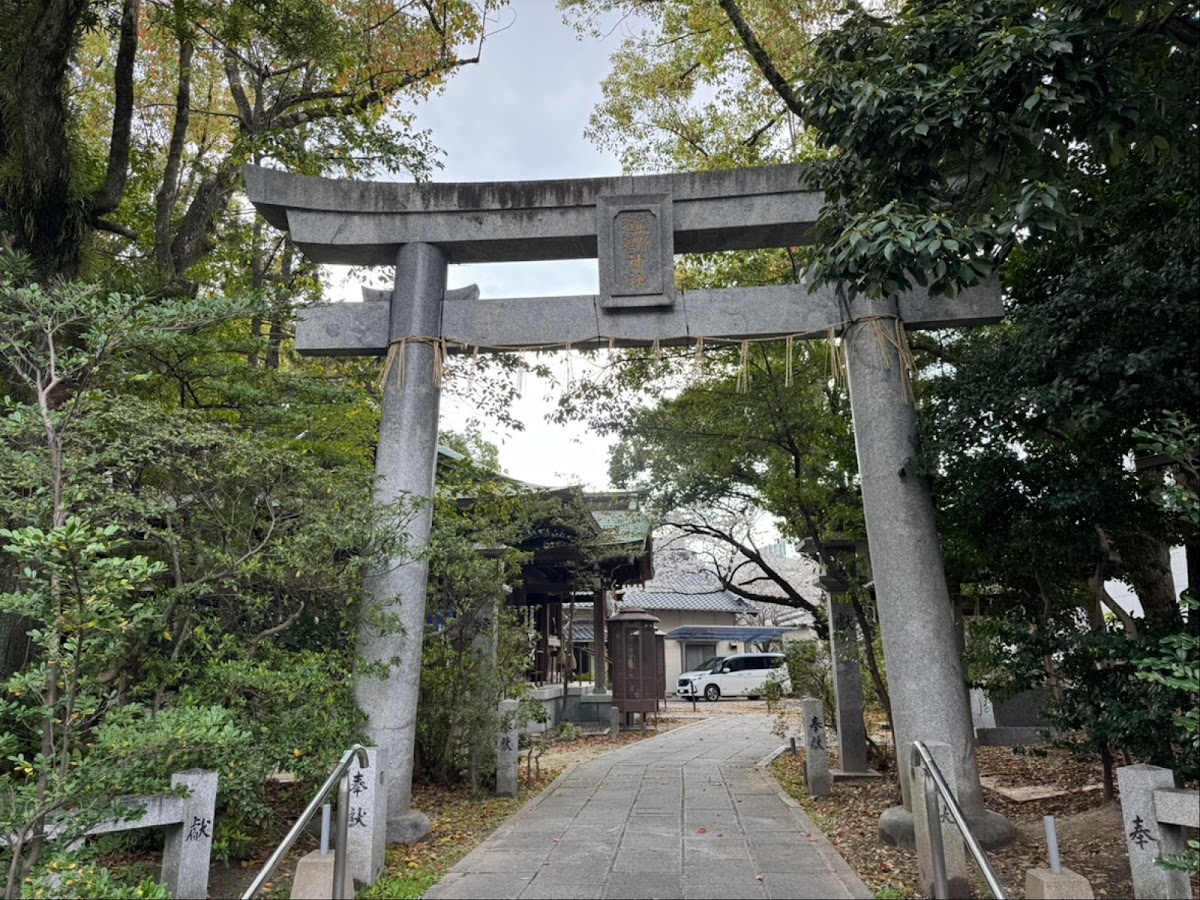
- Passing Through the Torii Gate: Bow before entering the shrine grounds.
- Purifying at the Water Basin:
- Hold the ladle in your right hand and purify your left hand.
- Switch the ladle to your left hand and purify your right hand.
- Switch the ladle back to your right hand, receive water in your left hand, and rinse your mouth.
- Finally, stand the ladle upright to purify the handle.
- Walking Along the Path: Walk along the sides, as the center is the path for the gods.
- Worship at the Main Hall:
- Quietly place your offering in the offering box.
- Ring the bell (if present).
- Bow twice, clap twice, and bow once.
- Silently recite your wish.
- Departing: After leaving the torii gate, turn around and bow once.
Dress Code for Visiting the Shrine
There are no specific dress code requirements, but it is desirable to dress appropriately for a sacred place. Avoid revealing or overly flashy clothing.
Photography Etiquette
Photography is generally permitted on the shrine grounds, but please observe the following:
- Do not take photos in areas where photography is prohibited, such as inside the main hall.
- Be considerate of other visitors.
- Refrain from taking photos during religious ceremonies.
- Use flash sparingly.
Access Methods
Access by Train
Using the JR Hitahikosan Line:
- The nearest stations are Tagawa-Ita Station or Tagawa-Gotōji Station.
- From the station, you can walk, take a taxi, or take a bus.
- Travel time varies depending on the distance from the station.
Access by Bus
You can use local buses operating within Tagawa City. Please check the Nishitetsu Bus or Tagawa City websites for the nearest bus stops and timetables.
Access by Car
From Fukuoka City:
- Approximately 40 minutes from Yahata IC on the Kyushu Expressway via National Route 200
- Or via National Route 322 from Dazaifu IC on the Urban Expressway
From Kitakyushu City:
- Approximately 30-40 minutes via National Route 322 or National Route 201
Parking:
There is parking space on the shrine grounds or nearby, but the number of spaces is limited, so we recommend using public transportation during festivals and New Year’s visits.
Car Navigation Settings
When searching with a car navigation system, please enter “Sugawara Shrine Tagawa City” or the address. It is recommended to check the exact location in advance using a map app.
Nearby Tourist Attractions
Tagawa City Coal and History Museum
This museum allows you to learn about the history of coal mining in Tagawa City. It exhibits the prosperity and decline of the Chikuhō coalfield, the lives of coal miners, and more, allowing you to gain a deep understanding of the coal industry that supported Japan’s modernization. ### Tagawa City Museum of Art
This museum showcases local arts and culture, hosting both special and permanent exhibitions.
Fuchi Hachimangu Shrine
One of Tagawa City’s representative shrines, the “Kawawatari Shinkosai” festival, held every May, is one of Fukuoka Prefecture’s five major festivals.
Jodo-ji Park
A park rich in nature, perfect for walks and picnics. Enjoy the changing scenery of nature throughout the seasons.
About Tagawa City
History and Culture
Tagawa City is located in the Chikuhō region of Fukuoka Prefecture and once flourished as a coal mining town that supported Japan’s modernization. Even after the decline of the coal industry, it has carefully preserved its history and culture and is working on creating a new community.
Local Specialties and Gourmet Food
- Hormone Hot Pot: Tagawa’s soul food
- Tanko-bushi: A nationally famous folk song
- Local Sake: Sake brewed in breweries in the Chikuhō region
Frequently Asked Questions Regarding Visiting the Shrine
What are the visiting hours?
While you can generally visit the shrine grounds freely, the shrine office has limited operating hours. If you wish to obtain amulets or Goshuin (shrine stamps), it is recommended to check in advance.
Can I get a Goshuin?
Many shrines offer Goshuin, but this is not always possible. Bring your Goshuincho (stamp book) and inquire at the shrine office.
What is the appropriate offering amount?
There is no fixed amount for offerings, but common amounts include 5 yen (for good fortune), 50 yen (for five layers of good fortune), and 100 yen. For prayers and amulets, there are set offering fees.
Is there parking available?
There is parking available, but the number of spaces is limited. During New Year’s visits and festivals, congestion is expected, so using public transportation is recommended.
Are pets allowed to visit?
Policies vary by shrine, but generally, pets should be carried or kept in a cage. Avoid letting pets roam freely within the shrine grounds.
Message to Students Taking Exams
Sugawara Shrine, dedicated to Sugawara no Michizane, the god of learning, has received the prayers of many students taking exams. Michizane himself rose to a high position through hard work and talent.
Visiting a shrine is an opportunity to renew your resolve, calm your mind, and gain the strength to pursue your goals. Along with visiting a shrine, daily effort is paramount.
We hope that your prayers at Sugawara Shrine will support your efforts and help you achieve your goals.
Summary
Sugawara Shrine in Tagawa City, Fukuoka Prefecture, is a historic shrine dedicated to Sugawara no Michizane, the god of learning. It is cherished by the local community for its various divine blessings, including academic success and passing exams.
During exam season, many worshippers visit, offering heartfelt prayers. The shrine grounds also feature unique attractions befitting a Tenjin shrine, such as a statue of a cow and plum trees.
When visiting Tagawa City, be sure to visit Sugawara Shrine and receive the divine blessings of Michizane. By observing proper worship etiquette and manners, and offering your prayers with sincerity, you will have a more fulfilling experience.
Enjoy a special time under the watchful eye of the god of learning while experiencing the culture of Tagawa City, a city with a history of coal mining.