
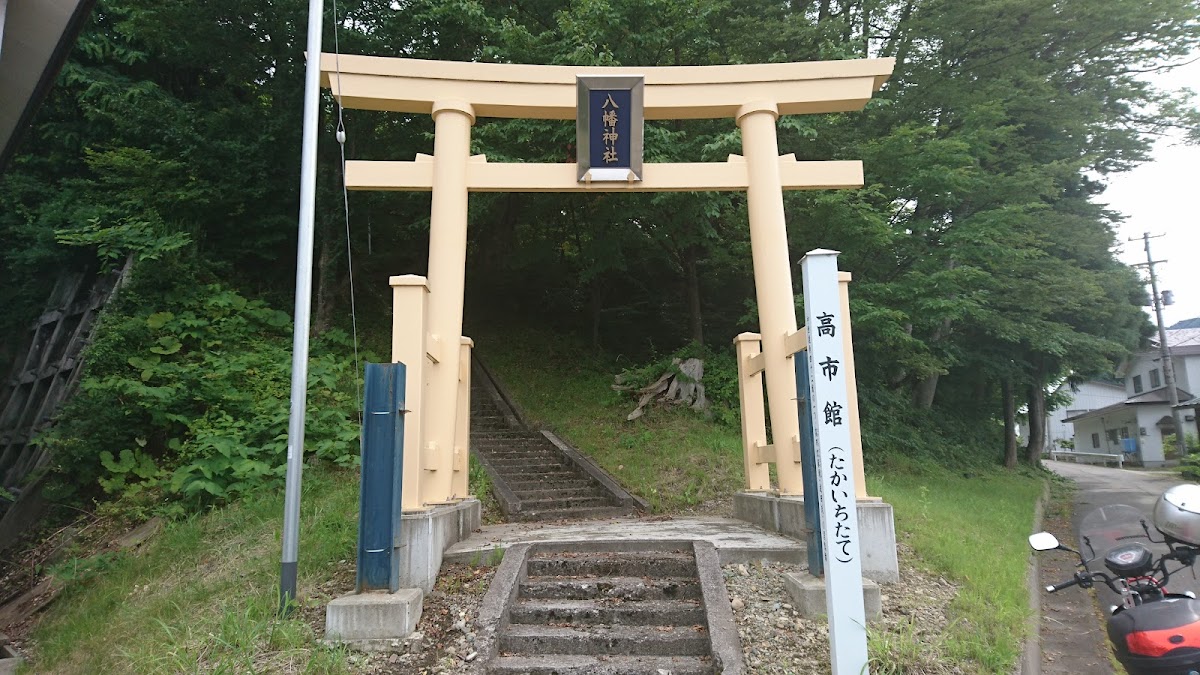
Hachiman Shrine (Towada-Oyu, Kazuno City, Akita Prefecture) Complete Guide | History, Benefits, and Access Information
Hachiman Shrine, located in Sekinoue, Towada-Oyu, Kazuno City, Akita Prefecture, is an important shrine that conveys the history and culture of the region to the present day. This article comprehensively provides useful information for those considering visiting the shrine, including its historical background, enshrined deities and benefits, highlights of the grounds, annual events, and access methods.
Basic Information about Hachiman Shrine
Location: Sekinoue, Towada Oyu, Kazuno City, Akita Prefecture
Deity Enshrined: Hachiman Okami, with Emperor Ojin (Homudawake no Mikoto) as the main deity
Shrine Rank: Village Shrine (Former Shrine Rank)
Founding: The exact founding date is unknown, but based on local historical documents and traditions, it is believed to date back to before the Edo period.
Hachiman Shrine is one of approximately 44,000 Hachiman shrines throughout Japan, and has long been cherished by local residents as the center of faith in the Towada Oyu district of Kazuno City.
Historical Background of the Towada Oyu District, Kazuno City
Oyu Stone Circles and Ancient Culture
The Towada Oyu district of Kazuno City is known for the “Oyu Stone Circles,” a large-scale archaeological site from the late Jomon period. This archaeological site is designated a National Special Historic Site and consists of two stone circles: the Nonakado Stone Circle and the Manza Stone Circle.
The existence of this site, a ritual site built by the Jomon people approximately 4,000 years ago, indicates that this region has been considered important as a place of faith and ritual since ancient times. Hachiman Shrine can also be positioned as a place that inherits these spiritual traditions of the region.
Oyu Onsenkyo and Regional Development
The Oyu area is one of Akita Prefecture’s leading hot spring resorts. Oyu Onsen is said to have a history of approximately 800 years and has flourished as a therapeutic hot spring resort since ancient times. As the region developed along with the development of the hot springs, Hachiman Shrine is thought to have played a role as a spiritual pillar for the local residents and as a place to pray for the safety and health of visitors to the hot springs.
Deities and Blessings of Hachiman Shrine
About Emperor Ōjin (Homudawake no Mikoto)
Emperor Ōjin, the principal deity of Hachiman Shrine, is recorded in the Kojiki and Nihon Shoki as the 15th Emperor. Also known as Homudawake no Mikoto, he was deified as Hachiman Ōkami.
There is a legend that Emperor Ōjin was in the womb of his mother, Empress Jingū, during her conquest of the Three Kingdoms of Korea. He is a multifaceted deity, possessing characteristics of a god of war while also contributing to the development of culture and industry.
Benefits of Hachiman Shrine
The main benefits you can pray for at Hachiman Shrine are as follows:
Long-lasting military fortune and success in competitions: As a god of war, you can pray for success in competitions and contests.
National peace and security and regional safety: As a god who protects the nation, he protects the peace and safety of the region.
Prosperity of descendants and safe childbirth: Based on the legend surrounding the birth of Emperor Ojin, he is also worshipped as a god of safe childbirth and child-rearing.
Industrial development and business prosperity: As a god who founded culture and industry, he is believed to bring benefits for business success and prosperity.
Protection from evil and good fortune: He is believed to have the power to ward off evil spirits and improve one’s luck.
Highlights of the Shrine Grounds
Main Hall and Worship Hall
The main hall of Hachiman Shrine is a building that preserves the traditional style of shrine architecture. From the worship hall, you can see the main hall, and worshippers can offer their prayers in a tranquil atmosphere.
The architectural style and carvings reflect the skills of local craftsmen, making it a valuable resource for understanding the characteristics of shrine architecture in northern Akita Prefecture.
Subsidiary Shrines and Auxiliary Shrines
Like many Hachiman shrines, the area surrounding the main hall may contain subsidiary shrines and auxiliary shrines reflecting local beliefs. These small shrines each embody the history and faith of the region.
Sacred Trees and the Natural Environment
Many shrine grounds are home to ancient sacred trees such as cedar and pine, which contribute significantly to the sacred atmosphere of the shrine. The changing natural environment of the grounds throughout the seasons allows visitors to experience the passage of time.
Stone Monuments and Memorials
Stone monuments and memorials recording the history of the shrine and local events are sometimes erected within the shrine grounds. These are valuable historical documents and play a role in passing on the memory of the region to future generations.
Annual Events and Festivals
Grand Festival
The Grand Festival, the most important festival of Hachiman Shrine, is held at a fixed time each year. In shrines in northern Akita Prefecture, it is common to hold the Grand Festival from September to October as a festival of gratitude for the autumn harvest.
Besides Shinto rituals, the Grand Festival often includes a portable shrine procession and devotional performances involving local residents, making it an important opportunity to deepen the bonds of the local community.
First Shrine Visit of the New Year
The first shrine visit of the New Year is an important event to pray for safety and happiness throughout the year. For local residents, Hachiman Shrine is the most familiar place for their first shrine visit of the year, and many worshippers visit from New Year’s Day through the third day.
Other Annual Events
Spring Festival: Celebrating the arrival of spring and praying for a bountiful harvest and safety throughout the year.
Nagoshi no Harae (Summer Purification Ceremony): A Shinto ritual held at the end of June to purify sins and impurities.
Shichi-Go-San (Seven-Five-Three Festival): A ceremony celebrating children’s growth and praying for their healthy development.
Monthly Festival: Regular monthly rituals.
For specific dates and details of these events, we recommend contacting the shrine or local parishioner organization.
Etiquette and Manners for Visiting a Shrine
Basic Etiquette for Visiting a Shrine
When visiting a shrine, please observe the following basic etiquette:
- Bow before passing through the torii gate: As a sign of respect before entering the sacred area, bow slightly before the torii gate.
- Walk along the edge of the path: The center of the path is considered the path for the gods, so walk along the edge.
- Purify yourself at the water basin: If there is a water basin, purify yourself in the following order:
- Hold the ladle in your right hand and wash your left hand.
- Switch the ladle to your left hand and wash your right hand.
- Switch the ladle back to your right hand, receive water in your left hand, and rinse your mouth.
- Rinse your left hand.
- Hold the ladle upright and pour water over the handle.
- Worship at the main hall: The basic etiquette is “two bows, two claps, one bow.”
- Bow deeply twice.
- Clap your hands twice.
- Pray sincerely.
- Bow deeply once.
- Bow upon exit: Before leaving the torii gate, turn around, bow once, and then exit.
Manners during worship
- Attire: Avoid overly casual or revealing clothing.
- Photography: Refrain from taking photos in areas where photography is prohibited, such as inside the main hall.
- Quietness: Be quiet on the shrine grounds and refrain from loud conversations.
- Smoking and Eating: Avoid smoking or eating outside designated areas.
Access Information
Access by Car
Route from Tohoku Expressway:
- Approximately 15 minutes from the Kazuno Hachimantai IC on the Tohoku Expressway.
- Proceed along National Route 103 towards Lake Towada, then to the Oyu area.
Parking: Depending on the size of the shrine, there may not be a dedicated parking lot. In that case, please use nearby public parking lots or the Oyu Onsenkyo parking lot.
Access by Public Transportation
By JR:
- Get off at Towada-Minami Station on the JR Hanawa Line
- Approximately 10 minutes by local bus or taxi from the station
By Bus:
- Get off at the Oyu Onsen bus stop on the Akita Kita Bus
- Within walking distance from the bus stop (please check the map for specific distances)
Important Note: Public transportation services may be limited. We recommend checking the timetable in advance and planning your visit accordingly.
Nearby Tourist Attractions
When visiting Hachiman Shrine, we recommend also visiting the following nearby spots:
Oyu Stone Circle (Special Historic Site): A Jomon period archaeological site located a few minutes’ walk or drive away.
Oyu Stone Circle Museum: A museum where you can learn about the Oyu Stone Circle.
Oyu Onsenkyo: A historic hot spring resort where day trips for bathing are possible.
Lake Towada: A representative scenic spot of Tohoku, located about 30 minutes by car.
Goshogake Onsen: A hot spring resort known as a hidden gem.
Hachiman Faith and Local Culture in Kazuno City
Spread of Hachiman Faith
While Hachiman faith is widespread throughout Japan, Hachiman faith in the Tohoku region has its own unique characteristics. While its aspect as a war god involved in the subjugation of the Emishi is emphasized, it has also been revered as a guardian deity of agriculture and industry.
In northern Akita Prefecture, including Kazuno City, mining and forestry were thriving industries, and Hachiman Shrines have functioned as places of worship where people prayed for the safety and prosperity of those engaged in these industries.
Local Communities and Shrines
Hachiman Shrines are not merely religious institutions; they have played a central role in local communities. Through festivals and cleaning activities, interaction among residents has been fostered, strengthening community bonds.
Even today, shrines symbolize the identity of the region and are cherished as cultural heritage passed down through generations.
Voices and Experiences of Worshippers
Faith of Local Residents
For local residents, Hachiman Shrine is a special place they visit at important milestones in their lives. They have visited on various occasions, such as for a baby’s first shrine visit, Shichi-Go-San (a traditional rite of passage for children), exorcisms, and before important life decisions, praying for the protection of the gods.
Impressions of Tourists
Some tourists visiting Oyu Onsen and the Oyu Stone Circles also stop by Hachiman Shrine. The quiet and peaceful atmosphere of the shrine grounds, and its appearance that evokes the history of the region, are highly praised.
Preservation and Future of Hachiman Shrine
Value as a Cultural Property
Hachiman Shrine is an important cultural property that conveys the history and culture of the region. Appropriately preserving the buildings and the environment of the shrine grounds and passing them on to future generations is the responsibility of the entire community.
Parishioner Organization and Maintenance
Like many local shrines, Hachiman Shrine is maintained by a parishioner organization. Maintaining shrines is a challenge in rural areas facing depopulation and an aging population, but traditions are being preserved through the efforts of local residents.
Utilization as a Tourism Resource
In the Oyu district, which boasts the globally valuable Oyu Stone Circle archaeological site, Hachiman Shrine can also be an important tourism resource. By appropriately communicating its historical and cultural value, the shrine’s charm can be shared with more people.
Seasonal Highlights
Spring (March-May)
This is the season when the breath of spring can be felt in the shrine grounds as the snow melts. During the seasons when cherry blossoms and plum blossoms are in bloom, the shrine grounds are enveloped in a vibrant atmosphere. It’s also the time of the spring festival, bringing renewed energy to the community.
Summer (June-August)
This is the most beautiful season for the lush green shrine grounds. The Natsukoshi no Harae (summer purification ritual) is performed, a Shinto ceremony to cleanse away the sins and impurities accumulated over the past six months. The number of tourists visiting Oyu Onsen increases during this time, and many worshippers visit the shrine.
Autumn (September-November)
This is the season of beautiful autumn foliage, with the trees on the shrine grounds changing color. It’s also the time of the annual grand festival, the most important festival of the year. Traditional ceremonies are held to express gratitude for the harvest and to pray for a bountiful harvest in the coming year.
Winter (December-February)
The snow-covered, silent shrine grounds exude an even stronger sense of sacredness. Many local residents visit for Hatsumode (first shrine visit of the year), praying for safety and happiness in the new year. Visiting a shrine in the harsh winter cold is a sobering experience for both body and soul.
About Goshuin (Shrine Seals)
Significance of Goshuin
Goshuin are seals and calligraphic inscriptions given at shrines as proof of worship. While collecting goshuin has become a popular hobby in recent years, they are originally given as proof of worship and respect for the deities.
Goshuin at Hachiman Shrine
Whether or not goshuin are given at Hachiman Shrine depends on the size and structure of the shrine. Smaller shrines may not have resident priests and may not issue goshuin.
If you wish to receive a goshuin, it is recommended to check with the shrine or local parishioner organization beforehand. Also, it is considered good manners to request a goshuin only after completing your worship.
Summary
Hachiman Shrine, located in Sekinoue, Towada Oyu, Kazuno City, Akita Prefecture, is an important shrine that conveys the history and culture of the region to the present day. Surrounded by the Jomon period archaeological site of the Oyu Stone Circle and the historic Oyu Onsen hot spring resort, Hachiman Shrine has long served as a spiritual pillar for the local residents.
Hachiman Shrine, with Emperor Ojin as its principal deity, is believed to offer a variety of blessings, including military success, national peace and security, prosperity of descendants, and industrial development. Various festivals are held throughout the year, playing an important role in strengthening the bonds of the local community.
When visiting the Oyu area, be sure to visit Hachiman Shrine along with the Oyu Stone Circle and Oyu Onsen. A peaceful visit to the shrine grounds, reflecting on the region’s history, will surely deepen your travel memories.
While access to the shrine is convenient by car, if using public transportation, it is recommended to check the timetable in advance and plan your visit accordingly. When visiting, please observe basic etiquette and manners, and be mindful that this is a sacred place.
Hachiman Shrine is a treasure of the region and a cultural heritage. Understanding its value and passing it on to future generations is a responsibility for all of us.

