Complete Guide to Shogaku-ji Temple (Kashihara City, Nara Prefecture) | History, Cultural Properties, and Access Information
While there are several Shogaku-ji temples in Kashihara City, Nara Prefecture, this article provides a detailed introduction to the main Shogaku-ji temples within the city, covering their historical background, cultural properties, access methods, and surrounding area information. We will fully convey the charm of Shogaku-ji temples, which have long been cherished as temples deeply rooted in the community.
About Shogaku-ji Temples in Kashihara City
There are mainly two Shogaku-ji temples in Kashihara City, Nara Prefecture. One is a Jodo Shinshu Honganji-ha temple located in Higashibojo-cho, and the other is a temple located in Toichi-cho that possesses valuable cultural properties. Both temples are beloved by the local community and each has its own distinct history and characteristics.
Shogaku-ji Temple in Higashibojo-cho
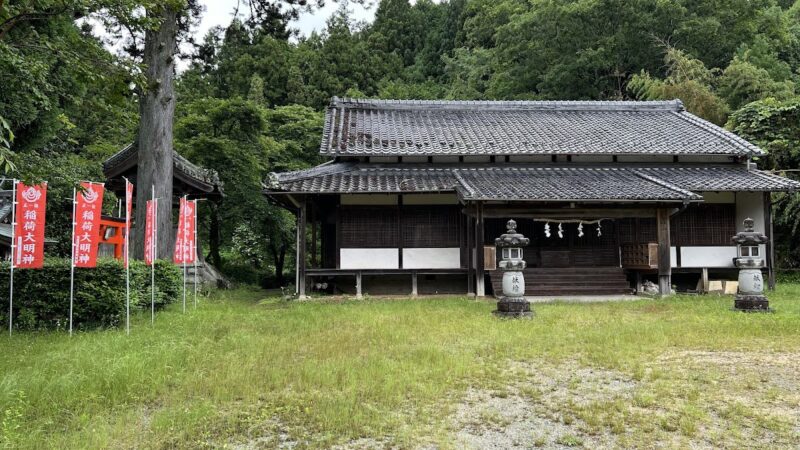
Shogaku-ji Temple, located at 940 Higashibojo-cho, Kashihara City, Nara Prefecture, is a temple belonging to the Jodo Shinshu Honganji-ha sect. This temple has served as a center of faith for the region, and has been cherished by parishioners and local residents for many years.
Basic Information
- Location: 940 Higashibojo-cho, Kashihara City, Nara Prefecture
- Sect: Jodo Shinshu Honganji-ha
- Corporate Number: 2150005005028
- Nearest Station: Kintetsu Minami-Osaka Line “Bojo Station”
The Jodo Shinshu Honganji-ha is one of the largest Buddhist sects in Japan, founded by Shinran Shonin. Its head temple is Nishi Honganji (Ryukokuzan Honganji) in Kyoto, and it preaches the teaching that all people can be saved equally by chanting the Nembutsu, “Namu Amida Butsu.”
Shogaku-ji Temple in Toichi-cho and its Valuable Cultural Assets
Shogaku-ji Temple, located in Toichi-cho, Kashihara City, Nara Prefecture, is known for housing a wooden seated statue of Dainichi Nyorai, a Nara Prefecture-designated important cultural property. This temple is located near the driver’s license center and is affectionately known as “Dainichi-sama” by the local community.
Basic Information
- Location: Toichi-cho, Kashihara City, Nara Prefecture
- Nearest Station: Shin-no-guchi Station, Kintetsu Osaka Line
- Main Cultural Property: Wooden seated statue of Dainichi Nyorai (Nara Prefecture Designated Important Cultural Property)
Historical Value of the Wooden Seated Statue of Dainichi Nyorai
The wooden seated statue of Dainichi Nyorai, enshrined in the Amida Hall of Shogaku-ji Temple in Toichi-cho, is a half-joroku Buddha statue believed to have been created in the late Heian period (12th century). Half-joroku is a unit of measurement for the size of a Buddha statue, referring to a size about half that of a normal joroku statue (approximately 4.8 meters). Even so, it is considerably larger than typical Buddha statues and possesses an overwhelming presence.
Origin of the Dainichi Nyorai Statue
This seated statue of Dainichi Nyorai was originally enshrined as the principal image of the Dainichi-do Hall, the temple associated with Toichi Mikata-ni-imasu Shrine. A Jinguji is a Buddhist temple built attached to a Shinto shrine, a product of Japan’s unique religious form based on the syncretic belief of Shinto and Buddhism, where gods and Buddhas are worshipped as one entity.
In the early Meiji era, the Shinto-Buddhist Separation Order was issued, leading to the nationwide separation of shrines and temples. As a result of this policy, the Jinguji Dainichido of Toichi Mikata-ni-imasu Shrine was abolished, and its principal image, a seated statue of Dainichi Nyorai, was moved to Shogaku-ji Temple. Through this historical process, it is still carefully preserved at Shogaku-ji Temple today.
Characteristics of Buddhist Sculpture from the Late Heian Period
The late Heian period (12th century) was a crucial turning point in the history of Japanese Buddhist sculpture. Buddhist statues from this period exhibit characteristics of a transitional period, gradually increasing in strength and realism from the gentle and elegant expressions of the early and mid-Heian period.
The seated statue of Dainichi Nyorai at Shogaku-ji Temple strongly reflects the characteristics of this era and is recognized as a Nara Prefecture-designated Important Cultural Property. Dainichi Nyorai is the highest-ranking Buddha in Esoteric Buddhism and is considered to embody the very truth of the universe.
How to Access Shogaku-ji Temple
Access to Shogaku-ji Temple in Higashibojo-cho
Access by Train
- Get off at Bojo Station on the Kintetsu Minami-Osaka Line, approximately 5 minutes on foot
- Approximately 30 minutes from Osaka Abenobashi Station to Bojo Station
Access by Car
- Accessible via Prefectural Road from National Route 24
- Please inquire with the temple in advance regarding parking availability
Access to Shogaku-ji Temple in Toichi-cho
Access by Train
- Get off at Shin-no-guchi Station on the Kintetsu Osaka Line, approximately 15 minutes on foot
- Approximately 40 minutes from Osaka Uehonmachi Station to Shin-no-guchi Station
Access by Car
- Near Nara Prefectural Driver’s License Center
- Easily accessible from National Route 165
- We recommend checking parking spaces for visitors in advance
Access by Bus
- Kashihara City Community Bus is also available (Please check the Kashihara City official website for routes and timetables)
Historical Background of Kashihara City
Kashihara City is a historically significant area known as the birthplace of Japan. It is home to the Kashihara Palace ruins, where Emperor Jimmu, the first emperor of Japan, is believed to have ascended the throne, and it flourished as the center of ancient Japan.
Buddhist Culture Continuing from the Asuka Period
The Asuka region, including Kashihara City in Nara Prefecture, has developed as a center of Buddhist culture since Buddhism was introduced to Japan in the 6th century. Numerous ancient temples, including Asuka-dera Temple, were built, and the entire region remains a treasure trove of historical heritage.
Kashihara City, where Shogaku-ji Temple is located, also inherits this tradition of Buddhist culture, and many temples are scattered throughout the city. There are also many temples of the Jodo Shinshu Honganji sect, including Sennen-ji, Jonen-ji, Daigan-ji, Joraku-ji, Saiko-ji, Shoren-ji, Zeshin-ji, Josho-ji, and Amida-ji, many of which support the local faith.
Major Temples in Kashihara City
Besides Shogaku-ji Temple, Kashihara City has many other temples of high historical and cultural value.
Jodo Shinshu Honganji-ha Temples
Kashihara City has numerous temples of the Jodo Shinshu Honganji-ha sect, each functioning as a center of the local community.
- Sennen-ji: A temple beloved by local parishioners
- Jonen-ji: A historic Honganji-ha temple
- Daigan-ji: A center of local faith
- Joraku-ji: Possesses traditional temple architecture
- Nishimukai-ji: A community-oriented temple
- Shoren-ji: A temple with strong ties to its parishioners
- Zeshin-ji: A temple with a long history
- Josho-ji: A temple that preserves local Buddhist culture
- Amida-ji: A center of Amida worship
These temples, each with its own unique history and characteristics, continue to transmit the teachings of Jodo Shinshu Buddhism to the community.
Memorial Services and Events at Shogaku-ji Temple
Shogaku-ji Temple, a temple of the Jodo Shinshu Honganji sect, holds various memorial services and events throughout the year.
Major Annual Events
Spring Equinox Service (March)
A memorial service for ancestors is held for one week, centered around the spring equinox. Temple parishioners gather to remember the deceased and offer their gratitude.
Flower Festival (April 8th)
This event celebrates the birth of Buddha. A traditional ceremony of pouring sweet tea as a blessing is performed.
Obon Festival (August)
During the Obon period, a memorial service is held to welcome and honor the spirits of ancestors. Many parishioners return home and families can be seen visiting the temple.
Autumn Equinox Service (September)
Ancestral memorial services are held again, centered around the autumn equinox.
Hoonko (November-December)
This is the most important memorial service commemorating the death anniversary of Shinran Shonin, the founder of the Jodo Shinshu sect. In the Honganji sect, it is considered the most important event expressing gratitude and appreciation to Shinran Shonin.
Daily Activities
Shogaku-ji Temple deepens its connection with the community through various activities in addition to memorial services.
- Regular Dharma Talks: Dharma talks on Buddhist teachings by the head priest
- Children’s Club: Buddhist education for local children
- Sutra Copying Sessions: Activities involving the calming practice of copying Buddhist scriptures
- Buddhist Women’s Association: Service activities and study sessions by female parishioners
For specific event dates and content, we recommend contacting each temple directly.
Teachings of the Jodo Shinshu Honganji Sect
We will introduce the basic teachings of the Jodo Shinshu Honganji sect, to which Shogaku-ji Temple belongs.
The Teachings of Shinran Shonin
Jodo Shinshu is a Buddhist sect founded by Shinran Shonin (1173-1263), a monk of the Kamakura period. Shinran Shonin learned the teachings of Jodo Buddhism from his teacher, Honen Shonin, and further deepened them.
The Philosophy of Other-Power Vow
The central teaching of Jodo Shinshu is “other-power vow.” This is the idea that all people are saved not by their own power (self-power), but by the power of Amida Buddha’s vow (other-power).
By chanting “Namu Amida Butsu,” one believes in Amida Buddha’s vow and entrusts everything to that salvation. This was a revolutionary teaching for its time, as it emphasized salvation through faith alone, rather than through the accumulation of ascetic practices or good deeds.
The Doctrine of Salvation for the Wicked
Among Shinran Shonin’s teachings, the “doctrine of salvation for the wicked” is particularly famous. This is expressed in the words recorded in the *Tannisho*: “Even good people attain rebirth in the Pure Land, how much more so wicked people?”
This means that even those who consider themselves good people are saved, therefore, wicked people who are aware of their own defilements and sinfulness are precisely the ones who are eligible for salvation through Amida Buddha’s original vow. This was a groundbreaking idea in Buddhist history, suggesting that all people are equally saved.
Characteristics of the Honganji School
After the death of Shinran Shonin, Jodo Shinshu Buddhism split into several branches while inheriting his teachings. The Honganji school has Nishi Honganji as its head temple and is one of the largest Buddhist sects in Japan, with over 10,000 temples nationwide.
Characteristic Practices
- Centered on Nembutsu: Chanting “Namu Amida Butsu” is the most important practice.
- Lay Buddhism: Monks are permitted to marry and live lives similar to ordinary believers.
- Funerals and Memorial Services: Emphasis is placed on ancestral worship, and regular memorial services are held.
- Monk System: Temple members are called “Monk” and have strong ties to the temple.
Tourist Spots Around Kashihara City
When visiting Shogaku-ji Temple, we recommend also visiting the historical tourist spots around Kashihara City.
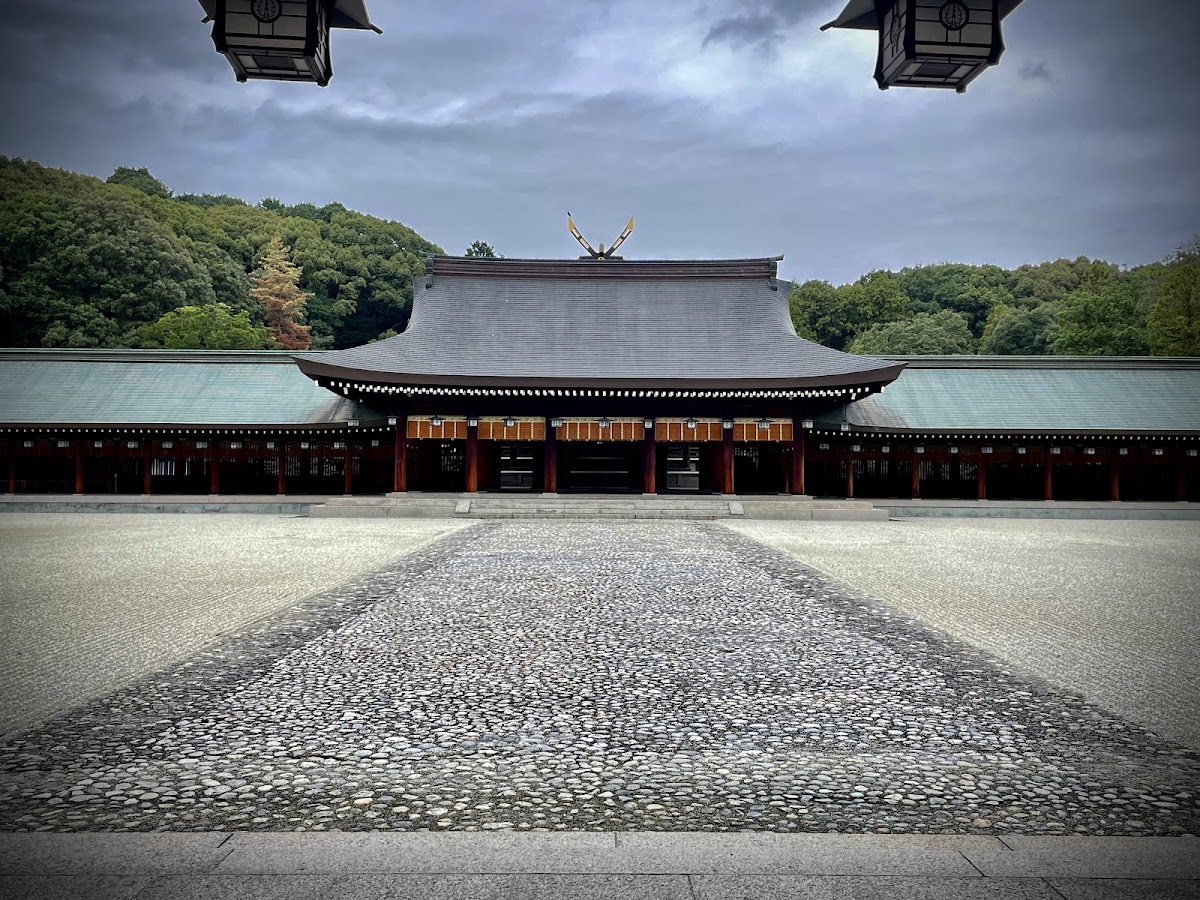
Kashihara Shrine
A shrine dedicated to Emperor Jimmu, the first emperor of Japan, and a representative tourist attraction of Kashihara City. Magnificent shrine buildings stand within the vast grounds, and many worshippers visit, especially during the New Year’s pilgrimage.
Imai-cho
A designated Important Preservation District for Groups of Traditional Buildings, preserving the townscape of the Edo period. You can stroll through the historical streets lined with merchant houses and temples. This temple town, which developed around Shonenji Temple, still conveys the prosperity of that time.
Fujiwara Palace Site
This is the site of the palace of Fujiwara-kyo, the capital of the Asuka period. Beautiful flowers bloom in each season on the vast grounds, making it a popular spot to feel the romance of history.
Asuka Region
Asuka Village, adjacent to the south of Kashihara City, is dotted with numerous historical sites that tell the story of ancient Japan, including the Ishibutai Kofun, Takamatsuzuka Kofun, and Asuka-dera Temple.
Guidelines for Visiting Shogakuji Temple
When visiting a temple, it is important to observe several basic manners.
Basic Manners for Visiting a Temple
- Dress Code: Aim for clean, understated clothing. Especially when attending a memorial service, subdued colors such as black or navy are preferable.
- Photography: Do not take photographs of Buddha statues or the interior of the main hall without permission. This is important from the perspective of cultural property protection.
- Silence: Temples are places of prayer and meditation. Please refrain from loud conversations and noisy behavior.
- Offering: Offer a donation within your means, expressing your gratitude.
- Praying with Hands Clasped: In front of the main hall, pray quietly with your hands clasped together. In Jodo Shinshu Buddhism, pray with your hands clasped together, chanting “Namu Amida Butsu.”
Regarding Viewing
If you wish to view the wooden seated statue of Dainichi Nyorai at Shogaku-ji Temple in Toichi-cho, it is recommended that you contact the temple in advance to confirm the viewing dates and times. As it is a valuable cultural asset, it may not be open to the public at all times.
Temple Culture and Local Community in Kashihara City
In Kashihara City, temples play an important role not only as religious facilities but also as centers of the local community.
Connections with the Community
Temples in Kashihara City, including Shogaku-ji Temple, have deep ties with local residents through the danka (parishioner) system. They actively participate not only in funerals and memorial services, but also in local events and welfare activities, playing a role in strengthening community bonds.
Protection and Preservation of Cultural Properties
Cultural properties such as the wooden seated statue of Dainichi Nyorai (Vairocana Buddha) housed at Shogaku-ji Temple in Toichi-cho are valuable assets that convey the history and culture of the region to future generations. Temples play a role in appropriately preserving and managing these cultural properties and conveying their value to local residents and visitors.
The Role of Temples in Modern Times
In today’s society, where the birthrate is declining and the population is aging, the role of temples is also changing. In addition to traditional religious activities, new initiatives such as the following are being undertaken:
- End-of-Life Planning Support: Support for preparing for the end of life
- Mental Health Care: Counseling for people with worries and anxieties
- Community Interaction: Providing a place for intergenerational interaction
- Cultural Classes: Holding classes such as calligraphy, tea ceremony, and Buddhist lectures
Cemetery and Burial Ground Information
Shogakuji Temple may manage cemeteries for its parishioners. If you are looking for a cemetery or burial ground in Kashihara City, we recommend checking the following points.
Points to Consider When Choosing a Cemetery
- Confirmation of Sect: In the case of a temple cemetery of the Jodo Shinshu Honganji sect, it is generally intended for parishioners of the same sect.
- Access: Ease of visiting the grave is important. Check access by public transportation and car.
- Management Status: It is important to actually visit and check whether the cemetery is properly managed.
- Costs: Understand the total costs, including perpetual use fees, annual management fees, and gravestone costs.
- Environment: Check the environment to ensure it is suitable for visiting, considering factors such as sunlight, drainage, and the surrounding environment.
Recent Forms of Memorial Services
In addition to the traditional method of erecting tombstones, the following forms of memorial services have gained attention in recent years:
- Tree Burial: An environmentally conscious method of memorial service that expresses the wish to return to nature.
- Columbarium: A form of memorial service where remains are enshrined indoors, unaffected by weather.
- Perpetual Memorial Service: Even without successors, the temple will continue to perform memorial services indefinitely.
For specific information regarding cemetery availability and conditions, please contact Shogaku-ji Temple directly.
Summary
Shogaku-ji Temple in Kashihara City, Nara Prefecture, has locations in Higashibojo-cho and Toichi-cho, and is an important temple supporting the local faith and culture. In particular, the wooden seated statue of Dainichi Nyorai from the late Heian period, housed at Shogaku-ji Temple in Toichi-cho, possesses high historical value as a Nara Prefecture designated important cultural property.
Shogakuji Temple, a Jodo Shinshu Honganji sect temple, continues to pass down the teachings of Shinran Shonin and serves as a spiritual haven for local residents. Throughout the year, it deepens its bonds with parishioners and the local community through various religious services and events.
Kashihara City is a historical area known as the birthplace of Japan, and numerous tourist attractions, such as Kashihara Shrine, Imai-cho, and the Fujiwara Palace ruins, are scattered around Shogakuji Temple. Visiting these historical sites in conjunction with your visit to Shogakuji Temple will allow you to experience Nara’s history and culture more deeply.
Those wishing to visit or view the temple are advised to contact the temple in advance to confirm opening hours and available viewing dates. Please note that advance reservations may be required to view the particularly valuable seated statue of Dainichi Nyorai.
While preserving the traditions of Buddhist culture that have continued since ancient times, Shogakuji Temple is also exploring new roles for temples in modern society. As a temple open to the community, it will continue to be a source of spiritual support for many people.