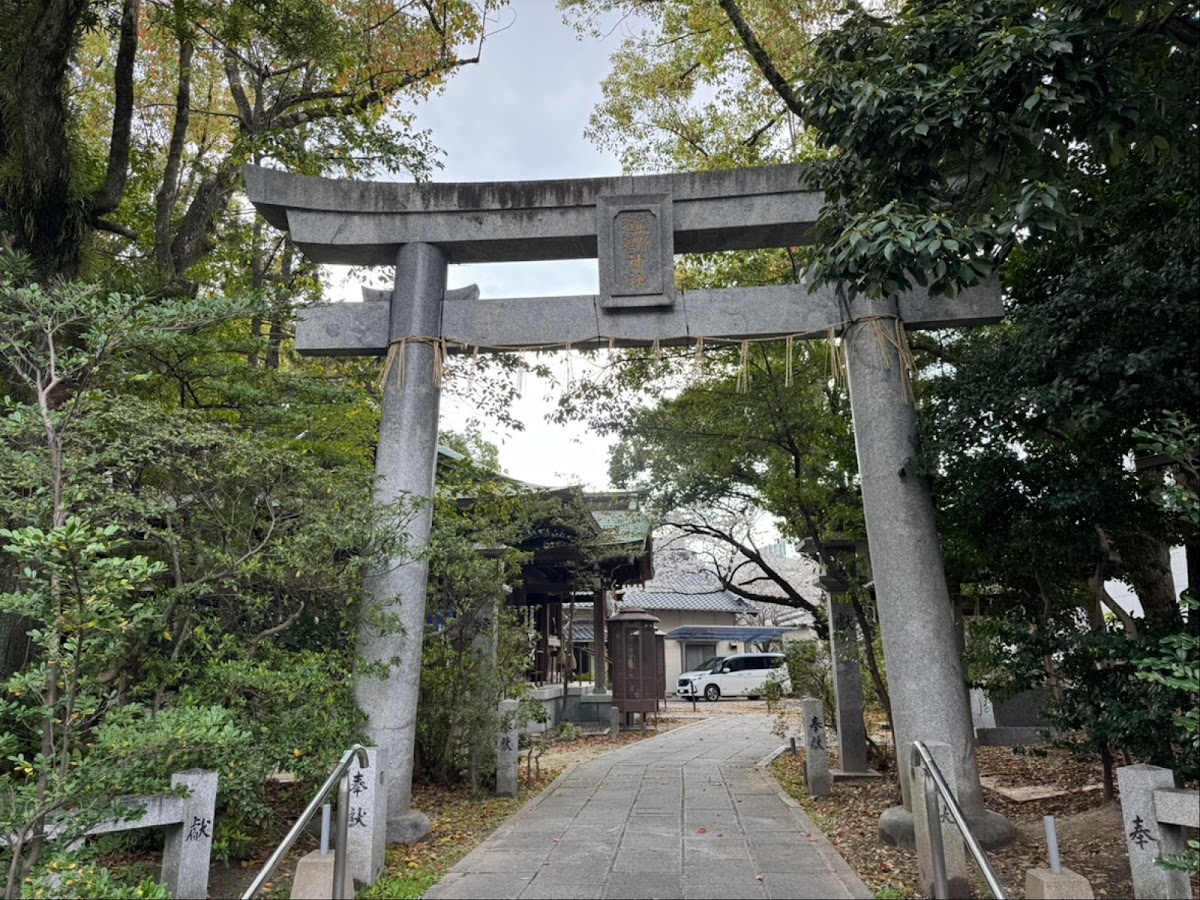
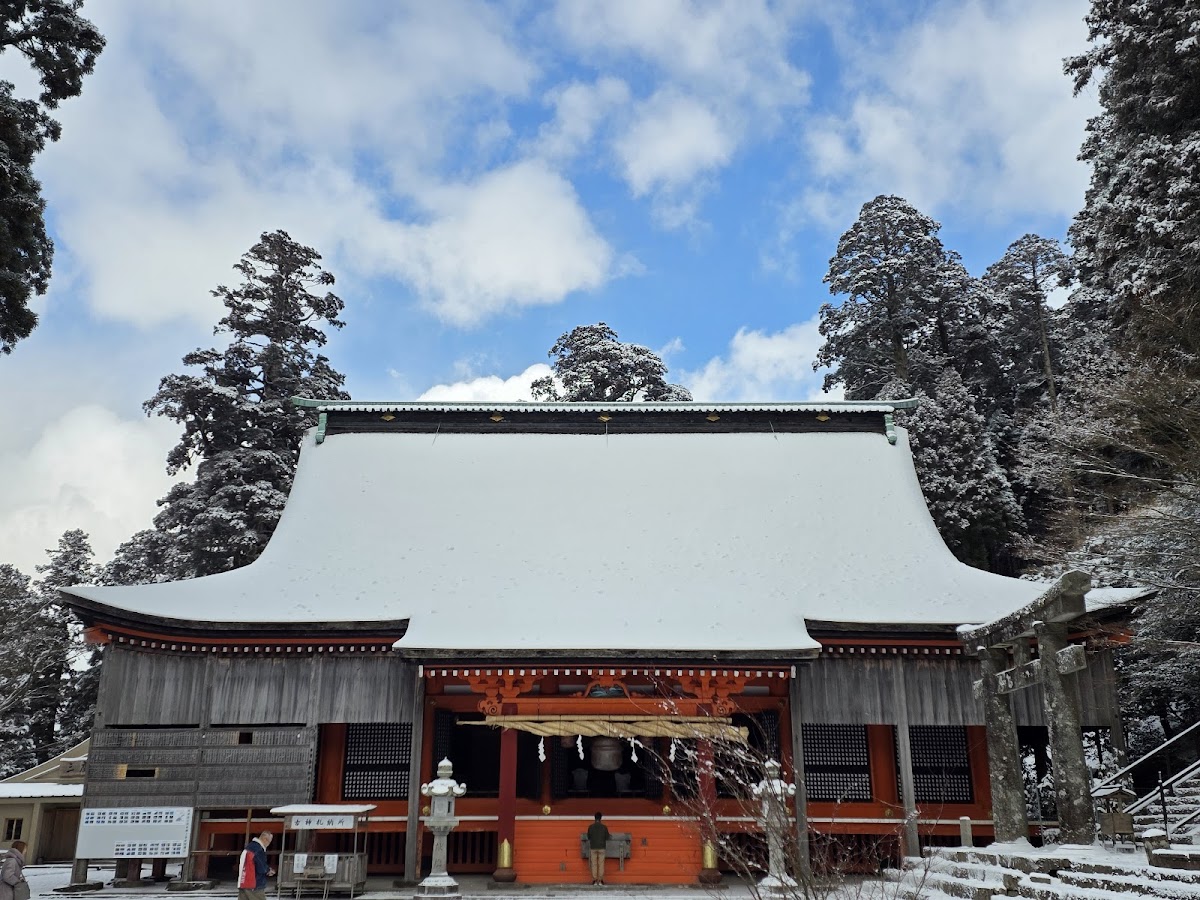
Kifune Shrine (Tagawa City, Fukuoka Prefecture) Complete Guide | Deities, Blessings, and Access Information
Several Kifune Shrines, dedicated to the god of water, are located in the Tagawa City and Tagawa County area of Fukuoka Prefecture. These shrines, branch shrines established by inviting deities from the Kifune Grand Shrine in Kyoto, have long been revered by the local people. This article provides a detailed introduction to the Kifune Shrines in the Tagawa area, including their history, enshrined deities, blessings, highlights within the grounds, and access information.
What is Kifune Shrine?
Kifune Shrines are shrines that enshrine the water gods Takaokami-no-kami, Kuraokami-no-kami, and Mizuha-no-me-no-kami as their main deities. The Kifune Grand Shrine in Sakyo Ward, Kyoto City, is the head shrine, and there are approximately 2,000 branch shrines throughout Japan.
Several Kifune shrines and Kifune shrines are located in the Tagawa region of Fukuoka Prefecture, each revered as a deity protecting the region’s water sources, agriculture, and livelihoods. While there are several variations in the spelling of “Kifune,” including “貴舟,” “貴布禰,” and “貴布祢,” all are shrines based on water deity worship.
Main Kifune Shrines in Tagawa City and Tagawa County
Kifune Shrine (Natsuyoshi, Tagawa City)
The Kifune shrine located in Natsuyoshi, Tagawa City, has been worshipped as the local tutelary deity since ancient times. The Natsuyoshi area is close to the center of Tagawa City and was once a thriving agricultural area. This Kifune shrine has played an important role as a place to pray for securing agricultural water and for a bountiful harvest.
Location: Natsuyoshi, Tagawa City, Fukuoka Prefecture
Kifune Shrine (Ikari, Tagawa City)
The Kifune shrine located in Ikari, Tagawa City, is also a shrine closely connected to the lives of local residents. The Ikari district is located in the southern part of Tagawa City, surrounded by a rural landscape. As the guardian deity of the region’s water sources, Kifune Shrine is a central presence in the local community.
Location: Ikari, Tagawa City, Fukuoka Prefecture
Kifune Shrine (Ōtō-machi, Tagawa District)
Kifune Shrine, located in Ōgyōji, Ōtō-machi, Tagawa District, is a historically significant shrine listed in the Fukuoka Prefecture Shrine Register.
Deities Enshrined:
- Takaokami-no-kami
- Kuraokami-no-kami
- Mizuha-no-me-no-kami
- Susanoo-no-Mikoto
Shrine Rank: Unranked Shrine
Location: 3654, Oaza Ogyoji, Oito-machi, Tagawa-gun, Fukuoka Prefecture
Postal Code: 824-0512
Corporate Number: 8290805007682
Kifune Shrine in Oito-machi is unique in that it enshrines Susanoo-no-Mikoto in addition to the three water deities. Susanoo-no-Mikoto is also known as a god of protection against misfortune and disaster, protecting the region from two aspects: the blessing of water and protection from calamity.
Kifune Shrine (Akamura, Tagawa District)
Several Kifune Shrines are located in Akamura, Tagawa District.
Kifune Shrine (3022 Akamura, Akamura)
Location: 3022 Akamura, Akamura, Tagawa District, Fukuoka Prefecture
Postal Code: 824-0431
Corporate Number: 3290805007712
Kifune Shrine (2198 Akamura, Akamura)
Location: 2198 Akamura, Akamura, Tagawa District, Fukuoka Prefecture
Postal Code: 824-0431
Corporate Number: 4290805007711
Akamura is a naturally rich area located at the foot of Mt. Hiko. Being a mountainous region, it is blessed with clear streams and springs, and water deity worship has been deeply rooted there since ancient times. These Kifune Shrines have been revered as deities protecting the mountain’s water sources and safeguarding the water supply for daily life and agriculture in the settlements.
Kifune Shrine (Kawara-machi, Tagawa-gun)
Several Kifune Shrines exist in Kawara-machi, Tagawa-gun.
Kifune Shrine (Nakatsuhara, Kawara-machi)
Location: Nakatsuhara, Kawara-machi, Tagawa-gun, Fukuoka Prefecture
Kifune Shrine (Takano, Kawara-machi)
Location: Takano, Kawara-machi, Tagawa-gun, Fukuoka Prefecture
Kawara-machi has been known as a copper producing area since ancient times, and mining required large amounts of water. Therefore, it is believed that water deity worship was particularly important, leading to the establishment of multiple Kifune Shrines.
Kifune Shrine (Soeda-machi, Tagawa-gun)
Location: 1307 Soeda, Soeda-machi, Tagawa-gun, Fukuoka Prefecture
Soeda-machi is a region that developed as a temple town for Mount Hiko. Many pilgrims visited Mount Hiko, a sacred site of Shugendo (Japanese mountain asceticism), and the purity of the water was highly valued. Kifune Shrine is worshipped as the guardian deity of the water sources in this region.
Deities and Divine Virtues of Kifune Shrine
Takaokami-no-kami
Takaokami-no-kami is a dragon god who governs the water sources on mountaintops. “Taka” means high place, and “Okami” means dragon or water god. This deity personifies the pure water gushing from mountaintops and valleys, and is revered as the guardian deity of water sources.
Kuraokami-no-kami
Kuraokami-no-kami is a dragon god who governs the water at the bottom of valleys and underground. “Kura” means dark places in valleys, and this deity protects groundwater and water sources in deep valleys. As a counterpart to Takaokami-no-kami, this deity plays a role in protecting the entire water cycle.
Mizuha-no-me-no-kami
Mizuha-no-me-no-kami is a goddess who personifies water itself. She presides over the blessings of water that directly affect people’s lives, such as wells, springs, and irrigation water. She is a deity particularly revered by women as the guardian deity of agriculture and water for daily life.
Susanoo-no-Mikoto
Some Kifune Shrines also enshrine Susanoo-no-Mikoto. Susanoo-no-Mikoto is known as the god of protection against misfortune, disaster, and epidemics, protecting the region through both the blessings of water and protection from calamities.
Benefits of Kifune Shrine
Kifune Shrine is said to offer the following benefits:
Benefits Related to the Blessings of Water
- Abundant Harvest: Protecting the water necessary for agriculture and bringing abundant harvests.
- Rainmaking/Stopping Rain: Praying for appropriate rainfall.
- Protection from Water-Related Disasters: Protection from floods and water-related disasters.
Benefits Related to All Aspects of Life
- Business Prosperity: Praying for business to progress smoothly like the flow of water.
- Family Safety: Praying for the blessing of pure water to be brought to the home.
- Exorcism: Especially beneficial for protection from evil at shrines dedicated to Susanoo-no-Mikoto.
Matchmaking/Successful Romance
Kifune Shrine in Kyoto is famous as a god of matchmaking, and even at its branch shrines, visitors come to pray for good relationships, drawing on the purity of the water. Just as water nourishes all things, it is believed to bring good fortune in relationships between people.
History and Beliefs of Kifune Shrine
Origins of Water Deity Worship
Water deity worship in Japan has existed since ancient times, alongside the development of agricultural culture. Especially for rice cultivation, a stable water source is essential, and worship of the water deity was a crucial aspect directly related to daily life.
The Tagawa region is blessed with rivers originating from Mount Hiko and abundant groundwater. Since ancient times, the people living in this area have expressed gratitude for the blessings of water and worshipped the deity who protects the water source.
Spread of Kifune Worship
Kifune Shrine in Kyoto was already a powerful shrine revered by the imperial court during the Heian period. Its worship spread throughout the country, and branch shrines were established in various locations. While the exact time of the arrival of Kifune worship in the Tagawa region of Fukuoka Prefecture is unclear, it is believed to have been established by local influential figures and village communities during the medieval to early modern periods.
Local Community and Kifune Shrine
Kifune Shrine in the Tagawa region has not only served as a place of worship but has also played a central role in the local community. Through festivals and religious ceremonies, these shrines have served as places where residents gathered and deepened their bonds.
Especially during the era when agriculture was the main industry, religious ceremonies aligned with the agricultural calendar, such as prayer ceremonies before rice planting and thanksgiving ceremonies after the harvest, were held and became established as annual local events.
Kifune Shrine Grounds and Highlights
Architectural Style of the Main Hall
Many Kifune Shrines in the Tagawa region inherit the traditional shrine architectural style of the area. Although relatively small in scale, they are carefully maintained and possess an appearance that reflects the faith of the local people.
Sacred Trees and Natural Environment
Many Kifune Shrines have ancient sacred trees within or around their grounds. These large trees tell the history of the shrine and symbolize the sacredness of the sacred area.
Also, as befits a shrine dedicated to the water god, pure spring water or streams sometimes flow within the grounds. It is believed that praying while listening to the sound of water has a purifying effect on the mind.
Proper Procedure at the Water Basin
When visiting Kifune Shrine, first purify your body and mind at the water basin. As this shrine enshrines the water deity, the water is exceptionally pure.
- Hold the ladle in your right hand and purify your left hand.
- Switch the ladle to your left hand and purify your right hand.
- Switch the ladle back to your right hand, receive water in your left hand, and rinse your mouth.
- Purify your left hand once more.
- Hold the ladle upright, let the water flow down the handle, and return it to its original place.
Proper Procedure for Worship
Worship at the main shrine follows the same procedures as at any other shrine.
- Bow before passing through the torii gate.
- Walk along the approach to the shrine, avoiding the center.
- Bow slightly in front of the main shrine.
- Ring the bell (if present).
- Place your offering in the offering box.
- Bow twice, clap twice, and bow once.
- Take a step back and bow once.
Access to Kifune Shrines in the Tagawa Area
Access by Public Transportation
Many Kifune Shrines in the Tagawa area are located in residential or rural areas, making access by public transportation somewhat inconvenient.
Nearest Stations:
- JR Hitahikosan Line “Tagawa-Ita Station” and “Tagawa-Gotōji Station”
- Heisei Chikuhō Railway “Tagawa-Ita Station”
From the station, you will need to take a taxi or bus. It is recommended to check local taxi companies or Nishitetsu bus routes depending on the specific location of each shrine.
Access by Car
Access by car is the most convenient.
Major Roads:
- National Route 322
- National Route 201
- Prefectural Road 52 (Tagawa-Nogata Line)
Expressways:
- Approximately 30 minutes from the Kyushu Expressway “Yahata IC” via National Route 201
- Approximately 40 minutes from the Higashi-Kyushu Expressway “Yukuhashi IC” via National Route 201
When using a car navigation system, entering the address or corporate number of each shrine will display the accurate location. However, some shrines are located in mountainous areas or residential areas, so please pay attention to road width and parking space.
About Parking
Many Kifune Shrines in the Tagawa area are relatively small, and some may not have dedicated parking lots. When visiting, please be considerate of local residents and avoid parking on the street.
Nearby Tourist Spots
Mount Hikosan
Located in Soeda Town, Tagawa District, Mount Hikosan has long been known as a sacred site of Shugendo (mountain asceticism). Mount Hiko, a sacred mountain at an altitude of 1,199 meters, is a center of mountain worship and attracts many pilgrims. In addition to visiting Kifune Shrine, climbing Mount Hiko and visiting Hikosan Jingu Shrine are also recommended.
Coal Memorial Park
Tagawa City was once a thriving coal mining town, the center of the Chikuhō coalfield. At the Tagawa City Coal and History Museum, you can learn about the history of coal mining and life at that time. It is also known as the birthplace of the “Coal Miner’s Song,” making it a spot where you can experience the region’s history and culture.
Roadside Station Ōtō Sakura Kaido
This roadside station in Ōtō Town offers the opportunity to purchase fresh local agricultural products and specialty goods. The restaurant serves dishes made with local ingredients, making it a convenient stop before or after visiting Kifune Shrine.
Mount Kawara
Mount Kawara, a symbol of Kawara Town, is a historical mountain where copper mining has taken place since ancient times. Limestone mining continues there today, and the mountain has a distinctive shape. Visiting Kifune Shrine in conjunction with Kawara Shrine will allow you to gain a deeper understanding of the region’s history.
Best Season for Visiting
Spring (March-May)
Spring is the perfect season for visiting, with its beautiful fresh greenery. Many visitors come to pray for a bountiful harvest before rice planting. Visiting during cherry blossom season, along with other nearby cherry blossom spots, is also recommended.
Summer (June-August)
Kifune Shrine, dedicated to the water god, offers a refreshing coolness even during the hot summer months. Especially at shrines located near water sources, the sound of the clear stream creates a serene atmosphere. During the rainy season, prayers for rain and rain cessation are also offered.
Autumn (September-November)
Autumn, the harvest season, is a time for visits to give thanks for a good harvest. It’s also a beautiful time of year for autumn foliage, with the trees on the grounds displaying their vibrant colors. The mild weather makes it a pleasant season for visiting.
Winter (December to February)
Winter is a quiet season for worship, with fewer visitors. During the New Year’s visit, the shrine becomes lively with worshippers praying for a safe year and the safety of their families. Although it’s a cold time of year, the crisp, clear air during worship is a solemn experience.
Notes and Manners for Visiting a Shrine
Attire
There are no specific dress code requirements, but please be mindful of the sacred nature of the place and dress cleanly and respectfully. For shrines located in mountainous areas, comfortable walking shoes are recommended.
Photography
Photography is generally permitted on the shrine grounds, but it is considered good manners to refrain from taking photos inside the main hall or during religious ceremonies. Also, please be considerate of the privacy of other worshippers.
Maintaining Silence
Please refrain from speaking loudly or making noise on the shrine grounds; worship quietly. A shrine is a place of prayer, a place to calm your mind and connect with the gods.
Take Your Trash Home
There may not be trash cans on the shrine grounds. Please be sure to take everything you bring with you home to help maintain the cleanliness of the sacred area.
Annual Events at Kifune Shrine
New Year’s Day Festival (January 1st)
This festival is held to pray for happiness in the new year and safety throughout the year. Many worshippers visit for their first shrine visit of the year to report the start of the new year to the gods.
Spring Grand Festival (April-May)
This festival is held to pray for the arrival of spring and a bountiful harvest. In some regions, a procession of portable shrines and the performance of sacred dances may take place.
Summer Purification Ceremony (June 30th)
This is a Shinto ritual to purify oneself of sins and impurities accumulated over the past six months. Some shrines also hold a ritual of passing through a ring of reeds.
Autumn Grand Festival (October-November)
This festival is held to give thanks for the harvest and to offer the first fruits of the year to the gods. It is sometimes held on a grand scale in conjunction with local autumn festivals.
Great Purification Ceremony (December 31st)
This is a Shinto ritual to purify oneself of the sins and impurities of the past year and to welcome the new year with a fresh start.
*The dates and content of the ceremonies vary depending on the shrine. Please contact each shrine or the local parishioners’ representative for details.
Kifune Shrine and Local Culture
The Relationship Between Water and Life
The Tagawa region is blessed with rivers such as the Hikoyama River and the Nakamotoji River, which originate from Mt. Hiko. These rivers have been used for agricultural and domestic water since ancient times, supporting the development of the region. Kifune Shrine has functioned as a center of faith, expressing gratitude for these blessings of water and protecting the water sources.
Coal Mines and Water Deity Worship
The Tagawa region flourished as the center of the Chikuhō coalfield from the Meiji to Showa periods due to the coal industry. Large amounts of water were necessary for coal mining, and measures against groundwater seepage in the mines were also a crucial issue. Therefore, it is believed that coal miners also prayed to Kifune Shrine, dedicated to the water god, for safety and prosperity.
Agriculture and Water God Worship
Even today, agriculture is practiced in the Tagawa region, and abundant water is essential, especially for rice cultivation. Kifune Shrine remains an important place for agricultural workers, serving as a place for prayers before rice planting and for giving thanks after the harvest.
Other Kifune Shrines in Fukuoka Prefecture
Besides Tagawa City and Tagawa District, there are several other Kifune Shrines in Fukuoka Prefecture.
Kifune Shrine (Fukuoka City)
Kifune Shrine is also located in Fukuoka City, serving as a center of water god worship in urban areas.
Other Regions
Branch shrines of Kifune Shrine also exist in the Chikugo and Chikuzen regions, and are revered as guardians of water blessings in each respective region.
Summary
Kifune Shrine, located in Tagawa City and Tagawa District, Fukuoka Prefecture, is an ancient shrine dedicated to the water god, and has attracted the faith of local people throughout its long history. Although each shrine is small in scale, they have played a vital role in protecting the region’s water sources and supporting agriculture and daily life.
Even today, these Kifune shrines are carefully preserved as spiritual centers for the local community and as places to express gratitude for the blessings of water. When visiting the Tagawa region, be sure to pay your respects at these Kifune shrines and experience the blessings of pure water and the tranquil atmosphere of the sacred grounds.
Water is the source of life and an indispensable part of our existence. Through a visit to Kifune shrines, you can be reminded of the importance of water and your gratitude to nature.