Imamiya Shrine (Tagawa City, Fukuoka Prefecture) Complete Guide | History, Deities, Benefits, and Access Information
Imamiya Shrine, located in Tagawa City, Fukuoka Prefecture, is a historic shrine that has been cherished by the local community for centuries. This article provides detailed information useful for those considering a visit, including the shrine’s historical background, its enshrined deities and their benefits, highlights within the grounds, annual events, and access methods.
What is Imamiya Shrine?
Imamiya Shrine is a shrine located in Tagawa City, Fukuoka Prefecture, with a long history as the local guardian deity. The Tagawa region has long flourished as a coal mining town, and Imamiya Shrine has also attracted the faith of people along with the region’s development.
Nestled in a quiet residential area and surrounded by nature, Imamiya Shrine is cherished by local residents as a spiritual haven and a place to escape the hustle and bustle of everyday life and find peace of mind.
History of Imamiya Shrine
Origin of Founding
There are various theories regarding the founding date of Imamiya Shrine, but it is believed to have been enshrined in the Tagawa region since ancient times. The name “Imamiya” is thought to be related to the Imamiya Shrine in Kyoto and the Imamiya faith in various regions, suggesting it may have been established as a deity for warding off disease and misfortune.
Connection to the Tagawa Region
Tagawa City flourished greatly from the Meiji era to the Showa era due to the coal industry. Many coal miners and their families lived there, and shrines were central to the local community. Imamiya Shrine was no exception, and people constantly visited to pray for safety at the mines, family safety, and business prosperity.
Even after the closure of the coal mines, Imamiya Shrine continued to watch over the history of the region and is still carefully preserved by parishioners and devotees today.
Changes in the Shrine Building
Throughout its long history, the shrine building of Imamiya Shrine has undergone several repairs and renovations. Maintained and managed through the donations and service of local people, it has reached its current state.
Deities and Blessings
Deities
Based on local traditions and records, the following deities are believed to be enshrined at Imamiya Shrine:
- Susanoo-no-Mikoto: God of protection against misfortune and disease
- Ōnamuchi-no-Mikoto: God of matchmaking and business prosperity
- Sukunahikona-no-Mikoto: God of medicine and hot springs
These deities have been worshipped since ancient times as gods who protect people’s lives and bring happiness.
Benefits
The main benefits that can be received at Imamiya Shrine are as follows:
- Protection from Evil and Disaster: Protection from all kinds of calamities through the power of Susanoo-no-Mikoto
- Health and Longevity: Recovery from illness and prayers for good health
- Family Safety: Peace and happiness for the family
- Business Prosperity: Development and prosperity of business
- Matchmaking: Success in finding a good partner and marital harmony
- Safety Prayer: Traffic safety, construction safety, etc.
In particular, local residents visit the shrine to express gratitude for important life events and daily blessings.
Highlights of the Shrine Grounds
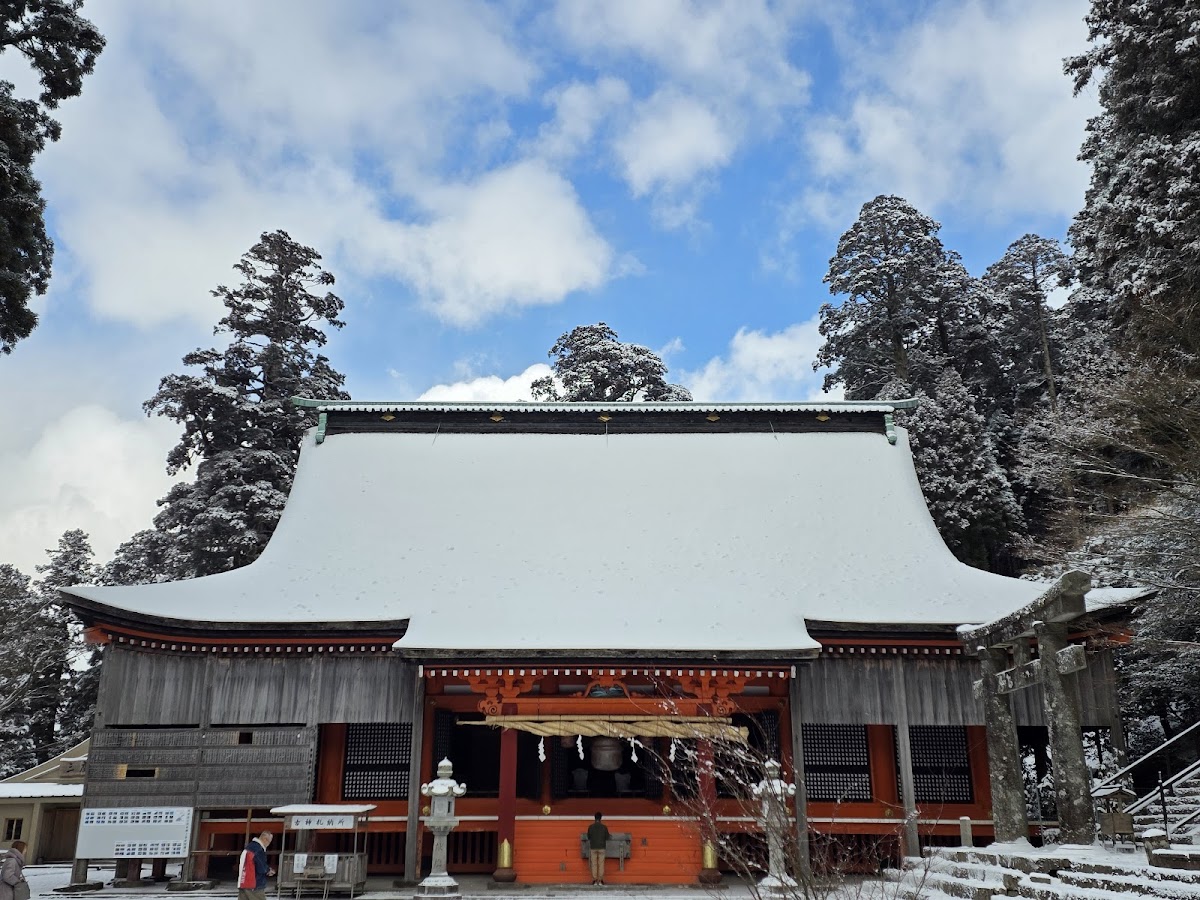
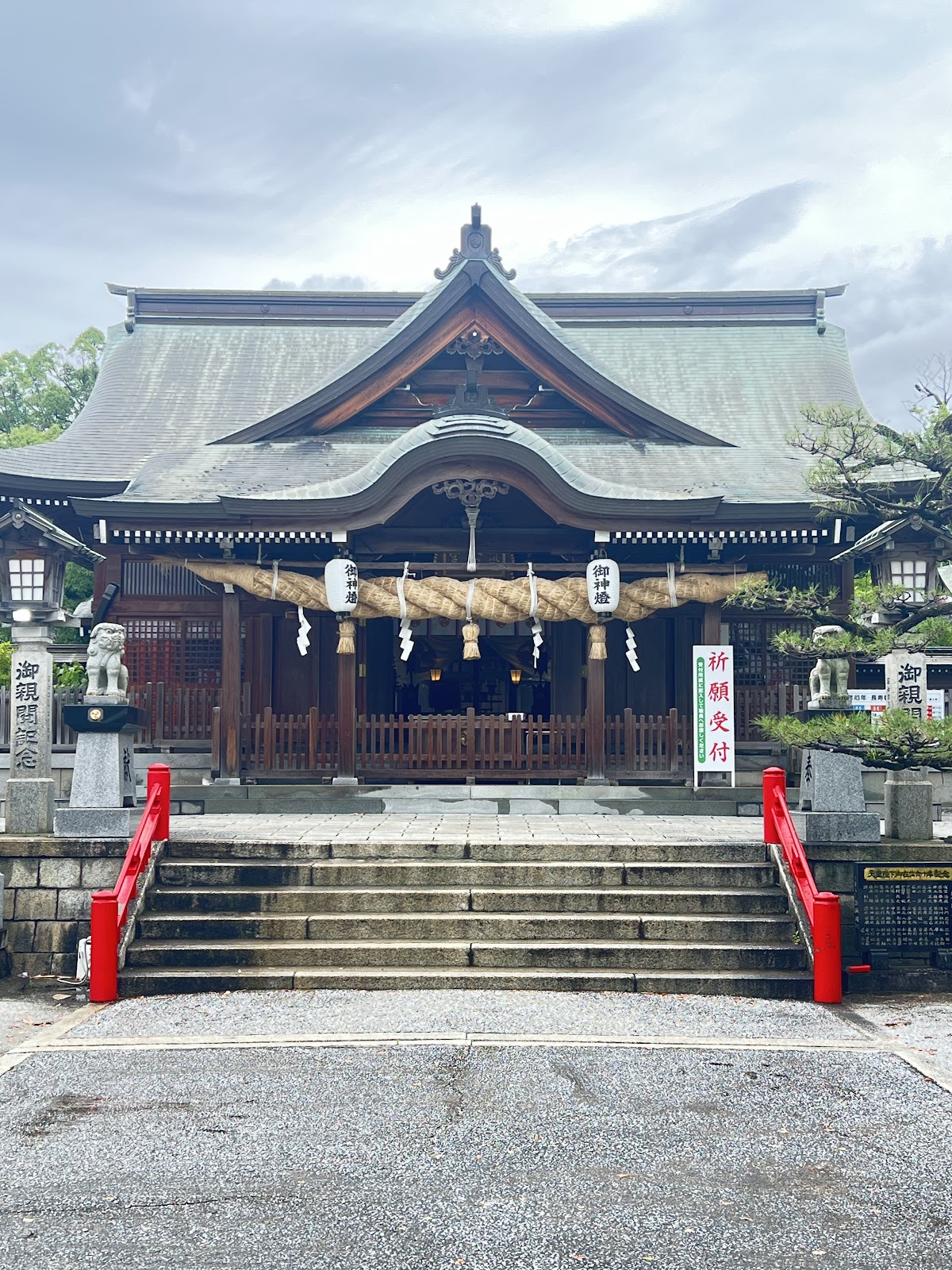
Main Hall and Worship Hall
The main hall and worship hall of Imamiya Shrine maintain the traditional style of shrine architecture. The wooden shrine buildings, though simple, exude a solemn atmosphere and warmly welcome visitors.
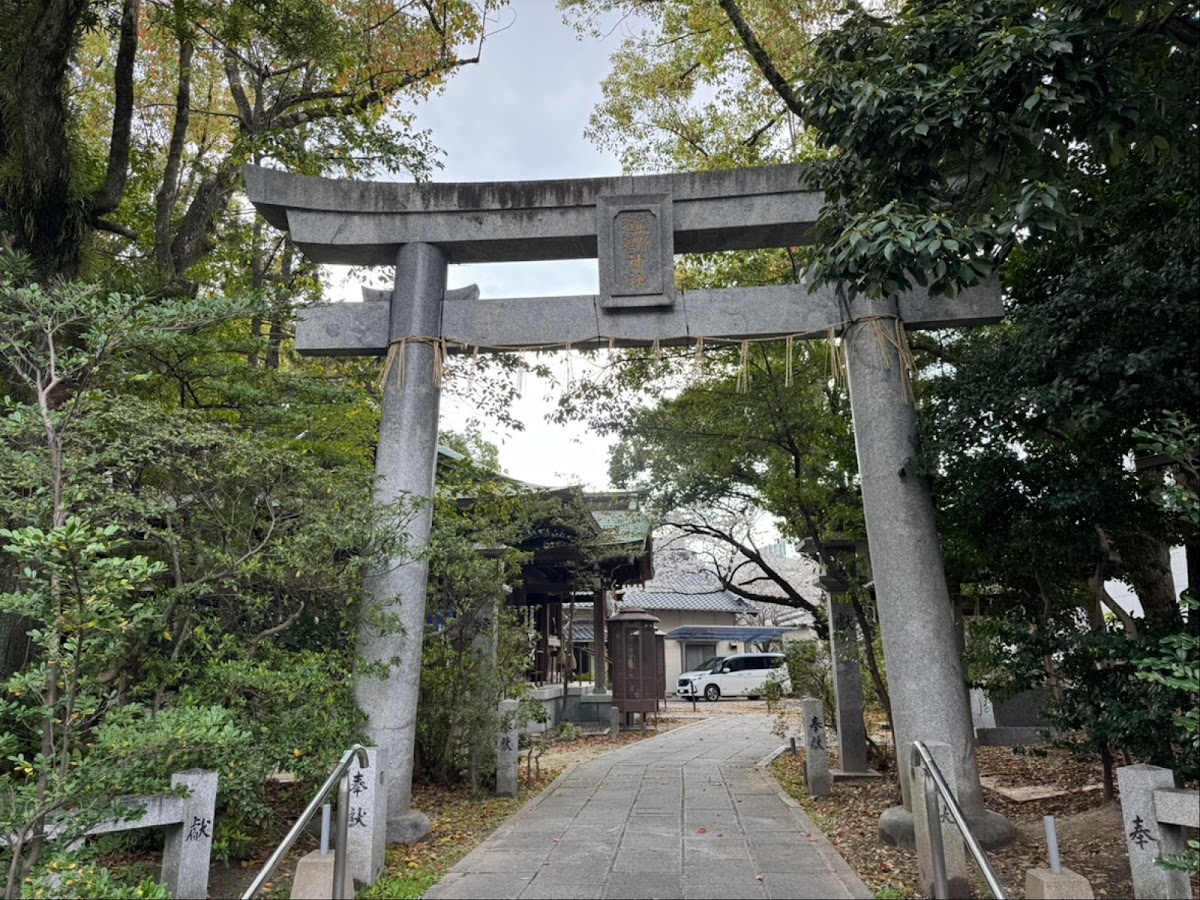
Torii Gate and Approach
A torii gate stands at the entrance of the shrine, and from there, an approach path leads to the main hall. Walking along the approach path shifts your mind from the everyday world to the sacred realm.
Subsidiary Shrines
Besides the main hall, there may be small shrines and subsidiary shrines within the grounds of Imamiya Shrine. These reflect local beliefs and history, and each has its own meaning.
Sacred Tree
Like many shrines, Imamiya Shrine may have an ancient sacred tree. Sacred trees are revered as trees where gods reside and are known as power spots.
Water Basin
There is a water basin for purifying oneself before worship. Purify your mind and body with the correct etiquette before worship.
Annual Events and Festivals
Grand Festival
Imamiya Shrine holds its annual grand festival at a fixed time each year. The annual grand festival is the most important festival for the shrine, bringing together local people, and sometimes featuring portable shrine processions and offerings.
New Year’s Visit
Many worshippers visit the shrine for the New Year’s visit. They pray for safety and happiness throughout the year and report the start of the new year to the gods.
Setsubun Festival
During Setsubun in February, events such as bean-throwing are sometimes held. It is a traditional event to ward off evil and invite good fortune.
Summer Festival
In the summer, local summer festivals are sometimes held, and Imamiya Shrine is often at the center of them. Bon Odori dances and food stalls line the streets, providing an opportunity to deepen the bonds of the local community.
Shichi-Go-San Festival
In November, the shrine is bustling with visitors for Shichi-Go-San. It is a time to celebrate children’s growth and pray for their healthy development.
Etiquette for Visiting a Shrine
We will introduce the basic etiquette for visiting a shrine.
How to Pass Through a Torii Gate
Bow before passing through the torii gate. Since the center of the path is considered the path of the gods, it is polite to walk along the side.
Ritual of Washing Hands
- Hold the ladle in your right hand and wash your left hand.
- Switch the ladle to your left hand and wash your right hand.
- Switch the ladle back to your right hand, receive water in your left hand, and rinse your mouth.
- Wash your left hand again.
- Hold the ladle upright, wash the handle, and return it to its original position.
Ritual of Worship
Perform the general Shinto shrine worship ritual: “Two bows, two claps, one bow.”
- Place your offering in the offering box.
- Ring the bell if there is one.
- Bow deeply twice.
- Clap your hands twice at chest height.
- Pray with your hands clasped together.
- Bow deeply once.
Access to Imamiya Shrine
Location
Address: Tagawa City, Fukuoka Prefecture (Please confirm the specific address in advance)
Access by Train
- JR Hitahikosan Line: The nearest stations are Tagawa-Ita Station or Tagawa-Gotōji Station.
- Accessible on foot or by taxi from the station.
Access by Bus
You can also use local buses such as Nishitetsu Bus. It is recommended to check the nearest bus stop in advance.
Access by Car
- Kyushu Expressway: Via National Route 322, etc., from Yahata IC or Kokura Minami IC.
- Parking: There may be parking spaces on the shrine grounds or nearby (advance confirmation recommended).
Searching for “Imamiya Shrine Tagawa City” on your car navigation system or smartphone map app is convenient.
Visiting Hours
The shrine is generally open for worship 24 hours, but the shrine office has limited hours. If you wish to obtain a Goshuin (shrine stamp) or amulet, it is recommended to check in advance.
Nearby Tourist Attractions
Tagawa City Coal and History Museum
A museum where you can learn about the history of coal mining in Tagawa City. Visiting these locations in conjunction with a visit to Imamiya Shrine will allow you to gain a deeper understanding of the region’s history.
Kazeji Hachimangu Shrine
One of Tagawa City’s representative shrines, famous for its Kawawatari Shinkosai (river crossing procession). It is counted as one of Fukuoka Prefecture’s five major festivals.
Tagawa City Museum of Art
A museum where you can experience local art and culture. Special exhibitions are held regularly.
Kawara-dake Mountain
A mountain that can be considered a symbol of the Tagawa region, characterized by its unique shape. Enjoy hiking and nature walks.
Goshuin (Shrine Seals) and Other Items
Goshuin (Shrine Seals)
Imamiya Shrine may offer Goshuin. Goshuin are proof of your visit and a way to preserve your connection with the shrine. Bring your Goshuincho (seal book) and politely request one at the shrine office.
Amulets and Talismans
Various amulets and talismans may be available:
- Amulet for protection against evil
- Amulet for traffic safety
- Amulet for good health
- Amulet for academic success
- Amulet for family safety
Ema (votive tablets)
Ema, on which you can write your wishes and dedicate them, may also be available.
Points to note when visiting
Attire
There are no particularly strict dress code regulations, but please be mindful that this is a sacred place and dress cleanly and appropriately.
Photography
Photography is generally permitted on the shrine grounds, but please refrain from taking pictures inside the main hall or in areas where photography is prohibited. Consideration for other visitors is also important.
Manners
- Worship quietly
- Take your trash with you
- Respect the sacred area
- Do not disturb other visitors
Connection with the local community
Parishioner organization
Imamiya Shrine is supported by local parishioners. The parishioners’ organization is responsible for the maintenance and management of the shrine and the operation of festivals, forming the core of the local community.
Participation in Local Events
The shrine is deeply connected to various local events. It participates not only in festivals but also in cleaning activities and local events.
Preservation of Tradition
The shrine also plays a role in passing on local traditions and culture to the next generation. Children’s participation in festivals fosters a sense of attachment to the community and an understanding of tradition.
The Charm of Imamiya Shrine
Tranquil Atmosphere
Away from the hustle and bustle of the city, it offers a peaceful environment for worship. It’s a place to escape the stresses of daily life and refresh your mind.
History Rooted in the Community
Imamiya Shrine, which has walked hand in hand with the history of Tagawa City, is an integral part of the community’s identity. Visiting the shrine allows you to experience the history and culture of the region.
Homely Atmosphere
Unlike large-scale tourist shrines, it has a warm, community-oriented atmosphere. Interacting with local people is one of its charms.
Beauty in Every Season
The natural beauty of the shrine grounds changes with the seasons. Enjoy the different beauty of each season: the fresh greenery of spring, the deep green of summer, the vibrant autumn foliage, and the tranquility of winter.
About Tagawa City
History of Coal Mining
Tagawa City was a coal mining town that supported Japan’s energy industry from the Meiji to Showa periods. Coal mines, including the Mitsui Tagawa Coal Mine, flourished, attracting many people.
Present-day Tagawa City
After the closure of the coal mines, Tagawa City has focused on new industries and tourism. It is working on tourism utilizing coal mining heritage and preserving local traditional culture.
A Transportation Hub
Located in the central part of Fukuoka Prefecture, it has good access to Kitakyushu City and Fukuoka City.
Mindset for Worship
Worshiping a shrine is not merely sightseeing; it is an act of showing respect and gratitude to the gods. Please visit the shrine with the following mindset:
Gratitude
Express your gratitude to the gods for things you might take for granted, such as your daily life, health, and the happiness of your family.
Humility
It’s important not only to make wishes, but also to reflect on yourself and strive to become a better person with a humble attitude.
Continuous Faith
By visiting regularly, rather than just once, your connection with the gods will deepen.
Summary
Imamiya Shrine is a historical shrine deeply rooted in the community, located in Tagawa City, Fukuoka Prefecture. It offers blessings for protection against misfortune, health and longevity, and family safety, and is cherished as a spiritual haven for the local people.
Imamiya Shrine, which has walked hand in hand with the history of Tagawa City’s coal mining, is still carefully preserved by its parishioners and devotees. It is a precious place where you can calm your mind in its tranquil grounds and offer gratitude and prayers to the gods.
When you visit Tagawa City, please be sure to visit Imamiya Shrine. You will be able to spend a peaceful time while experiencing the local history and culture. We hope that through your visit, you will gain gratitude for your daily life and renewed energy.
*We recommend checking the visiting hours and event details in advance. Please be considerate of the local residents and observe proper etiquette during your visit.