Jorakuji Temple (Kyoto Prefecture, Ukyo Ward) Complete Guide | History, Access, and Highlights Explained in Detail
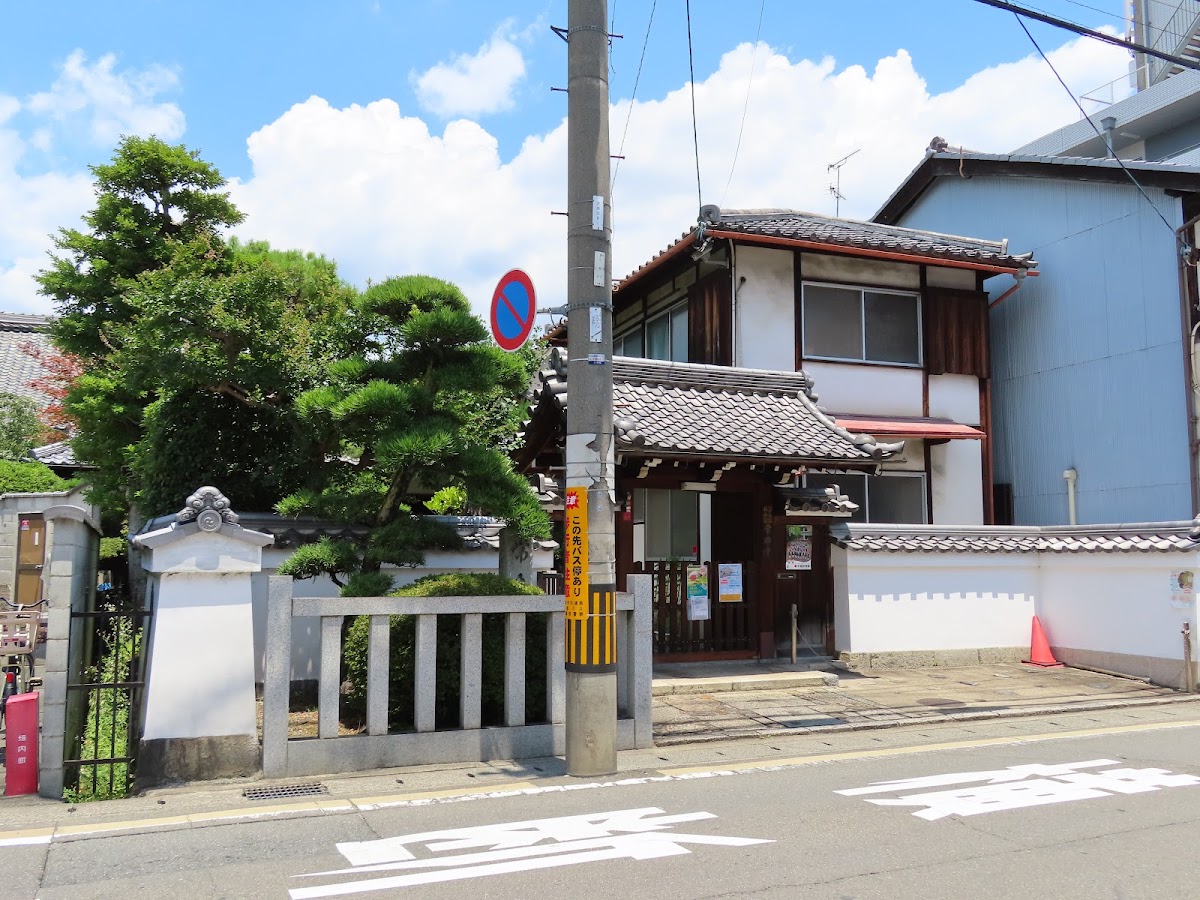
Located in Uzumasa Kakiuchi-cho, Ukyo Ward, Kyoto City, Jorakuji Temple is a historic temple belonging to the Jodo-shu Seizan Zenrinji sect. Nestled in a quiet residential area of Uzumasa, this temple is beloved by locals but relatively unknown to tourists, a hidden gem. This article provides detailed information you should know before visiting Jorakuji Temple, including its history, highlights, and access methods.
Basic Information about Jorakuji Temple
Jorakuji Temple is a temple of the Jodo-shu Seizan Zenrinji sect located at 11 Uzumasa Kakiuchi-cho, Ukyo Ward, Kyoto City, Kyoto Prefecture. Its principal image is a Zenkoji-style Amida Triad, and it has a long history as a center of local faith.
Location and Contact Information
- Address: 11 Uzumasa Kakiuchi-cho, Ukyo-ku, Kyoto City, Kyoto Prefecture
- Sect: Jodo-shu Seizan Zenrinji-ha
- Principal Image: Zenkoji-style Amida Triad
- Nearest Station: Keifuku Electric Railway Uzumasa Koryuji Station
The Uzumasa area has long been known as a film town, and is home to many tourist attractions such as Toei Uzumasa Movie Village and Koryuji Temple. Jorakuji Temple is a valuable temple that maintains a tranquil atmosphere despite being close to such bustling tourist spots.
History and Origin of Jorakuji Temple
About Jodo-shu Seizan Zenrinji-ha
The Jodo-shu Seizan Zenrinji-ha, to which Jorakuji Temple belongs, is a sect that follows the lineage of the Jodo-shu sect, with Honen Shonin as its founder. The Nishiyama branch of the Jodo sect considers Shōkū Shōnin (Nishiyama Shōnin) as its founder, and its head temple is Zenrin-ji (Eikandō) in Kyoto.
The characteristic of the Jodo sect Nishiyama Zenrin-ji branch lies in its unique religious character, which, while based on the teachings of Pure Land Buddhism that preach rebirth in paradise through chanting the Buddha’s name, also incorporates Zen elements. Jōraku-ji Temple has inherited this tradition and has functioned as a center of Nembutsu faith in the region.
Temple Culture in the Uzumasa Area
Uzumasa is a historical area with a long history dating back to ancient times, known as a place associated with the Hata clan. It boasts many ancient temples, including Kōryū-ji Temple, and is a land where Buddhist culture is deeply rooted. Jōraku-ji Temple has also played a part in this temple culture of Uzumasa, and has played an important role as a spiritual pillar for the local residents.
Throughout the Edo, Meiji, Taisho, and Showa periods, Jōraku-ji Temple has undergone several repairs and reconstructions, but its flame of faith has never been extinguished, and it has been passed down to the present day.
Highlights of Joraku-ji Temple
Zenkoji-style Amida Triad
The Zenkoji-style Amida Triad, the principal image of Joraku-ji Temple, is a Buddhist statue modeled after the principal image of Zenkoji Temple in Shinshu. The Zenkoji style is a triad form with Amida Buddha at the center, flanked by Kannon Bodhisattva and Seishi Bodhisattva, and has particularly garnered fervent devotion among the common people.
Zenkoji faith is known as “Ikko Sanzon Amida Nyorai” (One Light, Three Amida Buddhas), and is characterized by the teaching that everyone, regardless of age, gender, social status, or social standing, can be saved. The principal image of Joraku-ji Temple inherits this tradition and serves as a spiritual anchor for many worshippers.
Warabe Jizo (Child Jizo)
Within the grounds of Joraku-ji Temple, there is a distinctive Jizo statue called “Warabe Jizo” (Child Jizo). This Warabe Jizo is an adorable Jizo Bodhisattva in the form of a child, and attracts the faith of people praying for the healthy growth of children, fertility, and safe childbirth.
Jizo Bodhisattva has long been revered in Japanese folk beliefs as a guardian deity of children. The Warabe Jizo (child Jizo) at Joraku-ji Temple is also affectionately known as “O-Jizo-san” by the local people, and it’s common to see people praying to it in their daily lives.
Atmosphere of the Temple Grounds
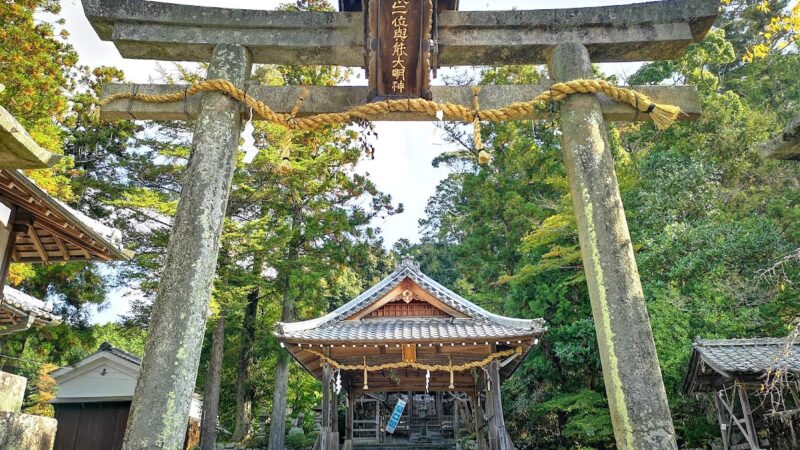
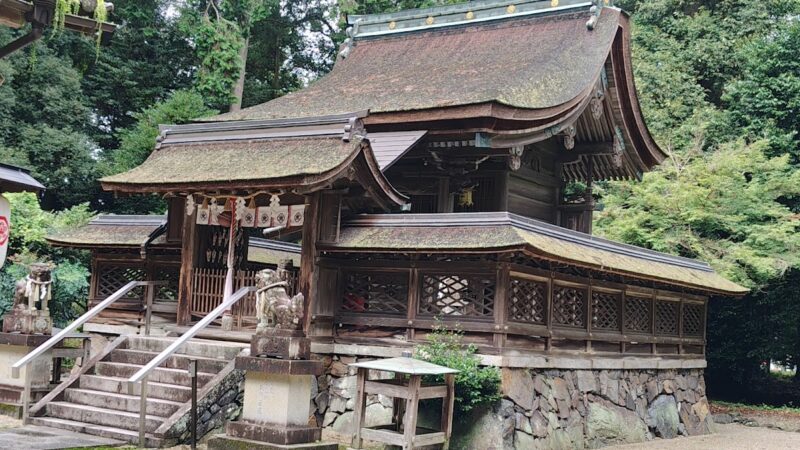
The grounds of Joraku-ji Temple offer a quiet space far removed from the hustle and bustle of the city. Though small, the meticulously maintained garden trees and stone paths provide visitors with a peaceful atmosphere.
The temple grounds, showcasing the beauty of each season—cherry blossoms in spring, lush greenery in summer, vibrant autumn leaves, and snowscapes in winter—serve as a place of relaxation for the local community. While it lacks the grandeur of a tourist temple, it possesses a warmth befitting a place of everyday faith.
Access to Joraku-ji Temple
Access by Train
The most convenient way to visit Joraku-ji Temple is by using the Keifuku Electric Railway (Arashiyama Line).
Access from Keifuku Electric Railway Uzumasa Koryuji Station
- Approximately 2-3 minutes on foot from the Uzumasa Koryuji Station exit
- Head north from the station and you will arrive shortly after walking through the residential area.
The Keifuku Electric Railway is a local line connecting Arashiyama and Shijo-Omiya, offering an attractive route where you can enjoy the atmosphere of Kyoto while traveling. Uzumasa Koryuji Station is also the closest station to Koryuji Temple, and a visit to the temple is highly recommended.
Access from JR Lines
- Approximately 10 minutes on foot from JR Sagano Line “Uzumasa Station”
- Head east from the station and you will arrive after passing through the residential area.
Access by Bus
If using Kyoto City Buses, the following bus stops are available:
- Get off at “Uzumasa Koryuji-mae” bus stop, approximately 3 minutes on foot
- Get off at “Uzumasa Eigamura-michi” bus stop, approximately 5 minutes on foot
From Kyoto Station, you can use Kyoto City Bus Route 75, etc. However, buses in Kyoto City are often crowded during tourist season, so using the train is a more reliable option.
Access by Car and Parking
If you are visiting by private car, there is a high probability that Joraku-ji Temple does not have its own parking lot, so you will need to use a nearby coin-operated parking lot. There are several coin-operated parking lots in the Uzumasa area, but they can be full on holidays and during tourist season, so using public transportation is recommended.
Tourist Attractions Around Joraku-ji Temple
Koryu-ji Temple
Located about a 3-minute walk from Joraku-ji Temple, Koryu-ji Temple is known as one of Kyoto’s oldest temples. It houses many valuable Buddhist statues, including the national treasure, the Miroku Bosatsu Hanka Shii-zo (Maitreya Bodhisattva in a contemplative pose), making it a must-see spot when visiting Uzumasa.
Koryu-ji Temple is said to have been founded in 603 by Hata no Kawakatsu, and has a long history dating back to the Asuka period. Visiting both Joraku-ji Temple and Koryu-ji Temple will allow you to gain a deeper understanding of Uzumasa’s Buddhist culture.
Toei Uzumasa Movie Village
Located about a 10-minute walk from Joraku-ji Temple, Toei Uzumasa Movie Village is a popular tourist spot and a theme park dedicated to period dramas. Visitors can enjoy sets recreating Edo-period townscapes, exhibits related to movies, and attractions.
It’s an attractive facility for families and movie fans, and a good combination to visit after a quiet visit to Joraku-ji Temple.
Ninna-ji Temple
With a short trip, you can also visit Ninna-ji Temple, a World Heritage Site. Ninna-ji Temple is the head temple of the Omuro branch of Shingon Buddhism, famous for its Omuro cherry blossoms, and is bustling with tourists in the spring. It’s about a 20-minute walk or a 10-minute bus ride from Joraku-ji Temple to Ninna-ji Temple.
Manners and Precautions for Visiting Joraku-ji Temple
Etiquette for Visiting Temples
When visiting Joraku-ji Temple, please observe general temple etiquette.
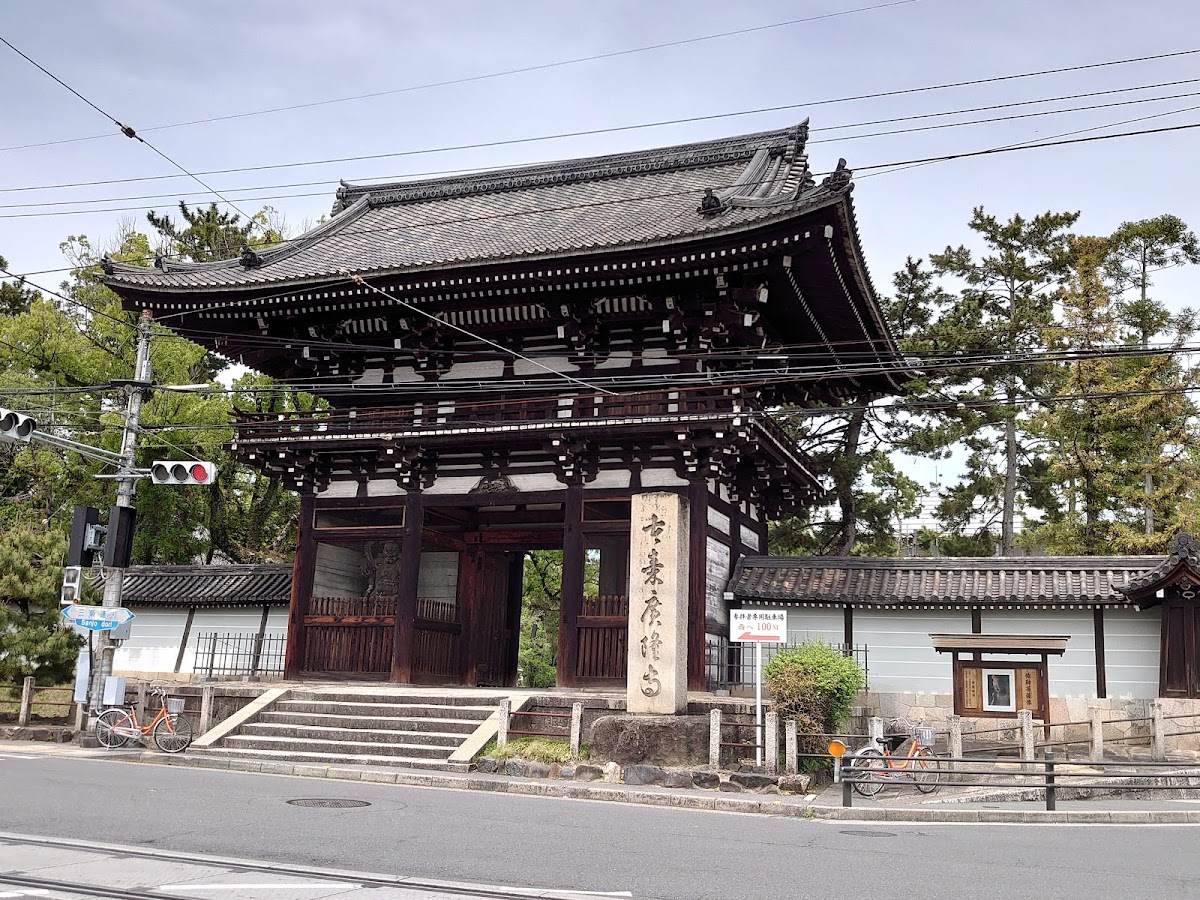
- Bow at the Temple Gate: Bow at the temple gate before entering the grounds.
- Respectful Respect: Be quiet within the temple grounds and be considerate of other visitors.
- Worship at the Main Hall: Join your hands in prayer before the main hall and offer your prayers with sincerity.
- Photography: Take photographs within the temple grounds, but only to the extent that it does not interfere with other visitors or religious ceremonies.
- Offering: If there is an offering box, offer a donation with gratitude.
Visiting Hours and Admission Fee
Jorakuji Temple is a local temple, and there may not be specific visiting hours or admission fees. It is recommended to check before visiting. Generally, it is appropriate to visit during daylight hours, avoiding early mornings and late evenings.
Dress Code
There are no specific dress code regulations, but when visiting a temple, please avoid overly revealing or flashy clothing and aim for modest attire.
Regarding temples with the same name as Jōraku-ji
The name “Jōraku-ji” exists in various parts of Japan, and there are several Jōraku-ji temples in Kyoto Prefecture alone. To avoid confusion, the main Jōraku-ji temples are introduced below.
Jōraku-ji (Shimogyo-ku, Kyoto City)
There is also a Jōraku-ji in Shimogyo-ku, Kyoto City. This is a temple of the Jōdo Shinshū Honganji sect. It is said to have been founded by Zonkak, a great-great-grandson of Shinran, and is also called “Jōrakudai.” This is a different temple from the Jōraku-ji in Ukyo-ku introduced in this article, so please check the address before visiting.
Jōraku-ji (Ryōanji Yamada-chō, Ukyo-ku, Kyoto City)
Search results also show information that there is a Jōraku-ji at 11 Ryōanji Yamada-chō, Ukyo-ku. This is located near Ninna-ji and belongs to the Shinshū Takada sect. It is in a different location from the Jōraku-ji in Uzumasa Kakiuchi-chō, so please be careful.
Joraku-ji Temple (Kameoka City, Kyoto Prefecture)
There is also a Joraku-ji Temple in Nishibetsuin-cho, Kameoka City, Kyoto Prefecture. This is a Rinzai Zen temple of the Myoshin-ji school. Since it is located in Kameoka City and not within Kyoto City, the access methods are completely different.
When planning your visit, please be sure to confirm that you are going to the Joraku-ji Temple located at “11 Uzumasa-Kakiuchi-cho, Ukyo-ku, Kyoto City.”
History and Culture of the Uzumasa Area
The Hata Clan and Uzumasa
The name Uzumasa originates from the Hata clan, a powerful ancient clan. The Hata clan was a clan of immigrant origin, excelling in sericulture, weaving, and civil engineering, and greatly contributing to the development of the Kyoto Basin.
Koryu-ji Temple is said to have been founded by Hata no Kawakatsu with a Buddhist statue bestowed upon him by Prince Shotoku as its principal image, and Uzumasa has been one of the centers of Buddhist culture since ancient times. Joraku-ji Temple can be said to be one of the temples that inherits this tradition of Buddhist culture in Uzumasa.
Uzumasa, the City of Film
Since the modern era, Uzumasa has developed as the center of Japanese cinema. Film studios were established there from the Taisho era onwards, and many period dramas were produced there. Toei Uzumasa Film Village is a facility that preserves this history.
Uzumasa, where ancient Buddhist culture and modern film culture coexist, has a unique atmosphere even within Kyoto. Visiting Joraku-ji Temple allows you to experience this multifaceted history of Uzumasa.
Annual Events at Joraku-ji Temple
Main Events of the Jodo Sect
As a temple of the Jodo Sect’s Seizan Zenrin-ji branch, Joraku-ji Temple may hold the following annual events:
- Shushōe: New Year’s memorial service
- Shunki Higane: Spring equinox memorial service
- Segakie: Ancestral memorial service held in summer
- Autumn Higane: Autumn equinox memorial service
- Jūya Hōyō: Buddhist chanting service held from October to November
For specific dates and details, it is recommended to contact the temple directly.
Connection with the Community
Jōraku-ji Temple functions as a community-oriented temple, serving as a venue for local residents’ memorial services, funerals, and ancestral memorial services. Unlike tourist temples, its role as a place of daily faith is significant, so it is important to respect the faith of the local people when visiting.
How to Enjoy Visiting Jōraku-ji Temple
Spend a Quiet Time
The greatest charm of Jōraku-ji Temple is its quiet atmosphere, which is not commercialized for tourism. There are no crowds like in famous tourist temples, allowing you to visit at your own pace. This is the perfect place to escape the hustle and bustle of everyday life and find peace of mind.
Incorporate into your Uzumasa sightseeing itinerary
While visiting Joraku-ji Temple alone is fine, combining it with other sightseeing spots in the Uzumasa area will make for a more fulfilling experience.
Recommended sightseeing itinerary:
- Start from Uzumasa Koryuji Station on the Keifuku Electric Railway
- Visit Joraku-ji Temple (15 minutes)
- Visit Koryuji Temple (45 minutes)
- Lunch in Uzumasa Shopping Street (60 minutes)
- Visit Toei Uzumasa Movie Village (2 hours)
- Visit Ninna-ji Temple (60 minutes)
This itinerary allows you to fully experience the history and culture of Uzumasa in one day.
Seasonal visits
Joraku-ji Temple displays different expressions throughout the seasons. The following seasons are particularly recommended:
- Spring (March-May): Beautiful cherry blossoms and fresh greenery, mild weather, ideal for visiting the temple.
- Autumn (October-November): Autumn leaves adorn the temple grounds, creating a tranquil atmosphere for worship.
- Winter (December-February): The serene snow-covered grounds offer an even more peaceful experience.
In summer, the lush greenery and the sound of cicadas make for a charming visit.
Frequently Asked Questions about Joraku-ji Temple
Is there an entrance fee?
Joraku-ji Temple is a local temple, and there is usually no entrance fee. However, this may differ during special events or public openings, so it is recommended to check in advance.
Can I get a Goshuin (temple stamp)?
You need to check directly with the temple regarding the availability of Goshuin. Since it is a local temple, they may not always offer them, so it is best to inquire in advance.
Is there parking?
There is no designated parking lot for Joraku-ji Temple. If you are visiting by car, we recommend using nearby coin-operated parking lots or public transportation.
Is photography allowed?
Generally, photography is permitted on the temple grounds, but photography inside the main hall or of Buddha statues may be prohibited. We recommend checking beforehand or taking photos discreetly.
Summary: The Charm of Joraku-ji Temple
Joraku-ji Temple, located in Uzumasa Kakiuchi-cho, Ukyo-ku, Kyoto City, is a historic temple of the Jodo-shu Seizan Zenrin-ji sect that has supported the faith of the local people. While it lacks the flashiness of a tourist temple, it offers a quiet and peaceful atmosphere where you can spend time to calm your mind.
With a Zenko-ji style Amida Triad as its principal image and guarded by child-like Jizo statues, the temple grounds offer peace to visitors. Its convenient location, just a 2-3 minute walk from Uzumasa Koryuji Station, is also a major attraction.
Visiting Joraku-ji Temple along with other nearby tourist spots such as Koryuji Temple and Toei Uzumasa Movie Village allows you to experience the diverse culture of Uzumasa. Why not spend some peaceful time at a quiet temple away from the hustle and bustle of Kyoto?
Joraku-ji Temple is especially recommended for those who want to discover Kyoto’s hidden charms and those who prefer a quiet temple visit. When you visit Uzumasa, be sure to stop by.