Complete Guide to Nanden Junkoji Temple (Kyoto Prefecture) | History and Highlights of “Yashome-dera,” Associated with Rennyo Shonin
Nanden Junkoji Temple, located in Narutaki Matsumoto-cho, Ukyo-ku, Kyoto City, is a prestigious temple belonging to the Jodo Shinshu Honganji sect. Its mountain name is Ryuge-san, and it is a historical temple founded by Rennyo Shonin, known as the restorer of Shinshu Buddhism, attracting many visitors.
This article comprehensively introduces the charm of Nanden Junkoji Temple, including its detailed history, the origin of its alternative name “Yashome-dera,” highlights within the temple grounds, and access information.
History and Origin of Nanden Junkoji Temple
Founded by Rennyo Shonin
The history of Nanden Junkoji Temple dates back to the late Muromachi period, specifically the first year of Entoku (1489). According to temple tradition, the temple was founded in Hirakata, Kawachi Province (present-day Osaka Prefecture), by Rennyo Shonin, known as the restorer of the Shinshu sect.
Rennyo Shonin spread the teachings of Jodo Shinshu throughout Japan and established many temples, but Nanden Junkoji Temple holds special significance among them. It is named “Nanden Junkoji” because it originates from the Nanden (South Hall) of Yamashina Honganji Temple.
Jitsuju Shonin and the Temple’s Development
Rennyo Shonin’s youngest son, Kenchi, later known as Jitsuju Shonin, inherited the temple as its first head priest. Jitsuju Shonin was born in Rennyo Shonin’s later years and grew up receiving deep love from his father.
In 1558 (Eiroku 1), the temple received the title of Imperial Prayer Temple from Emperor Go-Nara, gaining the status of a temple of high standing. This greatly prospered the temple, establishing its position as an important temple within the Jodo Shinshu Honganji sect.
Changes within Kyoto City
Nanden Junkoji Temple has moved locations several times throughout its long history. During the Kan’ei era (1624-1644), it relocated near Horikawa Marutamachi and came to be known as “Nijo Junkoji.” Its name is also recorded in the “Miyako Meisho Zue,” a guide to famous places in Kyoto during the Edo period, indicating that it was known as a renowned temple in Kyoto even then.
In modern times, in April 1974 (Showa 49), it moved to its current location in Narutaki Matsumoto-cho, Ukyo-ku, Kyoto City. It now stands as a modern reinforced concrete main hall.
Origin and Legend of “Yashome-dera”
Rennyo Shonin’s Lullaby
Nanden Junkoji Temple has a friendly alternative name, “Yashome-dera.” This name embodies a heartwarming episode involving Rennyo Shonin and Jitsuju Shonin.
It is said that Rennyo Shonin deeply loved his youngest son, Jitsujū (later the first head priest), whom he had in his later years, and sang lullabies to him. These lullabies are known as “Yashome no Uta” (The Song of the Gentle Woman), and have been passed down to this day as one of Kyoto’s traditional folk songs and comedic performances.
Connection to Kyoto’s Traditional Culture
This “Yashome no Uta” is not merely a lullaby; it has been cherished as part of Kyoto’s traditional culture. The image of Rennyo Shonin, a religious leader, showering his child with love as a father, touched the hearts of many, and the temple became known affectionately as “Yashome-dera” (Yashome Temple).
This nickname reflects not only the temple’s aspect as a strict religious institution, but also its characteristic warmth and human touch.
Highlights of Nanden Junkoji Temple
Main Hall and Principal Image
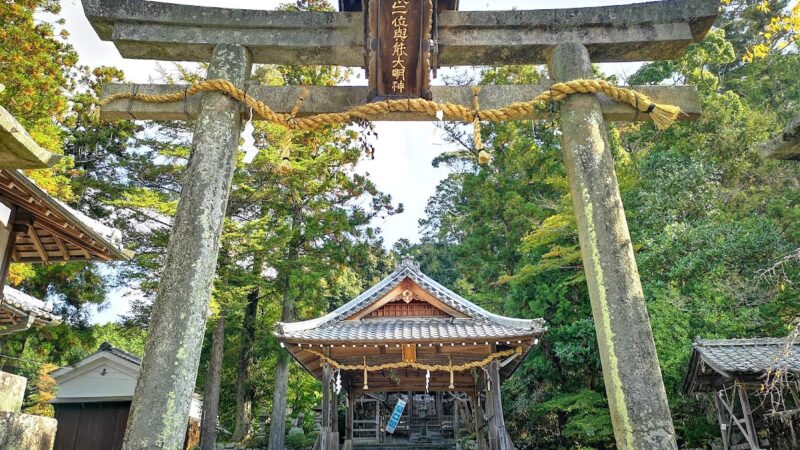
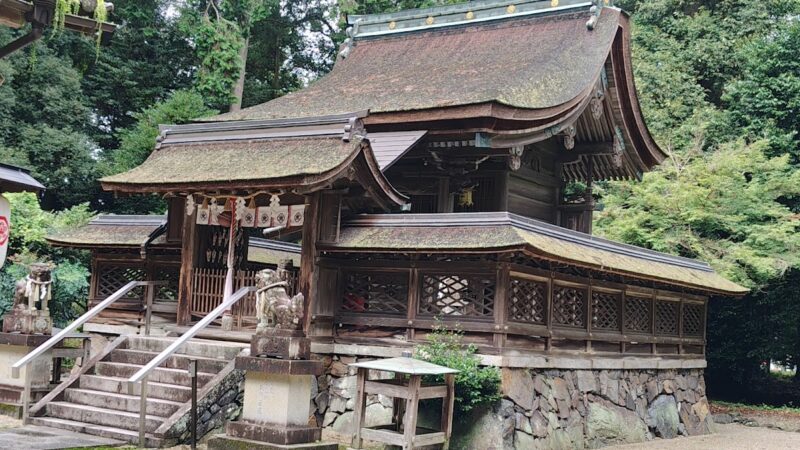
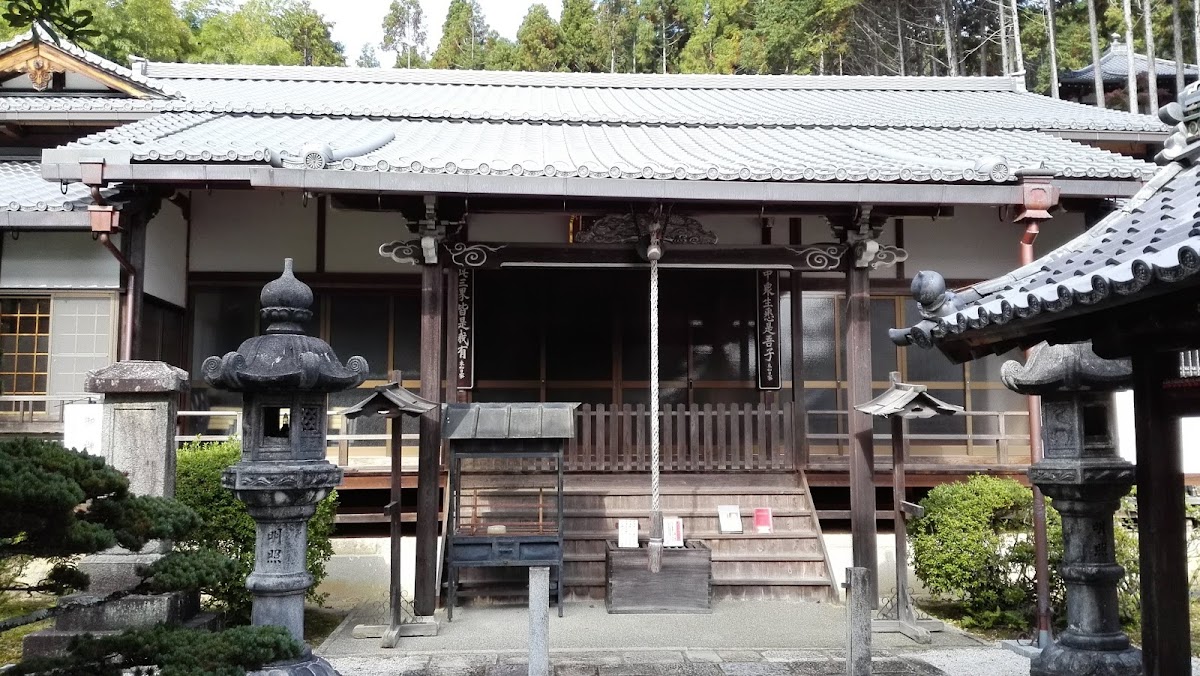
The main hall of Nanden Junkoji Temple is a modern reinforced concrete building constructed during the temple’s relocation in 1974. While its exterior differs from traditional temple architecture, the interior is adorned with magnificent Buddhist implements of the Jodo Shinshu Honganji sect.
The principal image is Amida Buddha, symbolizing the salvation of Amida Buddha, the central teaching of Jodo Shinshu Buddhism. Visitors can quietly clasp their hands together in the main hall and contemplate the compassion of Amida Buddha.
Statue of Rennyo Shonin
A statue of Rennyo Shonin is enshrined on the temple grounds, welcoming visitors. This statue commemorates Rennyo Shonin, who was revered by many as the restorer of Shinshu Buddhism.
Rennyo Shonin spread the teachings of Jodo Shinshu Buddhism to ordinary people by expounding on the teachings in easily understandable language called “Ofumi.” Many visitors clasp their hands together before the statue in recognition of his achievements.
Famous Cherry Blossom Spot
Nanden Junkoji Temple is also known as a temple with beautiful cherry blossoms. In spring, the temple grounds are filled with beautiful cherry blossoms, allowing visitors to enjoy cherry blossom viewing in a tranquil atmosphere.
While Kyoto boasts many famous cherry blossom viewing spots, Nanden Junkoji Temple is a hidden gem beloved by locals for its relatively peaceful setting. It also offers beautiful scenery during the autumn foliage season, making it a temple where one can experience the beauty of nature throughout the seasons.
Status as an Inke Temple
Nanden Junkoji Temple holds the status of an Inke temple within the Jodo Shinshu Honganji sect. An Inke is a title bestowed upon temples with particularly distinguished histories or those with special ties to Honganji.
Its high status is evident from the fact that it was granted the title of Imperial Prayer Temple by Emperor Go-Nara. As a temple with such a historical background, it continues to play an important role in the faith of Jodo Shinshu Buddhism.
Basic Information
Location and Access
Address
29-1 Narutaki Matsumoto-cho, Ukyo-ku, Kyoto City, Kyoto Prefecture 616-8245
Phone Number
075-462-8800
Access by Public Transportation
- Keifuku Electric Railway Kitano Line: Approximately 10 minutes on foot from “Utano” Station or “Narutaki” Station
- Kyoto City Bus: Take bus number 8 (bound for Takao), get off at “Sanboji” bus stop, and walk approximately 5 minutes.
Located very close to Sanboji Temple, it can be visited as part of a temple tour in the Narutaki area.
Visiting Information
While Nanden Junkoji Temple is generally open to visitors, it differs from typical tourist temples in that it primarily focuses on religious activities. When visiting, it is important to do so quietly and with respect.
Admission Fee: Free (except during special events)
Visiting Hours: Daytime (Please contact the temple in advance for details)
Sect and Mountain Name
- Sect: Jodo Shinshu Honganji-ha
- Mountain Name: Ryuge-san
- Principal Image: Amida Buddha
- Founder: Rennyo Shonin
- Other Names: Yashome-ji, Nanden Junko-ji
- Chief Priest: Dennan Shinken
Nearby Attractions
Sanbo-ji Temple
Sanbo-ji Temple, located very close to Nanden Junko-ji Temple, is a Rinzai Zen temple known for its beautiful autumn foliage. In autumn, the temple grounds are adorned with stunning autumn leaves, attracting many tourists. Visiting both Nanden Junko-ji and Sanbo-ji allows you to experience temples of different sects.
Temples in the Narutaki Area
The Narutaki area of Ukyo Ward, Kyoto City, is home to many temples besides Nanden Junkoji Temple. Visiting temples such as Hozoji, Seijuji, and Daisenji, each with its own unique characteristics, allows you to experience Kyoto’s profound Buddhist culture.
Access to Takao and Arashiyama
From Nanden Junkoji Temple, you can take Kyoto City Bus No. 8 to Takao, famous for its autumn foliage. It’s also relatively close to the Arashiyama area, making it easily accessible as part of a Kyoto sightseeing trip.
About Perpetual Memorial Services and Cemeteries
Nanden Junkoji Temple also offers cemetery services, including perpetual memorial graves and columbariums. For those who wish to receive memorial services based on the teachings of the Jodo Shinshu Honganji sect, receiving perpetual memorial services at a temple associated with Rennyo Shonin holds great significance.
For detailed information on cemeteries and perpetual memorial services, costs, and appointment scheduling, we recommend contacting the temple directly. Nearby, there are cemeteries and burial grounds such as Hozoji, Seijuji, and Daisenji, making it possible to compare and consider them.
Jodo Shinshu Honganji School and the Teachings of Rennyo Shonin
Basic Doctrines of Jodo Shinshu
The Jodo Shinshu Honganji School, to which Nanden Junkoji Temple belongs, is one of the largest Buddhist sects in Japan, founded by Shinran Shonin. It teaches that all people will be equally saved by believing in the original vow of Amida Buddha and chanting “Namu Amida Butsu.”
In Jodo Shinshu, emphasis is placed on believing in salvation through the compassion of Amida Buddha, rather than attaining enlightenment through ascetic practices or good deeds. This teaching has been widely accepted as a form of Buddhism open to all people, regardless of social status or level of education.
The Achievements of Rennyo Shonin
Rennyo Shonin (1415-1499) is revered as the “restorer of Shin Buddhism,” having spread Jodo Shinshu Buddhism throughout Japan during the Muromachi period. He explained the teachings of Shinran Shonin in easily understandable language, making Jodo Shinshu accessible even to ordinary people.
Rennyo Shonin’s greatest achievement is his writing of numerous sermons in the form of letters called “Ofumi.” These were written in simple language and spread orally even to those who could not read or write. He also established the Yamashina Honganji and Ishiyama Honganji (later Osaka Honganji), establishing the organizational foundation of Jodo Shinshu Buddhism.
Nanden Junkoji Temple, as a temple directly founded by Rennyo Shonin, occupies an important position in the history of Shin Buddhism.
A Recommendation for Visiting Nanden Junkoji Temple
A Peaceful Environment for Worship
Nanden Junkoji Temple is located in the Narutaki area, slightly away from the center of Kyoto. Therefore, it is less crowded with tourists, allowing for a peaceful environment for worship. It is an ideal temple for those who wish to escape the hustle and bustle and quietly contemplate the teachings of Buddhism.
Following in the Footsteps of Rennyo Shonin
For those who practice Jodo Shinshu Buddhism or wish to follow in the footsteps of Rennyo Shonin, Nanden Junkoji Temple is a must-see. The historical background—founded by Rennyo Shonin and later served as the first head priest by his youngest son—gives it a special significance not found in other temples.
Beauty in Every Season
At Nanden Junkoji Temple, you can enjoy the beauty of nature throughout the seasons, from cherry blossoms in spring to autumn leaves. Especially during cherry blossom season, you can spend a peaceful time admiring the beautiful flowers in the tranquil temple grounds.
Summary
Nanden Junkoji Temple (Kyoto Prefecture) is a historic temple founded in 1489 by Rennyo Shonin as an Inke temple of the Jodo Shinshu Honganji sect. Its mountain name is Ryugezan, and it is called “Nanden Junkoji” because it derives its name from the Nanden (South Hall) of Yamashina Honganji Temple.
Its alternative name, “Yashome-dera,” originates from a lullaby that Rennyo Shonin sang to his youngest son, Jitsujū Shonin, in his later years. This name reflects the temple’s characteristic of conveying not only religious strictness but also human warmth.
In 1558, it received the title of Imperial Prayer Temple from Emperor Go-Nara, gaining the status of an Inke temple. Later, during the Kan’ei era, it moved to Horikawa Marutamachi, and in 1974, it relocated to its current location in Narutaki Matsumoto-cho, Ukyo-ku, Kyoto City, where it remains today.
Within the temple grounds stands a statue of Rennyo Shonin, welcoming visitors. The temple is beautiful in spring with its cherry blossoms and in autumn with its vibrant fall foliage, allowing visitors to enjoy the changing seasons. It boasts excellent accessibility, being within walking distance of Utano Station and Narutaki Station on the Keifuku Electric Railway Kitano Line, or about a 5-minute walk from the “Sanboji” bus stop (Kyoto City Bus No. 8).
For those with a Jodo Shinshu faith, those wishing to trace the footsteps of Rennyo Shonin, and those seeking a peaceful environment to calm their minds, Nanden Junkoji Temple is a hidden gem in Kyoto well worth a visit. Experience this special space where the teachings and love of Rennyo Shonin, the restorer of the Shinshu sect, still thrive.