Myoyu Kuonji Temple (Kyoto Prefecture) Complete Guide | History, Goshuin (Temple Seal), and Access Information
Nestled in a tranquil area in front of Nison-in Temple in Saga, Ukyo-ku, Kyoto City, Myoyu Kuonji Temple, belonging to the Kenpon Hokke sect, possesses a unique history and charm. From its unusual origins as a merger of three temples to its history of reconstruction after surviving war, many stories are etched into this temple. This article provides comprehensive information about Myoyu Kuonji Temple, useful for both those considering a visit and those interested in the temple’s history.
About Myoyu Kuonji Temple
Myoyu Kuonji Temple is a temple of the Kenpon Hokke sect, with Myomanji Temple in Iwakura, Sakyo-ku, Kyoto City, as its head temple. Its official name is “Jōgyōzan Myoyu Kuonji,” and while located close to the tourist areas of Arashiyama and Saga, it maintains a peaceful atmosphere.
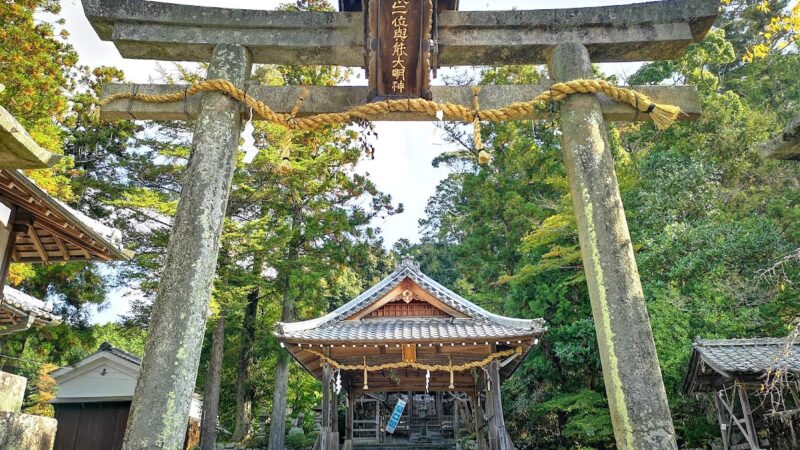
The current location, 16 Nagakami-cho, Saga Nison-in Monzen, Ukyo-ku, Kyoto City, is slightly removed from the bustling center of Arashiyama, offering a peaceful environment for worship. The temple is easily identifiable by its sign and is a beloved local temple, cherished by parishioners and visitors alike.
About the Kenpon Hokke Sect
Myoyu Kuonji Temple belongs to the Kenpon Hokke Sect, a branch of the Hokke sect that inherits the teachings of Nichiren Shonin. Its head temple, Myomanji, is a historic temple founded in 1389 by Nichiju Shonin and is currently located in Iwakura, Sakyo-ku, Kyoto City. Temples of the Kenpon Hokke Sect consider the Lotus Sutra as their fundamental scripture and emphasize the chanting of the title “Namu Myoho Renge Kyo.”
History and Origins of Myoyu Kuonji Temple
The Circumstances of the Merger of Three Temples
The most distinctive feature of Myoyu Kuonji Temple lies in its origins. In 1916 (Taisho 5), three temples—”Jogyoji,” “Myoyuji,” and “Kuonji”—merged, taking one character from each temple’s name to form “Myoyu Kuonji.” The mountain name, “Jogyōzan,” is inherited from Jogyoji Temple.
This merger of three temples is thought to have taken place against the backdrop of the social conditions of the time and the need for greater efficiency in temple management. It aimed to integrate the history and traditions of each temple into one, creating a new temple with a fresh start.
The Shimogyo Ward Era
At the time of the merger, Myoyu Kuonji Temple was located at Takatsuji-dori Karasuma Higashi-iri, Shimogyo Ward, Kyoto City. This location was close to the center of Kyoto, and the temple was active with many parishioners. It possessed a guest hall and temple grounds, and fully fulfilled its functions as a temple during this period.
Era of Damage and Hardship Due to War
During World War II, Myoyu Kuonji Temple faced a great ordeal. The war destroyed most of its guest hall and grounds, leaving only the main hall and a small cemetery. While many temples suffered similar damage during this period, it was a crisis threatening the very existence of Myoyu Kuonji Temple.
Relocation to Saga and Temple Reconstruction
In 1962 (Showa 37), the fourth head priest of the temple and the 302nd head priest of the head temple Myomanji, Kentokuin (Furuse) Nichiyu Shonin, made a major decision to rebuild the temple. This was the relocation and relocation of the temple to its current location in Nagakami-cho, Saga Nisonin-monzen, Ukyo-ku, Kyoto City.
The Saga area has long been known as a scenic area dotted with temples and aristocratic villas. Nichiyu Shonin decided to make a fresh start in this location, laying the foundation for Myoyu Kuonji Temple as it exists today. The temple, having rebuilt its buildings after they were destroyed by war, has been restored as a place where parishioners and visitors can visit with peace of mind.
Temple Grounds and Facilities
Main Hall
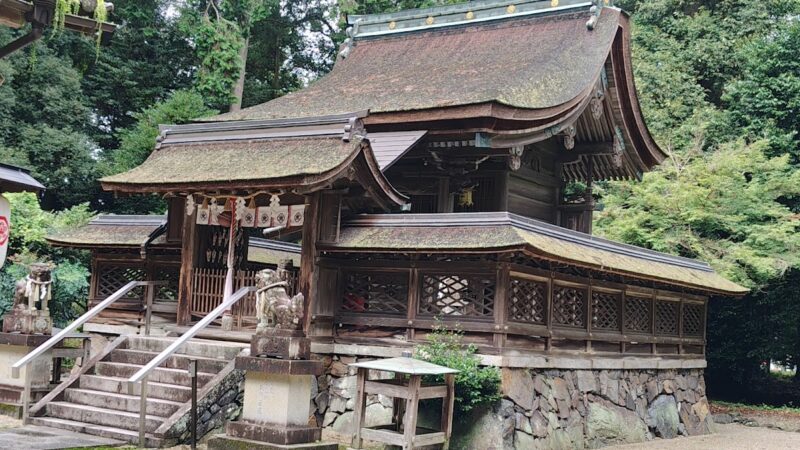
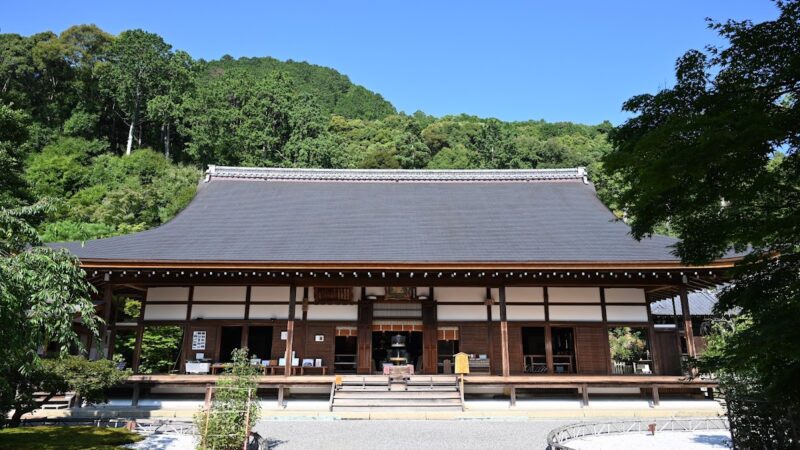
The main hall of Myoyu Kuonji Temple is a building with a history of surviving war. It serves as a training hall for the teachings of the Lotus Sutra, where daily services and religious ceremonies are held. The principal image is enshrined within the main hall, and visitors can quietly offer their prayers.
The appearance of the main hall changes with the seasons, and especially during the cherry blossom season in spring and the autumn foliage season, visitors can enjoy a beautiful landscape in harmony with the surrounding nature.
Cemetery and Columbarium
Myoyu Kuonji Temple has an attached cemetery where parishioners can perform ancestral memorial services. Furthermore, a columbarium (perpetual memorial tower) has been established to meet modern needs, providing a place of remembrance that can be used with peace of mind regardless of whether or not there are successors.
Regarding perpetual memorial services, specific details and costs can be confirmed in consultation with the head priest. We recommend contacting them in advance and visiting at a time that is convenient for you.
Visiting Information
Access
Location
16 Nagakami-cho, Saga Nisonin Monzen, Ukyo-ku, Kyoto City
Access by Train
- Approximately 15 minutes on foot from JR Sagano Line “Saga-Arashiyama Station”
- Approximately 20 minutes on foot from Randen (Keifuku Electric Railway) Arashiyama Main Line “Arashiyama Station”
- Approximately 10 minutes on foot from Torokko Arashiyama Station
Access by Bus
- Approximately 5 minutes on foot from Kyoto City Bus/Kyoto Bus “Saga Shakado-mae” bus stop
Access by Car
The Arashiyama area is prone to traffic congestion during peak tourist season, so we recommend using public transportation. We recommend checking with the temple in advance regarding parking.
Precautions When Visiting
Myoyu Kuonji Temple also functions as a temple for parishioners, so unlike typical tourist temples, consideration is required when visiting. The head priest may not always be present, so if you wish to receive a Goshuin (temple stamp) or would like a detailed explanation of the temple grounds, it is recommended that you call in advance (075-861-0249).
While visiting is generally free, please refrain from loud conversations and eating or drinking on the temple grounds to maintain a peaceful environment. Regarding photography, there are areas where photography is restricted, such as inside the main hall, so please check before taking pictures if you are unsure.
About Goshuin
Issuance of Goshuin and Goshudai
Myoyu Kuonji Temple offers Goshuin (Goshudai) to visitors. In Nichiren Buddhist temples, it is generally called “Goshudai” rather than “Goshuin,” and the title “Namu Myoho Renge Kyo” is written primarily on them.
When receiving a Goshudai, it is considered desirable to use a Goshuincho (stamp book) specifically for temples that practice the Nichiren Buddhist faith. This is because it is considered proper etiquette in Nichiren Buddhist temples to avoid mixing Goshuin from other sects. ### Guidelines for Receiving a Goshuin (Temple Seal)
Goshuin and Goshudai are not merely commemorative stamps, but proof of your visit and a way to forge a connection with Buddha. Please keep the following points in mind:
- First, complete your prayers at the main hall before receiving your goshuin.
- Remember to express your gratitude to the head priest and temple staff.
- Hand over your goshuin book carefully with both hands.
- Wait quietly while the goshuin is being written.
- After receiving it, bow and say “Thank you.”
Please note that goshuin may not be available if the head priest is absent. If you definitely wish to receive one, it is recommended to call ahead to confirm.
Annual Events and Memorial Services
As a temple of the Kenpon Hokke sect, Myoyu Kuonji Temple holds various events and memorial services throughout the year.
Main Annual Events
Spring Equinox Service
This is a memorial service for ancestors held around the spring equinox. Temple members gather to express gratitude and offer prayers for their ancestors. Obon Memorial Service
In August, the Obon service is held to welcome and honor the spirits of the deceased. Temple parishioners visit graves to reaffirm their connection with their ancestors.
Autumn Equinox Service
This memorial service, held around the autumnal equinox, is similar to the spring equinox service and includes ancestral veneration.
Oeshiki Ceremony
This important event is held around October 13th, the anniversary of Nichiren Shonin’s death. It is an opportunity to remember the virtues of Nichiren Shonin and renew one’s faith.
For specific event dates and participation methods, please contact the temple directly.
Regarding Memorial Services and Prayers
Myoyu Kuonji Temple accepts requests for memorial services and prayers not only from temple parishioners but also from the general public.
Memorial Services (Kuyo)
- Ancestor Memorial Service
- Memorial Service for Stillborn Children
- Memorial Service for Pets
- Other Memorial Services
Various Prayers
- Family Safety
- Good Health
- Business Prosperity
- Academic Success
- Traffic Safety
- Other Prayers
If you wish to have a memorial service or prayer, please consult with the head priest in advance to determine the date, time, and content. You can also confirm the amount of the offering at that time. This temple values a friendly atmosphere where you can easily consult with us, so please feel free to ask if you have any questions.
The Four Seasons of Myoyu Kuonji Temple
Spring at Myoyu Kuonji Temple
In spring, cherry blossoms bloom in the temple grounds and surrounding area, allowing you to experience the unique charm of Saga. Compared to the famous Arashiyama area, it is less crowded, making it a hidden gem where you can quietly enjoy cherry blossom viewing.
Summer at Myoyu Kuonji Temple
The lush green temple grounds are enveloped in deep green in summer. Visiting the temple amidst the sound of cicadas will provide a healing time that allows you to forget the hustle and bustle of the city.
Autumn at Myoyu Kuonji Temple
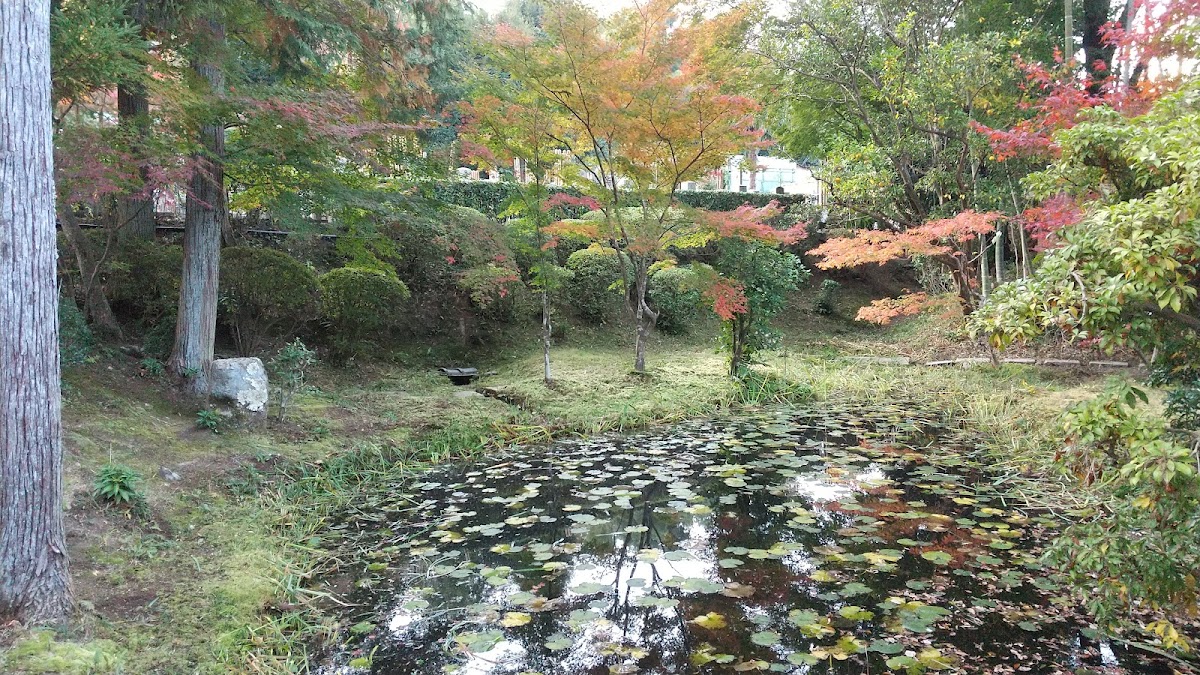
In autumn, the temple grounds are adorned with colorful autumn leaves. While the Saga area is known as a famous spot for autumn foliage, Myoyu Kuonji Temple is relatively unknown, allowing you to enjoy the autumn colors while avoiding crowds.
Winter at Myoyu Kuonji Temple
The temple grounds, covered in snow, exude a sacred atmosphere enveloped in silence. Visiting the temple in the crisp winter air is a special experience that cleanses the soul.
Nearby Attractions
The Saga area, where Myoyu Kuonji Temple is located, has many tourist attractions. Visiting them before or after your visit will allow you to enjoy a more fulfilling Kyoto sightseeing experience.
Nison-in Temple
Located very close to Myoyu Kuonji Temple, this Tendai sect temple is famous for its approach known as “Momiji no Baba” (Maple Horse Riding Ground). Named Nison-in because it enshrines two principal deities: Shakyamuni Buddha and Amida Buddha.
Jojakkoji Temple
Located on the slopes of Mt. Ogura, this Nichiren Buddhist temple is known for its beautiful autumn foliage. From the temple grounds, you can enjoy a panoramic view of Sagano, and the autumn scenery is particularly breathtaking.
Giōji Temple
This temple is associated with Giō, a shirabyōshi (female dancer) who appears in the Tale of the Heike, and is known for its beautiful moss garden. It is a place where you can find peace of mind in a tranquil environment.
Sagano Bamboo Grove Path
The bamboo grove path leading from Nonomiya Shrine to Ōkōchi Sansō Villa is one of Kyoto’s most representative landscapes. The experience of walking along the path surrounded by lush bamboo continues to captivate visitors.
Visitor Feedback
Visitors who have actually visited Myoyu Kuonji Temple have commented, “I liked the quiet and peaceful atmosphere,” “The head priest was very kind and helpful,” and “Because it’s a little away from the tourist area, I was able to visit at my own pace.”
Adult visitors have also commented, “It’s a temple steeped in history, and I was moved by the story of its reconstruction after overcoming the ravages of war.” Many visitors enjoy taking photographs, and a significant number capture the temple’s beauty throughout the seasons.
Frequently Asked Questions
Q1: Is there an entrance fee?
A: Myoyu Kuonji Temple is a temple for temple parishioners, and there is no entrance fee like typical tourist temples. Visiting is generally free, but please make a donation if you wish to receive a Goshuin (temple stamp).
Q2: Is there parking?
A: We recommend calling the temple in advance to check the availability and status of parking. Parking is limited in the Arashiyama area, so using public transportation is recommended.
Q2: Is there parking?**
A: We recommend calling the temple in advance to confirm the availability and status of parking. Q3: Is it guaranteed that I will receive a Goshuin (temple stamp)?
A: If the head priest is absent, it may not be possible to receive a Goshuin. If you definitely wish to receive one, please call in advance (075-861-0249) to confirm before visiting.
Q4: Can I request a memorial service even if I am not a parishioner?
A: Yes, even if you are not a parishioner, you can request memorial services and various prayers. Please first consult with the head priest to confirm the details, schedule, and offering.
Q5: Is photography allowed?
A: Photography is generally permitted on the temple grounds, but there are some areas where photography is restricted, such as inside the main hall. If you are unsure, please check before taking pictures. Also, please be considerate of other visitors.
Summary
Myoyu Kuonji Temple is a Kenpon Hokke sect temple with a unique history of being formed through the merger of three temples and a history of reconstruction after overcoming the ravages of war. Located in the tranquil setting of Saga, Ukyo-ku, Kyoto City, this temple continues to pass down the teachings of the Lotus Sutra, cherished by its parishioners and visitors.
Despite its proximity to the Arashiyama and Saga area’s tourist attractions, it maintains a peaceful environment, making it an ideal place for those seeking quiet contemplation. Visitors can receive a Goshuin (temple stamp) and enjoy the beautiful scenery that changes with the seasons.
For a more fulfilling experience, it is recommended to call ahead to confirm availability before visiting. Why not spend some time quietly praying at this historic temple?
Contact Information
Myoyu Kuonji Temple
16 Nagakami-cho, Saga Nisoninmonzen, Ukyo-ku, Kyoto City, 616-8425
TEL: 075-861-0249
For inquiries regarding visits, events, memorial services, prayers, etc., please feel free to contact us at the above phone number. The head priest will respond courteously.