Kaikokuji Temple (Atsuta Ward, Nagoya City, Aichi Prefecture) Complete Guide | History, Goshuin (Temple Seal), and Access Information
Kaikokuji Temple, located in Atsuta Ward, Nagoya City, Aichi Prefecture, is a historic temple with a history dating back to the Muromachi period. Nestled in a quiet residential area close to Atsuta Shrine, this temple belongs to the Myoshinji branch of the Rinzai school of Zen Buddhism and has been cherished by the local community. This article provides detailed information necessary for visiting Kaikokuji Temple, including its history, goshuin (temple seal) information, access methods, and highlights within the temple grounds.
Basic Information about Kaikokuji Temple
Location and Contact Information
Official Name: Kaikokuji Temple
Location: 2-7-20 Jingū, Atsuta-ku, Nagoya City, Aichi Prefecture 456-0031
Sect: Rinzai Zen Myoshinji School
Principal Image: Shakyamuni Buddha
Chief Priest: Kamei Gensho
Kaikokuji Temple is located within walking distance of Atsuta Shrine and is known as a historical temple in Nagoya City. The Rinzai Zen Myoshinji School is the largest Zen Buddhist sect in Japan, and Kaikokuji Temple inherits its traditions.
About the Sect
The Rinzai Zen Myoshinji School is the sect with the most temples within the Rinzai Zen sect, with Myoshinji Temple in Kyoto as its head temple. It values the teachings of Zen and the practice of enlightenment through seated meditation. At Kaikokuji Temple, this Zen spirit is continuously passed down, and the tranquil grounds offer peace of mind to visitors.
History and Origins of Kaikokuji Temple
Founding History
Kaikokuji Temple was founded in Tenbun 8 (1539) by Shukuei. The Tenbun era was in the midst of the Sengoku period, shortly before the birth of Oda Nobunaga. During this time, the Owari region, including Nagoya, was under the control of the Oda clan, and many temples and shrines were built.
While detailed records of the founder, Shukuei, are not available, it is believed that he was a high-ranking priest of the Rinzai sect who attracted the faith of the region. The temple name, Kaikokuji, may originate from a place name or belief related to the sea, and may be related to the fact that Atsuta has long been an important point for maritime traffic.
Developments Since the Edo Period
Throughout the Edo period, Kaikokuji Temple has attracted the faith of its parishioners as a local temple in Atsuta. In Atsuta, which flourished as a temple town for Atsuta Shrine, Kaikokuji Temple is believed to have played an important role as a Buddhist temple.
Despite overcoming numerous difficulties, such as the anti-Buddhist movement of the Meiji era and the Nagoya air raids of World War II, Kaikokuji Temple has continued to uphold its Buddhist traditions to this day. Even now, it is cherished as a place of faith and spiritual solace for the local people.
About the Principal Image: Shakyamuni Buddha
The principal image of Kaikokuji Temple is Shakyamuni Buddha. Shakyamuni Buddha is the founder of Buddhism, Shakyamuni, and is considered the most common principal image in Zen Buddhist temples.
Shakyamuni Buddha represents Gautama Siddhartha, who was born in India around the 5th century BC, and attained enlightenment and became the Buddha (the awakened one). In Zen Buddhism, emphasis is placed on returning directly to the teachings of Shakyamuni Buddha, and therefore, Shakyamuni Buddha is often enshrined as the principal deity.
While details about the Shakyamuni Buddha statue at Kaikokuji Temple are limited to public information, visitors can pay their respects to this principal deity in the main hall.
Information on Kaikokuji Temple’s Goshuin (Temple Seal)
Regarding the Issuance of Goshuin
Kaikokuji Temple currently does not issue Goshuin. While Goshuin are popular at many temples, Kaikokuji Temple does not offer them, so those planning a visit for the purpose of collecting Goshuin should be aware of this.
However, temple policies may change, so it is recommended to contact the temple directly for the latest information or to check before visiting.
Advice for Those Seeking Goshuin
If you are collecting Goshuin and visiting the Atsuta area, you can obtain them at nearby shrines and temples, including Atsuta Jingu Shrine. Atsuta Shrine is one of Japan’s leading grand shrines, and special goshuin (temple stamps) are available.
A visit to Kaikokuji Temple should be for the purpose of finding peace of mind in its tranquil grounds and experiencing the spirit of Zen, rather than for obtaining a goshuin.
Access Information
Nearest Stations and Lines
Public transportation is the most convenient way to access Kaikokuji Temple.
Nearest Stations:
- Meitetsu Nagoya Main Line “Jingumae Station” Approximately 10-minute walk
- Nagoya Municipal Subway Meijo Line “Tenmacho Station” Approximately 12-minute walk
- Nagoya Municipal Subway Meijo Line “Jingunishi Station” Approximately 15-minute walk
The easiest route is from Meitetsu Jingumae Station. Jingumae Station is a major station on the Meitetsu Nagoya Main Line and is approximately 10 minutes from Nagoya Station.
Detailed Access by Train
From Nagoya Station:
- Take the Meitetsu Nagoya Main Line and get off at “Jingumae Station” (approximately 10 minutes).
- It’s about a 10-minute walk from the station to Kaikokuji Temple.
From Sakae/Nagoya City Center:
- Take the Subway Meijo Line and get off at “Tenmacho Station” or “Jingunishi Station”.
- It’s about a 12-15 minute walk from the station.
Nearest Bus Stops and Routes
If using Nagoya City Buses, the following bus stops are the closest:
- “Atsuta Tenmacho” Bus Stop Approximately 8-minute walk
- “Atsuta Jingunishi” Bus Stop Approximately 10-minute walk
There are several city bus routes, and buses run from Nagoya Station and Sakae towards Atsuta. However, the train is more frequent and convenient.
Access by Car
By Car:
- Approximately 5 minutes from the Horita Exit of the Nagoya Expressway
- Approximately 3 minutes from the Jingū-Minami intersection on National Route 1
Parking:
Kaikokuji Temple may not have its own dedicated visitor parking lot. If you are visiting by car, we recommend using a nearby coin-operated parking lot or parking at the Atsuta Jingu Shrine parking lot and walking to the temple.
Checking Routes with Google Maps
To check the exact route, search for “Kaikokuji Temple, Atsuta Ward, Nagoya City” on Google Maps and find the route from your current location. Using a smartphone map app is convenient as you can receive real-time navigation while visiting.
Highlights of the Temple Grounds and Cultural Properties
Atmosphere of the Temple Grounds
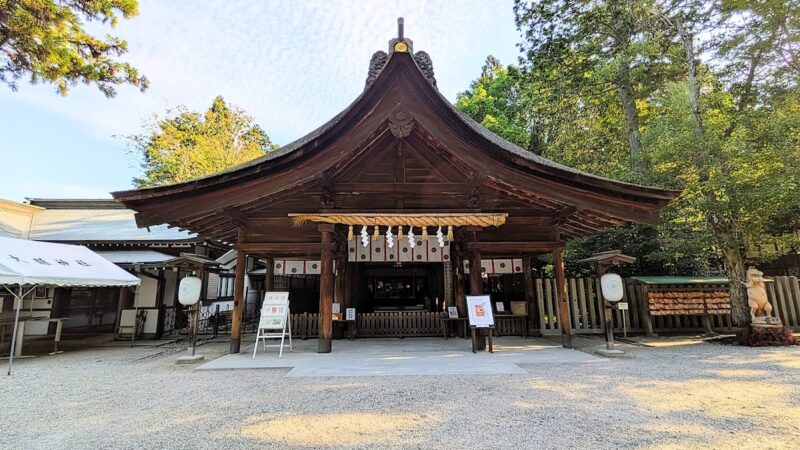
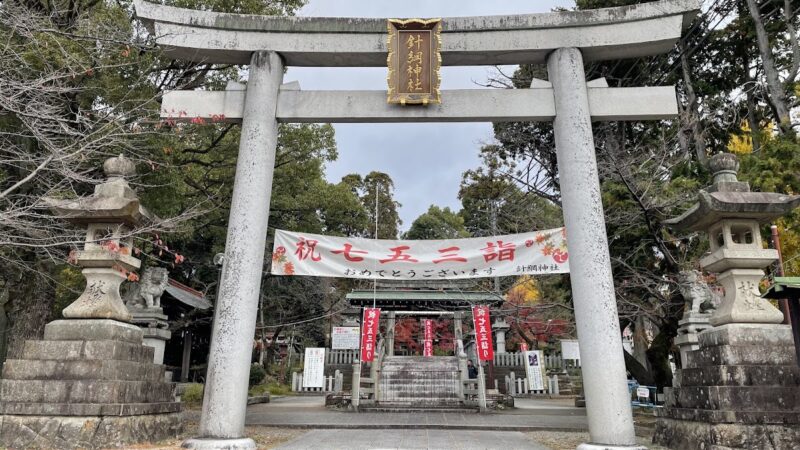
Kaikokuji Temple is a small temple located in a residential area, but the temple grounds are enveloped in a quiet and peaceful atmosphere. Despite being in an urban area, stepping onto the temple grounds allows you to feel the tranquility away from the hustle and bustle of everyday life.
As befits a Rinzai Zen temple, the grounds are simple yet orderly, reflecting the Zen spirit of “beauty achieved through the elimination of waste.”
Main Hall
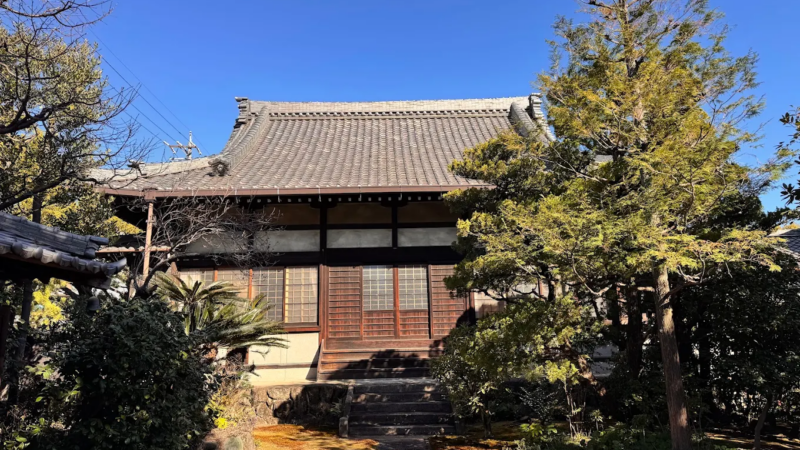
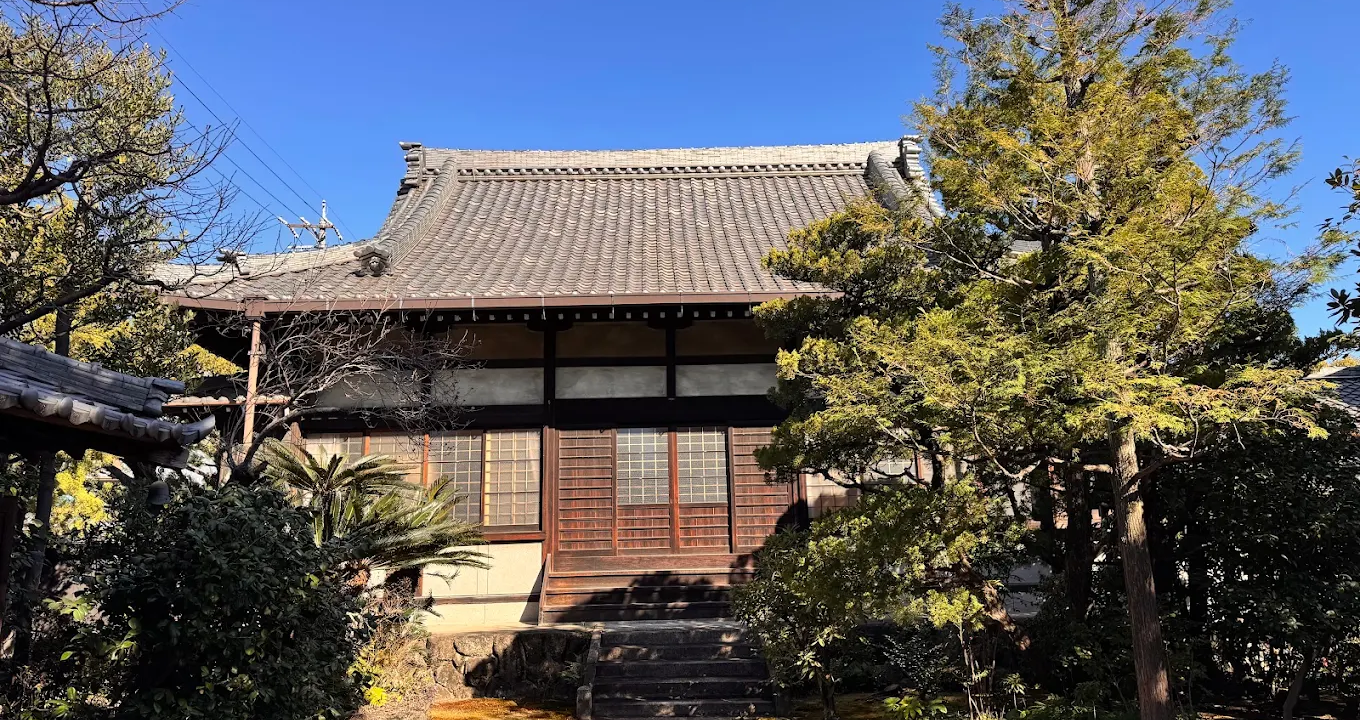
The main hall houses the principal image, Shakyamuni Buddha. While the exact construction date of the building is unknown, it is believed to be a post-war reconstruction. Visitors can offer quiet prayers in front of the main hall.
Photography
It is important to observe proper etiquette when taking photographs at temples. Photography inside the main hall and of Buddha statues is usually prohibited, so it is necessary to check beforehand. Even when photographing the exterior and atmosphere of the temple grounds, please be considerate of other visitors.
Those planning to post on social media should respect the temple’s tranquil atmosphere and avoid making noise.
Manners and Guidelines for Visiting Temples
Basic Manners for Visiting Temples
When visiting Kaikokuji Temple, please observe the following basic manners for visiting temples.
- Attire: Please wear clean, understated clothing.
- Greetings: Bow when passing through the temple gate.
- Quietness: Please remain quiet within the temple grounds and refrain from loud conversations.
- Photography: Do not photograph the main hall or Buddha statues without permission.
- Offering: Place your offering in front of the main hall and quietly clasp your hands together in prayer.
Etiquette for Visiting Zen Temples
In Zen temples, including those of the Rinzai school, the following etiquette is generally observed:
- Bow at the temple gate before entering the grounds.
- If there is a water basin, cleanse your hands and mouth.
- Quietly clasp your hands together in prayer in front of the main hall and calm your mind.
- Bow deeply once (or twice) before leaving.
In Zen Buddhism, the state of mind is more important than form. It is important to visit with sincerity rather than being overly concerned with formalities.
Attractions Around Kaikokuji Temple
Atsuta Shrine
Atsuta Shrine, located within walking distance of Kaikokuji Temple, is a historic shrine dedicated to the Kusanagi-no-Tsurugi, one of the Three Sacred Treasures of Japan. It is considered to have a status second only to Ise Grand Shrine, and approximately 7 million people visit it annually.
When visiting Kaikokuji Temple, be sure to also visit Atsuta Shrine. The vast grounds include the main shrine and numerous subsidiary shrines, creating a sacred atmosphere.
Shiratori Garden
Shiratori Garden, located in Atsuta Ward, is a pond-centered strolling garden modeled after the topography of the Chubu region. Beautiful scenery can be enjoyed throughout the seasons, and it is especially popular with tourists during the autumn foliage season. It is about a 10-minute drive from Kaikokuji Temple.
Historical Walks in Atsuta
Atsuta Ward is a historic area that has flourished as a transportation hub since ancient times. This area was once the site of Miya-juku, one of the 53 stations of the Tokaido highway, and is dotted with historical sites that retain the atmosphere of the Edo period. Starting from Kaikokuji Temple, it’s recommended to enjoy a historical walk.
Three Recommended Temples in Aichi Prefecture
Here are some other temples in Aichi Prefecture that are recommended for those visiting Kaikokuji Temple.
1. Osu Kannon (Naka-ku, Nagoya City)
Its official name is Kitano-san Shinfukuji Hoshōin. Located in the heart of Osu, Nagoya’s bustling downtown area, it is crowded with many worshippers throughout the year. The temple’s festival days on the 18th and 28th of each month are especially lively.
2. Kakuozan Nittaiji (Chikusa-ku, Nagoya City)
The only non-denominational temple in Japan, belonging to no particular sect. It houses Buddhist relics gifted by the King of Thailand, and is a symbol of friendship between Japan and Thailand.
3. Toyokawa Inari (Toyokawa City)
Its official name is Myōgonji Temple. Kaikokuji Temple is counted among Japan’s three major Inari shrines and is nationally known as a deity of business prosperity. Within its grounds is the Reiko-zuka (Spirit Fox Mound), where over 1000 stone statues of foxes are lined up.
About Memorial Services and Buddhist Rites at Kaikokuji Temple
Perpetual Memorial Services and Interment
Kaikokuji Temple may offer perpetual memorial services and interment. Perpetual memorial services are a system where the temple takes responsibility for providing perpetual memorial services in cases where there are no successors to the grave or where the family does not want to burden their successors.
For detailed costs and conditions, you will need to contact the temple directly. Generally, the cost of perpetual memorial services ranges from 100,000 to 500,000 yen, but this varies depending on the temple.
Funerals and Memorial Services
Kaikokuji Temple also conducts funerals and memorial services for its parishioners. Solemn ceremonies are performed according to the customs of the Myoshinji branch of the Rinzai school of Zen Buddhism.
If you wish to request a funeral or memorial service, you must contact the temple in advance to discuss the date and details.
How to Obtain the Latest Information on Kaikokuji Temple
Official Information Sources
Kaikokuji Temple does not have an official website. Therefore, you can obtain the latest information using the following methods:
- Contact them directly by phone
- Visit the temple to confirm
- Check temple information websites (e.g., Hotokami, Omairi)
- Check social media posts (e.g., Twitter, blogs)
Things to Check Before Visiting
Things to check before visiting Kaikokuji Temple:
- Visiting hours (generally during daylight hours)
- Are there any dates or times when visits are not possible due to religious services, etc.?
- Is there parking available?
- Latest information on the issuance of Goshuin (temple stamps)
- Information on special events such as special openings
As it is a small temple, the head priest may be absent. If you want to be sure to visit, it is best to contact them in advance.
Summary: The Charm of Kaikokuji Temple
Kaikokuji Temple, located in Atsuta Ward, Nagoya City, Aichi Prefecture, is a historic Rinzai Zen temple of the Myoshinji school, founded in 1539. The principal image is Shakyamuni Buddha, and the current head priest is Reverend Kamei Gensho.
Despite its location within walking distance of Atsuta Shrine, the temple grounds offer a quiet and peaceful atmosphere, a precious space to forget the hustle and bustle of the city. While they do not offer Goshuin (temple stamps), it is an ideal temple for those seeking to experience the spirit of Zen and find inner peace.
Access is convenient, about a 10-minute walk from Meitetsu Jingumae Station, making it a recommended visit in conjunction with a visit to Atsuta Shrine. For those seeking history and tranquility, please visit Kaikokuji Temple.
Frequently Asked Questions (FAQ)
Q1: What are the visiting hours for Kaikokuji Temple?
A1: While the exact visiting hours for Kaikokuji Temple are not publicly announced, like most temples, daytime hours (generally 9:00 AM to 5:00 PM) are recommended for visiting. If you wish to be sure of visiting, it is advisable to contact the temple in advance to confirm.
Q2: Can I get a Goshuin (temple stamp) at Kaikokuji Temple?
A2: Currently, Kaikokuji Temple does not issue Goshuin. Those collecting Goshuin are advised to visit other temples and shrines nearby, such as Atsuta Jingu Shrine. However, temple policies may change, so please check directly for the latest information.
Q3: How do I access Kaikokuji Temple?
A3: The nearest station is Jingumae Station on the Meitetsu Nagoya Main Line, about a 10-minute walk. It’s also about a 12-minute walk from Tenmacho Station on the Nagoya Municipal Subway Meijo Line. By car, it’s about a 5-minute drive from the Horita Exit of the Nagoya Expressway, but there may not be a dedicated parking lot, so using public transportation is recommended.
Q4: What is the principal image of worship at Kaikokuji Temple?
A4: The principal image of worship at Kaikokuji Temple is Shakyamuni Buddha. Shakyamuni Buddha is the founder of Buddhism, and is considered the most common principal image of worship in Zen Buddhist temples, including the Rinzai school.
Q5: Can I have perpetual memorial services or interment at Kaikokuji Temple?
A5: Kaikokuji Temple may accept perpetual memorial services and interment, but you will need to contact the temple directly for detailed conditions and costs. Those considering perpetual memorial services are advised to consult in advance.
Q6: When was Kaikokuji Temple founded?
A6: Kaikokuji Temple was founded in 1539 (Tenbun 8) by Shukuei. It is a historical temple founded in the late Muromachi period, in the midst of the Sengoku period (Warring States period).
Q7: Are there any tourist attractions around Kaikokuji Temple?
A7: Within walking distance of Kaikokuji Temple is Atsuta Shrine, which enshrines one of the Three Sacred Treasures of Japan. Also, about a 10-minute drive away is Shiratori Garden, a beautiful Japanese garden. Atsuta Ward is a historical area, so even just strolling around the surroundings is enjoyable.
Q8: Is there parking at Kaikokuji Temple?
A8: Kaikokuji Temple may not have its own dedicated parking lot for visitors. If you are visiting by car, we recommend using a nearby coin-operated parking lot or parking at Atsuta Shrine and walking. Access by public transportation is convenient.