Gesshoji Temple (Nagoya City, Aichi Prefecture) Complete Guide | History and Charm of Meiyasan, a Soto Zen Temple
Gesshoji Temple, located in Atsuta Ward, Nagoya City, Aichi Prefecture, is a historic temple belonging to the Soto Zen sect. Its mountain name is Meiyasan, and despite being in an urban area within walking distance of Otobashi Station on the JR Tokaido Main Line, it is a valuable religious site that maintains a tranquil atmosphere and is cherished by the local community.
This article comprehensively introduces information useful for those actually visiting Gesshoji Temple, including detailed facility information, historical background, highlights within the temple grounds, access methods, and nearby tourist spots.
Basic Information about Gesshoji Temple
Facility Overview
Gesshoji Temple is a Soto Zen temple located in Atsuta Ward, Nagoya City, and its official name is “Meiyasan Gesshoji.” Despite its urban location, upon entering the gate and proceeding along the approach, visitors are greeted by a charming space featuring a Japanese garden, lanterns, and over a dozen Buddha statues.
Basic Data:
- Sect: Soto Zen
- Mountain Name: Akeno-san
- Location: Atsuta-ku, Nagoya City, Aichi Prefecture
- Nearest Station: Otobashi Station, JR Tokaido Main Line
- Distance from Station: Approximately 9 minutes on foot
- Parking: Varies depending on the facility (checking before visiting is recommended)
About Soto Zen
The Soto Zen sect, to which Getsushoji Temple belongs, is the sect that introduced the Soto Zen school, one of the five schools of Zen Buddhism in China, to Japan. It was founded by Zen Master Dogen during the Kamakura period and spread throughout Japan by Zen Master Keizan. Characterized by its emphasis on seated meditation (“Shikantaza”), it is one of the largest Zen Buddhist sects in Japan, with over 14,000 temples nationwide.
Soto Zen temples often engage in activities rooted in the local community, and Getsushoji Temple also plays an important religious and cultural role in the Atsuta-ku area.
History and Founding of Getsushoji Temple
Origins of the Temple
While there is limited publicly available information regarding the detailed founding date of Getsushoji Temple, it is known to have a long history as a Soto Zen temple. Atsuta Ward in Nagoya City has long flourished around Atsuta Shrine and was a center of religious culture with many temples and shrines scattered throughout the area.
Getsushoji Temple has also functioned within this historical context, serving as a place of faith and spiritual support for the local residents. The temple’s mountain name, Akenoyama, may reflect the natural environment and topographical features of the area in the past.
Connection with the Community
Atsuta Ward is located in the southern part of Nagoya City and is home to many historical sites, including Atsuta Shrine. Getsushoji Temple has played a unique role as a Buddhist temple within this area. For the local people, Getsushoji Temple has historically been a place of daily worship and a venue for Buddhist services and annual events.
Highlights and Facilities of the Temple Grounds
Temple Gate and Approach
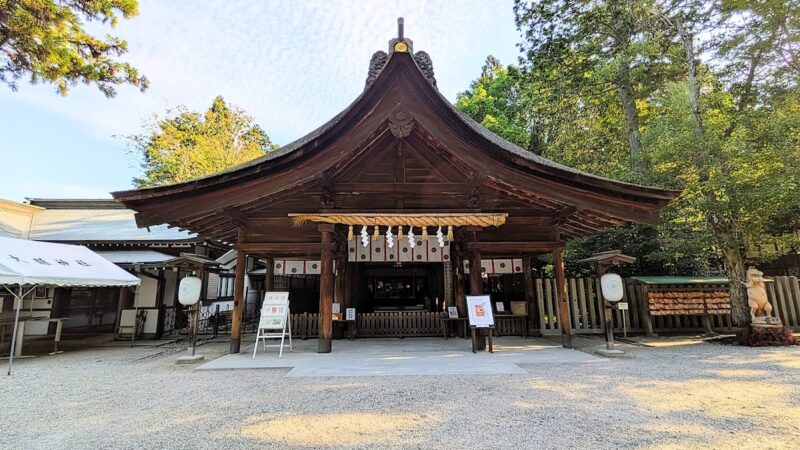
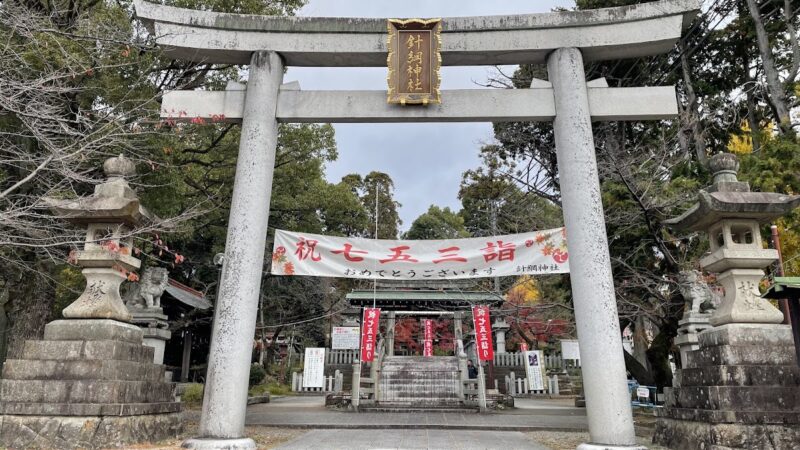
The first thing you’ll see when visiting Getsushoji Temple is the temple gate. Passing through the gate, a well-maintained approach leads to the main hall. This approach is not merely a passageway, but an important space designed to shift your mindset from the secular world to a sacred realm.
Lanterns are placed along the approach, and in the evening, their soft light illuminates the path of worshippers. Many of these lanterns were donated, reflecting the faith of the local people.
Japanese Garden and Buddhist Statues
One of the major attractions of Getsushoji Temple is the Japanese garden located within its grounds. Within the limited urban space, the stone arrangements and plantings are skillfully placed, displaying different expressions throughout the seasons. This garden embodies the simple yet profound spirituality characteristic of Zen Buddhist temples.
More than ten Buddhist statues are enshrined within the grounds, each welcoming visitors with a different expression and posture. These Buddhist statues include:
- Jizo Bodhisattva: Revered as the guardian deity of children and travelers.
- Kannon Bodhisattva: A symbol of compassion and a source of solace for many.
- Fudo Myoo: A powerful figure that severs worldly desires.
Various Buddhist deities are enshrined here, and prayers can be offered to each.
Main Hall and Pine Trees
The main hall of Getsushoji Temple is a building that follows the traditional style of Soto Zen temples while being maintained with modern practices. Daily services are held inside the main hall, and many parishioners and worshippers gather there for memorial services and other religious ceremonies.
The pine trees surrounding the main hall further enhance the temple’s dignified appearance. These pines have been carefully cared for over many years, and their magnificent form has become a symbol of Getsushoji Temple. In Buddhism, pines are considered symbols of permanence and longevity, and are especially important trees in Zen temples.
Access and Transportation Information
Access by Train
The most convenient way to access Getsushoji Temple is by using the JR Tokaido Main Line.
Detailed Route:
- Get off at Otobashi Station on the JR Tokaido Main Line.
- Approximately 9 minutes on foot from the station.
- Exit the station and head south.
- Follow the local signs.
Otobashi Station is conveniently located about 5 minutes from Nagoya Station and about 2 minutes from Kanayama Station on the Tokaido Main Line, making it easily accessible from both within and outside Nagoya.
Access by Car
If you are visiting by car, using the Nagoya Expressway is convenient.
Main Route:
- Approximately 5 minutes from Rokuban-Minami Exit of the Nagoya Expressway
- Approximately 7 minutes from Yobitsugi Exit of the Nagoya Expressway
Regarding parking, it is recommended to check directly with the temple. There are several coin-operated parking lots in the surrounding area, but they may be crowded during memorial services or special events.
Nearby Transportation Facilities
The area around Getsushoji Temple is located in the urban area of Nagoya City, so there are many bus routes. Various Nagoya City bus routes pass through the vicinity, making it a convenient area with multiple transportation options.
Manners and Etiquette for Visiting a Temple
How to Visit a Soto Zen Temple
When visiting Getsushoji Temple, it is important to observe basic Buddhist temple etiquette.
Basic Procedure for Visiting a Temple:
- A Bow at the Temple Gate: Before entering the temple grounds, bow at the temple gate to compose yourself.
- The Ritual of Washing Hands: If there is a water basin, wash your hands and mouth.
- Worship at the Main Hall:
- Approach the main hall quietly.
- Place your offering quietly.
- Join your hands and bow.
- Express your wishes and gratitude silently.
- Bow again.
- Strolling the Temple Grounds: Quietly walk around the temple grounds and offer your prayers to each Buddha statue.
- A Bow Upon Exit: Turn around and bow when leaving the temple gate.
Etiquette Unique to Zen Temples
In Zen temples, including the Soto Zen sect, “silence” is especially important. Within the temple grounds:
- Do not speak loudly.
- Put your mobile phone on silent mode.
- Take photographs only in designated areas.
- Do not touch Buddha statues or buildings.
- Smoking and eating are only permitted in designated areas.
These considerations are expected. ## Annual Events and Memorial Services
Main Annual Events
At Getsushoji Temple, annual events are held in accordance with the traditions of the Soto Zen sect. The main events held at typical Soto Zen temples include the following:
Spring Events:
- Spring Equinox Memorial Service (March): An important event for honoring ancestors
- Flower Festival (April 8th): Celebrating the birth of Buddha
Summer Events:
- Obon Festival (July or August): Welcoming the spirits of ancestors
Autumn Events:
- Autumn Equinox Memorial Service (September): Ancestor memorial service
Winter Events:
- Enlightenment Ceremony (December 8th): Commemorating the enlightenment of Buddha
- New Year’s Eve Bell Ringing (December 31st): Welcoming the New Year
For specific event dates and whether general participation is permitted, it is recommended to contact the temple directly.
History and Cultural Background of Atsuta Ward
Characteristics of Atsuta Ward
Atsuta Ward in Nagoya City, where Getsushoji Temple is located, is a historically important area, home to Atsuta Shrine, which enshrines the Kusanagi-no-Tsurugi, one of the Three Sacred Treasures of Japan. It flourished as a transportation hub from ancient times, and was a bustling place with many people coming and going, including the Miya-juku post town on the Tokaido road.
Historical Characteristics of Atsuta Ward:
- Atsuta Shrine: A venerable shrine with a history of approximately 1900 years
- Miya-juku: Prospered as a post town on the Tokaido Fifty-three Stations
- Port Town: Developed through maritime transport due to its proximity to Nagoya Port
- Industrial Zone: Grew into an industrial city in the modern era
Concentration of Temples and Shrines
Besides Getsushoji Temple, many other temples and shrines are scattered throughout Atsuta Ward. This indicates that this area has been a religious and cultural center since ancient times. In Japan, a country with a history of syncretism between Shinto and Buddhism, the religious landscape of Atsuta Ward, where shrines and temples coexist, is an important area for understanding Japanese spiritual culture.
Nearby Tourist Attractions and Facilities
Atsuta Shrine
The closest major tourist attraction to Getsushoji Temple is, of course, Atsuta Shrine. Accessible on foot or by a short train ride, it is one of Japan’s leading shrines, enshrining the Kusanagi-no-Tsurugi (Grass-Cutting Sword), one of the Three Sacred Treasures of Japan, and attracts approximately 7 million visitors annually.
Highlights:
- Main Shrine: A sacred place enshrining the Kusanagi-no-Tsurugi
- Treasure Hall: Exhibiting national treasures and important cultural properties
- Giant Trees on the Grounds: Giant camphor trees over 1,000 years old
Shiratori Garden
Shiratori Garden, located within Atsuta Ward, is one of the largest Japanese gardens in the Chubu region. It is a pond-centered strolling garden representing the flow from Mount Ontake to Ise Bay, where visitors can enjoy the beautiful scenery of each season.
Nagoya Port Aquarium
A short trip away is the Nagoya Port Aquarium. This popular facility, known for its orca and dolphin performances, is a recommended tourist spot for families.
Local Restaurants and Shopping Streets
Around Otobashi Station, you’ll find many restaurants and shops beloved by locals. Enjoying the local food culture before or after your visit to Getsushoji Temple is one of the highlights of your visit.
About Buddhist Services and Memorials at Getsushoji Temple
The Danka System and the Role of Temples
Getsushoji Temple, as a Soto Zen temple, operates based on the Danka system. A Danka is someone who financially supports a specific temple and, in return, receives religious services such as funerals and memorial services.
Main Services Offered by the Temple:
- Funeral and memorial services
- Annual memorial services (first anniversary, third anniversary, seventh anniversary, etc.)
- Monthly memorial services
- Perpetual memorial services
- Memorial services for stillborn babies
- Pet memorial services (may vary by temple)
How to Apply for a Memorial Service
If you wish to hold a memorial service at Getsushoji Temple, you need to contact the temple in advance to schedule a date. Early reservations are recommended, especially during the spring and autumn equinoxes and Obon period, as it can get very busy.
Information to Prepare:
- Date of death and posthumous Buddhist name of the deceased
- Type of memorial service (first anniversary, third anniversary, etc.)
- Number of attendees
- Preferred date and time (multiple options make scheduling easier)
The Charm and Significance of Visiting Getsushoji Temple
A Tranquil Space in the City
Despite being located near the heart of the large city of Nagoya, Getsushoji Temple maintains a quiet and peaceful atmosphere. A place to escape the hustle and bustle of everyday life and find peace of mind, this space is open not only to local residents but to all visitors.
The Beauty of the Japanese Garden and Buddhist Statues
The Japanese garden and over ten Buddhist statues within the temple grounds are a major attraction of Getsushoji Temple. These are not merely decorations, but visual representations of Buddhist teachings and the spirit of Zen, offering a profound spiritual experience through careful contemplation.
The Preservation of Local Culture
Getsushoji Temple is not merely a religious facility, but also an important place for preserving local culture. Cultural elements cultivated over a long history are condensed within its temple architecture, garden style, Buddhist sculptures, and ritual practices.
Points to Note When Visiting
Regarding Attire
For regular visits, no special attire is required. However, it is advisable to keep the following points in mind:
- Avoid revealing clothing
- Shoes are preferable to sandals
- Remove your hat inside the main hall
- If attending a memorial service, wear formal mourning attire or semi-formal attire
Visiting Hours and Admission Fees
For information regarding visiting hours and admission fees for Getsushoji Temple, it is recommended to check directly with the temple. Generally, the grounds of Soto Zen temples are often freely accessible during the day, but there may be restrictions on viewing the interior of the main hall or participating in special events.
Photography
Regarding photography on the temple grounds, please note the following general etiquette:
- Photography is often prohibited inside the main hall
- Be considerate and avoid including other visitors in your photos
- Avoid using flash photography
- Prior permission is required for commercial use
How to Contact
Specific inquiries to Getsushoji Temple can be made via telephone or through their official website (if one exists). For information about the facilities, event schedules, and reservations for memorial services, contacting the temple directly is the most reliable method.
Comparison of Getsushoji Temple with other temples in Nagoya
Major Temples in Nagoya
Nagoya City has many historical temples:
Osu Kannon (Hoshōin):
- A Shingon Buddhist temple
- One of Japan’s three great Kannon temples
- Adjacent to the Osu shopping district, always bustling with activity
Kōshōji:
- A special head temple of the Koyasan Shingon sect
- Famous for its five-story pagoda
- Has vast grounds
Kakuōzan Nittaiji:
- Japan’s only non-denominational temple
- Houses Buddhist relics donated by the King of Thailand
- Famous for its monthly festival on the 21st
Uniqueness of Getsushoji Temple
Compared to these large temples, Getsushoji Temple, while smaller in scale, is characterized by its tranquil atmosphere despite being located in an urban area and its community-oriented temple activities. Unlike large-scale tourist temples, it serves as a place of everyday faith.
Soto Zen Teachings and Practices
Shikan Taza (Just Sitting)
The fundamental practice of the Soto Zen school is “Shikan Taza,” that is, simply sitting in meditation. The teaching that sitting itself, without seeking purpose or reward, is enlightenment, is the core of Zen Master Dogen’s philosophy.
Practice in Daily Life
In the Soto Zen school, not only sitting meditation but all actions in daily life are considered practice. Eating, cleaning, sleeping, and all other actions are emphasized as being performed carefully and with sincerity.
Zen Meditation Sessions at Getsushoji Temple
Many Soto Zen temples hold Zen meditation sessions for the general public. Getsushoji Temple may also hold Zen meditation sessions or sutra copying sessions, so those interested are advised to inquire with the temple.
Summary: A Recommendation to Visit Getsushoji Temple
Located in Atsuta Ward, Nagoya City, Aichi Prefecture, Getsushoji Temple is a temple that contributes to the local community while preserving the traditions of the Soto Zen sect. Its mountain name is Akenoyama, and it boasts numerous attractions, including a Japanese garden, over a dozen Buddha statues, and a main hall surrounded by magnificent pine trees.
Despite its convenient location just a 9-minute walk from JR Otobashi Station, it offers a tranquil space away from the hustle and bustle of the city, making it a valuable place for those seeking a peaceful retreat.
Visiting Getsushoji Temple in conjunction with nearby tourist spots such as Atsuta Shrine will allow you to gain a deeper understanding of Nagoya’s history and culture. Whether for memorial services, prayers, or simply for a stroll, Getsushoji Temple is open to all visitors to Nagoya, not just locals.
When actually visiting, observing basic temple etiquette and quietly exploring the grounds will allow you to experience the unique atmosphere and spirituality of Getsushoji Temple. For more detailed information about the facilities and events, contacting the temple directly will make your visit more fulfilling.