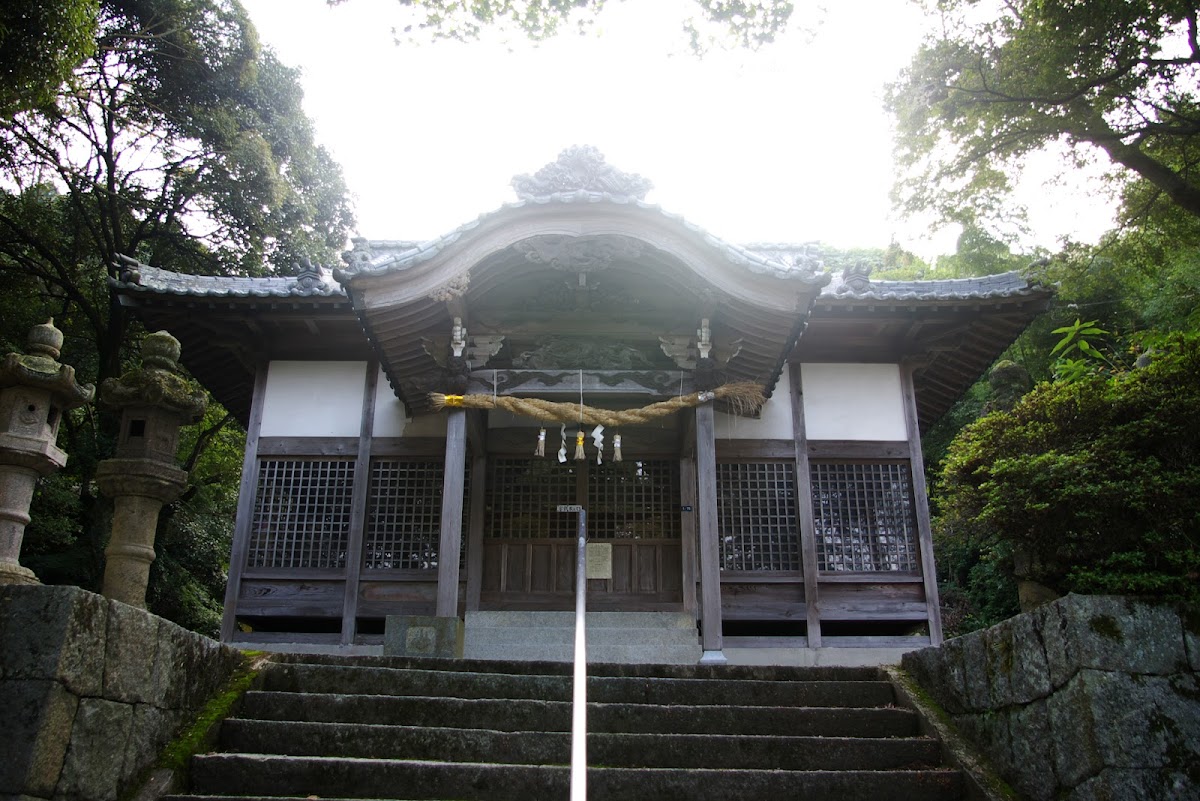
Kanai Shrine (Ehime Prefecture) Complete Guide: A Thorough Explanation of History, Deities, Blessings, and Visiting Information
Kanai Shrine, located in Imabari City, Ehime Prefecture, is a historic shrine that has long been cherished by the local community. This article provides detailed information you should know before visiting, from the historical background of Kanai Shrine to its enshrined deities, blessings, highlights of the grounds, and actual visiting information.
Basic Information about Kanai Shrine
Kanai Shrine is located in Imabari City, Ehime Prefecture, and has long been revered as the local guardian deity. The shrine grounds, nestled in a tranquil environment, offer a place to escape the hustle and bustle of everyday life and find peace of mind, attracting not only locals but also visitors from afar.
Location and Access
Address: Imabari City, Ehime Prefecture (Please check the official information from the Ehime Prefectural Shrine Association for the detailed address)
Access to the shrine is generally from within Imabari City. If using public transportation, the shrine is accessible on foot from the nearest bus stop, but visiting by private car is more convenient. Parking spaces for visitors are provided on the shrine grounds.
History and Origins of Niuchi Shrine
History of Founding
The exact founding date of Niuchi Shrine is unknown due to the loss of old records, but according to local tradition, it is believed to have been enshrined in this location since ancient times. It has a history of being worshipped as a guardian deity of the region alongside the development of the Imabari area.
Connections to the Community
Niuchi Shrine has played an important role in the community of Imabari City. In times when agriculture was thriving, it served as a place for praying for a bountiful harvest, and as a central place for praying for the safety and prosperity of the region, deeply rooted in people’s lives.
The festivals held throughout the year provide a valuable opportunity for local residents to gather together, functioning as a place for intergenerational exchange.
Deities and Divine Virtues
Main Deity
Details about the deity enshrined at Niuchi Shrine are recorded in the records of the Ehime Prefectural Shrine Association. Due to the nature of the deity, various divine virtues are believed to be present, and many worshippers visit with various wishes.
Expected Benefits
Niuchi Shrine is believed to offer the following benefits:
- Family Safety: Protecting the health and peace of the family
- Abundant Harvest: Wishing for prosperity in agriculture and business
- Regional Peace and Security: Peace and development of the entire region
- Protection from Misfortune and Good Fortune: Avoiding disaster and attracting good fortune
In particular, local residents have a custom of visiting the shrine before important life events or decisions to receive its divine blessings.
Highlights of the Shrine Grounds
Shrine Architecture
The shrine building of Niuchi Shrine preserves the traditional style of shrine architecture. The wooden main shrine has been carefully maintained over many years thanks to the faith of the local people. From the worship hall, you can offer heartfelt prayers in a serene atmosphere.
Natural Environment of the Shrine Grounds
The shrine grounds are surrounded by nature that changes with each season. The approach lined with ancient trees evokes a sense of solemnity in visitors.
Spring is beautiful with its fresh greenery; Summer offers cool shade; Autumn is adorned with colorful autumn leaves; and Winter is a solemn and serene atmosphere. Enjoying the changing seasons while visiting is one of the charms of Niuchi Shrine.
Sacred Atmosphere
Stepping onto the shrine grounds, you can feel a sacred atmosphere different from everyday life. Many visitors share the feeling of calm as they pass through the torii gate and proceed along the approach.
Annual Events and Festivals
Major Festivals
At Niuchi Shrine, various festivals are held throughout the year. These festivals play an important role in preserving the region’s traditional culture.
The Grand Festival is one of the shrine’s most important annual events, attracting many parishioners and worshippers. On the day of the festival, Shinto rituals are solemnly performed, and prayers are offered for the prosperity and peace of the region.
The New Year’s Festival marks the beginning of the new year, and prayers are offered for safety and prosperity throughout the year. Many worshippers visit for their first shrine visit of the year, vowing their New Year’s resolutions before the gods.
Seasonal Festivals
Traditional festivals related to agriculture, such as the Spring Prayer Festival and the Autumn Harvest Festival, are also preserved. These are valuable events that convey the deep connection between Japanese rice cultivation culture and Shintoism.
Etiquette and Manners for Visiting a Shrine
Correct Way to Visit a Shrine
When visiting Niuchi Shrine, please observe the following basic etiquette:
- Bow at the Torii Gate: Bow before passing through the torii gate to show respect for entering the sacred area.
- Walking Along the Path: The center of the path is considered the path of the gods, so walk along the sides.
- Purification at the Water Basin: If there is a water basin, purify your hands and mouth before praying.
- Etiquette at the Main Hall: Pray using the basic etiquette of “two bows, two claps, one bow.”
Mindset During Worship
Worship is not simply a place to make wishes, but an opportunity to express gratitude to the gods and show appreciation for daily peace. It is important to first express gratitude for everyday blessings, and then make your wishes.
Goshuin (Shrine Seals) and Amulets
About Goshuin
Some shrines offer goshuin, but it is recommended to check in advance whether or not they offer them at Niuchi Shrine and what hours they are available. The goshuin should be cherished as proof of your visit.
Amulets and Souvenirs
Shrines often offer various types of amulets and souvenirs. You can receive amulets according to your purpose, such as family safety, traffic safety, or academic success.
Amulets are important items imbued with the blessings of the gods, so it is important to handle them carefully and have faith in their effectiveness.
Nearby Attractions and Tourist Information
Tourist Spots in Imabari City
When visiting Niuchi Shrine, you can also visit other tourist spots in Imabari City.
Imabari Castle is a beautiful castle known as a seaside castle and is a symbol of Imabari City. From the castle tower, you can enjoy a spectacular view of the Seto Inland Sea.
At the Towel Museum, you can observe the manufacturing process of Imabari towels and purchase high-quality towel products. Imabari is known as one of Japan’s leading towel-producing regions.
Access to the Shimanami Kaido
Imabari City is the starting point on the Shikoku side of the Shimanami Kaido, a route connecting islands in the Seto Inland Sea. You can enjoy cycling and island hopping in conjunction with visiting the shrine.
Connections with the Community and Faith
Bonds with Parishioners
Ninai Shrine has been carefully protected by its parishioners as the local guardian deity. The maintenance and management of the shrine is carried out through the cooperation of the local community, centered around the parishioners’ representatives.
Many local residents are involved in the daily activities of the shrine, such as preparing for festivals and cleaning the grounds. Through these activities, intergenerational exchange and community bonds are deepened.
Role in Modern Times
In modern society, Ninai Shrine has become more than just a religious facility. It plays diverse roles as a symbol of regional identity and a spiritual haven.
Especially amidst increasing urbanization, the shrine grounds, where nature and tradition remain, have become a valuable healing space for local residents.
Precautions When Visiting a Shrine
Clothing and Belongings
While no special attire is required for visiting a shrine, it is desirable to dress appropriately and respectfully, as it is a sacred area. Especially when attending a festival, please ensure your attire is clean and presentable.
During the summer months, the sun is strong, so a hat or parasol is useful. However, it is considered proper etiquette to remove your hat when praying in the main hall.
Photography
Photography is generally permitted on the shrine grounds, but there may be restrictions, such as inside the main hall or during religious ceremonies. If unsure, please check with a Shinto priest or other relevant person before taking photos.
Also, please be mindful of the privacy of other visitors and be careful not to include people in your photos.
Relationship with the Ehime Prefectural Shrine Association
Ninai Shrine is one of the shrines belonging to the Ehime Prefectural Shrine Association. The Ehime Prefectural Shrine Association is an organization that oversees shrines throughout the prefecture, working to maintain and develop shrines, train Shinto priests, and preserve traditional culture.
For accurate information about the shrine and the schedule of festivals, please check the official website of the Ehime Prefectural Shrine Association.
Voices and Experiences of Visitors
Voices of Local Residents
For those born and raised in the area, Niuchi Shrine is a special place they have been familiar with since childhood. Many say they have always visited the shrine at important life events such as Shichi-Go-San (a traditional Japanese rite of passage for children) and Hatsumode (the first shrine visit of the New Year), and that they find peace of mind in the tranquility of the shrine grounds.
Visitors from Afar
Some tourists visiting Imabari City also visit Niuchi Shrine as part of their tour of local shrines. They often comment on the warm atmosphere of the shrine, which is deeply rooted in the community, and appreciate its simple charm that hasn’t been commercialized for tourism.
People Supporting the Shrine
Priests and Parishioners’ Representatives
The daily operation of Niuchi Shrine is primarily carried out by the priests and parishioners’ representatives. The Shinto priests are responsible for performing Shinto rituals and assisting worshippers, while the parishioners’ representatives play a crucial role as a bridge between the community and the shrine.
Volunteer Activities
Many local residents participate as volunteers in cleaning the shrine grounds and preparing for festivals. These activities strengthen the bonds of the local community centered around the shrine.
Future Prospects and Challenges
Inheriting Tradition
With the declining birthrate and aging population, passing on the shrine’s traditions to the next generation is a crucial challenge. At Niuchi Shrine, efforts are needed to convey the history of the shrine and the significance of its festivals to younger generations.
Contribution to Regional Revitalization
As a cultural resource of the region, the shrine has the potential to contribute to tourism promotion and regional revitalization. It is expected to play an even greater role in the future as a hub for disseminating local history and culture.
Summary: The Charm of Niuchi Shrine
Niuchi Shrine is a shrine with a long history in Imabari City, Ehime Prefecture, and has been cherished by the local people. While not flashy, the quiet grounds exude a sacred atmosphere, offering peace of mind to visitors.
As the local guardian shrine, it is believed to grant various blessings, such as family safety and abundant harvests, and many worshippers visit to express gratitude at important life events and for daily blessings.
When you visit Imabari City, be sure to stop by Niuchi Shrine and experience the warm atmosphere of this community-rooted shrine. The time spent escaping the hustle and bustle of everyday life and finding peace in the quiet grounds will surely be a valuable experience.
Visiting shrines and connecting with traditional Japanese culture and local history enriches our hearts. We hope your visit to Niuchi Shrine will be a meaningful one.