Kikkō Shrine (Iwakuni City, Yamaguchi Prefecture) Complete Guide | History, Cultural Properties, and Visiting Information
About Kikkō Shrine
Kikkō Shrine is a shrine located in Yokoyama, Iwakuni City, Yamaguchi Prefecture. It is a historically significant shrine dedicated to the spirits of successive generations of the Kikkawa clan, the former lords of the Iwakuni Domain. Situated within Kikkō Park, close to Kintaikyo Bridge, it stands in a historical setting at the southern foot of the Iwakuni Castle ruins.
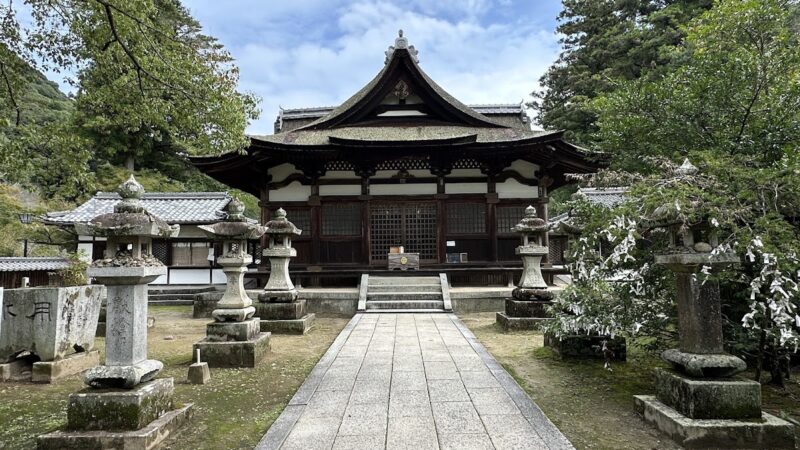
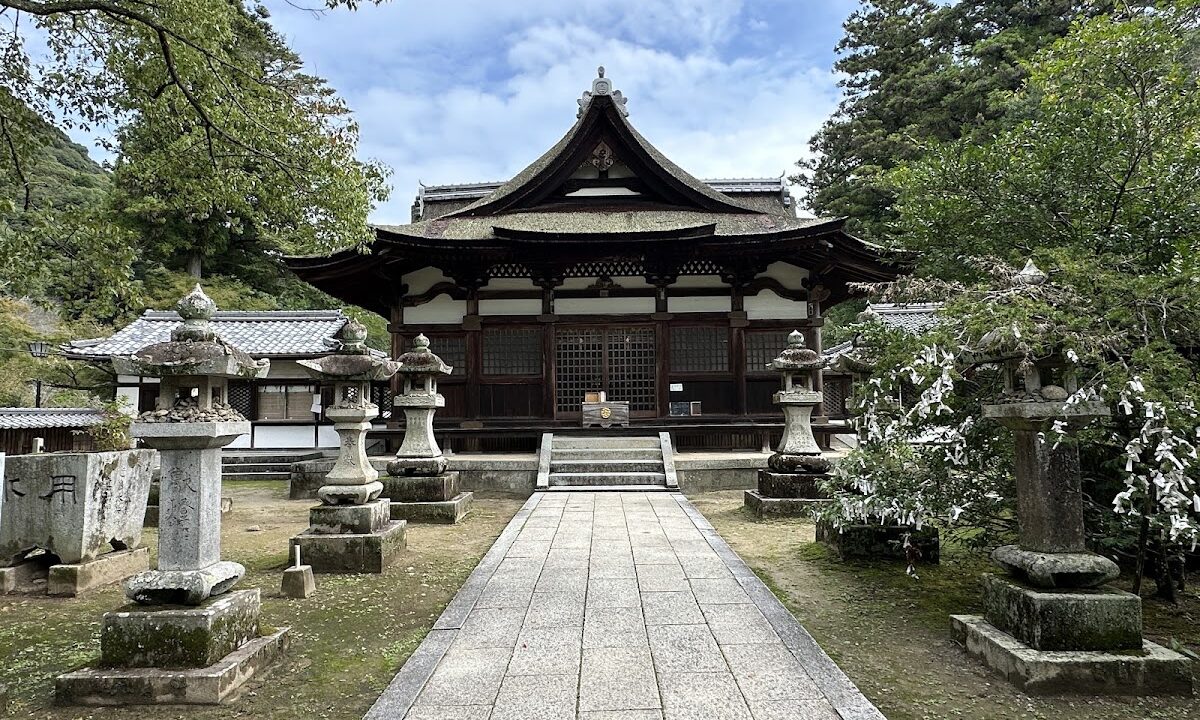
The current shrine buildings are mid-Edo period structures built in 1728 (Kyōhō 13) and relocated to their present location in 1885 (Meiji 18). A distinctive feature is the arrangement of the main hall, offering hall, worship hall, shrine gate, and torii gate in a straight line from south to north. These buildings are designated as important national cultural properties.
Overview of the Cultural Property
Kikkō Shrine as a Nationally Designated Important Cultural Property
The shrine buildings of Kikkō Shrine are designated as a Nationally Designated Important Cultural Property due to their historical and architectural value. They retain many characteristics of shrine architecture from the mid-Edo period, and are valuable structures that convey the original form from the structural framework to the roof structure.
Cultural Property Name
The official name of the cultural property is “Kikkō Shrine Main Hall, Worship Hall, Offering Hall, Shrine Gate, and Torii Gate.” These five buildings are collectively designated as an Important Cultural Property, and each preserves the architectural style of the mid-Edo period.
Designation Category and Period
- Designation Category: Nationally Designated Important Cultural Property (Building)
- Period: Mid-Edo Period
- Year of Construction: Kyoho 13 (1728)
- Year of Relocation: Meiji 18 (1885)
- Location: Yokoyama, Iwakuni City, Yamaguchi Prefecture
- City/Town: Iwakuni City
History of Kikkō Shrine
History of the Kikkawa Clan and the Iwakuni Domain
The Kikkawa clan was a samurai family that wielded considerable power in the Chugoku region from the Sengoku period to the Edo period. Kikkawa Motoharu, in particular, is known as the second son of Mori Motonari and greatly contributed to the Mori family’s unification of the Chugoku region.
After the Battle of Sekigahara, Kikkawa Hiroie was granted 30,000 koku in Iwakuni, laying the foundation for the Iwakuni Domain. From then on, the Kikkawa family ruled Iwakuni until the Meiji Restoration, fostering a unique culture. The construction of Kintaikyo Bridge was also carried out by the Kikkawa family, who greatly contributed to the development of Iwakuni.
Establishment and Changes of the Shrine
The origins of Kikkō Shrine lie in several shrines dedicated to the ancestral spirits of the Kikkawa family. Originally, the Kikkawa family had three clan shrines dedicated to successive heads of the family.
- Jikōsha
- Kōshūsha
- Chinshōsha
These shrines each enshrined different heads of the Kikkawa family, but in 1872 (Meiji 5), they were merged into one shrine, Kikkō Shrine. This merger established the current form in which the spirits of successive Kikkawa family members are enshrined in a single shrine.
Construction in 1728 (Kyōhō 13)
The current shrine building was constructed in 1728 (Kyōhō 13) within the grounds of the Hakusan Shrine in Yokoyama. This period corresponds to the mid-Edo period, a time of cultural maturity. The architectural style of the shrine reflects the advanced technology and aesthetic sensibilities of the time.
The names of the master builders and carpenters from the time of construction are recorded, indicating that it was carefully built by skilled local craftsmen. The cypress bark roof and intricate carvings showcase the pinnacle of mid-Edo period architectural technology.
Relocation in Meiji 18
In Meiji 18 (1885), the shrine was relocated from the grounds of the Hakusan Shrine in Yokoyama to its current location on the former Iwakuni Castle site. This relocation was carried out using a traditional technique called “hikiya,” a highly advanced technique that moves buildings without dismantling them.
Despite the relocation, the original form, from the main structure to the roof truss, is remarkably well-preserved, demonstrating the excellence of this hikiya technique. The current location is a historically significant site—the former castle grounds—and symbolizes the history of the Kikkawa family.
Architectural Features
Main Hall Structure
The main hall of Yoshika Shrine is built in the Sangensha Nagare-zukuri style. The front features a Chidori-hafu (gable with a curved roof) and a Nokikara-hafu (gable with a curved eaves), creating an elegant appearance.
The roof is covered with cypress bark shingles. This traditional roofing material requires periodic replacement, but its beauty and durability have made it highly valued in shrine architecture. The interior of the main hall enshrines the spirits of successive generations of the Yoshikawa family, creating a solemn atmosphere.
Offering Hall and Worship Hall
The Heiden (offering hall) is a building connecting the main hall and the worship hall, and is an important space for performing Shinto rituals. The Haiden (worship hall) is where worshippers pay their respects and has an open design.
The structure of the Heiden and Haiden also retains many characteristics of the mid-Edo period, and the architectural techniques of the time can be seen in the way the pillars and beams are assembled and in the details of the decorations. The eaves of the worship hall are adorned with intricate carvings, demonstrating the high level of craftsmanship.
Shrine Gate and Torii Gate
The shrine gate (shinmon) is an important structure marking the entrance to the sacred area. Its simple yet dignified design embodies the aesthetic sensibilities of Edo period shrine architecture.
The torii gate is a stone Myojin-style torii, and its pillars bear the inscription “Kyoho 13th year, Year of the Earth Monkey, Autumn, Auspicious Day.” This inscription indicates that the torii gate was erected at the same time as the shrine building, making it a valuable historical relic that conveys its original appearance.
Architectural Arrangement
A distinctive feature of Kikko Shrine is the straight line arrangement of the torii gate, shrine gate, worship hall, offering hall, and main shrine from south to north. This linear arrangement clearly defines the axis of the shrine architecture, guiding worshippers into the sacred area.
This arrangement is thought to have been influenced by Feng Shui and Onmyodo (Japanese esoteric cosmology), reflecting the worldview and religious beliefs of the people of that time.
Deities Enshrined
Successive Heads of the Kikkawa Clan
Kikkō Shrine enshrines the ancestral spirits of the Kikkawa family, including the successive heads of the Kikkawa clan, lords of the Iwakuni Domain. The main deities enshrined include the following individuals:
Kikkawa Motoharu
The second son of Mōri Motonari, he was a warrior who greatly contributed to the Mōri clan’s unification of the Chūgoku region. Known as a brave and daring warrior, he achieved numerous military successes. He remains a symbol of the Kikkawa family’s martial prowess and continues to be respected to this day.
Kikkawa Hiroie
The third son of Kikkawa Motoharu, he was the first lord of the Iwakuni Domain. He found himself in a complicated position during the Battle of Sekigahara, but afterwards entered Iwakuni and laid the foundation for the domain. The concept for the construction of Kintaikyo Bridge is also said to have begun during Hiroie’s time.
Kikkawa Tsunemasa
A lord of the Iwakuni Domain during the mid-Edo period, he dedicated himself to stabilizing the domain’s administration. As a lord during the Kyoho era, he may have been involved in the construction of the shrine buildings.
Kikkawa Tsuneyoshi
One of the lords of the Iwakuni Domain during the Edo period, he focused on promoting culture. He encouraged learning and contributed to raising the cultural level of the domain.
Kikkawa Okitsune
A lord of the Iwakuni Domain at the end of the Edo period, he survived the turbulent period of the Meiji Restoration. He worked on the modernization of the domain and supported the transition to a new era.
Deities enshrined in the merged shrines
With the merger in 1872 (Meiji 5), the spirits enshrined in the Chikosha, Takahidesha, and Chinshosha shrines were also enshrined in Kikko Shrine. This made it a shrine that comprehensively enshrines the history of the Kikkawa family, strengthening its role as a spiritual center for the clan.
Relationship with Kikkō Park
Overview of Kikkō Park
Kikkō Park, where Kikkō Shrine is located, is a park developed around the former residence of the Kikkawa family, the lords of the Iwakuni Domain. Within its vast grounds, in addition to Kikkō Shrine, historical buildings such as the Iwakuni Chōkokan Museum, the Kagawa family’s Nagaya Gate, and the former Mekata family residence are scattered.
In spring, the cherry blossoms; in early summer, the fresh greenery; and in autumn, the autumn leaves are beautiful, making it a popular place of relaxation for the citizens of Iwakuni. A stroll through the park allows you to experience the atmosphere of Iwakuni during the Edo period.
Location in relation to Kintaikyo Bridge
Kikkō Shrine is located a few minutes’ walk from Kintaikyo Bridge, known as one of Japan’s three most famous bridges. The route crossing Kintaikyo Bridge, passing through Kikkō Park, and reaching the shrine is a classic Iwakuni sightseeing route.
Kintaikyo Bridge was also constructed by the Kikkawa family, and together with Kikkō Shrine, it is an important cultural asset that conveys the legacy of the Kikkawa family to the present day. Visiting both locations together will allow you to gain a deeper understanding of Iwakuni’s history.
Visiting Information
Access
Access by Train and Bus
- Approximately 20 minutes by bus from JR Sanyo Main Line “Iwakuni Station,” get off at “Kintaikyo” bus stop, then approximately 5 minutes on foot.
- Approximately 15 minutes by taxi from Iwakuni Kintaikyo Airport.
Access by Car
- Approximately 10 minutes from Sanyo Expressway “Iwakuni IC.”
- Parking: Paid parking available around Kikko Park.
Visiting Hours and Fees
- Visiting Hours: Grounds are freely accessible (please check the shrine office’s opening hours).
- Admission Fee: Free
- Closed Days: None
Goshuin (Shrine Seal) Information
Kikko Shrine offers Goshuin. You can receive a Goshuin if you visit during the shrine office’s opening hours. It’s a valuable Goshuin that allows you to feel the history of Iwakuni, and is recommended as a memento of your visit.
Annual Events
At Kikkō Shrine, various Shinto rituals are performed throughout the year. The annual festival, in particular, is cherished by the local community as an important event commemorating the history of the Kikkawa family.
Nearby Attractions
Iwakuni Castle
Iwakuni Castle (reconstructed keep) stands on the summit of Yokoyama Mountain, which rises behind Kikkō Shrine. Built in 1608 by Kikkawa Hiroie, it was abandoned after only seven years due to the “One Castle Per Province” decree. The current keep was reconstructed in 1962, and the observation deck offers a spectacular view of Iwakuni city and the Nishiki River.
Iwakuni Chōkokan Museum
Located within Kikkō Park, the Iwakuni Chōkokan Museum exhibits art, crafts, and historical materials passed down through the Kikkawa family. It houses valuable materials that tell the history of the Iwakuni domain, including swords, armor, and ancient documents. Visiting this site in conjunction with a visit to Kikkō Shrine will allow you to gain a deeper understanding of the history of the Kikkawa family.
Kagawa Family Nagaya Gate
This is the nagaya gate (long gatehouse) of the Kagawa family, chief retainers of the Iwakuni Domain, and is a valuable example of Edo-period samurai residence architecture. It is designated as a National Important Cultural Property and conveys the atmosphere of samurai society at that time.
General Information
Kikkō Shrine is a shrine that enshrines the successive heads of the Kikkawa family, who ruled Iwakuni during the Edo period, as deities. The building, constructed approximately 300 years ago in 1728, still remains and is designated as a National Important Cultural Property.
The shrine buildings are characterized by their straight line arrangement from south to north: the torii gate, shinmon gate, haiden (worship hall), heiden (offering hall), and honden (main hall). It’s a recommended spot for history buffs and those interested in architecture, as you can see the excellent architectural techniques of the Edo period.
Located within Kikkō Park, just a short walk from Kintaikyo Bridge, it’s a place you should definitely visit when sightseeing in Iwakuni. In the tranquil grounds, you can pray while reflecting on the history of Iwakuni.
Explanation for Elementary School Students
Kikkō Shrine is a shrine dedicated to the family of the Kikkawa family, who ruled Iwakuni in the past. The buildings, constructed approximately 300 years ago during the Edo period, are still carefully preserved.
Despite their age, the shrine buildings remain remarkably well-preserved and are designated as important national cultural properties. A distinctive feature is the straight line of buildings from the torii gate to the main hall.
Located near the famous Kintaikyo Bridge, you can visit it when you go to see the bridge. It’s situated within a park, and cherry blossoms bloom beautifully in the spring.
Efforts toward Preservation and Transmission
Cultural Property Protection
The buildings of Kikkō Shrine, designated as important national cultural properties, undergo regular repairs and preservation management. Because the cypress bark roofs are particularly susceptible to deterioration, re-roofing work is systematically carried out by specialized craftsmen.
Yamaguchi Prefecture and Iwakuni City are also actively working to protect cultural properties, supporting the maintenance and management of the shrine through subsidy programs and other means.
Connection with the Community
Kikkō Shrine continues to be a spiritual center for the people of the region. The local parishioners’ organization plays a central role in supporting the shrine’s cleaning, maintenance, and the operation of festivals.
Kikkō Shrine is also used as teaching material for learning about local history in schools, functioning as a place for passing on history to future generations.
Summary
Kikkō Shrine is a valuable cultural heritage site that conveys the history of the Kikkawa clan, the lords of the Iwakuni domain. The shrine buildings, constructed in 1728 and relocated to their current location in 1885, retain many characteristics of mid-Edo period shrine architecture and are protected as a nationally important cultural property.
It enshrines the spirits of successive clan heads, including Kikkawa Motoharu and Kikkawa Hiroie, and has attracted the faith of the local people. Along with Kintaikyo Bridge and Iwakuni Castle, Kikkō Shrine symbolizes the history and culture of Iwakuni, welcoming many worshippers and tourists.
Surrounded by the lush nature of Kikkō Park, the shrine grounds showcase the beauty of each season, providing tranquility to visitors. When you visit Iwakuni, be sure to stop by Kikkō Shrine and experience the splendor of traditional Japanese culture in a space steeped in 300 years of history.