Complete Guide to Wada Shrine (Otsu City, Shiga Prefecture) | A National Treasure-Class Main Hall from the Kamakura Period and a Ginkgo Tree Associated with Ishida Mitsunari
Wada Shrine, located in Kinoshita-cho, Otsu City, Shiga Prefecture, is a historically significant shrine known for its main hall, a nationally designated important cultural property built in the late Kamakura period, and a 650-year-old ginkgo tree associated with the legend of Ishida Mitsunari. Despite its convenient location just a 5-minute walk from Zezehonmachi Station on the Keihan Railway, it maintains a tranquil atmosphere and has recently gained attention on social media for its summer wind chime festival.
This article comprehensively explains everything you need to know before visiting Wada Shrine, from its history and highlights to access methods and points to consider when praying.
History and Origins of Wada Shrine
From Founding to the Present
Wada Shrine is believed to have been founded around 675 AD (Hakuhō 4), during the reign of either Empress Saimei, Emperor Tenji, or Emperor Tenmu. It is said that the shrine’s origins lie in the enshrinement of “Wadatsumi no Kami” (the god of the sea) shortly after the Jinshin War, in prayer for the peace and well-being of the people living around Lake Biwa. The name “Wada” is also said to derive from this “Wadatsumi.”
Over time, it was known by various names, such as Hachidai Ryuo-sha and Shorei Tenno-sha, but around the time of the Meiji Restoration, it was given its current name, “Wada Shrine,” by order of the lord of the Zeze Domain.
Main Deity and Divine Virtues
The main deity is Takaokami no Kami, revered as a dragon god who controls water. Takaokami no Kami is known as the god of rain, protection from floods, and abundant harvests, and has been deeply intertwined with the lives of people in Otsu, a region blessed with the vast water source of Lake Biwa, since ancient times.
Within the shrine grounds are several smaller shrines, including Inari Shrine, Tenmangu Shrine, and Yamajinja Shrine, where visitors can receive blessings for business prosperity, academic success, and safety in the mountains.
Shrine Emblem and Rank
The shrine emblem of Wada Shrine is the Five-Seven Paulownia, signifying its high status. With grounds covering 743 tsubo (approximately 2,400 square meters), it is positioned as a historically significant shrine within Otsu City.
Nationally Designated Important Cultural Property: Main Hall
Architectural Beauty of the Late Kamakura Period
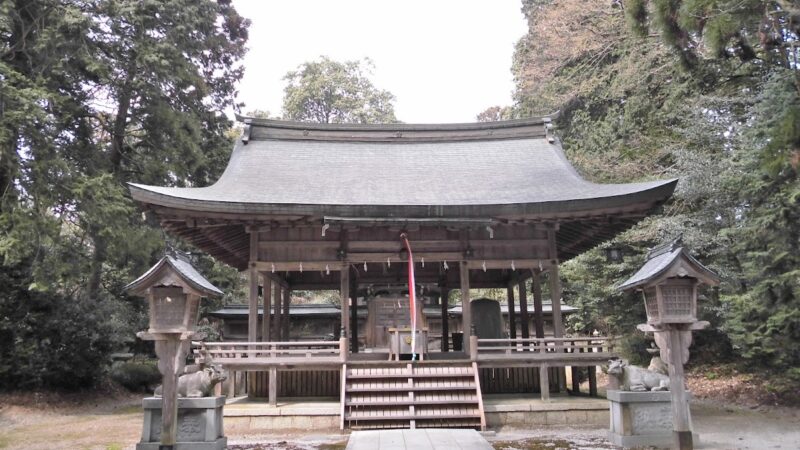
The greatest highlight of Wada Shrine is its Main Hall, built in the late Kamakura period. Designated as a National Important Cultural Property, it is highly valued as a precious example of medieval architecture within Shiga Prefecture.
The Main Hall is built in the Ikkensha Nagare-zukuri style, possessing a dignified structure despite its small size. The most distinctive feature is the nokikarahafu (curved gable) on the front of the roof, a design considered rare even within Shiga Prefecture.
Architectural Features and Highlights
The main hall’s roof is covered with cypress bark shingles and was rebuilt during the Azuchi-Momoyama period. A distinctive feature is the long, rounded projection of the front porch, showcasing elegant curves.
The sides feature decorative elements called kaerumata (frog-leg brackets), retaining strong characteristics of Kamakura period architecture within its clean design. Surrounded by a lattice fence, the main hall, though compact, exudes a sense of high status.
Understanding the architectural style before visiting will allow you to truly appreciate the skill and aesthetic sensibilities of the Kamakura period artisans.
The Giant Ginkgo Tree with a Legend of Ishida Mitsunari
A Giant Tree Designated as a Natural Monument of Otsu City
Within the temple grounds stands a giant ginkgo tree, approximately 650 years old and 25 meters tall, designated as a natural monument of Otsu City. It is an exceptionally large tree, even by Shiga Prefecture standards, and its beautiful shape is said to have once served as a landmark for ships sailing on Lake Biwa.
Connection to Ishida Mitsunari
This ginkgo tree has a historical anecdote associated with it. Legend says that Ishida Mitsunari, defeated at the Battle of Sekigahara (1600), was tied to this tree during a brief rest at Wada Shrine while being escorted to Kyoto.
This ginkgo tree, which witnessed a tragic scene symbolizing the end of the Sengoku period, still stands strong after more than 650 years, evoking a sense of historical romance.
In autumn, the magnificent golden foliage paints the temple grounds in a breathtaking display.
Gate of the Zeze Domain School, Jungido
The gate on the temple grounds was formerly used as the gate of the Zeze Domain School, Jungido. The Zeze Domain played an important role in the history of Otsu, and the remaining structure of its domain school is of high cultural value.
Jungido was an educational institution of the Zeze Domain that produced many talented individuals, and the relocation of its gate to Wada Shrine makes it a valuable reminder of the region’s educational history.
Wind Chime Festival and Annual Events
Summer Wind Chime Festival
In recent years, Wada Shrine has held a Wind Chime Festival during the summer (approximately one month from July to August), which has become a popular topic on social media. Hundreds of colorful wind chimes adorn the temple grounds, and the refreshing sound of them creates a healing space that makes you forget the summer heat. This event, despite its relatively small scale, is attracting an increasing number of visitors from other prefectures and is gaining popularity among younger generations as a photogenic spot. The collaboration of wind chimes, the large ginkgo tree, and the historic main shrine is a unique charm of Wada Shrine.
Other Annual Events
Wada Shrine holds various Shinto rituals throughout the year, including the New Year’s Day Festival, the Spring Grand Festival, and the Autumn Grand Festival. As the guardian deity of the region, it continues to attract the faith of local people.
Access and Visiting Information
Access by Train
Access to Wada Shrine is very convenient.
If using Keihan Railway:
- Approximately 5 minutes on foot from Keihan Railway’s “Zezehonmachi Station”
- Exit the station and head northeast, following the old Tokaido Road; you will arrive shortly.
If using JR:
- Approximately 10-15 minutes on foot from JR’s “Zeze Station”
- The route via Keihan Zeze Station is the easiest to follow.
The location is most convenient, being within walking distance of Keihan Railway’s Zezehonmachi Station.
Access by Car
If coming by car:
- From the direction of Omi Ohashi Bridge: Turn left at the Kinoshita-cho intersection after Omi Ohashi Bridge.
- Parking: There is parking space for visitors on the shrine grounds (spaces are limited, so we recommend using public transportation whenever possible).
Basic Information
Address: 7-13 Kinoshita-cho, Otsu City, Shiga Prefecture 520-0812
Phone: 077-522-2057
Visiting Hours: Grounds are open freely (please check the reception hours of the shrine office)
Admission Fee: Free
Parking: Available (limited spaces)
Nearby Attractions and Tourist Spots
Zeze Castle Ruins and the Old Tokaido Road
The area around Wada Shrine retains the historical townscape along the old Tokaido Road. Within walking distance lies the ruins of Zeze Castle, allowing you to experience the history of Zeze, which once flourished as a strategic point controlling water transport on Lake Biwa.
Otsu City History Museum
For those who want to learn more about the history and culture of Otsu City, a visit to the Otsu City History Museum is recommended. There are exhibits and explanations related to Wada Shrine, allowing for a deeper understanding.
Stroll along Lake Biwa
Lake Biwa is also accessible on foot from the Zeze area. Enjoy the magnificent scenery of Lake Biwa while strolling along the lakeside promenade.
Goshuin (Shrine Seals) and Etiquette for Worship
About Goshuin
You can receive a goshuin (shrine seal) at Wada Shrine. Visit during the shrine office’s opening hours and make your request politely. You can bring your own goshuincho (seal book) or receive a pre-printed goshuin.
The Goshuin (temple/shrine stamp) bears the shrine’s name and the date of visit, and features the unique calligraphy and red seal of Wada Shrine. For those collecting Goshuin, the Goshuin from this historic shrine, which also possesses important cultural properties, will be a particularly special one.
Etiquette for Worship
The basic etiquette for visiting a shrine is “two bows, two claps, one bow.”
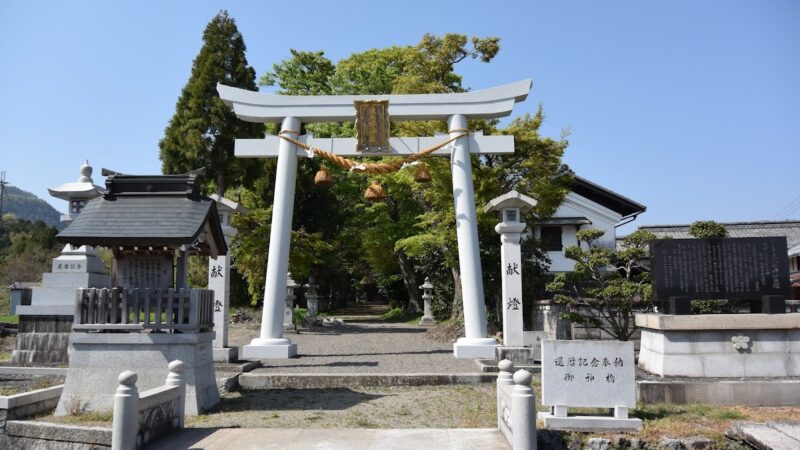
- Bow before passing through the torii gate.
- Cleanse your hands and mouth at the water basin.
- Offer your donation in front of the main hall.
- Bow deeply twice.
- Clap your hands twice.
- Bow deeply once more, offering your prayers.
The shrine grounds are a sacred place, so please worship quietly and respectfully.
Summary of Wada Shrine’s Charms
Wada Shrine, located near the center of Otsu City, is a shrine where history and nature harmonize, boasting the architectural beauty of the Kamakura period and a valuable cultural property and natural monument: a 650-year-old ginkgo tree.
Main Attractions of Wada Shrine:
- National Important Cultural Property Main Hall: A late Kamakura period one-bay nagare-zukuri style building, characterized by its distinctive curved gable roof.
- Ginkgo Tree of Ishida Mitsunari Legend: A 650-year-old, 25-meter-tall tree, designated as a natural monument of Otsu City.
- Easy Access: A 5-minute walk from Keihan Zezehonmachi Station, and a 10-15 minute walk from JR Zeze Station.
- Wind Chime Festival: A summer-only event popular as an Instagrammable spot.
- Historical Value: Founded during the Hakuhō period, the shrine boasts multiple historical sites, including the gate of the Zeze Domain school.
Located in Otsu City, easily accessible for day trips from Kyoto and Osaka, it’s perfect for a visit in conjunction with Lake Biwa sightseeing. This shrine is recommended for a wide range of people, from history buffs and architecture enthusiasts to those collecting Goshuin (shrine stamps) and those seeking quiet tranquility.
Notes and Etiquette for Visitors
Photography
Photography is generally permitted on the shrine grounds, but please refrain from taking photos inside the main hall or during religious ceremonies. Also, please be considerate of other visitors. Many people visit to take photos during the wind chime festival, so please enjoy the experience with a spirit of mutual respect.
Clothing and Belongings
There are no specific dress code requirements, but it is desirable to dress appropriately for a sacred place like a shrine. In summer, take precautions against the sun, and in winter, take precautions against the cold. If you wish to receive a Goshuin (shrine stamp), please remember to bring your Goshuincho (stamp book).
Maintaining Silence
Wada Shrine is a relatively small shrine located in a residential area. Please refrain from loud conversations and noisy behavior, and be considerate of the surrounding residents.
Summary: Experience History and Nature at Wada Shrine
Wada Shrine in Otsu City, Shiga Prefecture, is a fascinating shrine for both history buffs and nature lovers, boasting two major attractions: a nationally important cultural property building from the Kamakura period and a large ginkgo tree associated with Ishida Mitsunari.
Its convenient location, just a 5-minute walk from Zezehonmachi Station on the Keihan Railway, makes it easy to visit while sightseeing around Lake Biwa or exploring Otsu city. With its long history dating back to the Hakuhō period, its devotion to Takaokami-no-kami, the god of water, and its recently popular wind chime festival, it offers a charming blend of old and new.
When visiting Otsu, be sure to stop by Wada Shrine and feel the weight of history and the breath of nature in its tranquil grounds. It’s sure to be a memorable pilgrimage experience.