Zeze Shrine (Shiga Prefecture) Complete Guide | History, Deities, Zeze Castle Gate, and Access Information
Zeze Shrine, located in Otsu City, Shiga Prefecture, is a venerable shrine dedicated to the god of food, with a history dating back to ancient times. It boasts the main gate of Zeze Castle’s main keep, a nationally designated Important Cultural Property, and has a long history beginning with Emperor Tenji’s relocation of the capital to Otsu Palace. This article comprehensively introduces information you should know before visiting Zeze Shrine, including its history, enshrined deities, highlights within the grounds, information on Goshuin (shrine stamps), and access methods.
What is Zeze Shrine? | Basic Information and Overview
Zeze Shrine is located at 1-14-14 Zeze, Otsu City, Shiga Prefecture, and its former shrine rank was Prefectural Shrine. It is conveniently located about a 5-minute walk from Zeze Honmachi Station on the Keihan Electric Railway, and is situated near the site of the former Zeze Castle main keep.
Basic Information
- Location: 1-14-14 Zeze, Otsu City, Shiga Prefecture
- Postal Code: 〒520-0815
- Deity: Toyouke-hime no Mikoto
- Divine Emblem: Ascending Wisteria, Mandarin Orange
- Former Shrine Rank: Prefectural Shrine
- Founded: Said to be in the 6th year of Emperor Tenmu’s reign (677 AD)
- Important Cultural Property: Main Gate (Former Zeze Castle Main Gate)
Deity | About Toyouke-hime no Mikoto, the Goddess of Food
The deity enshrined at Zeze Shrine is Toyouke-hime no Mikoto. Toyouke-hime no Mikoto is known as the goddess of food and is also famous as the principal deity of the Outer Shrine of Ise Grand Shrine.
Worship as a Goddess of Food
The place name “Zeze” itself means a place where meals for the Emperor were prepared and offered, clearly reflecting the nature of this shrine. Toyouke-hime no Mikoto has been revered since ancient times as the goddess of abundant harvests, the blessings of food, and industrial development.
During the Heian period, this area was designated as a Mikuriya (imperial kitchen) where seafood from Lake Biwa was offered as food for the Emperor, and Zeze Shrine, which enshrines the god of food, played an important role as the center of local faith.
History of Zeze Shrine | From Emperor Tenji to the Present
Origin of the Shrine
According to shrine tradition, the history of Zeze Shrine dates back to the time of Emperor Tenji. It is said that when Emperor Tenji moved the capital to Otsu Palace (Omi-Otsu Palace) in 667, he designated this area as Mikuriya (imperial kitchen).
Later, in the 6th year of Emperor Tenmu’s reign (677), Miketsukami (the god of food) was brought from Yamato Province and enshrined as the Mikuriya god of the Imperial Kitchen, which is said to be the founding of Zeze Shrine. This shrine boasts a long history, dating back to its founding during the Nara period.
Reverence of Medieval Warlords
In the medieval period, Zeze Shrine attracted the fervent reverence of various warlords. Records show that many famous warlords, particularly from the Sengoku period to the early Edo period, dedicated sacred treasures to the shrine.
According to shrine records, the following individuals donated sacred treasures:
- Toyotomi Hideyoshi (1536-1598): Hideyoshi, known as the unifier of Japan, also worshipped at Zeze Shrine.
- Kita no Mandokoro: Hideyoshi’s wife, Nene, was also a devout worshipper.
- Ōmandokoro: Hideyoshi’s mother was also a worshipper.
- Toyotomi Hideyori: Hideyoshi’s son also donated sacred treasures.
- Tokugawa Ieyasu (1542-1616): The first shogun of the Edo shogunate also held this shrine in high esteem.
During the Keichō era (1596-1615), various sacred treasures were donated by these powerful figures, increasing the shrine’s prestige.
Imperial Decree of Emperor Higashiyama
In the mid-Edo period, Emperor Higashiyama (reigned 1687-1709) bestowed upon this shrine the title of “Zeze Daimyōjin.” This demonstrates the high status of the shrine and shows that it was highly regarded by the Imperial Court.
Connection to Zeze Castle
In 1601 (Keicho 6), the Toda clan, hereditary ministers, built Zeze Castle by order of Tokugawa Ieyasu. Thereafter, Zeze Castle was considered important as a strategic point controlling water transport on Lake Biwa, and successive feudal lords provided strong protection to Zeze Shrine.
In 1870 (Meiji 3), with the Meiji Restoration, Zeze Castle was abandoned, and the castle’s main gate was relocated to Zeze Shrine, becoming the current front gate. This gate is designated as a National Important Cultural Property.
Highlights of the Shrine Grounds | Important Cultural Properties and Shrine Buildings
Front Gate (Former Zeze Castle Main Gate)
The first thing that catches the eye when visiting Zeze Shrine is the magnificent front gate. This gate is a relocated main gate of Zeze Castle, which was abandoned in 1870 (Meiji 3), and is a Nationally Designated Important Cultural Property.
This gate, which still conveys the dignity of a castle gate, has a majestic structure with a hipped roof, and the roof tiles bear the “Tachiaoi crest,” the family crest of the former feudal lord, the Honda family. The presence of a samurai family crest, different from the shrine’s crest, is evidence that this gate was originally part of a castle.
Zeze Castle was built at a strategic point where it was said, “He who controls the Seta no Karahashi Bridge controls the world,” and the fact that its remains still exist as the main gate of the shrine is of great historical value.
Approach and Water Basin
After passing through the main gate, a well-maintained approach continues. Lanterns line both sides of the approach, creating a solemn atmosphere.
Further along the approach, you will find a water basin. Please purify your mind and body here before praying. The purification fountain is a traditional wooden structure from which pure water springs forth.
Worship Hall and Main Shrine
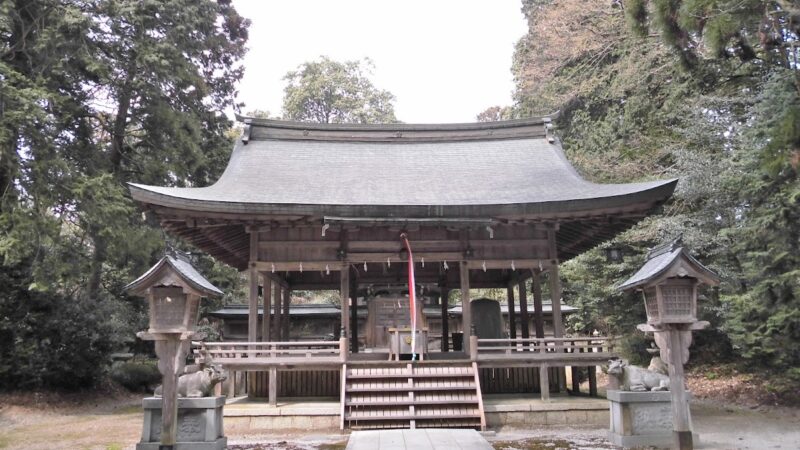
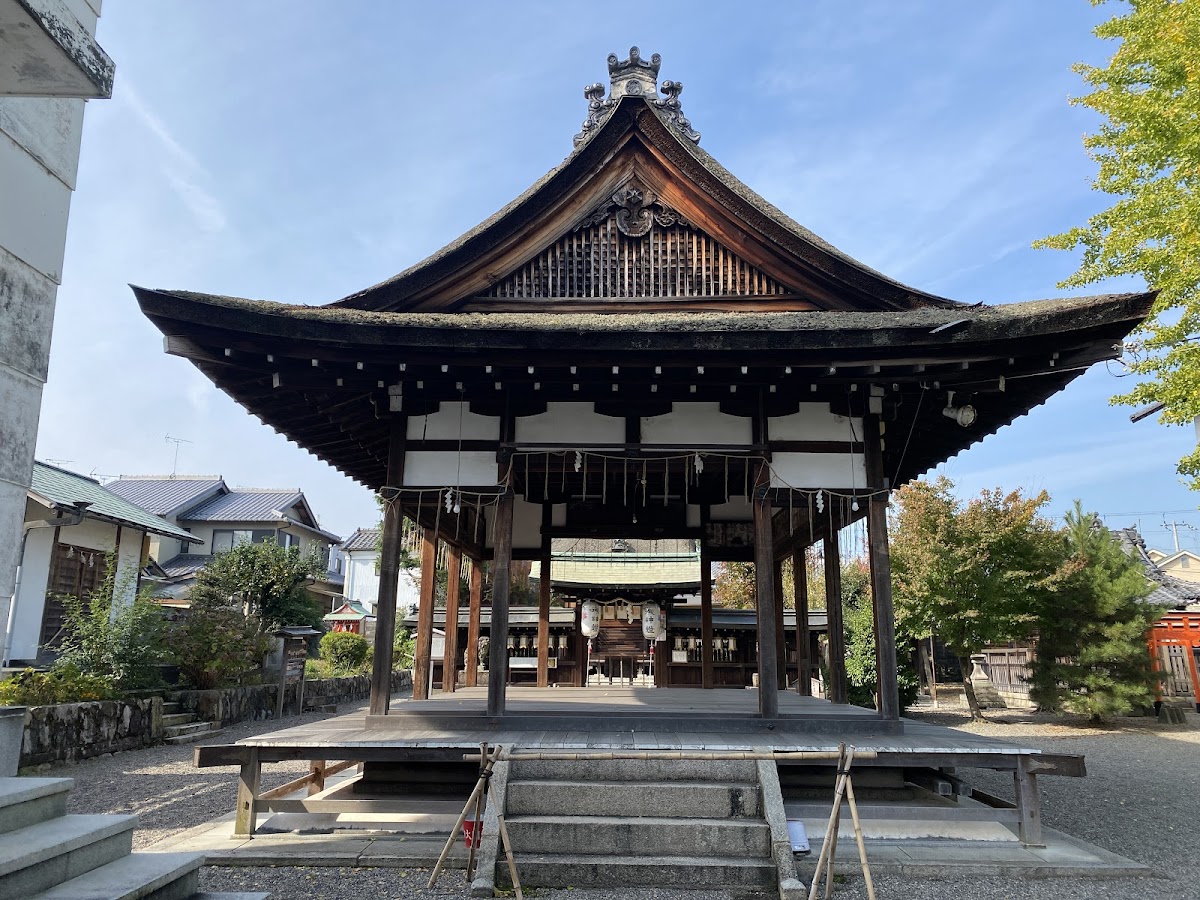
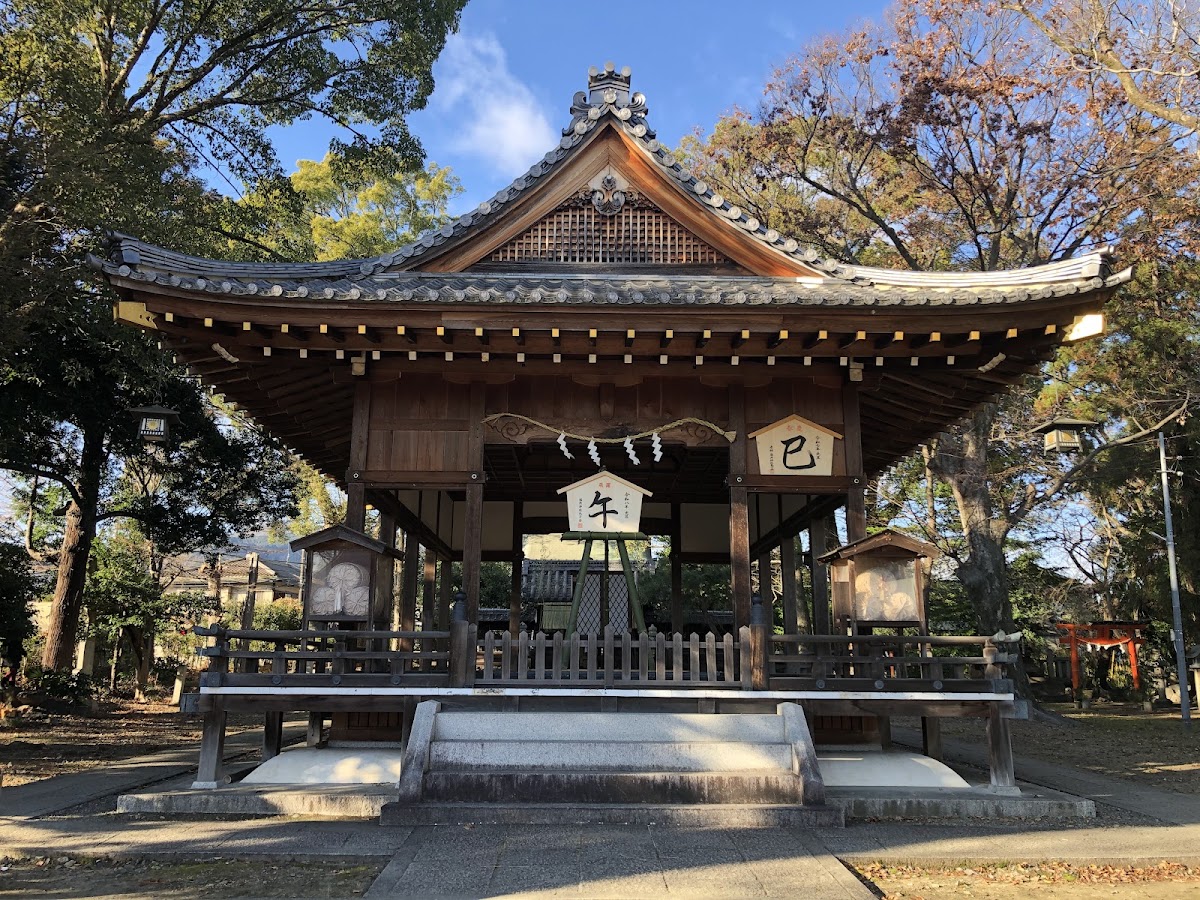
The worship hall is located at the front of the approach to the shrine and is where worshippers offer their prayers. It is a beautiful building with a hipped roof and is meticulously maintained.
Behind the worship hall sits the main shrine. The main shrine adopts the Shinmei-zukuri style and has a solemn presence befitting a shrine dedicated to Toyouke-hime no Mikoto. The architectural style and decorations of the main shrine show characteristics of Edo period shrine architecture.
Shrines within the Precincts | Dedicating Diverse Gods
Within the grounds of Zeze Shrine, there are several shrines within the precincts. These shrines also attract local devotion and can be visited during a visit to the main shrine.
The main shrines within the grounds include the following:
- Tsukimichi Ryujin: A deity based on dragon god worship
- Wakaba Daimyojin: A deity of youthful vitality
- Tatsumaki Okami: A guardian deity of the region
- Kinryu Okami: A deity of wealth and prosperity
These shrines, along with the main deity Toyouke-hime no Mikoto, welcome worshippers with various wishes.
Goshuin Information | A Memento of Your Visit
Goshuin (shrine stamps) are available at Zeze Shrine. Goshuin are popular as proof of worship and as a way to forge a connection with the shrine.
Features of the Goshuin
The goshuin at Zeze Shrine features the calligraphy and red seal of “Zeze Shrine.” The unique place name “Zeze” is striking and popular among collectors.
When requesting a Goshuin (temple/shrine stamp), please speak to the shrine office after completing your prayers. You can bring your Goshuincho (stamp book) or receive a pre-printed Goshuin.
Goshuin Reception Hours
Goshuin reception hours are generally from 9:00 AM to around 5:00 PM, but may change due to Shinto rituals or events. If you want to be sure to receive a Goshuin, we recommend calling ahead to confirm.
Annual Events and Festivals
Zeze Shrine holds various Shinto rituals and festivals throughout the year.
Main Annual Events
- New Year’s Day Festival (January 1st): A festival celebrating the New Year
- Setsubun Festival (around February 3rd): A ceremony to ward off evil and invite good fortune
- Spring Grand Festival: A festival celebrating the arrival of spring
- Summer Purification Ceremony (June 30th): A Shinto ritual to purify oneself of the impurities accumulated over the past six months
- Autumn Grand Festival: An important festival to give thanks for the bountiful autumn harvest
- Niiname-sai Festival (November 23rd): A festival to offer the new harvest to the gods
- Year-End Purification Ceremony (December 31st): A ceremony to purify oneself of the impurities accumulated over the year
The Autumn Grand Festival, in particular, is one of the most important festivals for Zeze Shrine, which enshrines the god of food, and is cherished by the local people as a festival to give thanks for a bountiful harvest.
Connection to Zeze Castle Ruins | A Base for Historical Walks
If you visit Zeze Shrine, we recommend also visiting the nearby Zeze Castle Ruins.
History of Zeze Castle
Zeze Castle was a flatland castle built in 1601 by order of Tokugawa Ieyasu. Built on the shore of Lake Biwa, it functioned as a strategic point controlling lake traffic. Completed in a short period through a nationwide construction project, it played an important role in protecting the “Seta no Karahashi” bridge.
The castle lords changed hands several times, including the Toda, Honda, Suganuma, Ishikawa, and Honda (again), with the Honda clan holding the position for a particularly long period. Although the castle was abandoned after the Meiji Restoration, some of its remains still exist today as the main gate of Zeze Shrine.
Zeze Castle Ruins Park
Currently, the site of Zeze Castle’s main keep is maintained as Zeze Castle Ruins Park. Within the park, remnants of the castle’s stone walls remain, allowing visitors to imagine its former glory. The view overlooking Lake Biwa is also beautiful, making it an ideal spot for a stroll.
Zeze Shrine and Zeze Castle Ruins Park are only a few minutes’ walk apart, so visiting both as part of a historical walk will allow you to gain a deeper understanding of Zeze’s history.
Access Information | How to Get There by Train and Car
Access by Train
Zeze Shrine is easily accessible by public transportation.
If using Keihan Railway
- Get off at Zezehonmachi Station on the Keihan Ishiyama-Sakamoto Line, approximately 5 minutes on foot.
- Head straight west from the station, and you will arrive at the shrine grounds after passing the site of the Nakatemon Gate.
If using JR
- Get off at Zeze Station on the JR Tokaido Main Line, approximately 10 minutes on foot.
- Head southwest from the station towards Zezehonmachi.
Keihan Zezehonmachi Station is the nearest station, and you can go straight to the shrine from the station, making it an easy route even for first-time visitors.
Access by Car
If using a car
- Approximately 15 minutes from the Otsu Interchange on the Meishin Expressway.
- Accessible via National Route 1 and a prefectural road.
Parking Information
Zeze Shrine has parking spaces for visitors, but the number of spaces is limited. It can get particularly crowded on festival days and weekends, so we recommend using public transportation.
There are also several coin-operated parking lots nearby, which you can use.
Nearby Tourist Attractions
When visiting Zeze Shrine, you can also enjoy nearby tourist attractions.
Lake Biwa Area
Zeze faces the southern shore of Lake Biwa, offering beautiful lakeside scenery. Facilities offering panoramic views of Lake Biwa, such as the Biwako Otsu Prince Hotel, are nearby.
Otsu City History Museum
Opened in 1990, the Otsu City History Museum allows visitors to learn about the history and culture of Otsu. Exhibits on Zeze Castle and the Zeze Domain are also available, and visiting in conjunction with a visit to Zeze Shrine will deepen your understanding of the region’s history.
Seta no Karahashi Bridge
The Seta no Karahashi Bridge, said to be a bridge where “he who controls the Karahashi Bridge controls the world,” is about a 10-minute drive away. This bridge has played a vital role as a transportation hub since ancient times, making it a must-see spot for history buffs.
Eight Views of Omi
The area around Zeze is the setting for one of the Eight Views of Omi, “The Evening Bell of Zeze.” The poem describes the scene of the temple bell, once located in the castle town of Zeze, echoing over Lake Biwa at dusk.
Manners and Precautions for Visiting a Shrine
Basic Etiquette for Visiting a Shrine
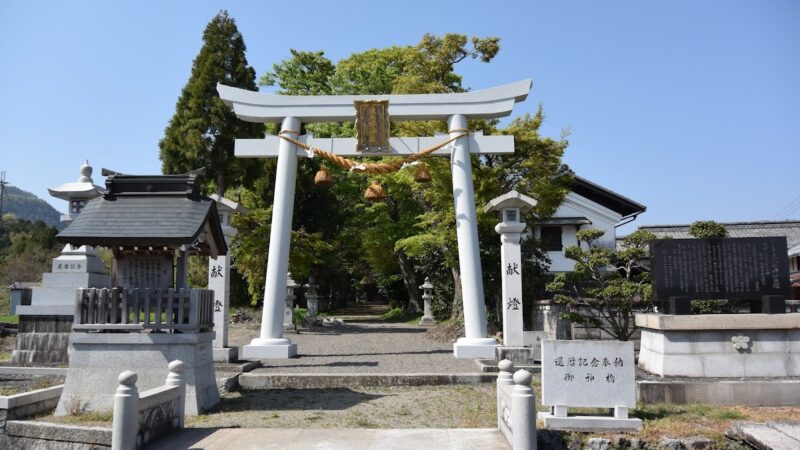
- Bow before passing through the torii gate: This is a courtesy when entering the sacred area.
- Walk along the edge of the path: The center is considered the path of the gods.
- Purify your body and mind at the water basin: Purify your left hand, right hand, and mouth in that order.
- Worship at the main hall: Two bows, two claps, and one bow are the basic rituals.
- Visit the subsidiary shrines: If you have time, visit the subsidiary shrines as well.
Photography
Photography is generally permitted on the shrine grounds, but there are areas where photography is prohibited, such as inside the main hall. Also, please be considerate of other visitors and avoid causing any inconvenience.
Dress Code
While there are no specific dress code requirements, it is desirable to dress appropriately for a sacred place. Formal attire is recommended when attending special events such as festivals.
Summary of Zeze Shrine’s Charms
Zeze Shrine is a venerable shrine with a long history dating back to ancient times, dedicated to Toyouke-hime no Mikoto, the goddess of food. It boasts the main gate of Zeze Castle’s Honmaru Otemon (main gate), a nationally designated Important Cultural Property, allowing visitors to experience historically valuable cultural assets up close.
Beginning with Emperor Tenji’s relocation of the capital to Otsu Palace, the shrine has a multifaceted appeal, having attracted the reverence of powerful figures such as Toyotomi Hideyoshi and Tokugawa Ieyasu, its deep connection to Zeze Castle, and its role as a center of local faith that continues to this day.
Despite its convenient location just a 5-minute walk from Keihan Zeze-Honmachi Station, it maintains a quiet and peaceful atmosphere, making it an ideal spot for historical walks and collecting Goshuin (shrine stamps).
Visiting Zeze Shrine in conjunction with other nearby attractions such as the beautiful scenery along Lake Biwa, Zeze Castle Ruins Park, and the Otsu City Museum of History will allow you to enjoy a more fulfilling Otsu sightseeing experience.
When you visit Shiga Prefecture, we highly recommend visiting Zeze Shrine and offering a peaceful prayer in this sacred place steeped in over a thousand years of history.