Ten’eki Shrine (Tahara, Kokura Minami-ku, Kitakyushu City, Fukuoka Prefecture) Complete Guide | History, Deities, and Access Information
Ten’eki Shrine, located in Tahara, Kokura Minami-ku, Kitakyushu City, Fukuoka Prefecture, is a historic shrine that has been revered by the local people since ancient times for its divine power to ward off epidemics. Quietly nestled in the heart of Tahara, this shrine has been a place of worship since the Heian period and continues to attract many visitors today. This article comprehensively introduces all the information you need to know before visiting Ten’eki Shrine, including its detailed history, enshrined deities, highlights within the grounds, and access methods.
Basic Information on Ten’eki Shrine
Ten’eki Shrine is located at 3-13-2 Tahara, Kokura Minami-ku, Kitakyushu City, approximately 800 meters southwest of Shimosone Station on the JR Nippo Main Line. The coordinates are 130 degrees 56 minutes 03.51 seconds East longitude and 33 degrees 49 minutes 21.54 seconds North latitude. Despite being located in a residential area of Tahara, the shrine maintains a tranquil and well-maintained grounds.
Location and Contact Information
- Location: 3-13-2 Tahara, Kokuraminami-ku, Kitakyushu City, Fukuoka Prefecture 800-0226
- Nearest Station: Shimosone Station, JR Nippo Main Line (approximately 10-minute walk)
- Parking: Available (space for visitors near the shrine grounds)
- Visiting Hours: Open all day (prior contact required for shrine office inquiries)
History and Origins of Ten’eki Shrine
Two legends surround the founding of Ten’eki Shrine, both sharing the common theme of warding off epidemics.
Founding Legend from the Heian Period
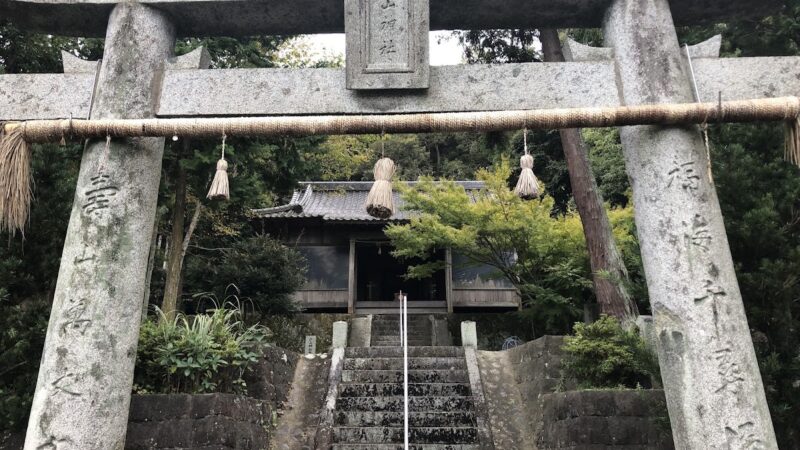
According to the first legend, during the Engi era (around 900 AD) in the reign of Emperor Daigo, a severe drought struck the region, accompanied by an epidemic. The distressed villagers consulted with each other and, after inviting the gods to the summit of Takatsuki Mountain (where the Ten’eki Shrine is currently located) and praying, the epidemic subsided. Due to this miraculous event, the shrine became a place of deep faith for people throughout northern Kyushu, known as the Shrine of Evil.
Founding Theory by the Fujiwara Hidesato Family
Another legend dates back to the Tenkei era (938-947 AD). When Tahara Kotoji Hidemasa, the third son of Fujiwara Hidesato who suppressed the rebellion of Taira no Masakado, was appointed as the Deputy Governor of Buzen Province, the villagers were suffering from an epidemic. In a dream, Ōkuninushi-no-Mikoto and Kotoshironushi-no-Mikoto appeared to Hidemasa and gave him a divine oracle instructing him to enshrine them. It is said that when Hidemasa followed the oracle and built a shrine, the plague subsided.
According to this legend, the place name Tahara is also believed to originate from the “Tahara clan,” a branch of the Fujiwara no Hidesato family, and Ten’eki Shrine is positioned as a shrine deeply connected to the development of the Tahara area.
Reconstruction of the Shrine Building in the Edo Period
In 1632 (Kanei 9), after the Ogasawara clan entered Buzen Province, they reconstructed the shrine building due to the powerful divine virtues of this ancient shrine, and it received the reverence of the feudal lord. It is believed that the foundation of the current shrine was laid during this period.
About the Enshrined Deity
Many people might imagine Susanoo-no-Mikoto as the enshrined deity of Ten’eki Shrine, given the shrine’s name. While Susanoo-no-Mikoto is widely known as the god who wards off epidemics, according to the Fukuoka Prefecture Shrine Register, the deities enshrined at Ten’eki Shrine are the following two:
Ōnamuchi-no-Mikoto
Another name for Ōkuninushi-no-Mikoto, affectionately known as “Daikoku-sama.” He is worshipped as the god of nation-building, agriculture, and medicine, and is especially believed to have divine power to heal illnesses.
Sukunahikona-no-Mikoto
A god who worked with Ōnamuchi-no-Mikoto in nation-building, he is known as the god of medicine, hot springs, and incantations. He is sometimes identified with Kotoshironushi-no-Mikoto and is also worshipped as “Ebisu-sama” for business prosperity.
These two gods are depicted in the Kojiki and Nihon Shoki as gods who cooperated to develop the land and bestowed medical and agricultural techniques upon the people. The history of Ten’eki Shrine, which is dedicated to warding off epidemics, and the nature of the enshrined deity, who is a god of medicine and healing, are perfectly aligned.
Highlights of the Shrine Grounds
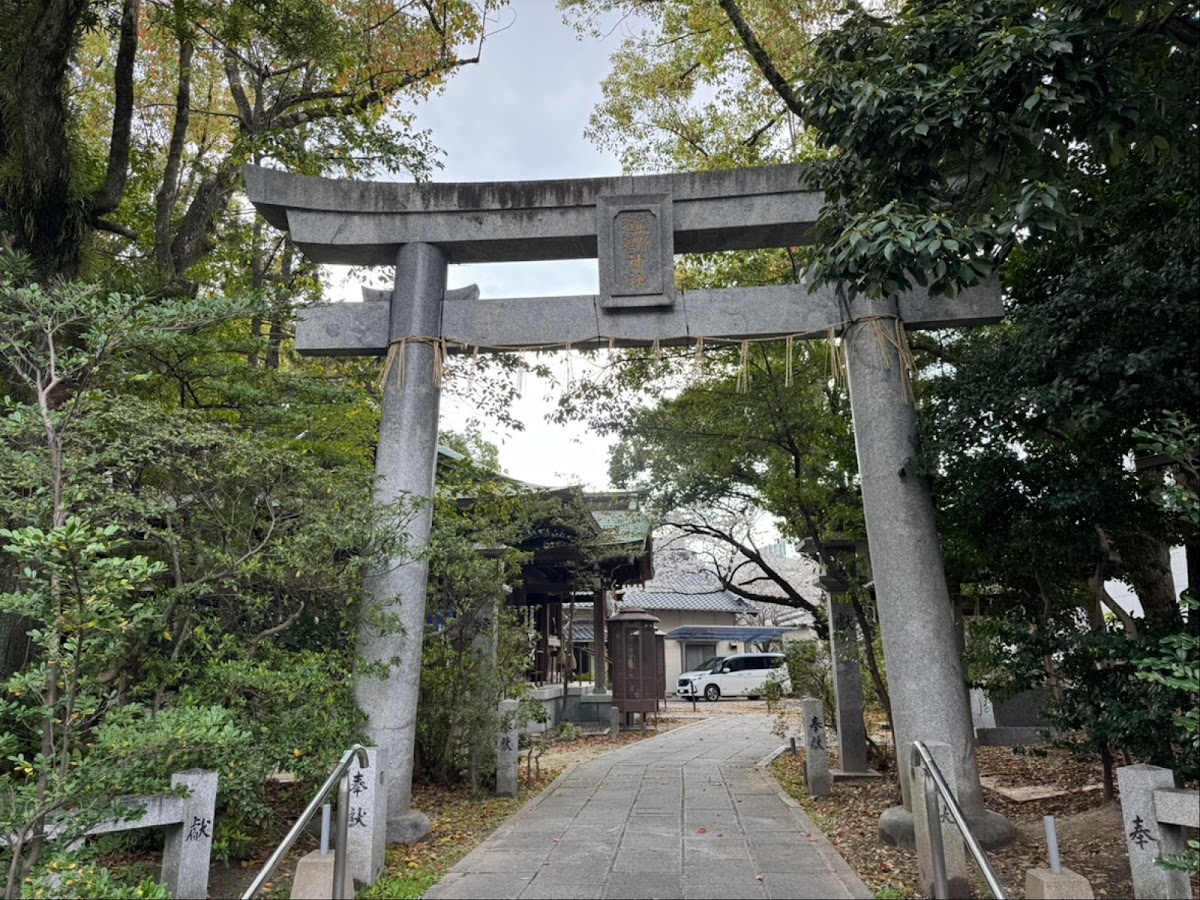
The grounds of Ten’eki Shrine are meticulously clean, giving visitors a refreshing impression. Despite being located in a residential area, it maintains a tranquil atmosphere befitting a sacred place.
Shrine Architecture
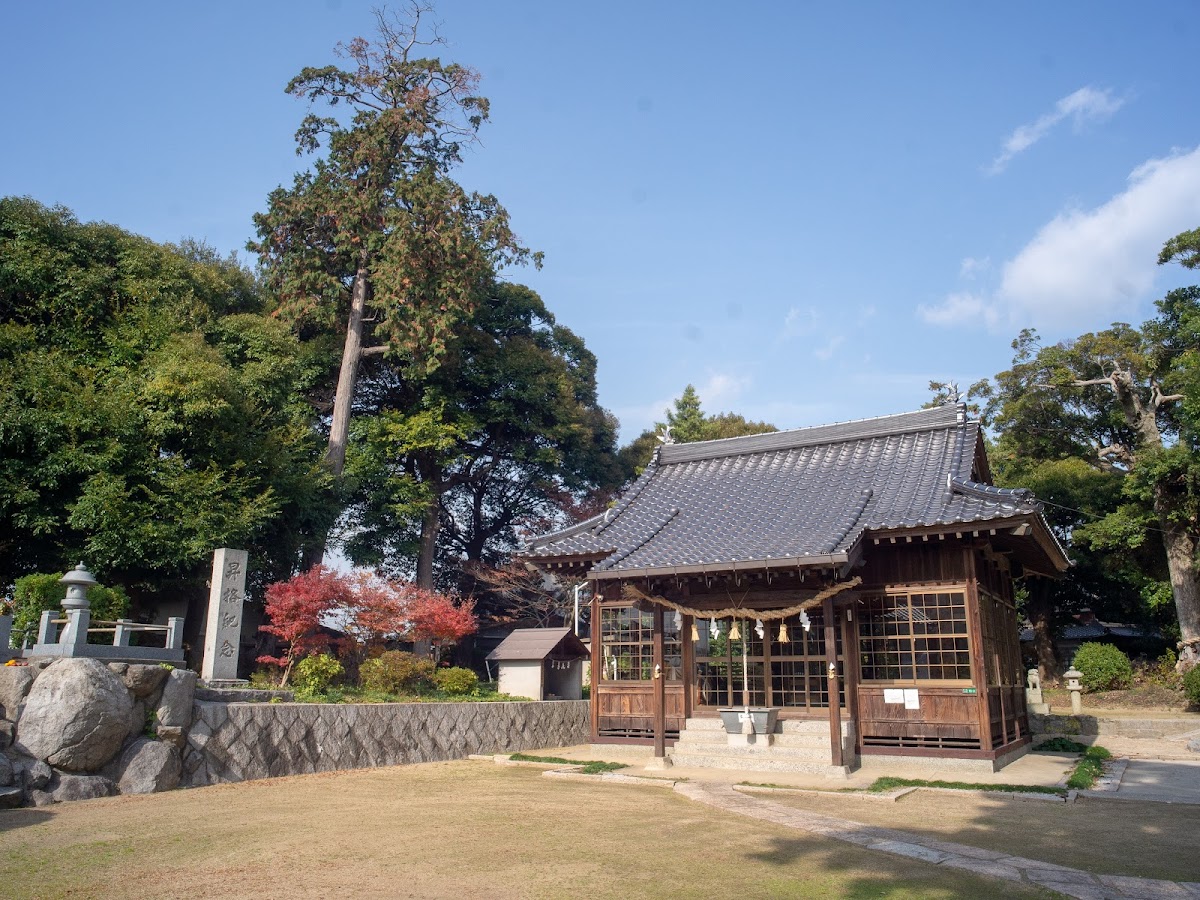
The Haiden (worship hall) is the face of the shrine, welcoming visitors and preserving traditional shrine architectural styles. The wooden structure exudes a sense of aged elegance, yet is kept in excellent condition thanks to careful maintenance by local residents.
The Honden (main sanctuary) is located behind the Haiden and is the most sacred place where the enshrined deity resides. The architectural style and decorations of the Honden are thought to retain features from the Edo period renovations.
Sacred Tree and Nature of the Shrine Grounds
A large ginkgo tree stands tall on the shrine grounds as a sacred tree. Ginkgo trees are symbols of longevity and are also known as trees that ward off fire. While the exact age of the tree is unknown, its majestic presence speaks to the long history of the shrine.
Small shrines surround the main hall, reflecting the diversity of local beliefs.
Komainu and Water Basin
Within the shrine grounds, two guardian lion-dogs (Komainu) – one with an open mouth and the other with a closed mouth – welcome visitors. The stone statues show signs of weathering over time, but their expressions possess both strength and approachability.
At the water basin, visitors can purify themselves before praying. The stone basin is maintained as a place of purification according to traditional customs.
Faith and Divine Virtues of Ten’eki Shrine
As its name suggests, Ten’eki Shrine’s primary divine virtue is the eradication of epidemics. Even today, many visitors come seeking the following blessings:
Protection from Epidemics and Recovery from Illness
Due to its founding history, protection from epidemics and recovery from illness are the most important divine virtues of Ten’eki Shrine. Since the COVID-19 pandemic, this divine virtue has once again attracted attention.
Health and Longevity
Many visitors come to pray for health and longevity, stemming from faith in the enshrined deity, the god of medicine. Elderly people, in particular, pray for their daily health.
Abundant Harvests and Industrial Development
From the faith in Ōkuninushi-no-Mikoto, the god of nation-building, the shrine also carries on the tradition of praying for bountiful harvests and the development of local industries.
Business Prosperity
Since Sukunahikona-no-Mikoto is worshipped as “Ebisu-sama,” the shrine is also expected to bring business prosperity.
About Goshuin (Shrine Seals)
Goshuin (shrine seals) are available at Ten’eki Shrine, but since there are no resident priests, prior contact is recommended.
How to Obtain a Goshuin (Shrine Stamp)
- Advance Contact: Call the phone number posted at the shrine office and inform them of your planned visit.
- On the Day of Visit: Visit at the agreed time and receive your Goshuin after your visit.
- Offering Fee: Prepare the typical amount (around 300-500 yen).
According to visitor experiences, a woman will promptly answer the phone and carefully write your Goshuin. While they may be able to accommodate walk-in visits, advance contact is recommended to ensure you receive a Goshuin.
Access Information
Ten’eki Shrine is accessible by both public transport and car.
Access by Train
Walking distance from JR Nippo Main Line “Shimosone Station”
- Approximately 800 meters southwest from the south exit of Shimosone Station
- Approximately 10-15 minutes on foot
- Located in a residential area of Tahara
The route from the station is relatively flat and goes through a residential area, so if you get lost, ask a local for directions; they will kindly assist you.
Access by Car
Using the Kitakyushu Urban Expressway
- Approximately 15 minutes from the Higashi-Kyushu Expressway “Kanda-Kitakyushu Airport IC”
- Approximately 10 minutes from the Kitakyushu Urban Expressway “Otani IC”
From National Route 10
- From the “Shimosone” intersection on National Route 10, head towards Tahara
- Navigation is recommended as you will be driving along narrow residential roads.
Parking Information
There is parking space for visitors near the shrine grounds, but the number of spaces is limited, so please be careful if you are visiting with multiple vehicles. Since it’s located in a residential area, please avoid street parking and be considerate of nearby residents.
Nearby Attractions
Around Ten’eki Shrine, there are several spots where you can experience the history and culture of Kokura Minami Ward, Kitakyushu City.
History of the Tahara District
The Tahara district is said to be the land associated with the Tahara clan, a branch of the Fujiwara Hidesato family, and has been developed since ancient times. The landscape, with its remaining rice paddies and streams, still conveys the atmosphere of a former farming village.
Around Shimosone
The area around Shimosone Station has many commercial facilities and restaurants, allowing you to enjoy meals and shopping before or after visiting the shrine.
Other Shrines and Temples
Kokura Minami Ward, Kitakyushu City, has many other shrines and temples, allowing you to enjoy a shrine pilgrimage. Visiting them in conjunction with Ten’eki Shrine will give you a deeper understanding of the history of faith in this region.
Manners and Precautions for Visiting
When visiting Ten’eki Shrine, please observe the following manners and precautions.
Basic Worship Etiquette
- Bow at the Torii Gate: Bow at the torii gate before entering the shrine grounds.
- Watering Rituals: Cleanse your hands at the water basin in the order of left hand, right hand, and mouth.
- Worship Rituals: Perform “two bows, two claps, and one bow” in front of the main hall.
- Behavior within the Shrine Grounds: Worship quietly and with reverence.
Considerations in a Residential Area
Ten’eki Shrine is located in a residential area, so please pay particular attention to the following points:
- Noise: Avoid loud conversations and noise.
- Parking: Do not park on the street; park in the designated area.
- Private Property: Do not trespass on surrounding private property.
- Litter: Always take your trash with you.
Photography
Photography is generally permitted within the shrine grounds, but please refrain from taking pictures inside the main hall or in sacred areas. Also, please be considerate and avoid including other worshippers in your photos.
Annual Events at Ten’eki Shrine
At Ten’eki Shrine, various Shinto rituals are performed throughout the year by local parishioners. For detailed schedules, it is recommended to inquire with the shrine in advance.
Annual Grand Festival
At the annual Grand Festival, local people gather to express gratitude for the shrine’s divine blessings and pray for the prosperity of the community.
Monthly Festivals
At the monthly festivals, prayers are offered for daily peace and good health.
New Year’s Visit
At the start of the new year, many worshippers visit the shrine for their first shrine visit of the year, praying for health and happiness throughout the year. Ten’eki Shrine, with its divine power to ward off epidemics, is particularly popular among those praying for good health.
Ten’eki Shrine and Modern Faith
Since the global pandemic of COVID-19, interest in shrines with the divine power to ward off epidemics has increased. Ten’eki Shrine is no exception; the ancient belief in warding off epidemics has taken on new meaning in modern times.
A History of Facing Epidemics
Human history is also a history of battling epidemics. As the founding legend of Ten’eki Shrine shows, epidemics spread throughout Japan from the Heian period onward, and people offered prayers to gods and Buddhas. Even in modern times, with the advancement of medicine, anxiety about epidemics has not disappeared; rather, it threatens us in new ways.
The Bonds of the Local Community
Ten’eki Shrine is more than just a religious facility for the people of the Tahara district. The bonds of the local community centered around the shrine have been a source of support for people during difficult times such as disasters and epidemics. The well-maintained shrine grounds are a testament to the affection and pride that the local people have for the shrine.
A Bridge Between Tradition and Modernity
With a history of over a thousand years, Ten’eki Shrine also plays a role as a bridge connecting tradition and modernity. By preserving ancient beliefs while serving as a spiritual anchor for modern people, shrines continue to exist as living cultural heritage.
Summary: The Significance of Visiting Ten’eki Shrine
Ten’eki Shrine, located in Tahara, Kokuraminami-ku, Kitakyushu City, Fukuoka Prefecture, has attracted the faith of people from the Heian period to the present day through the universal theme of warding off epidemics. It enshrines Ōkuninushi-no-Mikoto and Sukunahikona-no-Mikoto, gods of medicine and healing, and continues to transmit their divine virtues to the present day, protected by the local community.
The shrine grounds, quietly nestled in the heart of Tahara, are open to many as a place to escape the hustle and bustle of daily life, to find peace of mind, and to pray for health and peace. Its easy accessibility, within walking distance of JR Shimosone Station, is another attractive feature that makes it easy to visit.
While prior contact is recommended when receiving a Goshuin (shrine stamp), this also serves as an opportunity for a spiritual connection with the shrine. Because the shrine is located in a residential area, it is important to be considerate of those around you and to worship quietly.
Whether you’re praying for protection from disease, recovery from illness, or longevity, or simply interested in the history and culture of Kitakyushu, or just looking to find peace of mind in a quiet shrine, Ten’eki Shrine is well worth a visit. Why not experience the weight of the faith that our ancestors have preserved and passed down through generations at this ancient shrine with over a thousand years of history?