Complete Guide to Shohachiman Shrine (Kitakyushu City, Fukuoka Prefecture) | The Legend of the Bell Stone, Goshuin (Shrine Seal), and Access Information
Shohachiman Shrine, located in Nakanuki Honmachi, Kokura Minami-ku, Kitakyushu City, Fukuoka Prefecture, is a historic shrine with a history dating back to the early Heian period. The “Bell Stone,” where a portable shrine carrying a divided spirit of Usa Jingu Shrine is said to have stayed overnight, remains on the shrine grounds and continues to attract the faith of the local community. This article provides a detailed introduction to Shohachiman Shrine, including its history, enshrined deities, points of interest on the grounds, goshuin information, and access methods.
History and Origins of Shohachiman Shrine
Origin of Founding and the Legend of the Bell Stone
The founding of Shohachiman Shrine dates back to the early Heian period. The story begins in 859 (Jōgan 1), when a divided spirit of Usa Hachiman Shrine (present-day Usa Jingu Shrine) was carried in a portable shrine from Usa to Otokoyama in Yamashiro Province, Kyoto (later Iwashimizu Hachiman Shrine).
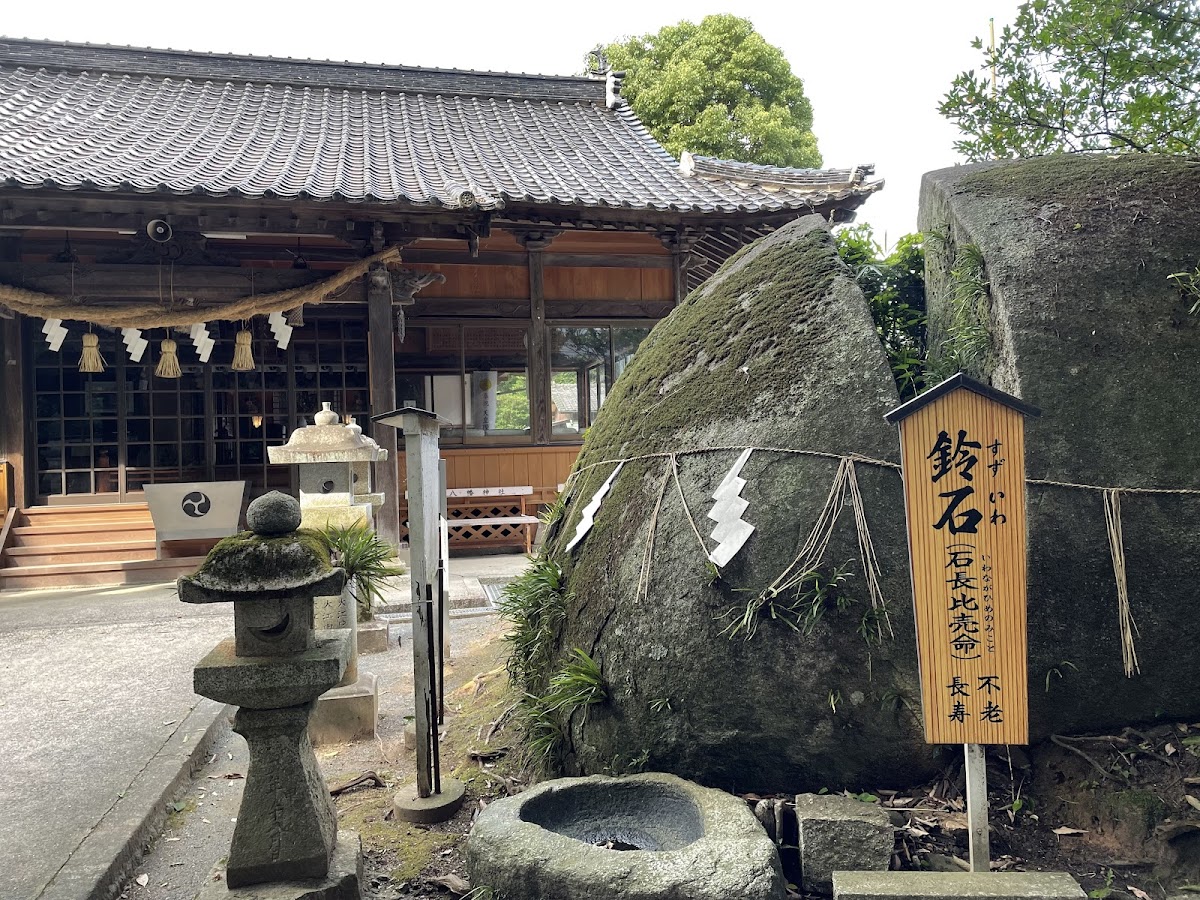
As the portable shrine passed through Nuki-no-shō (present-day Nakanuki district), it stopped overnight on a large rock called “Suzuishi” (bell stone). This Suzuishi is a massive rock split in the middle, and because the portable shrine stopped there, it came to be revered as a sacred rock with miraculous powers.
Later, in 883 (Genkei 7), a shrine building was constructed, and it was initially founded as “Suzuishi Hachiman Shrine.” Because this area was a Fujiwara clan estate, it was later renamed “Shō Hachiman Shrine,” and remains so to this day.
Deep Connection to Usa Shrine
Sho Hachiman Shrine, as a shrine enshrining a divided spirit of Usa Shrine, is an important historical site that tells the story of the spread of Hachiman worship in Kyushu. The procession of the portable shrine in the first year of the Jogan era (864 AD) was a historical turning point in the spread of Hachiman worship from Kyushu to the Kinai region (central Japan), and Sho Hachiman Shrine occupies a special position as a transit point.
Deities and Blessings
Main Deities
The deities enshrined at Sho Hachiman Shrine are the same as those enshrined at Usa Shrine.
Emperor Ojin
The 15th Emperor, widely worshipped as Hachiman-sama. He is revered as the god of military fortune, national peace and security, and industrial development.
Empress Jingu
Emperor Ojin’s mother, known as the goddess of safe childbirth, child-rearing, and safe voyages. She is also famous for the legend of the conquest of the Three Kingdoms of Korea.
The Munakata Three Goddesses
These three goddesses—Tagorihime-no-kami, Tagitsuhime-no-kami, and Ichikishimahime-no-kami—are worshipped as deities of maritime safety, traffic safety, and financial prosperity.
Expected Benefits
- Long-lasting Military Fortune & Good Luck in Competitions: Through the divine virtues of Emperor Ojin, good fortune in sports, exams, and other competitive endeavors.
- Safe Childbirth & Child-rearing: Prayers for safe childbirth and the healthy growth of children through the protection of Empress Jingu.
- Traffic Safety: Safe travels through the divine virtues of the Munakata Three Goddesses.
- Protection from Misfortune & Good Fortune: Protection from disaster and improved luck through the spiritual power of the Suzuishi (bell stone).
- Business Prosperity: The divine virtues of Hachiman-sama for the promotion of industry.
Highlights of the Shrine Grounds
Suzuishi (Ittoseki)
The greatest highlight of Sho Hachiman Shrine is the “Suzuishi” (bell stone) located within the shrine grounds. This massive rock, split cleanly down the middle, is also known as “Ittoseki” (one-sword stone) due to the appearance of its split. This large rock, several meters tall, is considered a sacred rock where a portable shrine is said to have stayed overnight in the first year of the Jogan era (868 AD), and continues to attract the faith of many worshippers. There are several theories about the origin of the name Suzuishi (Bell Stone), but one legend says that a divine bell sound rang out when the portable shrine stopped, and another says that the stone makes a bell-like sound when struck. In recent years, it has also attracted attention as a pilgrimage site for the anime “Kotonoha Amaryllis,” and the number of young visitors has increased.
Shrine and Worship Hall
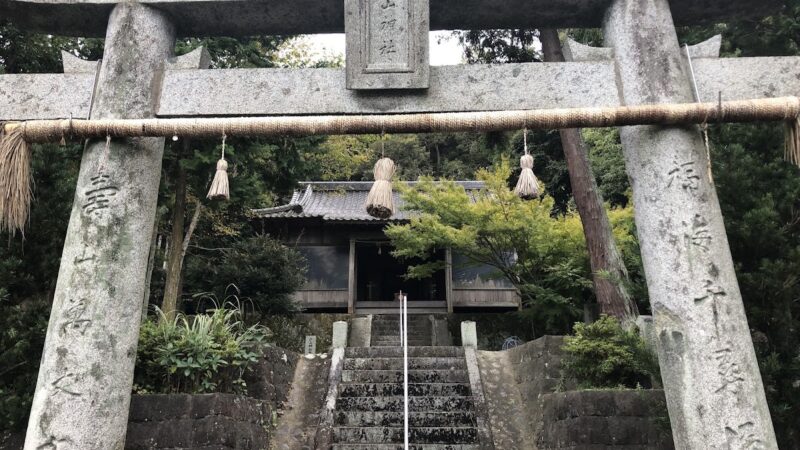
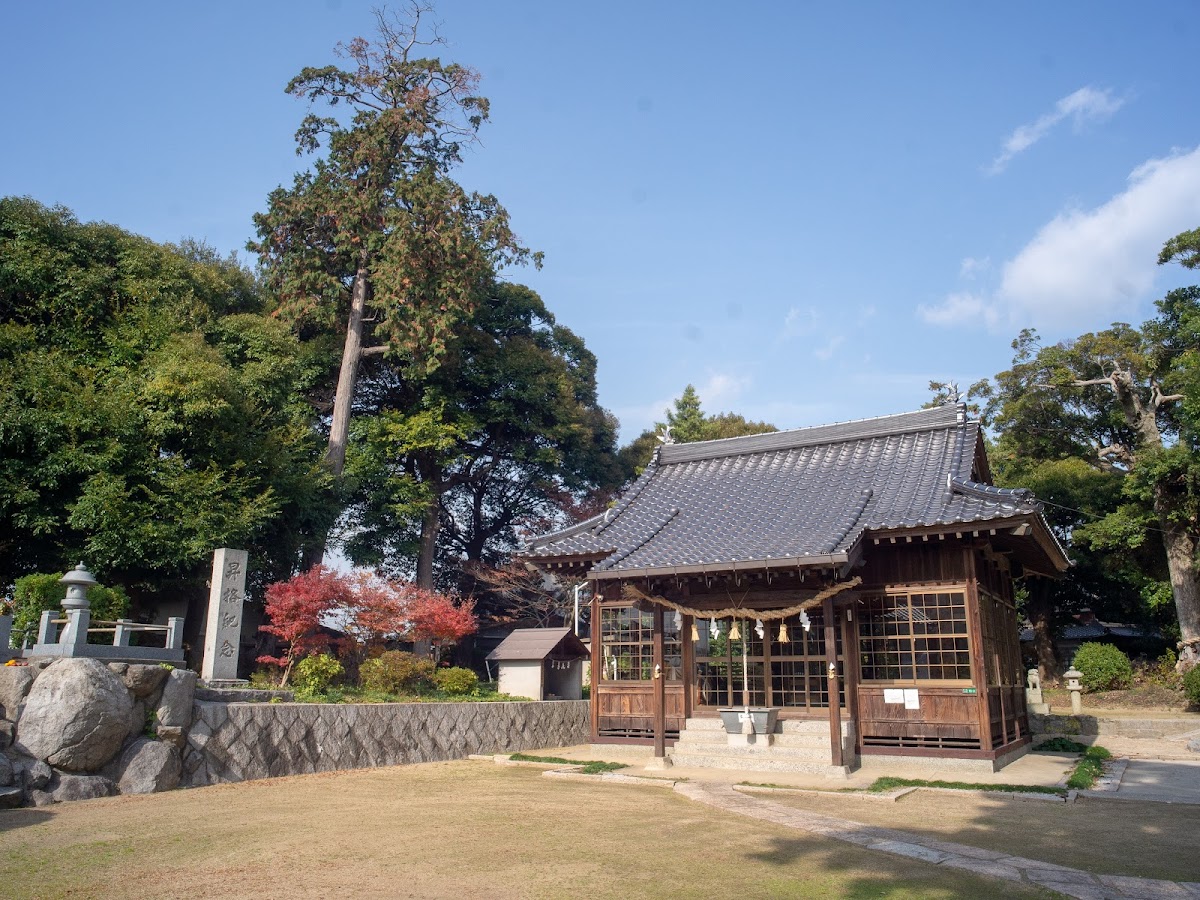
The shrine of Shohachiman Shrine is located at the foot of Kanmiyayama Mountain, exuding a solemn atmosphere surrounded by a quiet forest. The worship hall is a traditional wooden building and is carefully maintained. The main hall is similarly dignified in its construction, giving off a sense of long history.
Komainu (Guardian Dogs)
Several guardian dog statues are placed on the shrine grounds. There are guardian dogs along the approach to the shrine and in front of the main hall, each paired with an A-form (open mouth) and an Un-form (closed mouth). The stone guardian lion-dogs have gained gravitas over the years, watching over worshippers as the guardian deities of the shrine.
Shrines within the Precincts
Wakamiya Shrine
Located to the right of the main shrine building, the Wakamiya Shrine is a subsidiary shrine dedicated to the son of Emperor Ojin. It is believed to bring blessings of prosperity for descendants and family fortune.
Inari Shrine
An Inari Shrine is also enshrined within the grounds, attracting worshippers praying for a bountiful harvest and business prosperity. Its distinctive feature is the vermilion torii gate.
Stone Monument to Sarutahiko-no-Okami
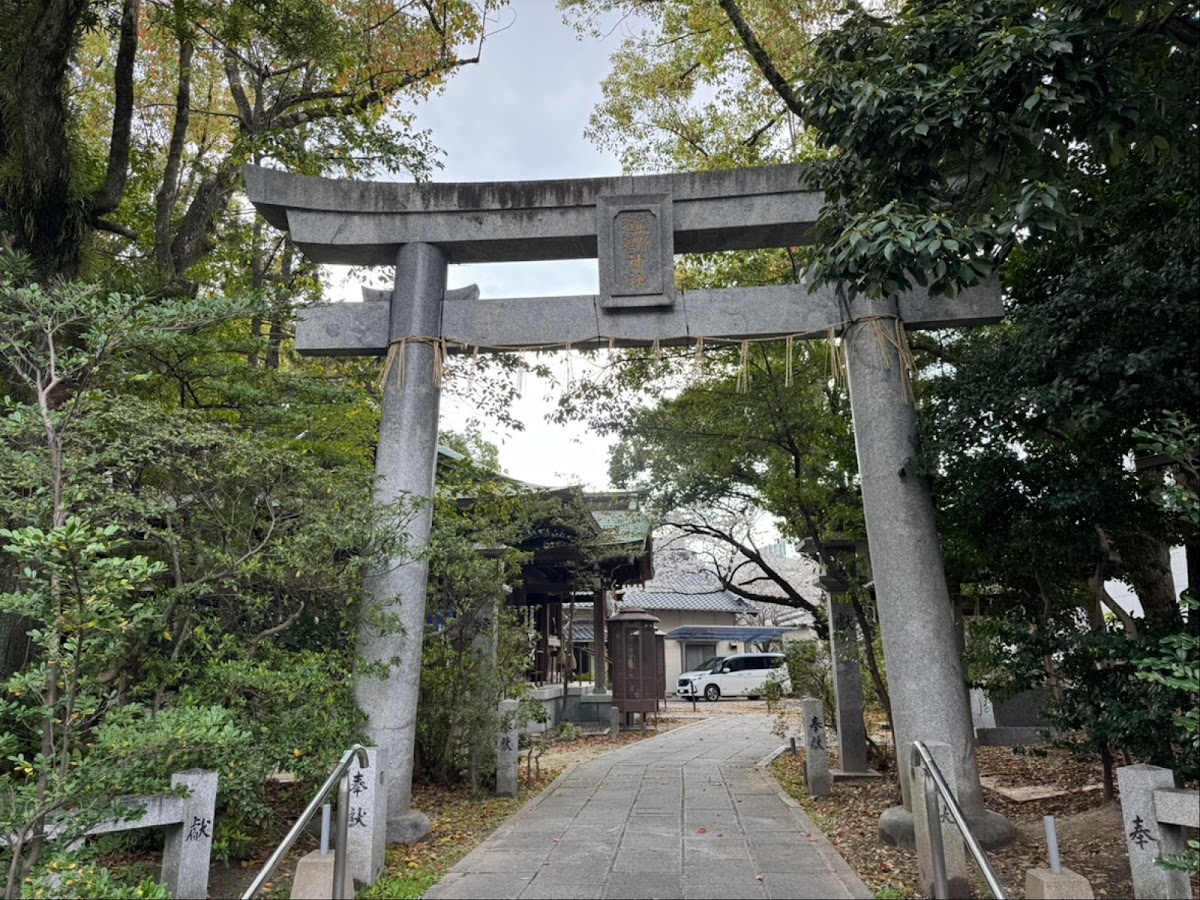
Near the first torii gate stands a stone monument to Sarutahiko-no-Okami. Sarutahiko-no-Okami is known as the god of opening paths, and is worshipped as a deity who opens the way in life and guides people toward a better future.
Water Basin
As you proceed along the approach to the shrine, you will find a water basin where you can purify your body and mind before worship. Cleanse your hands and mouth with pure water, preparing to pay your respects to the gods.
Goshuin (Shrine Seal) Information
About the Issuance of Goshuin
Goshuin are available at Shohachiman Shrine. The goshuin features the calligraphy of “Shohachiman Shrine” and the shrine’s seal, and is a popular memento of your visit.
When requesting a goshuin, first complete your prayers at the main hall, then speak to the shrine office staff. Bringing your own goshuin book is common, but pre-printed goshuin may also be available.
Offering Fee
The offering fee for a goshuin is generally around 300 to 500 yen. It’s best to prepare small change to avoid needing change.
Notes on Issuance Hours
Because Shohachiman Shrine may not always have a resident priest, the hours for issuing goshuin may be limited. If you definitely want to receive a Goshuin (temple/shrine stamp), it is recommended to call ahead to confirm or visit on a festival day or weekend.
Annual Events and Festivals
Grand Festival
The Grand Festival of Shohachiman Shrine is held as an important annual event in the region. Traditional Shinto rituals such as the portable shrine procession and Kagura (sacred dance) performances are held, attracting many parishioners and worshippers.
New Year’s Visit
At the start of the new year, worshippers visit for their first shrine visit of the year, praying for safety and well-being for their families throughout the year. From New Year’s Day to the third day, local residents can be seen visiting to offer New Year’s greetings.
Other Festivals
Seasonal festivals such as the Spring Festival and Autumn Festival are also held. As a shrine deeply rooted in the community, it continues to uphold its long-standing traditions.
Access and Parking Information
Basic Information
Location
3 Nakanuki Honmachi, Kokuraminami-ku, Kitakyushu City, Fukuoka Prefecture 800-0235
Phone Number
If prior confirmation is necessary, please contact the local tourist information center or the Kitakyushu City shrine-related office.
Access by Public Transportation
Using the JR Nippo Main Line
- Approximately 27 minutes on foot from Shimosone Station (approx. 2.2 km)
- Approximately 29 minutes on foot from Kuchiami Station (approx. 2.3 km)
Using the Bus
- Approximately 4 minutes on foot from the “Sho Hachimangu-mae” bus stop (approx. 300 m)
- Please use Nishitetsu bus routes.
Access by bus is the most convenient, and the shrine is within walking distance from the bus stop.
Access by Car
Using the Kitakyushu Urban Expressway
- Approximately 15-20 minutes from “Otani IC” or “Higashiko IC”
Using National Route 10
- Head south on National Route 10 from Kokura towards the Nakanuki area
Parking
There is parking space for visitors on the shrine grounds or nearby, but the number of spaces may be limited. During festivals and the New Year’s period, congestion is expected, so we recommend using public transportation.
Nearby Tourist Attractions
Sone Tidal Flat
Located about 10 minutes by car from Shohachiman Shrine, Sone Tidal Flat is a nature-rich spot known as a stopover point for migratory birds. Many wild birds can be observed in spring and autumn.
Hiraodai
A representative karst plateau of Kitakyushu City, located about 30 minutes by car from Shohachiman Shrine. The vast grasslands and limestone landscape are beautiful, making it ideal for hiking and nature walks.
Kokura Castle
Located in the heart of Kitakyushu City, Kokura Castle is a famous castle built by Hosokawa Tadaoki. Approximately 25 minutes by car from Shohachiman Shrine, it’s a must-see tourist spot for history buffs.
Manners and Points for Visiting a Shrine
Etiquette for Visiting a Shrine
- Bow before passing through the torii gate: This is a courtesy before entering the sacred area.
- Walk along the edge of the path: The center is considered the path of the gods.
- Purify yourself at the water basin: Purify your left hand, right hand, and mouth in that order.
- Two bows, two claps, one bow: This is the basic etiquette for visiting a shrine.
Photography
Photography is generally permitted on the shrine grounds, but please refrain from taking pictures inside the main hall or during religious ceremonies. The bell stone is a popular photo spot, but please be considerate of other visitors.
Attire
Unless it’s a special festival, everyday clothing is acceptable for visiting the shrine. However, please avoid revealing or overly flashy clothing to show respect to the deities.
The Charm of Sho Hachiman Shrine
A Sacred Site Evokeing Historical Romance
Sho Hachiman Shrine, with a history of over 1200 years dating back to the Heian period, is a valuable historical site that tells the story of the spread of Hachiman faith in Japan. The bell stone remaining here, a stopover point in the historical event of the portable shrine’s journey from Usa Shrine to Iwashimizu Hachiman Shrine, conveys the mystical events of that time across the ages.
A Shrine Enveloped in Silence
Despite its proximity to the city, the shrine grounds are surrounded by lush greenery, creating a tranquil atmosphere. This space, where one can escape the hustle and bustle of everyday life and pray in peace, is a precious place of healing for modern people.
A Faith Rooted in the Community
Sho Hachiman Shrine has been protected for many years as the center of faith for the residents of the Nakanuki district and surrounding areas. It also plays a role in deepening community bonds through local festivals and annual events.
As a Pilgrimage Spot
In recent years, it has attracted attention as the setting for the anime “Kotonoha Amaryllis,” and has become increasingly popular as a pilgrimage destination. The Ittoseki (Suzuishi) is an important motif that appears in the work, making it a place of special significance for fans.
Summary
The Shohachiman Shrine, located in Kokura Minami-ku, Kitakyushu City, Fukuoka Prefecture, is a historic shrine dating back to the early Heian period, and is a historically important sacred site enshrining a divided spirit of Usa Jingu Shrine. The Suzuishi (Ittoseki) located within the shrine grounds is a sacred rock formation with a legend that a portable shrine stayed there overnight, and it continues to attract the faith of many worshippers.
The enshrined deities are Emperor Ojin, Empress Jingu, and the Munakata Three Goddesses, and it is believed to offer various blessings, including military success, safe childbirth and child-rearing, traffic safety, and protection from evil and good fortune. The shrine also offers Goshuin (stamped seals), which can be received as a memento of your visit.
Access is convenient, just a 4-minute walk from the “Shohachimangu-mae” bus stop, and within walking distance of Shimosone Station and Kuchiami Station on the JR Nippo Main Line. It’s also accessible by car, and nearby attractions include Sone Tidal Flat and Hiraodai.
Shohachimangu Shrine offers a tranquil setting where you can feel the romance of history and find peace of mind during your visit. When you’re in Kitakyushu, be sure to stop by. You’ll be able to spend a special time at this place of faith that has been passed down for over a thousand years.