Yahata Hachiman Shrine (Nagao, Kokura Minami-ku, Kitakyushu City, Fukuoka Prefecture) Complete Guide | Goshuin (Shrine Seal), History, and Access Information
Yahata Hachiman Shrine, located in Nagao, Kokura Minami-ku, Kitakyushu City, Fukuoka Prefecture, is a historic shrine said to have been founded during the Jogan era of the Heian period. Having received a branch shrine from Iwashimizu Hachiman Shrine, it has been revered as the local guardian deity for over a thousand years. This article provides a detailed guide to Yahata Hachiman Shrine, including its history, enshrined deities, goshuin information, highlights within the shrine grounds, and access methods.
Basic Information about Hachiki Hachiman Shrine
Location: 4-27-5 Nagao, Kokuraminami-ku, Kitakyushu City, Fukuoka Prefecture 803-0274
Phone Number: 093-451-4695
Nearest Station: Approximately 14 minutes on foot from Exit 1 of Tokuriki Arashiyamaguchi Station on the Kitakyushu Monorail
Parking: Available (Parking spaces for visitors are available on the shrine grounds)
Visiting Hours: Grounds are open freely (Shrine office is open irregularly)
Main Deities: Emperor Ojin, Empress Jingu, Munakata Three Goddesses
History and Origins of Hachiki Hachiman Shrine
Founding during the Jogan Era and Invitation from Iwashimizu Hachiman Shrine
Hachiki Hachiman Shrine is believed to have been founded during the Jogan era (859-877). During this period, the shrine was founded after receiving a branch deity from Iwashimizu Hachimangu Shrine, located on Mt. Otokoyama in Kyoto. Iwashimizu Hachimangu Shrine is a historically significant shrine founded in 859 (Jōgan 1) by imperial decree of Emperor Seiwa. Hachihata Hachiman Shrine, as a shrine enshrining a divided spirit of Iwashimizu Hachimangu Shrine, became one of the centers of Hachiman worship in Buzen Province (present-day eastern Fukuoka Prefecture to northern Oita Prefecture).
Pre-Hachiman Shrine Beliefs: Relationship with Takehaya Shrine
Within the grounds of Hachihata Hachiman Shrine, there is a shrine called “Takehaya Shrine,” a ancestral shrine. This Takehaya Shrine enshrines Susanoo-no-Mikoto, indicating that a shrine dedicated to Susanoo-no-Mikoto existed in this area even before it was established as Hachimangu Shrine.
The existence of Takehaya Shrine illustrates the layered nature of the beliefs at Hachihata Hachiman Shrine. Since ancient times, the local people have revered Susanoo-no-Mikoto as their tutelary deity. Later, as Hachiman worship spread, a Hachiman shrine was established, while the original deity continued to be carefully worshipped. This form of worship clearly illustrates the characteristics of syncretism of Shinto and Buddhism and the coexistence of deities in Japanese shrines.
Origin of the Place Name “Yahata”
The place name “Yahata” is thought to originate from the worship of Hachiman-no-Kami. The sound “Yahata” can be written as either “八幡” or “八旗,” and has been used as a place name deeply connected to Hachiman worship since ancient times. The place name Yahata in the Nagao district indicates that this shrine was a central place of worship in the region.
Deities and Divine Virtues
Main Deity
Emperor Ojin
He was the 15th Emperor and is worshipped as the principal deity of Hachiman in Hachiman shrines throughout Japan. Known as a god of military fortune and victory, and also worshipped as a god who brings about the development of culture and industry.
Empress Jingu
The mother of Emperor Ojin, she is a heroic woman known for the legend of her conquest of the Three Kingdoms of Korea. She is revered as a goddess of safe childbirth and child-rearing.
The Three Munakata Goddesses
These are three goddesses: Tagorihime-no-kami, Tagitsuhime-no-kami, and Ichikishimahime-no-kami. Their head shrine is Munakata Taisha in Munakata City, Fukuoka Prefecture, and they are worshipped as guardians of maritime traffic and gods of traffic safety.
Divine Virtues (Benefits)
- Victory and Long-Lasting Military Fortune: Through the divine virtues of Emperor Ōjin, success in competitions and contests.
- Safe Childbirth and Child-Rearing: Through the divine virtues of Empress Jingū, prayers for safe childbirth and the healthy growth of children.
- Traffic Safety: Through the divine virtues of the Munakata Three Goddesses, safety on the road.
- Protection from Misfortune and Good Fortune: Through the divine virtues of Susanoo-no-Mikoto (Takehaya Shrine), protection from disaster and improved luck.
- Family Safety and Business Prosperity: As the local guardian deity, harmony in the family and prosperity in business.
Highlights of the Shrine Grounds
Main Hall, Offering Hall, and Worship Hall
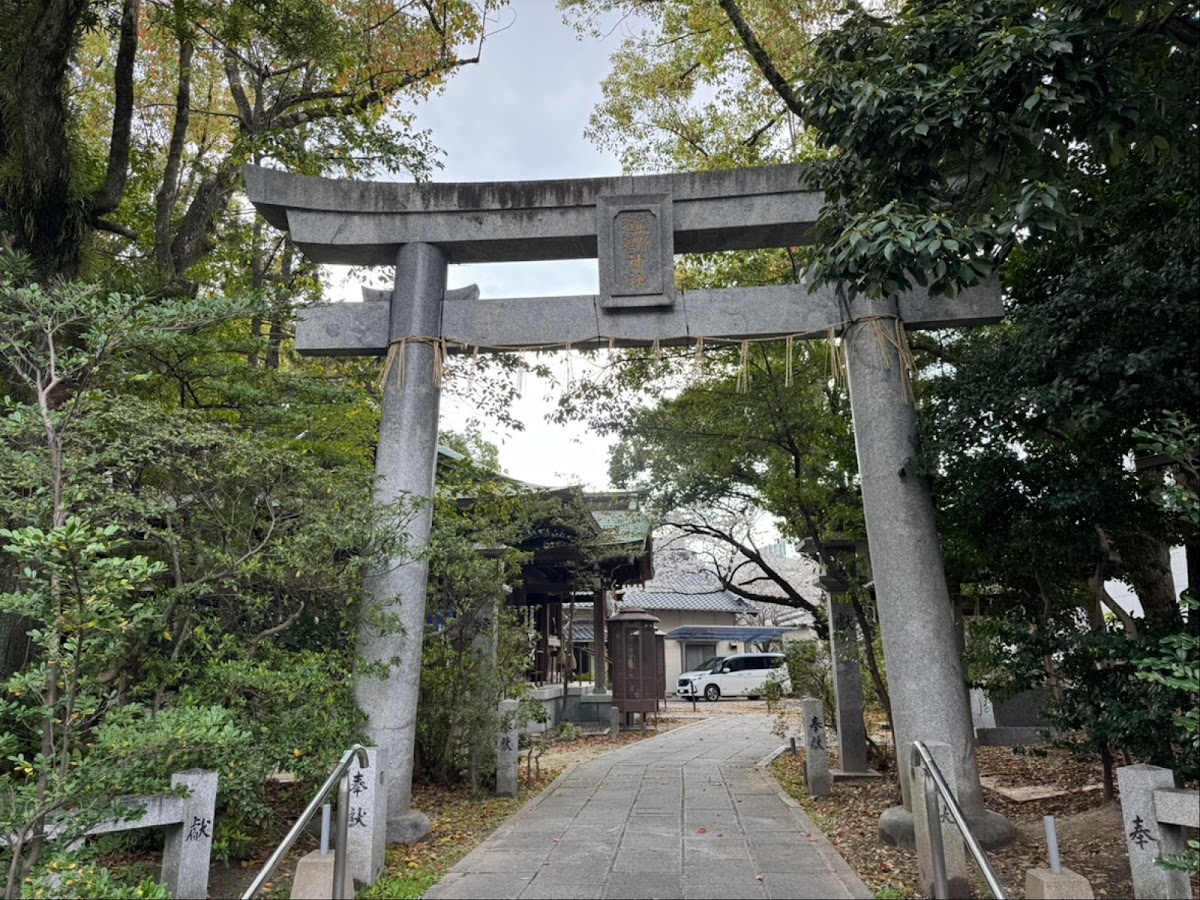
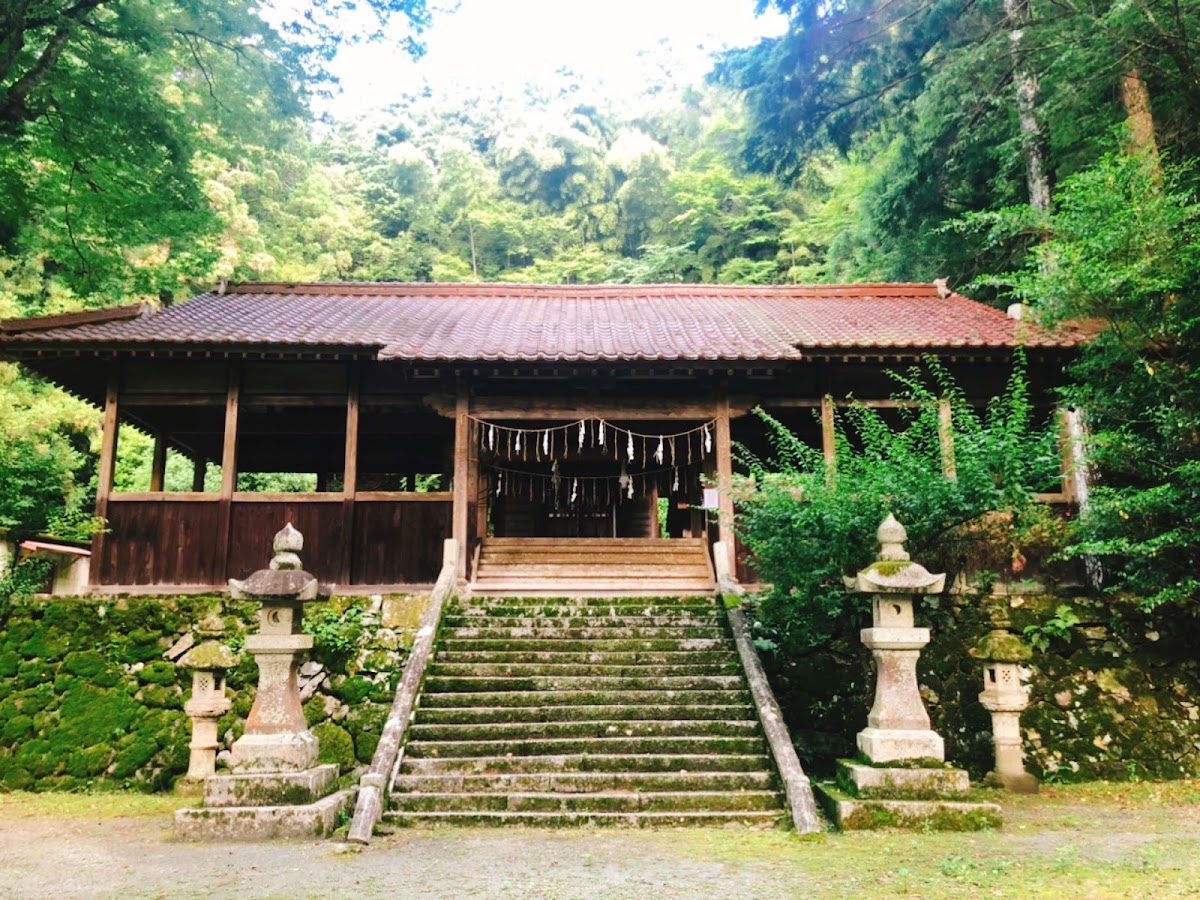
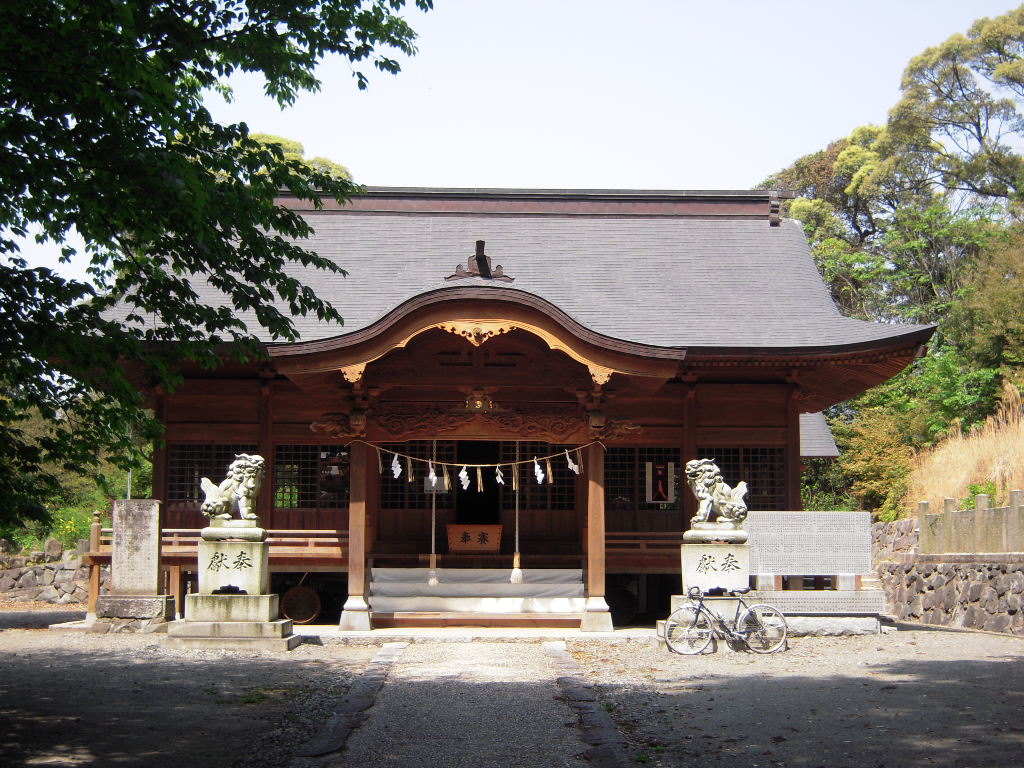
The shrine buildings of Hachiman Shrine are valuable structures that preserve the architectural style of shrines in the former Buzen Province. Recently rebuilt, the beautifully maintained shrine buildings welcome visitors. The shrine adopts the Gongen-zukuri architectural style, with the main hall, offering hall, and worship hall arranged in a row, presenting a dignified and venerable appearance.
The shrine buildings, exuding the warmth of wood, are a fusion of the beauty of traditional shrine architecture and modern construction techniques, creating a refreshing atmosphere.
Takehaya Shrine (Ancestral Shrine)
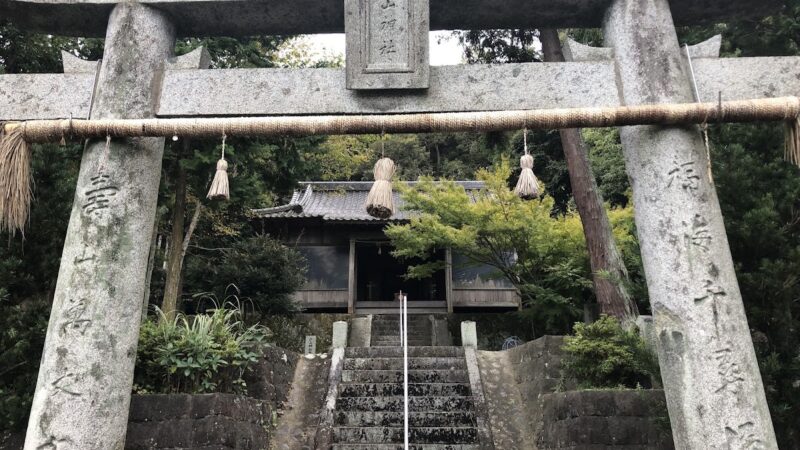
Located within the shrine grounds, the Takehaya Shrine is an important shrine that marks the predecessor of the Hachiki Hachiman Shrine. This small shrine, dedicated to Susanoo-no-Mikoto, speaks to the ancient history of faith in this area.
The name “Takehaya” of the Takehaya Shrine expresses the fierce and powerful divine nature of Susanoo-no-Mikoto, and embodies the belief in protection against misfortune and disaster. By visiting the Takehaya Shrine along with the main hall, you will receive deeper divine blessings.
Atmosphere of the Shrine Grounds
Despite being located in a residential area, the grounds of Hachiman Shrine are enveloped in a tranquil atmosphere. Trees are planted throughout the grounds, allowing visitors to experience the changing seasons. The well-maintained grounds reflect the deep faith of the local community.
About Goshuin (Shrine Seals)
Issuance of Goshuin
Hachiman Shrine offers Goshuin (shrine seals). However, since there is no permanent shrine office, it is recommended to contact the shrine in advance if you wish to receive a Goshuin.
Goshuin Reception: Shrine Office (Irregularly Open)
Offering: Usually around 300-500 yen (Donation is voluntary)
About the Shrine Office
While there is a shrine office on the grounds, it is usually handled at the priest’s home/office. If you wish to receive a Goshuin, it is recommended to contact the shrine in advance by phone (093-451-4695) to confirm their location. For those traveling from afar, prior contact is highly recommended.
Electronic Goshuin (Shrine Seal)
In recent years, the shrine has also offered an electronic goshuin service, allowing visitors to record their visits digitally. This fusion of tradition and modern technology creates an environment where more people can record their visits.
Annual Events and Festivals
Grand Festival
At Hachiman Shrine, the Grand Festival is held every autumn. Local parishioners and devotees gather for a portable shrine procession and offering ceremonies, making it an important annual event in the Nagao district.
New Year’s Visit
At the start of the new year, local residents visit the shrine for their first shrine visit of the year, praying for safety and well-being for their families throughout the year. It is also known as a relatively quiet and secluded spot for New Year’s visits.
Other Events
- Shichi-Go-San Ceremony: Primarily held in November, to give thanks and pray for the growth of children.
- Exorcism Prayer: Prayers for warding off evil for those in their unlucky years.
- Safe Childbirth Prayer: Prayers for safe childbirth through the divine grace of Empress Jingu.
Access
Access by Public Transportation
Using the Kitakyushu Monorail
- Get off at “Tokuriki Arashiyama-guchi Station” on the Kitakyushu Monorail Kokura Line.
- Approximately 14 minutes on foot from Exit 1 (approx. 1.1 km).
- From the station, head south on Prefectural Road 296 (Nagao Kaido) towards the Nagao area.
Using Nishitetsu Bus
- Get off at the nearest bus stop, “Nagao,” and walk for approximately 5 minutes.
- Bus routes are available from Kokura Station.
Access by Car
From the Kitakyushu Urban Expressway
- Approximately 10 minutes from the “Yamaji Interchange” on the Kitakyushu Urban Expressway.
- Take National Route 322 towards Nagao.
From the Kyushu Expressway
- Approximately 15 minutes from the Kyushu Expressway “Kokura Minami IC”
- Via National Route 10 and Prefectural Route 296
Parking
There is parking space for visitors on the shrine grounds. Spaces are limited, and it may be full during festivals.
Landmarks in the Area
Hachihata Hachiman Shrine is located in a residential area. It is close to the center of the Nagao district, and locals will kindly guide you if you ask.
Nearby Attractions and Tourist Spots
History of the Nagao District
The Nagao district is an old settlement that developed as an agricultural area. While residential development is progressing, the rural landscape remains, allowing you to enjoy a peaceful atmosphere.
Nearby Shrines and Temples
There are many other shrines and temples in Kokura Minami Ward, Kitakyushu City, where you can enjoy visiting shrines. A journey tracing the history of local faith, starting from Hachiki Hachiman Shrine, would also be interesting.
Hiraodai
Located about 30 minutes away by car, Hiraodai is a scenic spot known as one of Japan’s three major karst landscapes. Visiting it in conjunction with a visit to Hachiki Hachiman Shrine is highly recommended.
Manners and Points for Visiting a Shrine
Basic Worship Etiquette
- Bow before passing through the torii gate: As a sign of respect before entering the sacred area.
- Purify yourself at the water basin: Purify your left hand, right hand, and mouth in that order.
- Bow twice, clap twice, and bow once in front of the main hall: Basic Shinto etiquette.
- Also visit the Takehaya Shrine: To show respect to the ancestral deity.
Points to Note When Visiting
- The shrine office is open irregularly, so please contact them in advance if you wish to receive a Goshuin (shrine stamp).
- Please be considerate of noise as the shrine is located in a residential area.
- The shrine grounds are kept clean, so please take all your trash with you.
- Photography is permitted, but please be considerate of other worshippers.
The Role of Hachiman Shrine in the Community
Hachiman Shrine has played a central role in the local community as the tutelary shrine of the Nagao district. Annual events, including the Grand Festival, provide valuable opportunities for local people to gather and foster intergenerational exchange.
The recent reconstruction of the shrine buildings was made possible by the generous donations and service of local residents, demonstrating the strength of the faith deeply rooted in the community. Even amidst increasing urbanization, Hachiman Shrine will continue to play an important role as a spiritual anchor for the community.
Recommended Visits to Hachiman Shrine
Recommended Time to Visit
- Spring (March-May): Beautiful fresh greenery and pleasant weather
- Autumn (September-November): During the Grand Festival, you can also enjoy the autumn foliage
- Hatsumode (January 1st-3rd): Ideal for New Year’s prayers, relatively quiet
Time Required
The shrine grounds are compact, so the visit itself takes about 15-20 minutes. If you plan to receive a Goshuin (shrine stamp) or stroll around the grounds at a leisurely pace, allow 30 minutes to an hour. ### Combined Sightseeing
- Hiraodai Sightseeing: A karst plateau to enjoy nature
- Kokura Castle: A representative tourist spot in Kitakyushu City (approx. 20 minutes by car)
- Mojiko Retro: A tourist area lined with historical buildings (approx. 30 minutes by car)
Summary: The Charm of Hachiki Hachiman Shrine
Hachiki Hachiman Shrine is a shrine with a long history dating back to the Heian period and a warm faith deeply rooted in the community. Its charm lies in its venerable origins, stemming from the enshrinement of a deity from Iwashimizu Hachiman Shrine, the layered history of faith seen in the Takehaya Shrine, and its beautifully maintained grounds.
While not a large-scale tourist shrine, it is a precious place where you can quietly and peacefully offer your prayers. When visiting Kokura Minami Ward in Kitakyushu City, be sure to visit Hachiki Hachiman Shrine and feel the atmosphere imbued with over a thousand years of history.
Hachiki Hachiman Shrine will continue to walk alongside the people of Nagao as the guardian deity of the region. Its simple and warm atmosphere will bring peace and strength to the hearts of those who visit. If you wish to receive a Goshuin (temple stamp), please be sure to contact us in advance so that you can enjoy a peaceful time of worship.