Nishi-Ono Hachiman Shrine (Fukuoka Prefecture) Complete Guide | History, Benefits, Goshuin (Shrine Seal), and Access Information
Nishi-Ono Hachiman Shrine, located in Fukuoka Prefecture, is a historic shrine that has long been cherished by the local community. This article comprehensively introduces information you should know before visiting Nishi-Ono Hachiman Shrine, including its history, enshrined deities, benefits, highlights of the grounds, goshuin information, annual events, and access methods.
About Nishi-Ono Hachiman Shrine
Nishi-Ono Hachiman Shrine is a Hachiman worship shrine located in Fukuoka Prefecture, and has functioned as a spiritual center of the local community. Hachiman shrines exist in large numbers throughout Japan and are widely worshipped as gods of military fortune, protection from evil, and family safety.
About Hachiman Worship
Hachiman worship is one of Japan’s unique Shinto beliefs, a belief system that enshrines Emperor Ojin as its principal deity. With over 44,000 Hachiman shrines nationwide, they boast the second-largest number after Ise Grand Shrine and are deeply rooted in the lives of the Japanese people. Revered as gods of war in samurai society, they attract many worshippers seeking a wide range of blessings in modern times.
History and Origins of Nishi-Ono Hachiman Shrine
The founding date and detailed history of Nishi-Ono Hachiman Shrine are passed down through local traditions and records. Like many local Hachiman shrines, this shrine has played an important role as an object of worship alongside regional development and agricultural progress.
Origins of the Shrine
Many Hachiman shrines spread throughout Japan from the Heian period to the Kamakura period through the invitation of deities from Usa Shrine and Iwashimizu Hachiman Shrine. Nishi-Ono Hachiman Shrine is also thought to have been established as a guardian deity of the region within this spread of Hachiman worship.
As the region developed, the shrine took root in the community, adapting its role with the times: as a place to pray for abundant agricultural harvests, as a place to pray for lasting military fortune during the rise of the samurai class, and as a place of daily faith for ordinary people.
Connection with the Community
Nishi-Ono Hachiman Shrine has functioned not only as a religious facility, but also as a place for community interaction and cultural transmission. Through festivals and annual events, it has fostered intergenerational community ties.
Deities and Divine Virtues
Main Deity
The main deity of Nishi-Ono Hachiman Shrine is believed to be the same as in typical Hachiman shrines:
Emperor Ojin
The 15th Emperor, deified as Hachiman-sama. Known for his military prowess and contributions to the nation’s development, he is worshipped as a god of victory and success.
Empress Jingū
She was the mother of Emperor Ōjin and is known for the legend of her conquest of the Three Kingdoms of Korea. She is revered as a guardian deity of safe childbirth, child-rearing, and women.
Hime Ōkami
Often identified with one of the Munakata Three Goddesses, she is worshipped as a guardian deity of maritime safety and traffic safety.
Benefits and Divine Virtues
At Nishi-Ono Hachiman Shrine, it is believed that one can receive the following benefits:
- Protection from Misfortune and Good Fortune: Warding off misfortune and opening up good fortune
- Family Safety: Protecting the health and peace of the family
- Business Prosperity: Development and prosperity of business
- Prayer for Victory: Passing exams, winning in sports, etc.
- Prayer for Safe Childbirth: Safe childbirth and child-rearing through the divine virtues of Empress Jingu
- Traffic Safety: Ensuring safe daily travel
- Abundant Harvest: Blessings related to agriculture and food
- Long-lasting Military Fortune: The strength to overcome difficulties
Highlights of the Shrine Grounds
Main Hall and Worship Hall
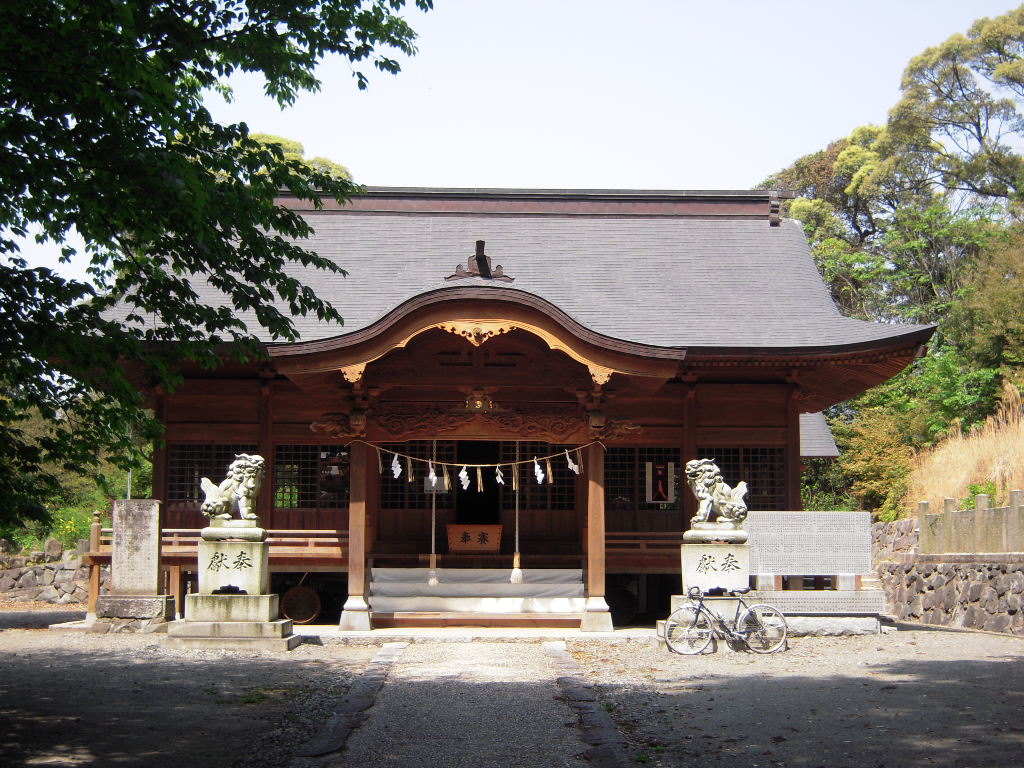
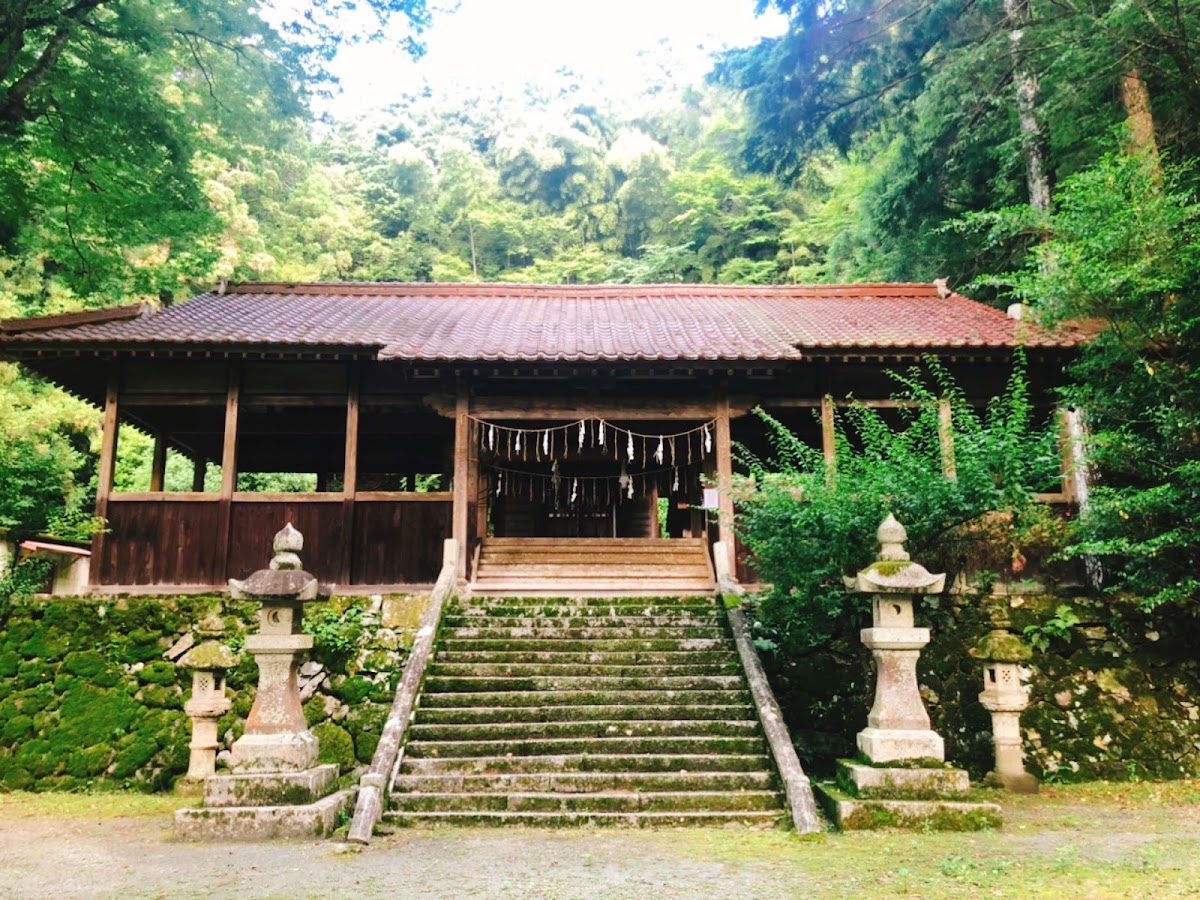
The main hall and worship hall, the heart of the shrine, are sacred places where worshippers face the gods. They possess traditional shrine architectural styles and convey the history of the region to the present day.
Torii Gate
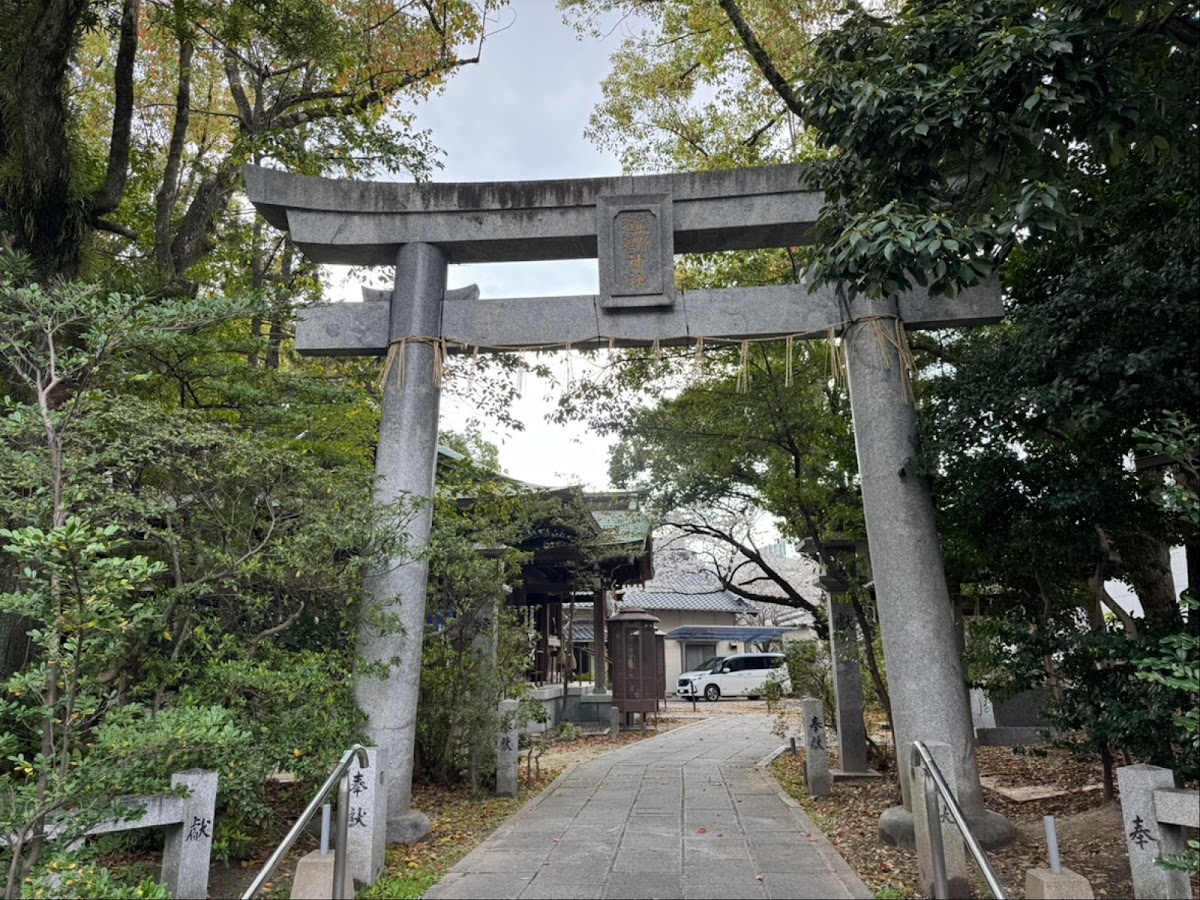
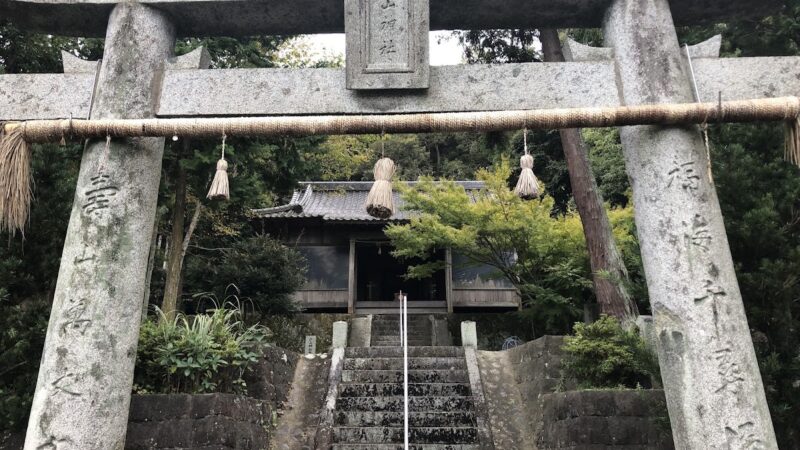
The torii gate, marking the entrance to the sacred area, serves as a boundary separating the secular world from the sacred realm. Passing through the torii gate purifies the mind and prepares one to meet the gods.
Water Basin
This is a place to purify one’s hands and mouth before worship. By purifying oneself, one shows respect to the gods and can worship in a pure state of mind and body.
Shrines within the Precincts and Subsidiary Shrines
Besides the main shrine, there are often small shrines scattered throughout the precincts that enshrine various gods. Each offers different blessings, catering to the diverse wishes of worshippers.
Sacred Trees and Nature
Shrines with long histories often retain ancient sacred trees and abundant nature, allowing visitors to enjoy the beautiful scenery of each season.
Goshuin Information
About Goshuin
Goshuin are seals and calligraphic inscriptions given as proof of visiting a shrine. Nishi-Ono Hachiman Shrine may also offer Goshuin (temple/shrine stamps) to visitors.
How to Receive a Goshuin
- First, pray: Since the Goshuin is proof of your visit, be sure to pray at the main shrine first.
- Go to the shrine office: After praying, request a Goshuin at the shrine office or the Goshuin distribution counter.
- Present your Goshuincho (stamp book): Hand over your Goshuincho open.
- Offering fee: Generally, it’s around 300 to 500 yen.
- Waiting time: Please wait quietly while your Goshuin is being written.
About Goshuincho (stamp books)
Goshuincho can be purchased at shrines or online. Some shrines have their own original Goshuincho, which make a nice memento of your visit.
Important Note:
- Goshuin are not part of a stamp rally. Let’s collect them respectfully as a testament to our faith.
- Reception hours may be limited (generally around 9:00 AM to 5:00 PM)
- We may not be able to assist you when the chief priest is absent or during festivals.
Annual Events and Festivals
Grand Festival
Many Hachiman shrines hold their Grand Festival in the autumn. As the most important festival in the region, it is a lively event with a procession of portable shrines, devotional performances, and stalls. The entire community participates in the preparations, making it an important opportunity to pass on traditions to the next generation.
First Shrine Visit of the New Year
The first shrine visit of the year, praying for happiness in the new year, is the time when the most worshippers visit. From New Year’s Day to the third day, it is bustling with people praying for family safety and business prosperity.
Other Annual Events
- Saitansai (January 1st): A festival celebrating the New Year
- Setsubunsai (around February 3rd): A ritual to ward off evil spirits by scattering beans
- Shunki Reitaisai: A celebration of the arrival of spring and a prayer for a bountiful harvest
- Natsukoshi no Oharae (June 30th): A purification ritual to cleanse away the impurities accumulated over the past six months
- Shichi-Go-San (around November 15th): A celebration of children’s growth
- Toshikoshi no Oharae (December 31st): A purification ritual to cleanse away the impurities of the past year and prepare for the New Year
Etiquette for Worship
Basic Worship Methods
There are traditional customs for visiting shrines. By following the correct etiquette, you can show respect to the gods.
How to Pass Through the Torii Gate:
- Bow before passing through the torii gate.
- Walk along the edge of the path, as the center is considered the path of the gods.
How to Wash Your Hands:
- Take the ladle with your right hand and wash your left hand.
- Switch the ladle to your left hand and wash your right hand.
- Switch the ladle back to your right hand, receive water in your left hand, and rinse your mouth.
- Wash your left hand again.
- Hold the ladle upright, let water flow over the handle, and return it to its original position.
How to Perform the Ritual at the Shrine (Two Bows, Two Claps, One Bow):
- Gently place your offering in the offering box.
- If there is a bell, ring it.
- Bow deeply twice (Two Bows).
- Clasp your hands twice at chest height (Two Claps).
- Make your wish while keeping your hands together.
- Finally, bow deeply once (One Bow).
Access Information
Location
The exact location of Nishi-Oono Hachiman Shrine is within the relevant municipality in Fukuoka Prefecture. We recommend checking the latest information before visiting.
Access
Using Public Transportation:
- Take a bus or taxi from the nearest station.
- Community buses may also be available.
- Check walking routes in advance.
Using a Car:
- Enter the shrine name or address into your car navigation system.
- We recommend checking parking availability in advance.
- Visit during festivals, as congestion is expected; allow ample time for your visit.
Visiting Hours
General Shrine Visiting Hours:
- Shrine Grounds: Generally open all day.
- Shrine Office: Approximately 9:00 AM to 5:00 PM (may vary by shrine).
- Goshuin (Shrine Seal) Issuance: During shrine office hours.
Hours may change during festivals or special days; we recommend checking in advance.
Nearby Attractions
Local Tourist Spots
When visiting Nishi-Ono Hachiman Shrine, you can make your experience more fulfilling by also exploring the surrounding tourist spots. Fukuoka Prefecture boasts a diverse range of tourist resources, including historical sites, lush parks, and hot spring facilities.
Nearby Shrines and Temples
Fukuoka Prefecture is dotted with many historical shrines and temples. Visiting other shrines dedicated to Hachiman worship, or temples of different faiths, can deepen your understanding of Japanese religious culture.
Prayers and Sorrows at Nishi-Ono Hachiman Shrine
About Various Prayers
At the shrine, you can receive formal prayers for important life events and various wishes.
Main Types of Prayers:
- Prayer for Protection from Misfortune: To ward off misfortune during the unlucky year
- Prayer for Family Safety: For the health and peace of the family
- Prayer for Business Prosperity: For the development of the business
- Prayer for Success in Exams: For success in exams
- Prayer for Safe Childbirth: On the Day of the Dog in the 5th month of pregnancy
- First Shrine Visit: To report the birth of the baby and pray for its healthy growth
- Shichi-Go-San: To celebrate the growth of children at ages 3, 5, and 7
- Car Blessing: To pray for safe travels
How to Receive a Prayer
- Advance Contact: If possible, make a reservation by phone in advance
- Registration: On the day, fill out an application form at the shrine office
- Offering Fee: Varies depending on the type of prayer (generally from 5,000 yen)
- Prayer: Shinto priests recite prayers at the main shrine or worship hall.
- Items Given: You will receive amulets and talismans.
Amulets and Items Given
Various Amulets
At Nishi-Ono Hachiman Shrine, amulets are given out to fulfill various wishes:
- Exorcism Amulet: Protects you from misfortune
- Family Safety Amulet: Protects the peace of your family
- Traffic Safety Amulet: Ensures safe travel
- Academic Success Amulet: Improves academic performance
- Passing Exam Amulet: Success in exams
- Safe Childbirth Amulet: Safe childbirth
- Health Amulet: Good physical and mental health
- Business Prosperity Amulet: Success in business
How to Handle Amulets
- Carry It With You: Always wear it or place it in an important location.
- With Gratitude: Treat the amulet with care as a representation of the gods.
- One Year is a Guideline: It is common to replace it with a new one every year.
- Old Amulets: Please return them to the shrine for a burning ceremony.
Nationwide Spread of Hachiman Shrines
Network of Hachiman Faith
Nishi-Ono Hachiman Shrine is part of a nationwide network of Hachiman faith. At the top is Usa Shrine (Oita Prefecture), the head shrine, and there are many other influential Hachiman shrines throughout Japan, such as Iwashimizu Hachiman Shrine (Kyoto Prefecture) and Tsurugaoka Hachiman Shrine (Kanagawa Prefecture).
While these shrines are interconnected, each has cultivated its own unique faith and traditions in its respective region. Nishi-Ono Hachiman Shrine also possesses a unique history and culture that reflects the characteristics of its region.
Importance of Local Faith
Not only large, famous shrines, but also locally rooted shrines like Nishi-Ono Hachiman Shrine form the foundation of Japan’s faith culture. Their close ties with local residents and their function as places of daily worship offer a warmth and familiarity that cannot be found in large shrines.
Notes and Manners for Visiting a Shrine
Attire
- For formal worship or prayers, clean and subdued attire is preferred.
- For regular visits, no special attire is required, but avoid overly revealing clothing.
- It is customary to remove your hat when worshipping.
Photography
- Photography is generally permitted within the shrine grounds, but may be prohibited inside the main hall.
- Refrain from taking photos in areas marked “No Photography.”
- Be considerate of other worshippers.
- When posting on social media, be mindful of the sacred nature of the place and post with moderation.
Other Manners
- Be quiet within the shrine grounds and refrain from loud conversations.
- Pet policies vary by shrine; please check in advance.
- Refrain from eating or drinking outside designated areas.
- Always take your trash with you.
- Be careful not to damage the shrine’s buildings or natural environment.
Seasonal Ways to Enjoy the Shrine
Spring (March-May)
Spring marks the beginning of a new season, and many people visit shrines and temples. If cherry trees are planted, visitors can enjoy both cherry blossom viewing and worship. Many also pray for success in new beginnings, such as entering school or starting a new job.
Summer (June-August)
The Summer Purification Ceremony (June 30th) is an important event to cleanse oneself of the impurities accumulated over the past six months. Many shrines hold a ritual of passing through a ring of reeds, praying for good health and protection from illness. If summer festivals are held, you can feel the vibrant energy of the community.
Autumn (September-November)
Autumn is the season for annual festivals. Festivals are held to express gratitude for the harvest and pray for a bountiful harvest, making it the busiest time of the year. It’s also the time for Shichi-Go-San (a traditional Japanese rite of passage for children), and the sight of children in their festive attire is heartwarming.
Winter (December to February)
The year-end purification ceremony cleanses away the impurities of the past year, welcoming the new year. The first shrine visit of the year (Hatsumode) sees the largest number of visitors, who offer prayers for the new year. The Setsubun bean-throwing ceremony is also an important winter event.
Connection with the Local Community
Parishioner Organization
Nishi-Oono Hachiman Shrine is supported by its local parishioners. Parishioners are local residents who worship the shrine’s guardian deity and cooperate in the maintenance and management of the shrine and the operation of festivals.
Preservation of Local Culture
Shrines are not merely religious institutions, but also places for the preservation of local culture and traditions. Through the preparation and operation of festivals, intergenerational exchanges are fostered, deepening community bonds. Children learn about local history and culture through participation in festivals.
Role in Modern Times
In today’s increasingly urbanized and depopulated society, local shrines play a vital role in connecting people. Regular cleaning activities and festival preparations provide valuable opportunities for local residents to gather, contributing to the maintenance of the community.
Summary
Nishi-Ono Hachiman Shrine, a historic Hachiman shrine located in Fukuoka Prefecture, has long been a center of faith for the local people. Many worshippers visit seeking various blessings, including protection from misfortune, good fortune, family safety, and business prosperity.
Within the shrine grounds, you can pray in peace while experiencing the changing seasons. Following the proper worship etiquette and showing respect to the deities will make for a more fulfilling experience.
You can also receive Goshuin (shrine stamps) and various prayers, making it a shrine worth visiting at life’s milestones or when making important wishes. In a warm, community-rooted atmosphere, you can experience traditional Japanese religious culture.
Various events are held throughout the year, such as New Year’s visits, the annual festival, and Shichi-Go-San (a traditional rite of passage for children), so there are always new discoveries to be made. When you visit Fukuoka Prefecture, be sure to stop by Nishi-Ono Hachiman Shrine and experience its history, traditions, and the faith of the local people.
Visiting a shrine is a precious time to escape the hustle and bustle of everyday life and reflect on yourself. By calming your mind and praying, you can gain new energy and a positive outlook. We hope that Nishi-Ono Hachiman Shrine will become a place of solace for you and a source of support in various aspects of your life.