Kifune Shrine (Takano, Kawara-machi, Fukuoka Prefecture) | Complete Guide to History, Deities, and Access
Located in Takano, Kawara-machi, Tagawa-gun, Fukuoka Prefecture, Kifune Shrine is a shrine that has been cherished by the local people for centuries. It enshrines the water deity, who was invited from Kifune Shrine in Kyoto, and has played a vital role in protecting the water sources essential for agriculture and daily life. This article provides detailed information useful for visiting Kifune Shrine, including its history, enshrined deities, blessings, highlights within the grounds, and access methods.
Basic Information about Kifune Shrine
Location: Takano, Kawara-machi, Tagawa-gun, Fukuoka Prefecture
Deity Enshrined: Takaokami-no-kami
Founding: Details unknown (estimated to be before the Edo period)
Shrine Rank: Village Shrine
Annual Festival Day: Varies by region (generally in autumn)
Kifune Shrine has long been revered by local residents as the guardian shrine watching over the Takano district of Kawara-machi. Though small in scale, it is a valuable presence that conveys the history and culture of the region to the present day.
History and Origins of Kifune Shrine
Spread of Kifune Faith
The name Kifune Shrine originates from its invitation from Kifune Shrine in Kyoto. Kifune Shrine has approximately 500 branch shrines throughout Japan and has been revered as a water deity since ancient times. Several Kifune Shrines exist within Fukuoka Prefecture, each worshipped as a guardian deity of water sources in its respective region.
While there are no clear records of when the Kifune Shrine in Takano, Kawara-cho, was founded, it is believed to have existed at least by the mid-Edo period, based on its appearance in Edo-period geographical records and Meiji-era shrine registers.
Historical Background of Takano, Kawara-cho
Kawara-cho has flourished as a transportation hub since ancient times, and is a historically significant region, particularly known for the copper produced from Mount Kawara, which is said to have been used in the casting of the Great Buddha of Nara. The Takano district is an agricultural settlement within Kawara-cho, and securing water sources necessary for rice cultivation was a top priority for the residents.
Given these regional characteristics, it is presumed that the Kifune Shrine, dedicated to Takaokami-no-kami, the god of water, was established, and that rituals for bountiful harvests and rainmaking have been performed there.
Changes Since the Meiji Era
During the Meiji era, the shrine consolidation policy led to the merger and abolition of small shrines nationwide, and the Kifune Shrine may have been affected. However, it has been maintained to this day due to the strong faith of the local residents, and continues to play a vital role as a spiritual pillar of the community.
From the Showa to the Heisei era, the maintenance of the shrine became a challenge due to depopulation and an aging population. However, thanks to preservation activities by local parishioners and volunteers, the shrine grounds are being cleaned and festivals are continuing.
Deities and Blessings
Takaokami-no-kami
The main deity of Kifune Shrine is Takaokami-no-kami. “Okami” is an ancient character meaning dragon, and this ancient deity appears in the Kojiki and Nihon Shoki as a dragon god who controls water. It is said to be a god born when Izanagi-no-Mikoto slew Kagutsuchi-no-Kami, and has been worshipped as a god who controls mountain water sources and rain.
Main Benefits
Protection from Water Disasters and Flood Control: As a water deity, it protects against floods and other water-related disasters.
Abundant Harvest: It bestows the appropriate amount of rain and water necessary for agriculture.
Matchmaking: Influenced by Kyoto’s Kifune Shrine, it is also a place of worship for matchmaking.
Business Prosperity: Water is the source of life, and it improves the flow of business.
Fulfillment of Wishes: Like pure water, it purifies and grants wishes.
It is particularly revered by agricultural workers and those in water-related occupations, and special prayers have been offered before rice planting and during droughts.
Highlights of the Shrine Grounds
Shrine Buildings
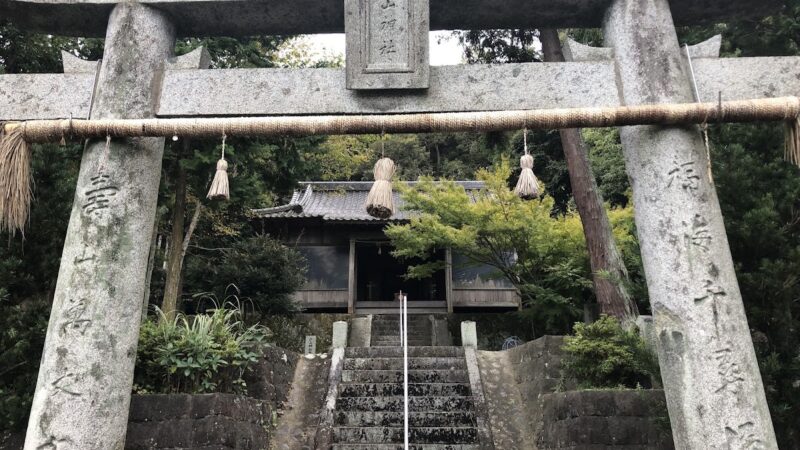
The Kifune Shrine buildings are simple wooden structures, but they are carefully maintained by the local people. The structure consists of a worship hall and a main hall, with Takaokami-no-kami enshrined in the main hall. Cedar and chinquapin trees grow around the shrine, creating a tranquil atmosphere.
Stone Steps and Torii Gate
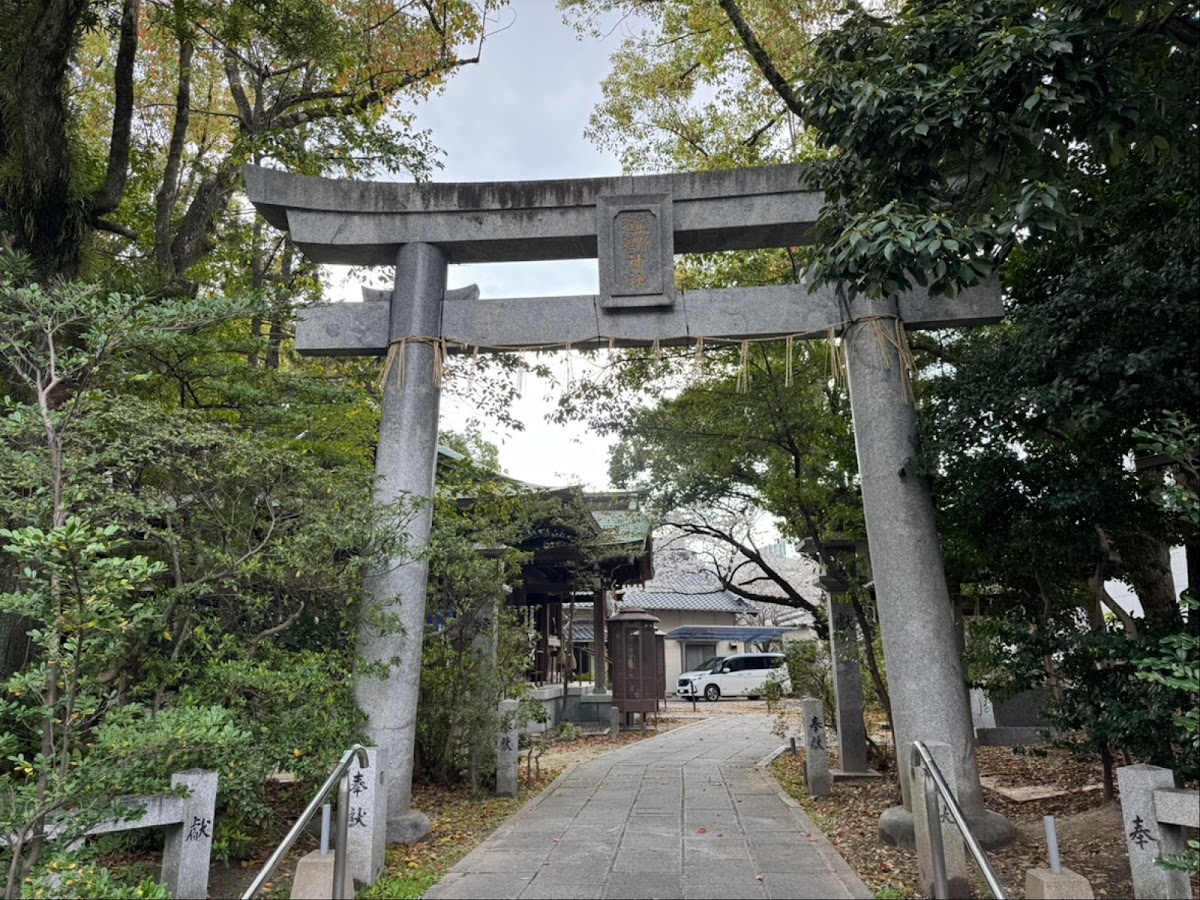
The approach to the shrine features stone steps, and a torii gate stands at the entrance. Based on the style of the torii gate and the construction of the steps, it is estimated that they were renovated between the late Edo period and the Meiji era. The moss-covered steps evoke a sense of history and leave visitors with a quiet sense of awe.
Water Basin
As befits a shrine dedicated to the god of water, pure water springs forth from the water basin. This water is one of the region’s water sources and has been used for daily life since ancient times. Visitors purify themselves with this water before proceeding to the main hall.
Sacred Tree
Within the shrine grounds stands a large tree estimated to be several hundred years old, revered as a sacred tree. Its trunk circumference measures several meters, and as a living witness to the region’s history, it inspires awe in visitors.
Subsidiary Shrines
Small subsidiary shrines may be found beside the main hall. In some areas, Inari shrines and Kōjin shrines are also enshrined together, demonstrating the diversity of local beliefs.
Annual Events and Festivals
Grand Festival
The Grand Festival of Kifune Shrine is generally held in the autumn (September to October). It is an important festival expressing gratitude for the harvest and praying for a bountiful harvest the following year, with all local residents participating in the preparation and operation.
During the festival, Shinto rituals such as the recitation of prayers by Shinto priests and the offering of sacred branches are performed solemnly. Afterwards, a Naorai (ritual feast) is held where participants share the offerings presented to the gods.
Spring Prayer Festival
A spring prayer festival is sometimes held to coincide with the rice planting season. Prayers are offered for adequate rain and water, and for the safety of agricultural work and a bountiful harvest that year.
Daily Worship
Even on days other than the annual festival, local people visit the shrine regularly. Kifune Shrine is deeply rooted in the lives of local residents, with people offering prayers during their morning walks or praying before making important decisions.
Manners and Etiquette for Visiting the Shrine
Basic Visiting Etiquette
- Bow before passing through the torii gate: This is a sign of respect when entering the sacred area.
- Walk along the edge of the path: The center is considered the path of the gods.
- Purify yourself at the water basin: Left hand → Right hand → Mouth → Left hand in that order.
- At the front of the main hall: Two bows, two claps, and one bow is the basic ritual.
- Bow upon leaving: After leaving the torii gate, turn around and bow once.
Clothing and Belongings
There are no specific dress code requirements, but clean clothing appropriate for a sacred area is desirable. If the shrine is located in a mountainous area, choose comfortable walking shoes.
It is a good idea to prepare an offering beforehand. There is no set amount, but it is customary to use a 5-yen coin as a token of “good fortune” or “good luck.”
Regarding Photography
Photography is generally permitted on the temple grounds, but it is considered good manners to refrain from taking pictures inside the main hall or during religious ceremonies. Please also be considerate of the privacy of other worshippers.
Access Information
Location Details
Address: Takano, Kawara-machi, Tagawa-gun, Fukuoka Prefecture
(Please inquire with local parishioners or the Kawara Town Hall for the specific address.)
Access by Public Transportation
Nearest Station: JR Hitahikosan Line “Kawara Station”
Approximately 15-20 minutes on foot or by taxi from Kawara Station (may vary depending on distance and road conditions)
Bus: The Kawara Town Community Bus may operate, but the number of services is limited, so it is recommended to check the timetable with the Kawara Town Hall in advance.
Access by Car
Route from Major Roads:
- Approximately 40 minutes from the Kyushu Expressway “Kokura Higashi IC” via National Route 322
- Approximately 30 minutes from the Higashi Kyushu Expressway “Yukuhashi IC” via National Route 201 and prefectural roads
Parking: There may be a few parking spaces on the shrine grounds or nearby, but it may be crowded during festivals. Please avoid street parking as it will inconvenience local residents.
Car Navigation Settings: Searching for “Kawara-machi Takano” and using major local facilities (such as community centers) as landmarks will make it easier to find.
Access on Foot or by Bicycle
Combining this with other tourist spots and shrines/temples in Kawara-machi on foot or by bicycle is a delightful experience. However, there may be elevation changes, so plan your trip with ample time and energy.
Nearby Tourist Spots
Kawara Shrine
This is a representative shrine of Kawara-machi, located at the foot of Mt. Kawara. This is an important shrine that conveys the history of Kawara, which has flourished as a copper producing area since ancient times. It is located about 10 minutes by car from Kifune Shrine.
Mount Kawara
This mountain, with an elevation of 508 meters, has been worshipped as a sacred mountain since ancient times. It consists of three peaks and has a unique shape due to mining. Hiking trails are well maintained, and the Tagawa area can be seen from the summit.
Around Saidōsho Station
Saidōsho Station, said to be one of the oldest station names in Japan, conveys the history of ancient copper mining. The station building and surrounding area retain an atmosphere that evokes a sense of history.
Kawara Roadside Station
This facility allows you to purchase local specialties and fresh agricultural products. It is also ideal for taking a break or having a meal, and is a good place to learn about the charm of Kawara Town.
History and Culture of Kawara Town
Ancient Copper Producing Area
Kawara Town is known as an ancient copper producing area, as mentioned in the “Nihon Shoki” (Chronicles of Japan). Copper produced from Mount Kawara is said to have been used in the casting of the Great Buddha of Nara, making a significant contribution to the formation of ancient Japanese culture.
History of the Coal Industry
From the Meiji to Showa periods, the coal industry flourished as part of the Chikuhō coalfield. Many coal mines were in operation, and the population increased, but the energy revolution led to the closure of the mines. Currently, the area retains traces of that era as an industrial heritage site.
Modern Kawara Town
Present-day Kawara Town is working on community development that leverages its history and natural environment. While the population is declining, efforts continue to create new attractions while preserving local traditions and culture.
Guidelines for Visiting Kifune Shrine
Respect Local Faith
Unlike large, touristy shrines, Kifune Shrine is a small shrine deeply rooted in the lives of local residents. When visiting, please understand that it is a place of worship for the local people and visit quietly and respectfully.
Protection of the Natural Environment
The shrine grounds and surrounding area are rich in natural beauty. Please be sure to take your trash with you and be careful not to damage plants or feed wild animals.
Interaction with the Local Community
If possible, it’s a good experience to talk with local people. Listening to the history of the shrine and local stories will give you a deeper understanding and create lasting memories.
The Significance of the Kifune Deity and Water Faith
Water as the Source of Life
Water is the source of all life and is indispensable to human life. Since ancient times, people have considered water sources sacred and worshipped water gods. Kifune Shrine is one of the shrines that carries on this tradition.
Gratitude for Water in Modern Times
In modern times, we live a convenient life with well-developed water systems and water flowing from the tap, but this is not something to be taken for granted. Visiting Kifune Shrine is a good opportunity to remember to be grateful for the water we use every day.
Awareness of Environmental Conservation
Protecting water sources is also a modern challenge. Visiting a shrine dedicated to the water god can raise awareness of environmental conservation, including forest preservation, river purification, and proper water resource management.
Points to Note When Visiting Kifune Shrine
Importance of Prior Confirmation
As it is a small shrine, there may not be a resident priest. If you wish to receive a Goshuin (shrine stamp) or would like more detailed information, it is recommended to contact the Kawara Town Hall or the local parishioners’ representative in advance.
Consideration of Season and Weather
Located in mountainous or hilly areas, there is a possibility of snow and ice in winter. Also, the approach to the shrine may become slippery during the rainy season and typhoon season, so please prepare according to the weather.
Consideration of Privacy
Since the area around the shrine is likely to be residential, please refrain from loud conversations and visits in the early morning or late at night, and be considerate of the lives of the nearby residents.
Summary
Kifune Shrine, located in Takano, Kawara-machi, Tagawa-gun, Fukuoka Prefecture, is a shrine dedicated to the water god that has long been cherished by the local people. Though small in scale, its history and beliefs form an important part of the local culture.
Kifune Shrine symbolizes gratitude for the blessings of water, prayers for a bountiful harvest, and the bonds of the local community. Away from the hustle and bustle of the city, it offers a precious opportunity to find peace of mind in its tranquil grounds and experience traditional Japanese beliefs.
When visiting Kawara Town, be sure to stop by Kifune Shrine and reflect on the region’s history, culture, and the blessings of nature. Though a small shrine, it holds great meaning and value.
Through worship, you can rediscover important values often forgotten in modern society: gratitude for water, reverence for nature, and respect for local culture. Kifune Shrine is a hidden treasure of Kawara Town, bringing quiet inspiration and peace of mind to its visitors.