Complete Guide to Susa Shrine (Nakatsuhara, Kawara-machi, Tagawa-gun, Fukuoka Prefecture)
Susa Shrine, located in Nakatsuhara, Kawara-machi, Tagawa-gun, Fukuoka Prefecture, is a historical shrine dedicated to Susanoo-no-Mikoto. Known for its impressive stone walls and the Gion Festival held every May, it is a venerable shrine that received deep reverence from the Hosokawa family during the Edo period and continues to attract local faith.
Basic Information on Susa Shrine
Location: 1330 Nakatsuhara, Kawara-machi, Tagawa-gun, Fukuoka Prefecture 822-1405
Deity: Susanoo-no-Mikoto (Susanoo-no-Mikoto)
Nearest Station: Approximately 9 minutes on foot from Magane Station on the JR Hita-Hikosan Line
Parking: Parking available on the shrine grounds
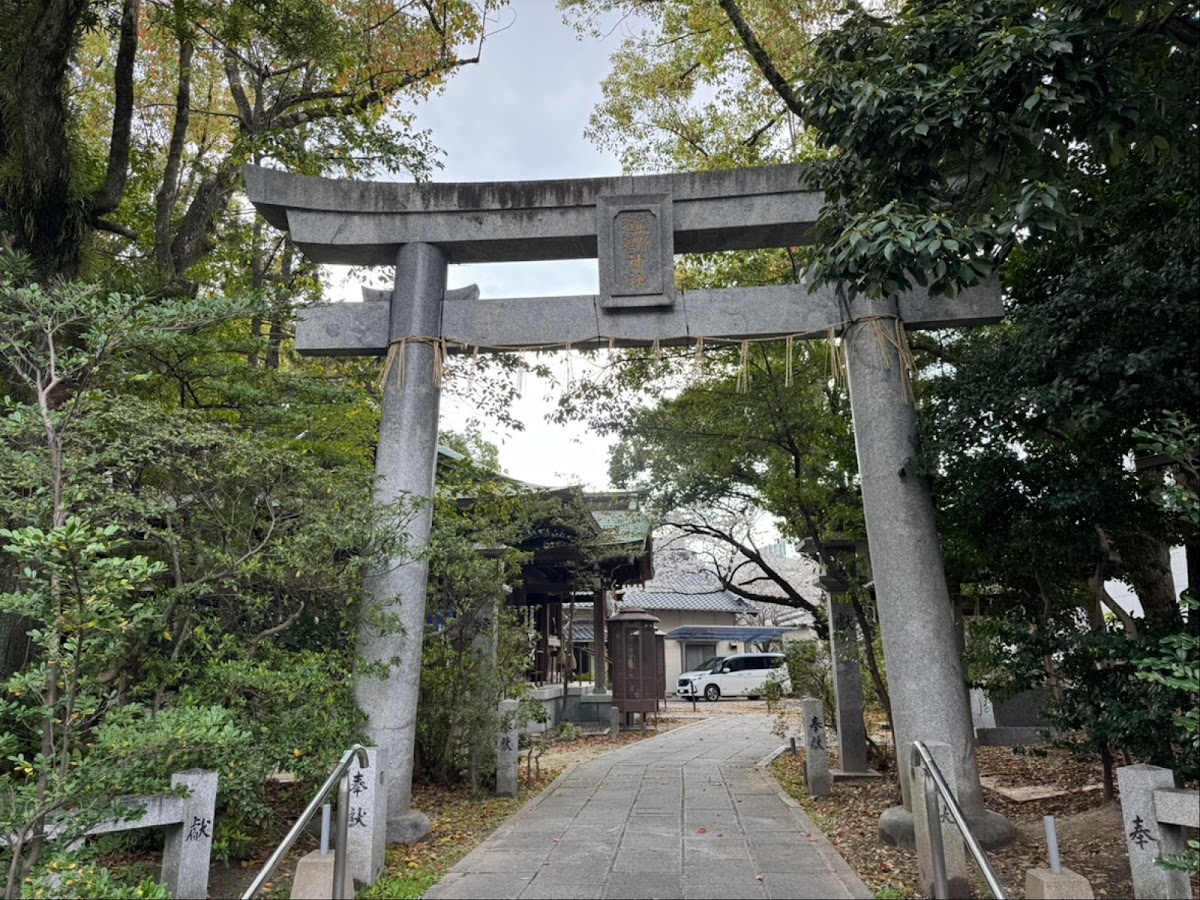
Susa Shrine is located in the Nakatsuhara district of Kawara-machi and has been revered as the local guardian deity since ancient times. The impressive stone walls, a distinctive feature of the shrine, exude a powerful presence even from afar, welcoming visitors.
History and Origins of Susa Shrine
Deep Connection with the Hosokawa Family in the Edo Period
An essential aspect of understanding the history of Susa Shrine is its deep connection with the Hosokawa family during the Keicho era of the early Edo period. Hosokawa Tadaoki, the first lord of the Kokura Domain, held a special reverence for Susa Shrine, and his faith was extremely strong.
It is said that Tadaoki’s younger brother, Hosokawa Takayuki, lord of Kawara Castle, also frequently visited the shrine and cherished it. The Ogasawara family, who succeeded the Hosokawa family in ruling the Kokura Domain, also continued this reverence for Susa Shrine. This level of devotion from samurai families of the lord class demonstrates that Susa Shrine was an important religious and spiritual center in the region.
Relocation during the Meiji Era
In 1873 (Meiji 6), Susa Shrine was relocated to its current location in Onigajo. This relocation is thought to have been due to changes in the shrine system and local circumstances following the Meiji Restoration. The place name Onigajo suggests that a castle or fort once existed in this area, indicating that the shrine was moved to a historically significant location.
Even after the relocation, Susa Shrine continued to function as the center of local faith and remains a spiritual anchor for the people of the Nakatsuhara district to this day.
About the Deity, Susanoo-no-Mikoto
Susanoo-no-Mikoto, the deity enshrined at Susa Shrine, is one of the most important gods in Japanese mythology. Known as the younger brother of Amaterasu-Omikami, he was banished from Takamagahara due to his fierce nature, but he also possesses a heroic side, having defeated Yamata-no-Orochi in Izumo Province.
Divine Virtues of Susanoo-no-Mikoto
Susanoo-no-Mikoto is believed to possess the following diverse divine virtues:
- Protection from Evil and Disaster: From the myth of slaying Yamata-no-Orochi, he is believed to have the power to ward off evil.
- Protection from Plague: Associated with Gion faith, he is a god who protects people from plague.
- Abundant Harvest: His aspect as an agricultural god.
- Matchmaking: From the myth of his marriage to Kushinadahime-no-Mikoto.
- Safety at Sea: His characteristics as a sea god.
It is believed that by visiting Susa Shrine, one can receive these divine virtues.
Highlights of Susa Shrine
Distinctive Stone Walls
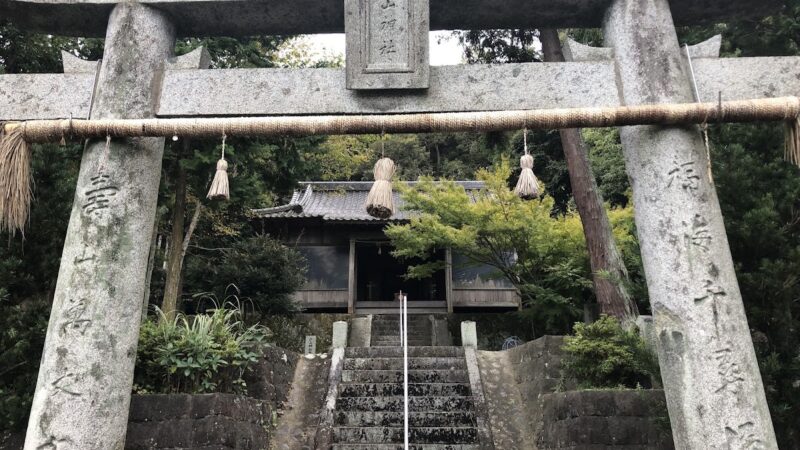
What always catches the eye of visitors to Susa Shrine is the magnificent stone walls surrounding the shrine grounds. These stone walls are important historical remains that tell the story of the shrine’s long history, and the intricately constructed stones demonstrate the high level of stonemasonry at the time. The presence of the stone walls is evidence that Susa Shrine was once an important religious facility in the region and that it received protection from samurai families of the feudal lord class. When you visit, be sure to pay attention to these stone walls. Standing before them, you will feel the weight of centuries of history.
Atmosphere of the Shrine Grounds
The grounds of Susa Shrine are enveloped in a tranquil and peaceful atmosphere. Located in the mountainous region of Nakatsuhara, it offers a peaceful environment surrounded by nature, allowing for a quiet and peaceful visit.
The main hall and worship hall exude a sense of history, conveying how carefully they have been preserved by the local people. Walking through the grounds, you will feel the sacred atmosphere of a place of worship with a long history.
Gion Festival of Susa Shrine
Traditional Event Held Every May
The most important annual event at Susa Shrine is the Gion Festival, held every May. The Gion Festival is a widely celebrated festival held at shrines dedicated to Susanoo-no-Mikoto, and is known as a traditional event to pray for the eradication of disease and good health.
The Gion Festival at Susa Shrine is an important festival prepared and held by the entire community, and is celebrated with particular grandeur among the annual events of the Nakatsuhara district.
Highlights: Decorated Floats
The biggest highlight of the Gion Festival at Susa Shrine is the decorated floats (yamahoko). These floats are adorned with magnificent decorations and attract many worshippers and spectators during the festival.
The decorated floats are created through the cooperation of local artisans and residents, and attract attention every year as works of art that fuse traditional techniques with modern sensibilities. The impressive appearance of the floats makes them a popular spot for photography, and many people visit, especially during the Gion Festival.
The Significance of the Gion Festival
The Gion Festival is not merely a religious event, but also an important opportunity to strengthen the bonds of the local community. From the preparation to the operation of the festival on the day itself, the collective efforts of local residents foster intergenerational exchange and ensure the transmission of traditional culture to future generations.
The original purpose of the Gion Festival—to pray for the eradication of disease—remains important even today, and the festival embodies the hopes of people for the safety and prosperity of their community.
Historical Background of Kawara Town
Mount Kawara and Copper Mining
Kawara Town, where the Susa Shrine is located, has been known as a copper producing area since ancient times. Copper mining has been carried out on Mount Kawara, the town’s symbol, since the Nara period, and it is said that Kawara copper was used in the casting of the Great Buddha of Todai-ji Temple.
The fact that the place name “Saidosho” (copper mining site) still remains today indicates the importance of mining in this region. It is believed that Susa Shrine also played a role in praying for the safety of the mines and the prosperity of the industry.
Akizuki Road and a Transportation Hub
Kawara Town is located along the Akizuki Road and flourished as a transportation hub during the Edo period. The Akizuki Road was an important route connecting Kokura and Akizuki, and there was a great deal of traffic of people and goods.
It is presumed that Susa Shrine, as a shrine along the road, also functioned as a place to pray for the safety of travelers. The fact that it was revered by samurai families, including the Hosokawa family, may also be related to this transportation importance.
Tourist Spots in Kawara Town
When visiting Susa Shrine, we recommend also visiting other tourist spots in Kawara Town.
Kawara Shrine and Mount Kawara
Kawara Shrine, the representative shrine of Kawara Town, is an ancient shrine that enshrines Mount Kawara as its sacred object. Mount Kawara, with its three peaks, has formed a unique landscape due to years of mining and has become a symbol of the town.
Kanmabu Park
Kanmabu Park is a park that utilizes the remains of former copper mining tunnels. It is a valuable facility where you can learn about the mining history of Kawara Town, and it is a place of high value as an industrial heritage site.
Kawara Town Historical Museum
For those who want to learn more about the history and culture of Kawara Town, a visit to the Kawara Town Historical Museum is recommended. You can learn about the town’s development from ancient times to the present day with a wealth of materials.
Kyushu Olle “Chikuhō-Kawara Course”
For those who want to enjoy Kawara Town in a healthy way, the Kyushu Olle “Chikuhō-Kawara Course” is recommended. This trekking course originated in Jeju Island, South Korea, and allows you to experience the nature and history of Kawara Town on foot. The route also allows you to enjoy the scenery around Susa Shrine.
Local Specialties of Kawara Town
Dried Persimmons from Saidosho
“Dried persimmons” made in the Saidosho district of Kawara Town are a masterpiece carefully crafted using traditional methods. These dried persimmons, with their concentrated sweetness, are a popular souvenir.
Kawara Lotus Rice
“Kawara Lotus Rice,” cultivated in Kawara Town, is an environmentally friendly rice grown using lotus flowers as green manure. It is known as delicious rice nurtured in a rich natural environment.
Kawara Wish Bag
“Kawara Wish Bags” are amulet bags carried with wishes. Made using traditional craft techniques from Kawara Town, they are popular as souvenirs and mementos of visits.
Access Information
Access by Public Transportation
Train: Get off at “Magokane Station” on the JR Hita-Hikosan Line, approximately 9 minutes on foot.
Magokane Station is accessible from both Kokura and Oita. The shrine is within walking distance from the station, but it’s a bit of a distance, so we recommend allowing ample time for your visit.
Access by Car
Expressway:
- Approximately 30 minutes from the Kyushu Expressway “Kokura-Higashi IC”
- Approximately 25 minutes from the Higashi-Kyushu Expressway “Yukuhashi IC”
General Roads: Accessible via National Route 201 and a prefectural road.
There is parking space on the shrine grounds, but congestion is expected during events such as the Gion Festival, so please consider using public transportation.
Access from Surrounding Areas
- From Kitakyushu City: Approximately 40 minutes by car
- From Fukuoka City: Approximately 1 hour 30 minutes by car
- From Tagawa City: Approximately 15 minutes by car
Manners and Precautions for Visiting a Shrine
Basic Etiquette for Visiting a Shrine
Please observe the basic etiquette when visiting a shrine:
- When passing through the torii gate: Bow before entering the shrine grounds.
- How to walk along the approach to the shrine: Walk along the sides, as the center is considered the path for the gods.
- Purification at the water basin: Purify your left hand, then your right hand, then your mouth.
- Worship at the main hall: The basic procedure is two bows, two claps, and one bow.
Photography
Photography is generally permitted on the shrine grounds, but it may be advisable to refrain from taking pictures inside the main hall or during Shinto rituals. If you have any questions, it is recommended to check with shrine staff.
Regarding Attire
While there are no specific dress code requirements for visiting the shrine, please be mindful of the sacred nature of the place and dress in clean, modest attire.
Accommodation near Susa Shrine
While there aren’t many large-scale accommodations in Kawara Town, there are various accommodation options in the surrounding area:
- Tagawa City: Several business hotels are located about a 15-minute drive away.
- Kitakyushu City: A variety of accommodations are available in the Kokura area.
- Homestays/Farm Stays: Accommodations in Kawara Town and the surrounding area offer the opportunity to experience local life.
Annual Events at Susa Shrine
Main Festivals
- May: Gion Festival (highlights include the decorative floats and portable shrines)
- January: Hatsumode (first shrine visit of the year) and Saitansai (New Year’s Day Festival)
- Autumn: Reitaisai (Grand Festival)
For detailed dates, we recommend contacting the Kawara Town Tourism Association or the Fukuoka Prefectural Shrine Association.
Events in Kawara Town
Kawara Hometown Summer Festival Bon Odori Dance Competition
In the summer, the “Kawara Hometown Summer Festival Bon Odori Dance Competition” is held, bringing together local residents and those returning home for the holidays for a lively and exciting event. It’s a fun event that blends traditional Bon Odori dance with modern elements.
Kawara Hometown Autumn Festival
In the autumn, the “Kawara Hometown Autumn Festival” is held, featuring sales of local specialty products and stage events. It’s an event where you can fully experience the charm of Kawara Town.
The Significance of Visiting Susa Shrine
Susa Shrine is not merely a tourist spot; it’s a place where the history, culture, and faith of the people of the region breathe life into. Various layers of history intertwine, from its connection with the Hosokawa family dating back to the Edo period, to its relocation during the Meiji era, and the Gion Festival that continues to this day.
Standing within the grounds surrounded by magnificent stone walls, you can feel the divine power of Susanoo-no-Mikoto, who has protected this land for hundreds of years. The decorative floats of the Gion Festival are magnificent works of art, a culmination of the faith and artistry of the local people, and well worth seeing.
When visiting Kawara Town, be sure to visit Susa Shrine and experience the rich history and culture of this region. In the tranquil grounds, you can find peace of mind and pray for daily peace and happiness while feeling the divine grace of Susanoo-no-Mikoto.
Summary
Located in Nakatsuhara, Kawara Town, Tagawa District, Fukuoka Prefecture, Susa Shrine enshrines Susanoo-no-Mikoto and is a historical shrine that has been revered by the Hosokawa family since the early Edo period. Its distinctive stone walls and the annual Gion Festival (decorative floats and portable shrines) held every May are highlights. It was relocated to its current location in Onigajo in 1873 (Meiji 6).
It is approximately a 9-minute walk from Magane Station on the JR Hita-Hikosan Line, and is also accessible by car with parking available on the grounds. It is a shrine where you can feel the history and culture of Kawara Town while enjoying a peaceful and calming visit.
Located at the foot of Mount Kawara, Kawara Town is known as an ancient copper mining center and has a history of flourishing as a key point on the Akizuki Road. Along with visiting Susa Shrine, you can enjoy nearby tourist attractions such as Kawara Shrine, Kamimabu Park, and the Kawara Town Historical Museum, as well as local specialties like dried persimmons from the copper mine and Kawara lotus rice.
Enjoy a journey to experience the rich history and culture of the Chikuhō region by visiting Susa Shrine, which is still cherished as the center of local faith.