Complete Guide to Hachiman Shrines (Akamura, Tagawa District, Fukuoka Prefecture) | The Divine Procession and History of Komyo Hachiman Shrine and Waga Hachiman Shrine
In Akamura, Tagawa District, Fukuoka Prefecture, stand two Hachiman shrines that preserve the local faith and traditions. Komyo Hachiman Shrine and Waga Hachiman Shrine are known for their magnificent divine processions held every spring, where floats reaching up to 20 meters in height parade through the town—a truly breathtaking sight. This article comprehensively explains everything you need to know before visiting, from the history of the Hachiman shrines in Akamura, details of the divine processions, access methods, and nearby tourist spots.
About the Hachiman Shrines of Akamura
Overview of Komyo Hachiman Shrine
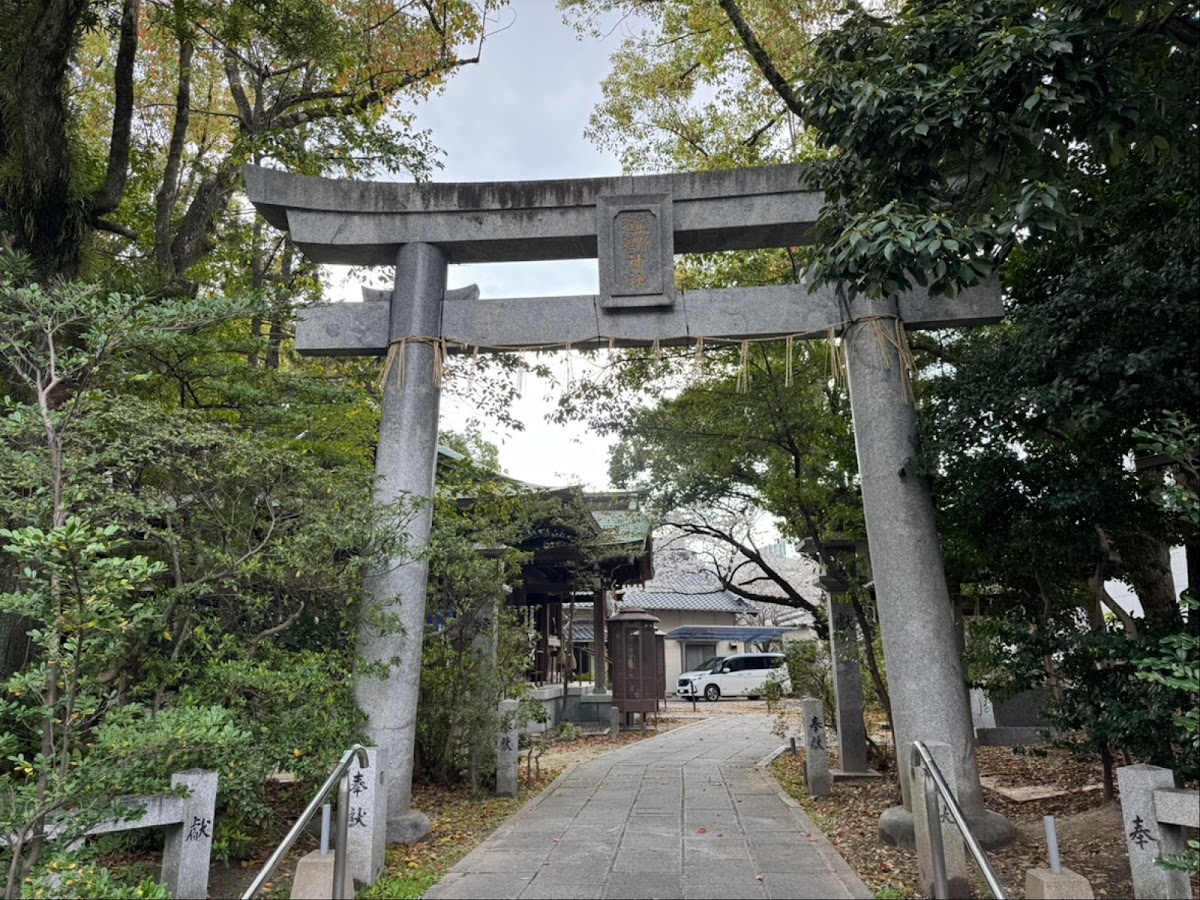
Komyo Hachiman Shrine is a historic shrine located at 993 Akamura, Tagawa District, Fukuoka Prefecture. Affectionately known as “Komyo-san” by local residents, it has functioned as an important place of worship for praying for abundant harvests and peace throughout the land. The shrine grounds are surrounded by abundant nature, creating a tranquil environment for worship.
While there are no clear records regarding the shrine’s founding date, it has been confirmed that it has been revered as a guardian deity of the region for at least 400 years. The enshrined deity is Emperor Ōjin (Homudawake no Mikoto), and it is believed to offer blessings for military success, protection from evil, and family safety.
Overview of Wagashika Hachiman Shrine
Wagashika Hachiman Shrine is located at 602-1 Aka, Akamura, and is known as one of the two major Hachiman shrines in Akamura, alongside Kōmyō Hachiman Shrine. The place name “Wagashika” is an ancient name passed down in this region and symbolizes the local identity.
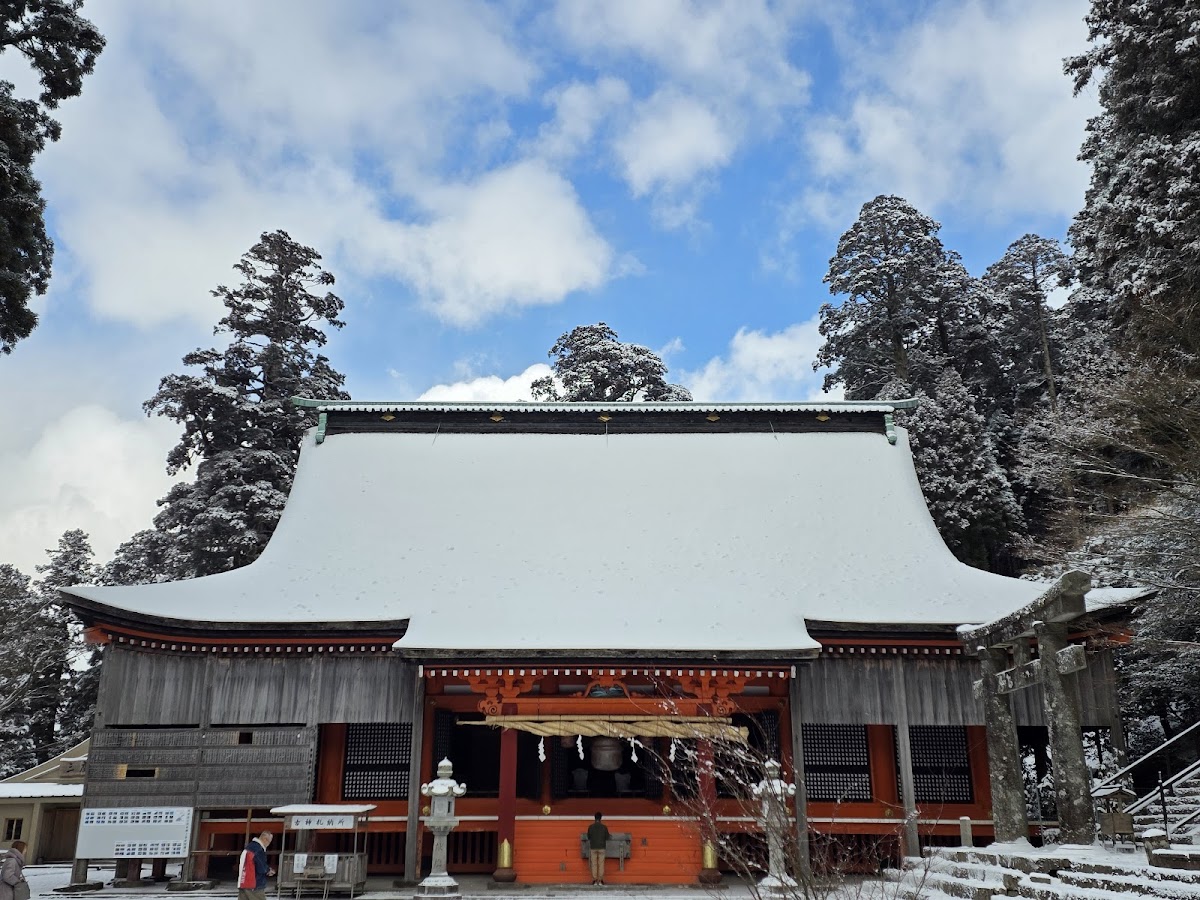
Like Kōmyō Hachiman Shrine, this shrine also enshrines Emperor Ōjin as its main deity and has been revered as a guardian deity of the region for many years. The shrine grounds are lined with giant trees estimated to be several hundred years old, creating an atmosphere that evokes a sense of history.
The History of Hachiman Worship in Akamura
Hachiman worship is one of the representative Shinto beliefs spread throughout Japan, but Hachiman worship in Akamura has a unique developmental process. Located at the eastern edge of the Chikuhō region, Akamura has long been a transportation hub connecting the Keichiku and Chikuhō regions, and a place where various cultures exchanged.
Geographically located approximately 40km due east from Fukuoka City, approximately 30km due south from Kitakyushu City, and 20km southwest from Yukuhashi City, a unique form of worship has flourished in the quiet environment of the mountainous region. Especially for the people of Akamura, who have lived a life centered on agriculture, the Hachiman Shrine, where they prayed for a bountiful harvest, was an indispensable part of their lives.
The Charm of the Akamura Shinkōsai Festival
History and Origin of the Shinkōsai Festival
The Akamura Shinkōsai Festival is a traditional event that has continued for over 400 years. Formerly called the “Ōyama Festival,” this festival, as its name suggests, is characterized by its large floats resembling mountains, and this tradition continues to this day.
The Shinkosai festival is a Shinto ritual in which the gods ride in a portable shrine through the parish area, purifying the entire region and praying for a bountiful harvest and peace throughout the land. Akamura’s Shinkosai festival has a unique format, beginning with the dedication of the Ouchida Kagura dance at the Ooso Shrine, followed by the simultaneous Shinkosai festivals of the Komyo Hachiman Shrine and the Waga Hachiman Shrine.
The 20-meter-tall float is a must-see
The biggest highlight of the Akamura Shinkosai festival is undoubtedly the gigantic float, reaching a height of 20 meters. This float boasts a magnificent appearance befitting its former name, “Oyama Matsuri” (Great Mountain Festival), and its presence is so imposing that it can be seen from afar.
The float is adorned with vibrant banners and banners, which flutter in the wind, creating a truly spectacular sight. The sight of the colorfully decorated float moving against the backdrop of the spring blue sky leaves a deep impression on visitors. Pulling this float requires many hands, and the sight of the local residents working together to support the festival is truly moving.
Dates and Schedule of the Shinko-sai Festival
The Akamura Shinko-sai Festival is held annually from late April to early May. While the specific dates may vary slightly from year to year, it generally follows the schedule below.
April 28th (Sat): The Ouchida Kagura is performed at the Ooso Shrine. This Kagura is a cherished intangible cultural asset of Akamura and is an important ritual marking the beginning of the Shinko-sai Festival.
April 29th (Sun) or a Sunday in early May: The Shinko-sai Festivals of Komyo Hachiman Shrine and Waga Hachiman Shrine are held on the same day. Preparations begin in the morning, and after the Shinto rituals are performed in the morning, the float procession begins in the afternoon.
Please note that the festival dates may change annually. We recommend checking the latest information before visiting, either at the Akamura Village Office or the Fukuoka Prefecture tourism information website, “Crossroad Fukuoka.”
Viewing Points for the Shinko-sai Festival
To fully enjoy the Shinko-sai Festival, it’s a good idea to keep a few viewing points in mind.
Float Departure Points: The moment the floats depart from the grounds of Komyo Hachiman Shrine and Waga Hachiman Shrine is when the festival reaches its peak of excitement. The sudden shift from the solemn atmosphere of the Shinto ritual to the energetic shouts and movements of the floats is a must-see.
Procession Route: You can see the floats parading through the community up close. Especially when passing through narrow streets, you can witness the impressive sight of the 20-meter-tall floats narrowly missing power lines and buildings.
Rest Points: The places where the floats rest during the procession offer excellent opportunities to interact with local people and observe the details of the decorations.
About Ouchida Kagura
The Ouchida Kagura, which marks the opening of the Shinko-sai festival, is a traditional performing art passed down in Akamura village. Performed at the Ooso Shrine, this sacred ritual expresses gratitude and prayers to the gods through dance, and is an important part of Akamura village’s cultural identity.
The Kagura consists of multiple performances, each depicting a story based on myths and legends. The dancers, clad in vibrant costumes and masks, move gracefully, and sometimes powerfully, to the sounds of flutes and drums, transporting viewers to a world of profound beauty and mystery.
Access and Basic Information
Access to Komyo Hachiman Shrine
Location: 993 Akamura, Tagawa-gun, Fukuoka Prefecture
Access by Car:
- From Fukuoka City: Head east on National Route 201 towards Akamura village. Approximately 1 hour.
- From Kitakyushu City: Take National Route 322 or a prefectural road to Akamura village. Travel time: Approximately 50 minutes.
- From Yukuhashi City: Take Prefectural Road 52 to Akamura. Travel time: Approximately 30 minutes.
Access by Public Transportation:
- Get off at Uchida Station or Aka Station on the JR Hita-Hikosan Line. Access is possible by taxi or on foot from the station.
- If using Nishitetsu Bus, access is on foot from the nearest bus stop. It is recommended to check details in advance.
Parking: Temporary parking may be available during the Shinkosai festival. However, congestion is expected, so please aim to arrive early.
Access to Wagashika Hachiman Shrine
Location: 602-1 Aka, Akamura, Tagawa-gun, Fukuoka Prefecture
Access by Car: Take the same route as for Komyo Hachiman Shrine to Akamura, and follow the signs within the village. The two shrines are relatively close to each other, so travel between them on foot or by car is possible.
Access by Public Transportation: Similar to Komyo Hachiman Shrine, access is via a station on the JR Hita-Hikosan Line.
Precautions When Visiting the Shrine
Please observe the following points when visiting the shrine:
- Attire: Be mindful that this is a sacred place and avoid revealing clothing.
- Photography: For photography of Shinto rituals and Kagura performances, please obtain permission in advance or follow the instructions.
- Manners: Please maintain silence on the shrine grounds and be considerate of other visitors.
- Litter: Please take all your trash with you and help maintain the cleanliness of the shrine grounds.
Nearby Tourist Attractions
Genji-no-Mori (Genji-no-Mori Onsen)
If you visit Akamura, you should definitely stop by “Genji-no-Mori.” This nature learning village has a hot spring facility, perfect for relaxing after watching the Shinko-sai festival. You can enjoy a relaxing soak in the hot springs surrounded by abundant nature.
The facility includes a campsite and bungalows, allowing you to enjoy the nature of Akamura while staying overnight. It’s a popular spot for families, and there are also nature-based experience programs available for children.
Akamura Specialty Products Center
For those who want to purchase local specialties, the Akamura Specialty Products Center is highly recommended. Fresh vegetables, fruits, and processed goods produced in Akamura are sold here, making it perfect for souvenir shopping.
In particular, agricultural products grown with Akamura’s pure water and fertile soil are of high quality and loved by locals. The opportunity to enjoy seasonal flavors is another attractive feature.
Uchida Triple Arch Bridge
For railway enthusiasts and history buffs, the Uchida Triple Arch Bridge is highly recommended. Built during the Meiji era, this stone arch bridge is known as a valuable industrial heritage site, showcasing the pinnacle of civil engineering technology at the time.
The three arches form a beautiful curve, making it a popular photo spot. It harmonizes with the surrounding natural landscape, displaying different expressions throughout the seasons.
Ooso Shrine
Ooso Shrine, the starting point of the Shinko-sai festival, is also a worthwhile place to visit. Located in Uchida, Akamura, this shrine is known for its performance of the Ouchida Kagura (a type of Shinto ritual dance).
The shrine grounds have a quiet and peaceful atmosphere, allowing for a leisurely visit. Visiting during the Kagura performance season will allow you to experience the beauty and sacredness of this traditional art form firsthand.
Stations Retaining Their Original Appearance Since the Meiji Era
Aka Station and Uchida Station on the JR Hita-Hikosan Line are valuable station buildings that have largely retained their original appearance since their opening in the Meiji era. These retro-style wooden station buildings have high value as railway heritage, evoking a sense of nostalgia and warmth in visitors.
A stroll around the station area reveals a tranquil rural landscape, allowing you to experience the charm of Akamura, where time seems to flow slowly.
History and Culture of Akamura
Geography and Origins of Akamura
Akamura is located in the eastern part of Fukuoka Prefecture, at the eastern edge of the Chikuhō region, in the mountainous inland area that separates Chikuhō and Keichiku. Forests cover most of the village’s area, and it is blessed with a rich natural environment.
There are various theories about the origin of the village’s name, but it is said to be related to the abundance of red soil in the land and local legends. Akamura, which has developed with agriculture and forestry as its main industries since ancient times, is a valuable region that preserves traditional rural culture.
Akamura’s Position in the Chikuhō Region
The Chikuhō region is known as a region that once prospered from the coal industry, but Akamura was relatively unaffected by coal mining development, and its life centered on agriculture and forestry has been maintained. Therefore, it has preserved a unique culture and landscape that differs from other areas of Chikuhō.
Located approximately 40km due east of Fukuoka City and approximately 30km due south of Kitakyushu City, it is easily accessible from urban areas and is an attractive destination for people seeking nature.
Traditional Events and Cultural Assets of Akamura
Besides the Shinko-sai festival and the Ouchida Kagura dance, Akamura has a variety of other traditional events that have been passed down through generations. These events play an important role in strengthening community bonds and passing on culture across generations.
Historically valuable buildings and cultural assets are scattered throughout the village, making it possible to enjoy historical walks. Those interested in local history are encouraged to obtain information from the Akamura Village Office or local museums.
Manners and Etiquette for Visiting Shrines
Basic Etiquette for Visiting Shrines
When visiting Hachiman Shrine, please observe the following basic etiquette:
- Bow before passing through the torii gate: Before entering the sacred area, bow as a sign of respect.
- Purify yourself at the water basin: If there is a water basin, scoop water with the ladle, purify your left hand, then your right hand, then receive water in your left hand and rinse your mouth. Finally, purify the handle of the ladle.
- How to walk along the approach to the shrine: Since the center of the approach is considered the path of the gods, it is preferable to walk along the sides.
- Etiquette at the main hall: Place your offering, ring the bell if present, and perform the ritual of two bows, two claps, and one bow.
About amulets and Goshuin (stamps)
Some shrines offer amulets and Goshuin. For items available at Komyo Hachiman Shrine and Gaga Hachiman Shrine, it is recommended to check during your visit or inquire in advance.
During special events such as the Shinko-sai festival, limited edition amulets and Goshuin may be available, so collectors should definitely check.
Practical information for visiting Akamura
Accommodation
While there are no large hotels in Akamura, you can use the bungalows and campground at Genji-no-Mori. For more extensive accommodation options, consider staying at hotels or inns in surrounding cities such as Tagawa City or Yukuhashi City.
Staying at a hot spring inn allows you to enjoy the hot spring culture of the Chikuhō region.
Restaurants and Local Cuisine
Akamura has restaurants that serve dishes made with local ingredients. In particular, dishes using fresh vegetables and wild plants offer a simple yet deeply flavorful taste that you won’t find in urban areas.
There is also a restaurant within the Genji-no-Mori Onsen facility where you can enjoy local flavors. Furthermore, you can purchase local processed goods at the Akamura Specialty Products Center, making them perfect souvenirs.
Best Season
The best season to visit Akamura is undoubtedly from late April to early May, when the Shinkōsai festival is held. During this time, the fresh greenery is beautiful, the weather is mild, and it’s ideal for sightseeing.
However, Akamura is also a place where you can enjoy the beauty of nature in every season. From cherry blossoms in spring, lush greenery in summer, colorful autumn leaves, to snowy winter landscapes, it shows different faces depending on when you visit.
Combining Akamura with Surrounding Areas
When visiting Akamura, it’s also recommended to create a sightseeing plan that combines it with other nearby tourist spots.
Combining Akamura with Surrounding Areas
When visiting Akamura, it’s also recommended to create a sightseeing plan that combines Akamura with other nearby tourist attractions. Tagawa City: Tagawa City, known for the Kawawatari Shinkosai (river crossing procession) of Fuchi Hachimangu Shrine, is about a 30-minute drive from Akamura. It also has facilities where you can learn about the history of coal mining in the Chikuhō region, making it especially recommended for those interested in history.
Soeda Town: Soeda Town, home to Hikosan Jingu Shrine, is also nearby and attracts many worshippers as a sacred site of mountain worship. Hikosan is also known as a sacred site for Shugendō (mountain asceticism), and its rich nature and historical buildings are its charm.
Kawara Town: With historical shrines such as Tsurugaoka Hachimangu Shrine, you can enjoy a shrine tour of the Chikuhō region.
Yukuhashi City: Yukuhashi City, the central city of the Keichiku region, has attractions such as Shō Hachimangu Shrine. Also, being close to the sea, you can enjoy fresh seafood.
The Future and Preservation Activities of Akamura Hachimangu Shrine
Inheritance of Tradition and Challenges
The Shinkosai festival has continued for over 400 years, but in modern times it faces challenges such as a declining birthrate, an aging population, and depopulation. Pulling a 20-meter-tall float requires many people, and there are concerns that local residents alone may not have enough manpower.
However, the people of Akamura are undertaking various initiatives to preserve their traditions. They are exploring new forms of tradition preservation, such as cultural transmission activities for younger generations and accepting volunteers from outside the village.
Utilization as a Tourism Resource
The Akamura Shinko-sai festival is recognized as an important tourism resource for the region. It is actively featured on Fukuoka Prefecture’s tourism information website, “Crossroad Fukuoka,” and efforts are being made to attract tourists from within and outside the prefecture.
Balancing tourism promotion and tradition preservation, and ensuring the sustainable transmission of the Shinko-sai festival to future generations, is a crucial challenge for Akamura.
What Visitors Can Do
We, as visitors to Akamura, can also contribute to the preservation of traditional culture.
- Participation in the Shinko-sai Festival: Beyond simply observing, participating in activities such as pulling the float, if possible, allows for an experiential understanding of the traditional event.
- Purchase Local Products: Buying local products at places like the Akamura Specialty Products Center helps support the local economy.
- Information Sharing: Sharing the charm of Akamura on social media helps more people learn about it.
- Observe Good Manners: At shrines and festivals, it is important to observe proper manners and show respect to the local people.
Summary
The Hachiman Shrine (Komyo Hachiman Shrine/Waga Hachiman Shrine) in Akamura, Tagawa District, Fukuoka Prefecture, is a valuable cultural heritage known for its Shinko-sai festival with a history of over 400 years and its magnificent 20-meter-high floats. The series of rituals, beginning with the Ouchida Kagura at the Oosho Shrine, are still cherished by the people as an important local event praying for a bountiful harvest and peace throughout the land.
Akamura is conveniently located about 40km from Fukuoka City and about 30km from Kitakyushu City, yet it is an attractive region where rich nature and traditional culture thrive. Visiting during the Shinko-sai festival will allow you to experience the beauty of traditional Japanese culture firsthand.
Combining your visit with nearby attractions such as Genji-no-Mori Onsen, Akamura Specialty Products Center, and Uchida Sanren Bridge will make for a more fulfilling Akamura sightseeing experience. For those seeking a trip away from the hustle and bustle of city life, Akamura is an ideal destination, offering a chance to connect with nature and tradition.
Please check the latest information regarding the Shinko-sai festival dates and details before your visit, and be sure to observe proper etiquette during your visit. We hope that Akamura’s Hachiman Shrine and the Shinko-sai festival will continue to be cherished for generations to come. Why not consider visiting Akamura yourself?