Complete Guide to Motomiya Shrine (Akamura, Tagawa District, Fukuoka Prefecture)
Motomiya Shrine, located in Akamura, Tagawa District, Fukuoka Prefecture, is a historical shrine that attracts the faith of the local community. This article provides detailed information useful for those considering visiting Motomiya Shrine, including its enshrined deities, blessings, historical background, highlights of the grounds, and access methods.
Basic Information on Motomiya Shrine
Motomiya Shrine is located in Akamura, Tagawa District, Fukuoka Prefecture, and has long been cherished as a spiritual center for the local residents. Akamura is located in the eastern part of Fukuoka Prefecture, in the Chikuhō region, and is blessed with a rich natural environment.
Location and Contact Information
- Location: Akamura, Tagawa District, Fukuoka Prefecture
- Shrine Rank: Village Shrine
- Annual Festival Day: Annual events based on local traditions are held.
Motomiya Shrine plays a central role in the local community as a shrine with important cultural value that conveys the history and culture of Akamura to the present day.
Deities Enshrined at Hongu Shrine
The deities enshrined at Hongu Shrine are important gods in Japanese Shinto. The name “Hongu” (本宮) signifies the original shrine, the place where the fundamental gods are enshrined, indicating its long history as a center of faith in this region.
Origin of the Main Deity
The deities enshrined at Hongu Shrine have been revered as gods who watch over the development and growth of the region, and the peace and prosperity of its inhabitants. Many shrines in the Chikuhō region have deep connections to local industries such as agriculture and mining, and Hongu Shrine is also closely linked to the history of the region.
Benefits of Hongu Shrine
Many worshippers visit Hongu Shrine seeking various blessings.
Main Benefits
- Family Safety: Protection of family health and peaceful living
- Abundant Harvest: Abundant crops and stable living
- Business Prosperity: Development of business and economic prosperity
- Protection from Misfortune and Good Fortune: Avoiding disaster and attracting good luck
- Traffic Safety: Protection for safe journeys and daily travel
- Prosperity of Descendants: Prayers for being blessed with children and the continuation of the family line
Local residents visit Hongu Shrine at important life events and seasonal changes to offer gratitude and prayers to the gods.
History of Hongu Shrine
Origin of Founding
While there are no clear records of the founding date of Hongu Shrine, it is believed to date back to a considerably ancient period based on local oral traditions and documents. The area around Akamura has been a place of human habitation since ancient times, and the shrine, along with the formation of the settlement, has been established as a place of worship.
Historical Background of the Chikuhō Region
The Chikuhō region, including Tagawa District, is known as a region that once prospered from coal mining. From the Meiji era to the Showa era, the coal industry became the center of the regional economy, and many people gathered in this area. Hongū Shrine has also witnessed these changes over time, and has been a source of spiritual support for the local residents.
Changes Since the Modern Era
Due to the reform of the shrine system during the Meiji era, Hongū Shrine was designated as a village shrine. Even after the post-war period of rapid economic growth and the changes in the local community following the closure of the coal mines, the shrine has continued to play an important role as a place to protect the region’s traditions and culture.
Highlights of the Shrine Grounds
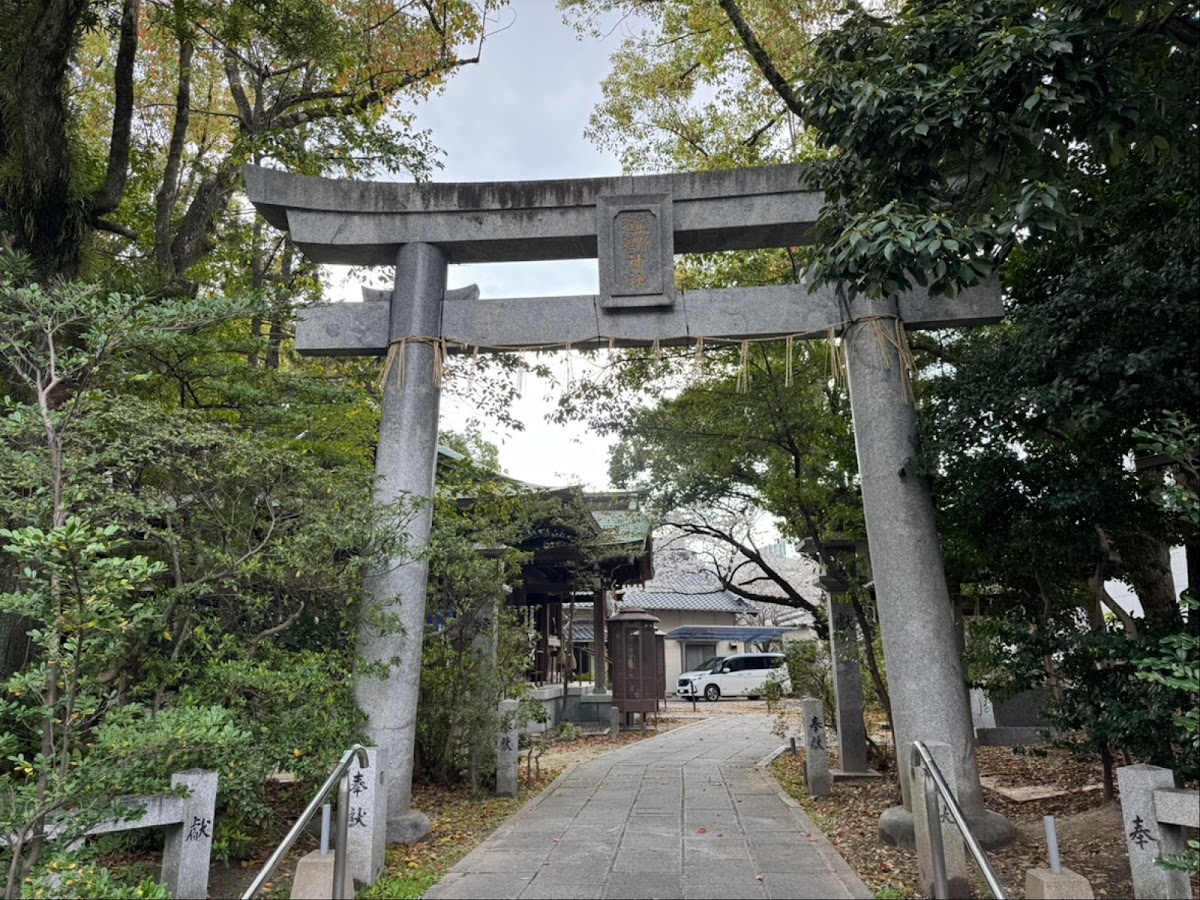
The grounds of Hongū Shrine offer a tranquil space where worshippers can calm their minds and connect with the deities.
Shrine Buildings
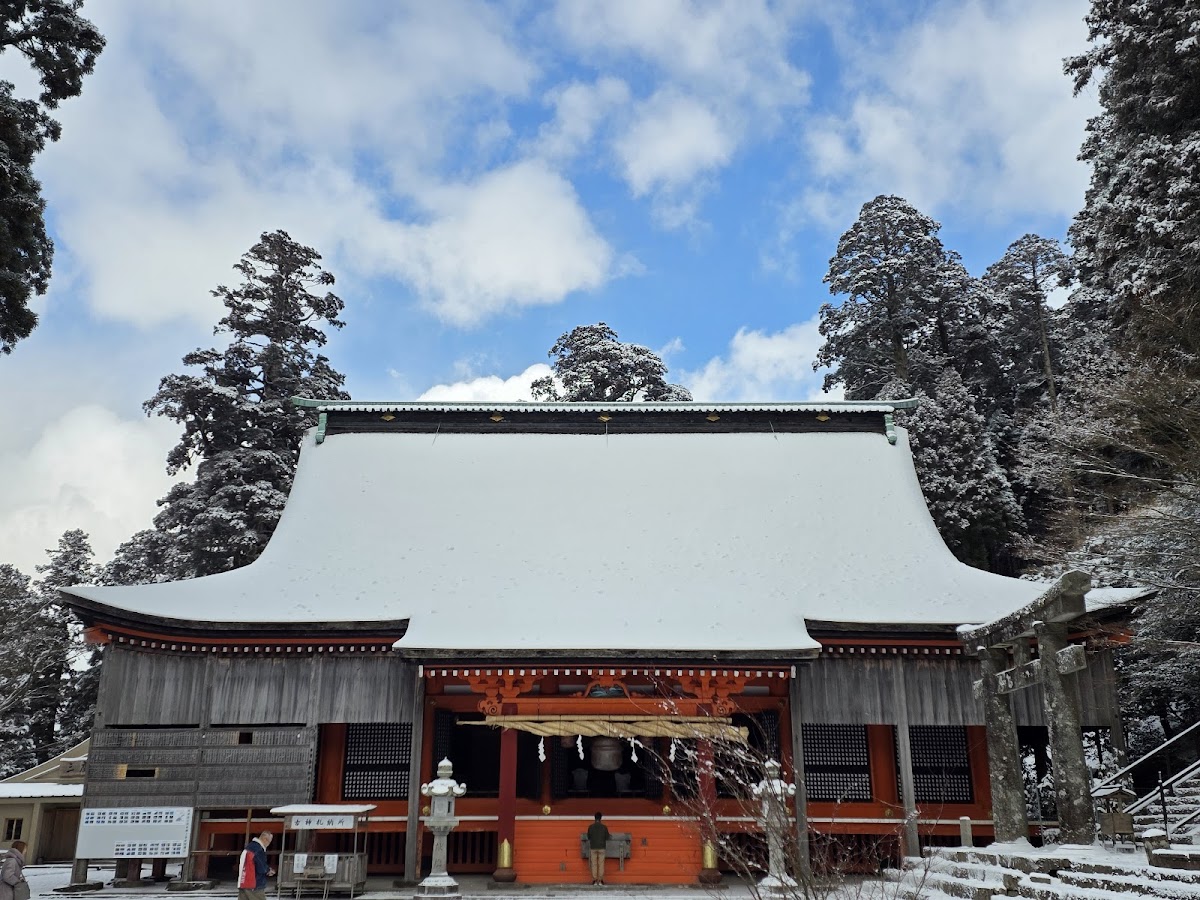
The main hall is a structure that preserves the traditional style of shrine architecture. The wooden shrine building is regularly maintained and kept beautiful through the service of local residents. At the main hall, worshippers can offer prayers to the gods using the ritual of two bows, two claps, and one bow.
Natural Environment of the Shrine Grounds
Near the rich natural environment of Akamura, the grounds of Honmiya Shrine offer beautiful scenery throughout the seasons.
- Spring: A season of vibrant new growth and the breath of life.
- Summer: Surrounded by deep greenery, the cool shade of the trees is refreshing.
- Autumn: Autumn leaves adorn the grounds, creating a tranquil atmosphere.
- Winter: A solemn atmosphere permeates the area, enveloped in silence.
Stone Monuments and Memorials
Within the shrine grounds, you may find stone monuments and memorials that tell the story of the region’s history. These are valuable historical materials that convey the history of the local people’s faith and their feelings towards the shrine.
Annual Events and Festivals
Honmiya Shrine holds various Shinto rituals and festivals throughout the year.
Main Annual Events
- New Year’s Day Festival (January 1st): A first shrine visit of the year to pray for happiness and peace in the new year.
- Spring Grand Festival: Celebrating the arrival of spring and praying for a bountiful harvest.
- Summer Purification Ceremony: Purifying oneself of the impurities accumulated over the past six months and praying for good health and well-being for the remaining half of the year.
- Autumn Grand Festival: An important festival offering thanks for the bountiful autumn harvest.
- Year-End Purification Ceremony: Purifying oneself of the impurities accumulated over the year and preparing for the new year.
Local Traditional Events
At Hongu Shrine, which is closely connected to the Akamura community, there is a possibility that unique local traditional events have been passed down. These events serve as important opportunities to strengthen community bonds across generations.
How to Visit and Manners
Here are some basic instructions on how to visit Hongu Shrine.
Basic Etiquette for Visiting a Shrine
- Bow before passing through the torii gate: This shows respect for entering the sacred area.
- Purify yourself at the water basin: Purify your left hand, then your right hand, then your mouth.
- Walk along the edge of the path: The center is considered the path of the gods.
- Etiquette at the main hall: The basic procedure is two bows, two claps, and one bow.
- First, bow deeply twice.
- Clap your hands twice.
- Pray sincerely.
- Finally, bow deeply once.
Clothing and Belongings
There are no specific dress code requirements for visiting a shrine, but please wear clean clothing that is respectful to the gods. Since the shrine grounds are in a natural setting, comfortable walking shoes are recommended.
Photography
Photography is generally permitted on the shrine grounds, but it is considered good manners to refrain from taking pictures inside the main hall or during Shinto rituals. Please be considerate of other visitors.
Access Information
This guide provides information on how to access Hongu Shrine.
Access by Car
Akamura is located in the eastern part of Fukuoka Prefecture, making it easily accessible by car.
- From Fukuoka City: Approximately 1 to 1.5 hours via the Kyushu Expressway
- From Kitakyushu City: Approximately 1 hour via National Route 322, etc.
- From Tagawa City: Approximately 20-30 minutes via prefectural roads
Parking Information
The availability and capacity of dedicated parking lots vary depending on the size and location of the shrine. It is recommended to check before visiting. Generally, local shrines provide parking spaces within the grounds or nearby, except during festivals.
Access by Public Transportation
Akamura is an area with limited public transportation options.
- Nearest Station: All stations on the JR Hitahikosan Line
- Bus: Local buses operating within Akamura may be available.
If using public transportation, it is recommended to check the schedules and routes in advance.
Nearby Tourist Attractions
We introduce the sights of Akamura and the surrounding area that you should visit in conjunction with your visit to Hongu Shrine.
Nature and Scenery of Akamura
Akamura is a region blessed with abundant nature, where you can enjoy the scenery of each season.
- Genji no Mori: A representative nature park in Akamura where you can enjoy camping and barbecues.
- Iwaishiyama: A mountain where you can enjoy mountain climbing and hiking, with a magnificent view from the summit.
- Akamura Torokko Yusubara Line: A tourist facility utilizing the site of a former mining railway.
Historical and Cultural Facilities in Tagawa District
- Tagawa City Coal and History Museum: A museum where you can learn about the history of coal mining in Chikuhō.
- Kawara Shrine: A historic shrine in Kawara Town, Tagawa District.
- Hikosan Jingu Shrine: A sacred site of Shugendō in Soeda Town.
Gourmet Information
You can also enjoy local cuisine and gourmet food unique to the Chikuhō region. Purchasing local specialties at roadside stations is also recommended.
Guidelines for Visiting Hongu Shrine
Significance of Shrine Visits
Visiting a shrine is not merely sightseeing; it is a valuable opportunity to experience traditional Japanese culture and spirituality. Cherish the time for gratitude to the gods and for self-reflection.
Consideration for the Community
Honmiya Shrine is a place of worship deeply intertwined with the lives of local residents. When visiting, please be mindful of respecting the lives and beliefs of the local people and pray quietly.
Amulets and Goshuin (Shrine Seals)
Some shrines offer amulets and Goshuin. These are tangible representations of your connection with the gods, so please treat them with care.
About Akamura
Overview of Akamura
Akamura is a small village in Tagawa District, Fukuoka Prefecture, with a population of approximately 3,000. Forests cover most of the village’s area, and it is characterized by its rich natural environment.
History and Culture
Akamura has a long history, with traces of people living in this region since ancient times. In modern times, it prospered through the coal mining industry, attracting many people. Currently, community development is focused on tourism and agriculture that utilizes the natural environment.
Local Specialties
In Akamura, agricultural products are produced utilizing the pure water and abundant nature. Fresh vegetables and processed goods can be purchased at local direct sales outlets and roadside stations.
Best Season for Visiting Hongu Shrine
Hongu Shrine is open year-round, but each season offers a different charm.
Spring (March-May)
This is a beautiful season of fresh greenery, allowing visitors to enjoy a visit in refreshing air. It is also the time of the Spring Grand Festival, offering the opportunity to witness traditional local events.
Summer (June-August)
The shrine grounds, enveloped in deep green, offer a relatively cool environment even during the hot summer months. The Summer Purification Ceremony is an important ritual marking the halfway point of the year.
Autumn (September-November)
The shrine grounds are beautifully colored during the autumn foliage season. The Autumn Grand Festival is an important festival offering thanks for the harvest, allowing visitors to experience the deep faith of the local people.
Winter (December to February)
The temple grounds, enveloped in silence during winter, exude a solemn and sacred atmosphere. Year-end ceremonies such as Hatsumode (first shrine visit of the year) and Toshikoshi Oharai (year-end purification ceremony) are held here.
Points to Note When Visiting
Weather and Clothing
Akamura is located in a mountainous area, so the weather can change quickly. Especially in winter, it can get quite cold, so be sure to dress warmly.
Insect Repellent
Due to the rich natural environment, insect repellent is especially recommended from spring to autumn.
Health Management
If there are stairs or slopes on the temple grounds, visit at a comfortable pace. Don’t forget to stay hydrated.
Future Prospects for Hongu Shrine
Amidst the depopulation and aging of the region, Hongu Shrine continues to play a vital role as the center of the local community. With the cooperation of local residents, traditions are being preserved and the shrine is being maintained, with efforts continuing to pass on faith and culture to the next generation.
Collaboration with the Community
Shrines are not merely religious institutions; they are also places that convey the history and culture of the region. The role that Hongu Shrine plays as a hub for local events and cultural activities will continue to grow in importance.
Summary
Located in Akamura, Tagawa-gun, Fukuoka Prefecture, Hongu Shrine is a precious place of worship that conveys the history and culture of the region to the present day. In its tranquil grounds surrounded by abundant nature, you can experience the traditional spirituality of Japan.
Visiting Hongu Shrine is not only an opportunity to offer prayers to the gods, but also a valuable opportunity to reflect on yourself and find peace of mind. Please visit, along with the beautiful nature of Akamura.
By respecting the faith and traditions of the local people and offering heartfelt prayers, it will surely be a memorable experience. We hope that Hongu Shrine will be a place of peace and new insight for everyone.