Miyazaki Hachimangu Shrine (Miyazaki Prefecture) Complete Guide | A Thorough Explanation of History, Goshuin (Shrine Seals), Annual Events, and Highlights of the Shrine Grounds
Located in the heart of Miyazaki City, Miyazaki Prefecture, Miyazaki Hachimangu Shrine is a venerable shrine established at the beginning of Miyazaki’s development. With a history of over 900 years dating back to the Heian period, it is cherished as the guardian deity of Miyazaki citizens. This article provides detailed information useful for visitors, including the history of Miyazaki Hachimangu Shrine, its enshrined deities, annual events, goshuin (shrine seals), and access methods.
History and Origins of Miyazaki Hachimangu Shrine
Founding History
The founding of Miyazaki Hachimangu Shrine dates back approximately 900 years to the Heian period, during the Eisho era (around 1050 AD). At that time, Amano Tametaka, the provincial governor who was in charge of developing this region, invited the deity of Usa Hachimangu Shrine, the largest shrine in Kyushu and deeply revered by people of all social classes, to develop the Miyazaki Plain.
It is believed that the Miyazaki Hachimangu Shrine originated when it was enshrined together with Tachibana no Okami, who had been worshipped in this area for a long time. This shrine has walked hand in hand with the development of Miyazaki, and can truly be said to have watched over the foundation of Miyazaki’s development.
From the Edo Period to the Present
During the Edo period, it was also known as Watabeppu Hachimangu Shrine and was revered as the local tutelary deity. A private school, Sugita Juku, was established on the shrine grounds, playing an important role as a place of education. This Sugita Juku later developed into Kamibeppu Elementary School, making a significant contribution to local education.
In December 1968 (Showa 43), it was renamed “Miyazaki Hachimangu Shrine,” and subsequently, the shrine grounds were expanded and improved. In October 1978 (Showa 53), the construction of the main shrine building, gate, and worship hall was completed, followed by the completion of the assembly hall in 1981 (Showa 56). This resulted in the shrine’s current magnificent appearance.
Deities and Divine Virtues
Deities Enshrined
Miyazaki Hachimangu Shrine enshrines the following six deities:
Hachiman-sama
- Hondawake-no-mikoto – Emperor Ojin
- Tarashinakatsuhiko-no-mikoto – Emperor Chuai
- Okinagatarashihime-no-mikoto – Empress Jingu
Creation God
- Izanagi-no-mikoto
- Izanami-no-mikoto
Local Deity
- Tachibana-no-Okami
Diverse Divine Virtues
Miyazaki Hachiman-gu Shrine is said to possess the following diverse divine virtues:
- Archery and Valor: Long-lasting military fortune, improved luck in competitions
- Education and Learning: Academic success, prayers for passing exams
- Commerce and Industry: Business prosperity, success in ventures
- Safe Childbirth and Protection: Prayers for safe childbirth, safety of the family
Due to these wide-ranging divine blessings, worshippers with various wishes visit the shrine.
Annual Events and Festivals
Miyazaki Hachimangu Shrine holds various festivals throughout the year.
Main Annual Events
New Year’s Events
- Hatsumode (First Shrine Visit of the Year): The shrine is bustling with many worshippers as the new year begins.
- Dondo-yaki Festival: A traditional event where New Year’s decorations and amulets are burned.
Setsubun Festival
The Setsubun Festival, held around February 3rd, features bean-throwing and other activities, attracting many visitors.
Nagoshi-sai (Summer Purification Festival)
This is an important festival that colors the summer in Miyazaki, and includes the procession of the portable shrine. The Nagoshi-sai is a beloved summer tradition in Miyazaki City, attracting many worshippers. Shinto rituals such as passing through a ring of reeds are performed, symbolizing purification and cleansing of impurities accumulated over the past six months.
Autumn Grand Festival
In autumn, the Grand Festival is held, featuring a procession of the portable shrine.
These festivals are important events for the citizens of Miyazaki, allowing them to experience the changing seasons.
About Prayers and Sacred Offerings
Miyazaki Hachimangu Shrine accepts prayers for various life milestones and wishes.
Main Types of Prayers
- First Shrine Visit (Omiyamairi): Praying for the healthy growth of a baby
- Shichi-Go-San Ceremony: Expressing gratitude for a child’s growth and praying for their future health
- Exorcism: Purifying oneself from misfortune during one’s unlucky year
- Vehicle Exorcism (Traffic Safety Prayer): Praying for the safety of a vehicle
- Safe Childbirth Prayer: Praying for the health of mother and child and a safe delivery
- Prayer for Success in Exams: Praying for success in exams and tests
- Business Prosperity: Praying for the development and prosperity of one’s business
- Family Safety: Praying for the health and peace of the family
- Wedding Ceremony: Shinto wedding ceremonies are also held.
If you wish to request a prayer, it is recommended that you contact the shrine in advance.
Souvenirs and Goshuin (Shrine Seals)
About Souvenirs
Miyazaki Hachimangu Shrine offers a variety of souvenirs.
- Amulets: Various types for traffic safety, academic success, protection from evil, etc.
- Talisman: For family safety, business prosperity, etc.
- Demon-repelling arrow: For New Year’s and protection from evil
- Votive tablet: Write your wish and dedicate it
About Goshuin (Shrine Seals)
Goshuin are available at Miyazaki Hachimangu Shrine. Goshuin are popular as proof of worship and as a way to forge a connection with the shrine.
When receiving a Goshuin, please note the following:
- Always worship before receiving a Goshuin
- Bring your Goshuincho (Goshuin notebook)
- Check the shrine office’s opening hours
- Request politely
Goshuin are not just stamps; they are important for forging a connection with the gods. Worship with sincerity and receive your Goshuin with gratitude.
Highlights of the Shrine Grounds
Shrine Buildings and Grounds Facilities
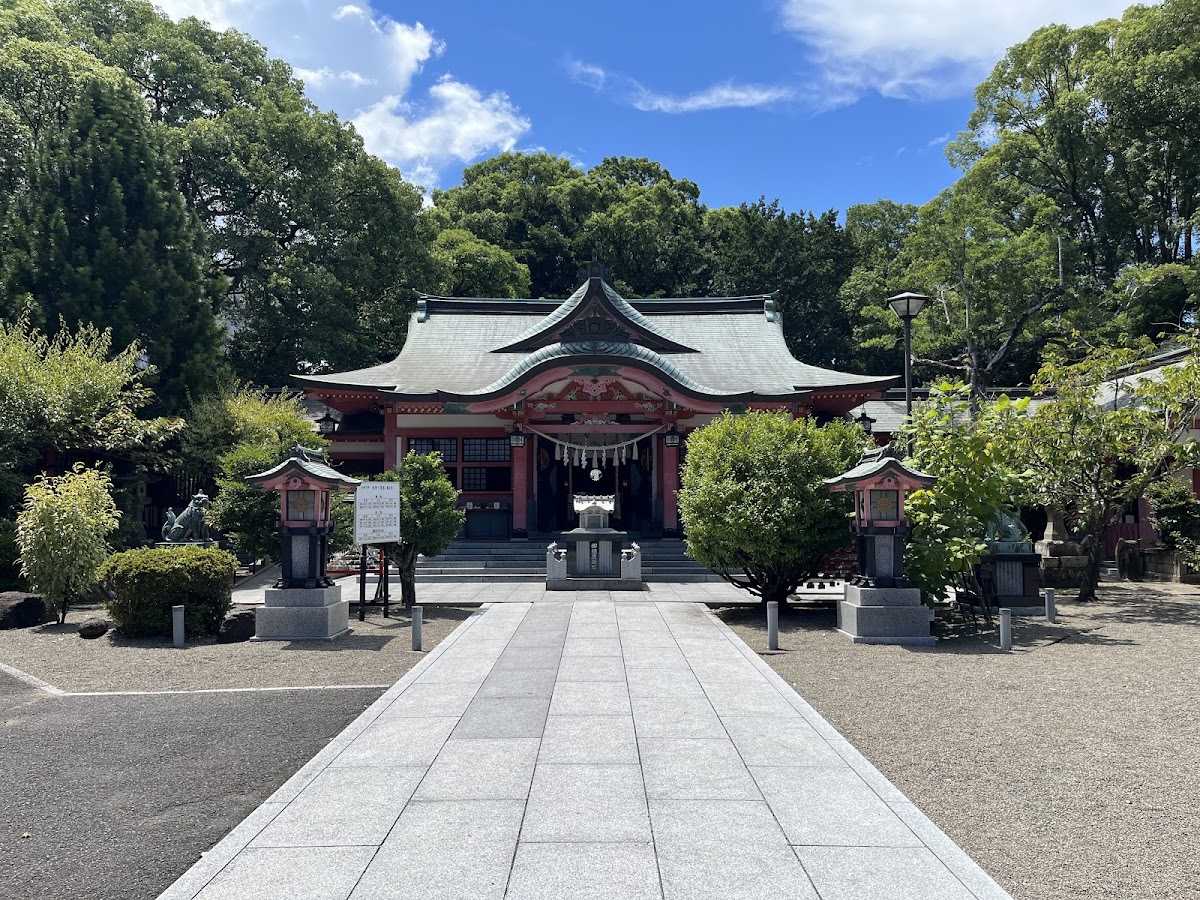
Miyazaki Hachimangu Shrine’s grounds contain various facilities, including a magnificent shrine building completed in 1978.
Main Hall and Worship Hall
The majestic shrine building, constructed in the Showa era, conveys the beauty of traditional shrine architecture to this day.
Shrine Gate
The shrine gate, which serves as the entrance to the grounds, guides worshippers into the sacred realm.
Assembly Hall
Completed in 1981, the assembly hall is used for various festivals and ceremonies.
Ossuary and Ancestral Hall
Miyazaki Hachimangu Shrine also has an ossuary and an ancestral hall where you can enshrine the spirits of your ancestors.
Atmosphere of the Shrine Grounds
Despite its location in the heart of Miyazaki City, the shrine grounds are enveloped in a quiet and peaceful atmosphere. It is a space where you can leave the hustle and bustle of the city and worship in peace. Despite being a historical place, it is very quiet, and the ability to explore at a leisurely pace is one of its charms. ## Access and Visiting Information
Location
Address: Miyata-cho, Miyazaki City, Miyazaki Prefecture
Located almost in the center of Miyazaki city, it is very close to the Miyazaki Prefectural Government Office. It is also within walking distance of Tachibana Street, making it truly a prime location for the guardian shrine of Miyazaki City.
Access by Train
From JR Miyazaki Station
- Approximately 15 minutes on foot
- Head southwest from the station
It is within walking distance from Miyazaki Station, and it is recommended to enjoy a stroll on the way.
Access by Car
Parking
Parking is available directly in front of the torii gate.
Notes
The surrounding area has many one-way streets. Please check road signs carefully to avoid traffic violations. Even when using a car navigation system, please follow the one-way street instructions.
Visiting Hours
While the shrine grounds are generally open for free visits, there are set times for prayers and the reception of amulets. For detailed times, please contact the shrine in advance.
Nearby Tourist Attractions
There are many Miyazaki tourist attractions around Miyazaki Hachimangu Shrine.
Miyazaki Prefectural Government Building
Located very close to the shrine, the Miyazaki Prefectural Government Building’s main building is designated as a National Registered Tangible Cultural Property. Built in the early Showa period, the observation lobby offers a panoramic view of Miyazaki city.
Tachibana Street
Tachibana Street, Miyazaki City’s main street, is an area where you can enjoy shopping and dining. It is within walking distance of Miyazaki Hachimangu Shrine.
Miyazaki Jingu Shrine
Although a separate shrine from Miyazaki Hachimangu Shrine, it is a representative shrine of Miyazaki, dedicated to Emperor Jimmu. If you have time, it would be good to visit both.
The Charm of Miyazaki Hachimangu Shrine
As the Guardian Deity of the Citizens
Miyazaki Hachimangu Shrine is a familiar guardian deity for the citizens of Miyazaki. This shrine is visited at various milestones in life, from a baby’s first shrine visit to Shichi-Go-San (a traditional rite of passage for children), school entrance, employment, and weddings.
Among the approximately 40,000 Hachiman shrines nationwide, Miyazaki Hachimangu Shrine, with its history intertwined with the development of Miyazaki, is a special and deeply rooted presence in the community.
History as a Center for Education
As evidenced by the establishment of the private school, Sugita Juku, within the shrine grounds during the Edo period, Miyazaki Hachimangu Shrine has also been revered as a god of learning. The fact that this Sugita Juku later developed into Kamibeppu Elementary School speaks volumes about the significant role the shrine played in local education.
Even today, many students and those preparing for exams visit the shrine to pray for academic success and passing their exams, continuing its tradition as a god of education.
An Oasis in the City
Despite its convenient location in the heart of Miyazaki City, the shrine grounds are a sacred space enveloped in tranquility. It is a precious place where one can escape the hustle and bustle of everyday life and find peace of mind during worship.
Its proximity to business and commercial areas makes it easily accessible for a visit during work breaks or while shopping.
Etiquette for Visiting a Shrine
When visiting a shrine, please observe the following basic etiquette.
How to Pass Through the Torii Gate
The torii gate is the entrance to the sacred area. Bow before passing through. Since the center of the path is considered the path of the gods, it is polite to walk along the side.
How to Wash Your Hands
- Hold the ladle in your right hand and wash your left hand.
- Switch the ladle to your left hand and wash your right hand.
- Switch the ladle back to your right hand, receive water in your left hand, and rinse your mouth.
- Wash your left hand once more.
- Stand the ladle upright to wash the handle and return it to its original position.
How to Bow
The basic method is “two bows, two claps, one bow.”
- Bow deeply twice.
- Clap your hands twice at chest height.
- Bow deeply once more.
Summary
Miyazaki Hachimangu Shrine is the tutelary shrine of Miyazaki citizens, with a history of over 900 years since its founding in the Heian period. As a historically significant shrine established at the beginning of Miyazaki’s development, and possessing diverse divine virtues including martial prowess, academic success, commerce, and safe childbirth, it is revered by many.
Despite its convenient location in the heart of Miyazaki City, the shrine grounds offer a quiet and peaceful atmosphere, providing a valuable space for peaceful worship. Various festivals are held throughout the year, such as the New Year’s Dondo-yaki Festival, Setsubun Festival, and Summer Natsukoshi Festival, making it a beloved place for local residents.
When visiting Miyazaki, be sure to visit Miyazaki Hachimangu Shrine and experience its over 900 years of history, tradition, and sacred atmosphere. Receiving a Goshuin (shrine stamp) or participating in seasonal festivals will allow you to experience Miyazaki’s culture more deeply.
Miyazaki Hachimangu Shrine, which has served as the guardian shrine for the citizens of Miyazaki and has watched over the development of the city, will undoubtedly continue to be a spiritual haven for many people.