Complete Guide to Odo Shrine (Miyazaki Prefecture, Miyazaki City) | Exploring the Sacred Site of Purification and its Approximately 1900-Year History
Odo Shrine, located in the heart of Miyazaki City, overlooking the clear waters of the Oyodo River, is known as a sacred site of purification in Japanese mythology. This ancient shrine, boasting a history of approximately 1900 years, is affectionately known as “Odo-san” by locals and continues to attract unwavering devotion. This article provides a detailed introduction to Odo Shrine, from its history and highlights to annual events and access information.
History and Origins of Odo Shrine
Founding Legend Approximately 1900 Years Ago
Odo Shrine is said to have been founded by order of Emperor Keiko, the 12th emperor. This dates back to the 740s AD, approximately 1900 years ago, making it one of the oldest shrines in Japan. Since ancient times, it has been known as “Odo Daimyojin” and has been deeply revered by the local people.
Japanese Mythology and the Land of Odo
The name of Odo Shrine originates from “Odo” in “Tsukusa no Hyuga no Odo no Odo no Awagihara,” the site of Izanagi-no-Okami’s purification ritual as recorded in the Kojiki (Records of Ancient Matters).
It is believed that after Izanagi-no-Okami returned from the underworld, he performed a purification ritual to cleanse himself of defilement in this land of Odo in Hyuga. Because many gods, including Amaterasu-Omikami, Tsukuyomi-no-Mikoto, and Susanoo-no-Mikoto, were born from this sacred purification ritual, Odo Shrine holds special significance as a “sacred place of birth for many gods.”
Kodo as Inscribed in the Harae Kotoba
The Harae Kotoba, an important Shinto prayer, contains the line, “At Awagihara in Tachibana no Kodo of Hyuga in Tsukushi,” and this “Kodo” is deeply connected to the history of this shrine. The Harae Kotoba is a prayer recited during festivals and Shinto rituals at shrines, demonstrating that the name of Kodo Shrine is inscribed at the very core of Japanese Shinto culture.
Changes and Relocation Since the Meiji Era
After the Meiji Restoration, the shrine was renamed from “Kodo Daimyojin” to “Kodo Shrine.” Then, in 1934 (Showa 9), due to the expansion of Tachibana Street in the center of Miyazaki City, it was relocated to its current location at 3-93 Tsurushima, Miyazaki City, along the Oyodo River.
This new location is near the historically significant Oyodo River, blessed with clean water and a lush green environment. The entire old town area was once known as “Odo,” and in particular, the Odo-no-se area of Odo-cho at the mouth of the Oyodo River has been revered since ancient times as a sacred place for the enshrinement of Odo Shrine.
Deities and Divine Virtues
Main Deity: Izanagi-no-Okami
The main deity of Odo Shrine is Izanagi-no-Okami, the god of creation in Japanese mythology. Izanagi-no-Okami, along with his wife Izanami-no-Mikoto, is a creator god who gave birth to the Japanese archipelago and many gods, and is known as the god who gave birth to Amaterasu-Omikami and the other three noble children through purification rituals.
Divine Virtues
Odo Shrine, which enshrines Izanagi-no-Okami, is believed to possess the following divine virtues:
- Protection from Evil and Misfortune: As a god of purification, possessing the power to cleanse and purify impurities.
- Family Safety: As the god who created the land and the gods, offering blessings for family harmony.
- Good Fortune and Prosperity: Power of new beginnings and creation.
- Matchmaking: The bond between the divine couple Izanagi and Izanami.
- Purification of Mind and Body: Power to purify mind and body as a sacred place of purification.
Highlights of the Shrine Grounds
The Magnificent Worship Hall
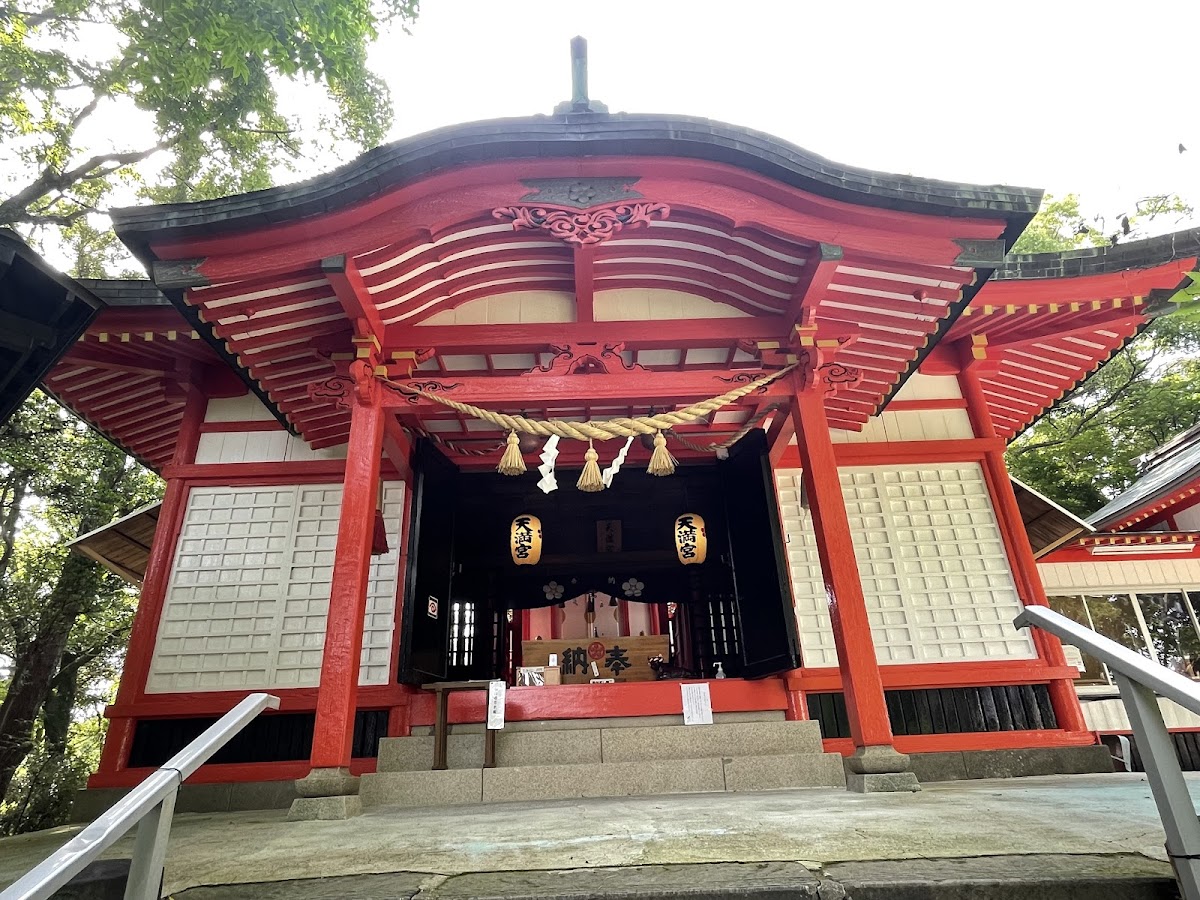
Upon passing through the main gate, a large and imposing worship hall comes into view. Built on flat ground, it doesn’t feel intimidating, and the surrounding trees create a tranquil atmosphere. The architectural style of the worship hall conveys the beauty of traditional shrine architecture, quietly welcoming visitors.
The Sacred Magnolia obovata (Spirit-Inviting Tree)
Standing directly in front of the shrine gate is a magnificent sacred tree, the Magnolia obovata (Spirit-Inviting Tree). The Magnolia obovata is considered sacred in Shintoism, and as its name suggests, it has been worshipped since ancient times as a tree that “invites spirits,” or divine beings.
This sacred tree has grown large over many years and has become a symbolic presence within the shrine grounds. Standing beside the tree, one can feel the refreshing air and sacred atmosphere.
The Clear Waters and Natural Environment of the Oyodo River
Odo Shrine is located on the banks of the Oyodo River, and from the shrine grounds, one can see the clear flow of the river. Located slightly upstream from Miyazaki City Hall, this place, while in the heart of the city, is blessed with abundant nature and is cherished by the local people as a “guardian forest.”
The shrine grounds, surrounded by trees, are gently breezy, creating a healing space where one can feel the changing seasons.
Orix Buffaloes’ Ema (votive tablet) Hanging Plaque
When the professional baseball team Orix Buffaloes holds their training camp in Miyazaki, it is customary for them to visit Odo Shrine, and a special ema hanging plaque is set up there. It’s an interesting spot for sports fans, as you can see the ema bearing the players’ prayers for victory.
Annual Events and Festivals
Odo Shrine holds various festivals throughout the year.
Minazuki Tsuitachi-sai (June 1st Festival)
The Tsuitachi-sai, held on June 1st, is a festival to express gratitude to the gods at the beginning of the month and pray for peace in the new month. Minazuki corresponds to the sixth month of the lunar calendar, and since it is also the rainy season, prayers are offered for the blessings of water and protection from disasters.
Minazuki Tsukinasai (June 15th)
The Tsukinasai (monthly festival) is held on June 15th. The Tsukinasai is a festival held on a designated day each month, and is an important Shinto ritual to offer daily peace and gratitude to the gods. ### Annual Festival (October 15th)
The annual festival, held on October 15th, is the most important festival of the year for Odo Shrine. During the festival, prayers are offered for gratitude to the gods, the prosperity of the region, and the peace and well-being of parishioners and worshippers. Many worshippers visit, and the shrine grounds are enveloped in a solemn atmosphere.
Seto Shrine Annual Festival
The annual festival of Seto Shrine, located within the grounds of Odo Shrine or its related shrine, is also an important event. It has a long history of being worshipped as a guardian deity of the region.
Meiji Festival (November 3rd)
The Meiji Festival on November 3rd is a festival that honors the virtues of Emperor Meiji and expresses gratitude for the development of modern Japan. On this day, which is also a national holiday known as Culture Day, special Shinto rituals are performed at the shrine.
Other Festivals
In addition to the above, many other festivals are held throughout the year, including the New Year’s Day Festival, the Setsubun Festival, and the Spring and Autumn Purification Ceremonies. Details and dates of the festival can be found on the official website.
Various Prayers and Purifications
At Odo Shrine, you can receive prayers and purifications tailored to various milestones and wishes in your life.
Main Prayers Offered
- First Shrine Visit: Reporting the birth of a baby to the gods and praying for healthy growth.
- Seven-Five-Three Ceremony: Celebrating a child’s growth and praying for future health and happiness.
- Exorcism Prayer: Praying for protection from misfortune during unlucky years and for peace.
- Safe Childbirth Prayer: Praying for a safe delivery with both mother and child in good health.
- Traffic Safety Prayer: Praying for blessings for the car and for traffic safety.
- Family Safety: Praying for the health of the family and peace in the home.
- Business Prosperity: Praying for the development of the business and prosperity.
- Prayer for Success in Exams: Praying for success in exams and tests.
- Recovery from Illness: Praying for recovery from illness and good health.
Exorcism
At Odo Shrine, a sacred place for purification, exorcisms that cleanse the mind and body are considered particularly powerful. We accept requests for purification ceremonies for various occasions, such as ground-breaking ceremonies for new constructions, pre-opening purification ceremonies, and protection against misfortune.
We recommend making a reservation by phone in advance if you wish to request a prayer or purification ceremony.
Goshuin (Shrine Seal) Information
Odo Shrine offers goshuin as proof of worship.
Features of the Goshuin
The goshuin features the calligraphy and red seal of “Odo Shrine,” along with the date of visit. The simple yet powerful calligraphy conveys the dignity of this sacred place of purification.
How to Receive
Goshuin can be received at the shrine office. You can bring your own goshuincho (seal book) or purchase one at the office. Please visit the shrine office after your visit and make your request respectfully.
The reception hours are generally from 9:00 AM to around 5:00 PM, but these may change due to festivals and Shinto rituals. Therefore, if you wish to be sure to receive a blessing, it is recommended to confirm by phone in advance.
Living in the Present Moment | The Spirit of Odo Shrine
The official website of Odo Shrine displays the phrase “Living in the Present Moment.” This is an important concept in Shintoism, meaning “to cherish and live in this present moment.”
Gratitude for Three Kinds of Life
Odo Shrine teaches worshippers to be grateful for three kinds of life:
- Life Received from the Great Gods: Gratitude for life itself bestowed by the gods
- Life Sustained in Nature: Gratitude for life supported by the blessings of nature
- Life Connected from Our Ancestors: Gratitude for the continuity of life passed down through generations
Offering sincere gratitude for all of these and praying for further blessings is considered the proper way to visit Odo Shrine.
Commemorative Projects and Conservation Activities
80th Anniversary of the Shrine’s Relocation
To commemorate the 80th anniversary of the shrine’s relocation to its current site in 1934 (Showa 9), a commemorative project was implemented. This project included repairs to the shrine buildings and improvements to the grounds, advancing efforts to pass on the shrine to future generations.
Commemorative Project for the Imperial Succession
A project commemorating the imperial succession to the Reiwa era was also implemented, aiming to ensure the shrine’s role in the new era and the continuation of its traditions.
Conservation Project for the Shrine’s Grove
In the increasingly urbanized heart of Miyazaki City, the grounds of Odo Shrine remain a valuable green space. The conservation project for the shrine’s grove involves continuous efforts to protect the sacred trees and other trees on the grounds, maintain the ecosystem, and improve the environment.
These projects are supported by donations from parishioners and worshippers, demonstrating the deep affection the local people have for the shrine.
Access Information
Basic Information
- Address: 3-93 Tsurushima, Miyazaki City, Miyazaki Prefecture 880-0014
- Phone: 0985-23-6684
- Parking: Maximum capacity of 50 cars (free)
- Former Shrine Rank: Village Shrine
- Former Province: Hyuga Province, Miyazaki District
Access by Car
From Miyazaki Station
- Approximately 10 minutes by car from Miyazaki Station
- Proceed along National Route 220, following the Oyodo River
From Miyazaki Airport
- Approximately 20 minutes by car from Miyazaki Airport
- Take the Miyazaki Airport Expressway towards the city center
From Miyazaki IC
- Approximately 15 minutes by car from Miyazaki IC
- Proceed along National Route 10 towards the city center
The parking lot is adjacent to the shrine grounds and can accommodate up to 50 cars. During peak seasons such as New Year’s Day and annual festivals, the parking lot can become full, so we recommend visiting with plenty of time to spare.
Access by Public Transportation
By Bus
- Take a Miyazaki Kotsu bus from JR Miyazaki Station
- Get off at the “Tsurushima” bus stop and walk for about 5 minutes
- Multiple bus routes pass through the Tsurushima bus stop, making it relatively easy to access.
Walking/Cycling
- Approximately 15 minutes on foot from Miyazaki City Hall
- Approximately 20 minutes on foot from Tachibana-dori in the center of Miyazaki City
- You can also comfortably access the shrine by bicycle using the cycling path along the Oyodo River.
Nearby Attractions
Awakigahara
Located about 15 minutes by car from Odo Shrine, Awakigahara is a sacred site said to be where Izanagi-no-Okami performed a purification ritual. It features a purification pond and Eda Shrine, and many people visit it in conjunction with Odo Shrine.
Miyazaki Shrine
Miyazaki Shrine, dedicated to Emperor Jimmu, the first emperor of Japan, is located about a 10-minute drive from Odo Shrine. As one of Miyazaki’s most representative shrines, it attracts many visitors.
Oyodo River Embankment
The embankment of the Oyodo River, which flows right next to Odo Shrine, is an ideal spot for strolling and jogging. Especially in spring, the cherry blossoms bloom beautifully, making it a popular spot for cherry blossom viewing.
Manners and Etiquette for Visiting a Shrine
Etiquette for Visiting a Shrine
- Bow before passing through the torii gate: This is a sign of respect before entering the sacred area.
- Purify yourself at the water basin: Purify your left hand, then your right hand, then your mouth, and finally the handle of the ladle.
- Walk along the edge of the path: The center is considered the path of the gods.
- Etiquette at the main hall: Two bows, two claps, one bow (bowing deeply twice, clapping twice, bowing deeply once).
Regarding Attire
There are no strict regulations, but please be mindful that this is a sacred place and dress cleanly and appropriately. Formal attire or similar attire is desirable when receiving prayers or purification rituals.
Regarding Photography
Photography is generally permitted within the shrine grounds, but please refrain from taking pictures inside the main hall or during Shinto rituals. Also, please be considerate of other visitors.
The Charm of Odo Shrine | Summary
Odo Shrine boasts a history of approximately 1900 years as a sacred site of purification in Japanese mythology, and continues to attract the faith of many people. Despite being located in the heart of the city, its grounds, surrounded by the clear waters of the Oyodo River and lush greenery, are ideal for calming the mind and escaping the hustle and bustle of daily life to reflect on oneself.
The sacredness of being the birthplace of gods, including Amaterasu Omikami, born from Izanagi Omikami’s purification ritual; the name “Odo” inscribed in the purification prayer; and the Shinto spirit of “living in the present moment”—all of these elements make Odo Shrine a special place.
When you visit Miyazaki, be sure to visit Odo Shrine, purify your mind and body at this sacred site of purification, and gain new strength. Why not offer your own wishes to the gods at this shrine, where even the players of the Orix Buffaloes pray for victory?
Odo Shrine, nestled amidst the pristine flow of the Oyodo River, continues to mark the passage of time. In its tranquil atmosphere, you can spend a precious time feeling the connection between Japanese mythology and history, and to yourself.