Myōde Shrine (Miyazaki Prefecture) Complete Guide | A Thorough Explanation of History, Blessings, Access, and Highlights
Myōde Shrine, located in Shimokita-cho, Miyazaki City, Miyazaki Prefecture, is a venerable shrine with a history dating back to the Kamakura period. Having received a divided spirit from Tsurugaoka Hachimangu Shrine in Sagami Province, this shrine has a long history as the local guardian deity. This guide provides a detailed overview of its origins and history to the present day.
Basic Information about Myōde Shrine
Official Name: Myōde Shrine
Location: Shimokita-cho, Miyazaki City, Miyazaki Prefecture
Former Name: Wakamiya Shrine
Deities Enshrined: Emperor Ōjin, Kagekiyo Reishin
Founded: 1348 (Jōwa 4)
Shrine Rank: Village Shrine
Myōde Shrine is located in Shimokita-cho, slightly north of the center of Miyazaki City. It was formerly called “Wakamiya Shrine,” but after the Meiji-era shrine mergers, it became known as “Myōde Shrine.”
History and Origins of Myōde Shrine
Founding History and Connection with the Itō Clan
Myōde Shrine was founded in 1348 (Jōwa 4). At that time, Lord Ito Yamato-no-kami Sukeshige, the lord of Ukifune Castle in Hyuga Province, invited a divided spirit from Tsurugaoka Hachimangu Shrine in Sagami Province and built a shrine, marking the beginning of this place.
The Ito clan was a powerful samurai family in Hyuga Province (present-day Miyazaki Prefecture), controlling a large area of Hyuga from the Kamakura period to the Sengoku period. Lord Ito Sukeshige, deeply devoted to Tsurugaoka Hachimangu Shrine, founded a shrine to Hachiman in this area and donated 2 cho 5 tan of land in Kamikita-sho as sacred territory.
Origin of the Place Name “Nada”
The place name “Nada” has existed since ancient times as a single place name in Shimokita-gata Village. The “Hyuga Chishi” (Hyuga Local History) lists it as “Nada Village,” explaining that “it is located on the north bank of the Akae River in the southern corner of the main village, and separates from the original main village to form a separate village.”
An even older record, the “Hyuga Province County Register,” contains the description “12 cho of Myōden,” suggesting that this region was an important area from ancient times. While the name “Akehira Village” is also used, “Myōden” is considered the correct place name due to its connection with the Miyazaki Manor.
The place name Myōden is thought to originate from “Myōden” in the Ritsuryo system. Myōden refers to land that was privately owned, named after the person who cultivated it; this land system spread with the development of the manor system.
Shrine Mergers and Changes in Shrine Names during the Meiji Era
Myōden Shrine underwent significant changes due to the shrine reorganization policies of the Meiji era.
- November 1871 (Meiji 4): Merged with Kagekiyo Shrine in Shimokita Village
- January 20, 1873 (Meiji 6): Restored together with Kagekiyo Reijin at the former Kameyama Shrine
- From this time, it came to be called “Nada Shrine”
- Until then, it was called “Wakamiya Shrine”
The Meiji government’s policy of consolidating shrines was a movement to integrate small shrines throughout the country. In this process, Nada Shrine merged with Kagekiyo Shrine, and the deities of both shrines were enshrined together.
Relationship with Kagekiyo Reijin
Kagekiyo Reijin (Taira no Kagekiyo) was a samurai of the late Heian period, a Taira clan general who played an active role in the Genpei War. He is known as a brave warrior, and there is a legend that he continued to resist the Minamoto clan even after the Battle of Dan-no-ura.
There is a tradition that Kagekiyo was exiled to Hyuga Province after his defeat, and many shrines and legends related to Kagekiyo remain in Miyazaki Prefecture. With the merger of Nada Shrine and Kagekiyo Shrine, Kagekiyo Reijin came to be enshrined alongside Emperor Ōjin as a deity.
Deities and Benefits
Emperor Ōjin
Emperor Ōjin, the principal deity of Nada Shrine, was the 15th Emperor and is enshrined as Hachiman-sama in Hachiman shrines throughout Japan. He is the central deity of this shrine, having been invited from Tsurugaoka Hachiman-gū.
Benefits of Emperor Ōjin:
- Long-lasting military fortune and success in battles
- National peace and protection of the land
- Industrial development and prosperity
- Traffic safety
- Protection from evil and good fortune
Kagekiyo Reijin
Kagekiyo Reijin, the deified form of Taira no Kagekiyo, is revered for his bravery and indomitable spirit.
Benefits of Kagekiyo Reijin:
- Military fortune and success in competitions
- Overcoming difficulties and an indomitable spirit
- Healing of eye diseases (from the legend that Kagekiyo blinded himself in prison)
- Protection from evil and misfortune
General Benefits
At Nada Shrine, the following benefits are expected from the divine virtues of these enshrined deities:
- Success in competitions and prayers: For exams, job hunting, business success, etc.
- Protection from evil and good fortune: Protection at turning points in life
- Family safety and community protection: Peace and security in the community as the guardian deity
- Traffic safety: Safety of travel in modern times
- Industrial development: Business prosperity and success
Highlights of the Shrine Grounds
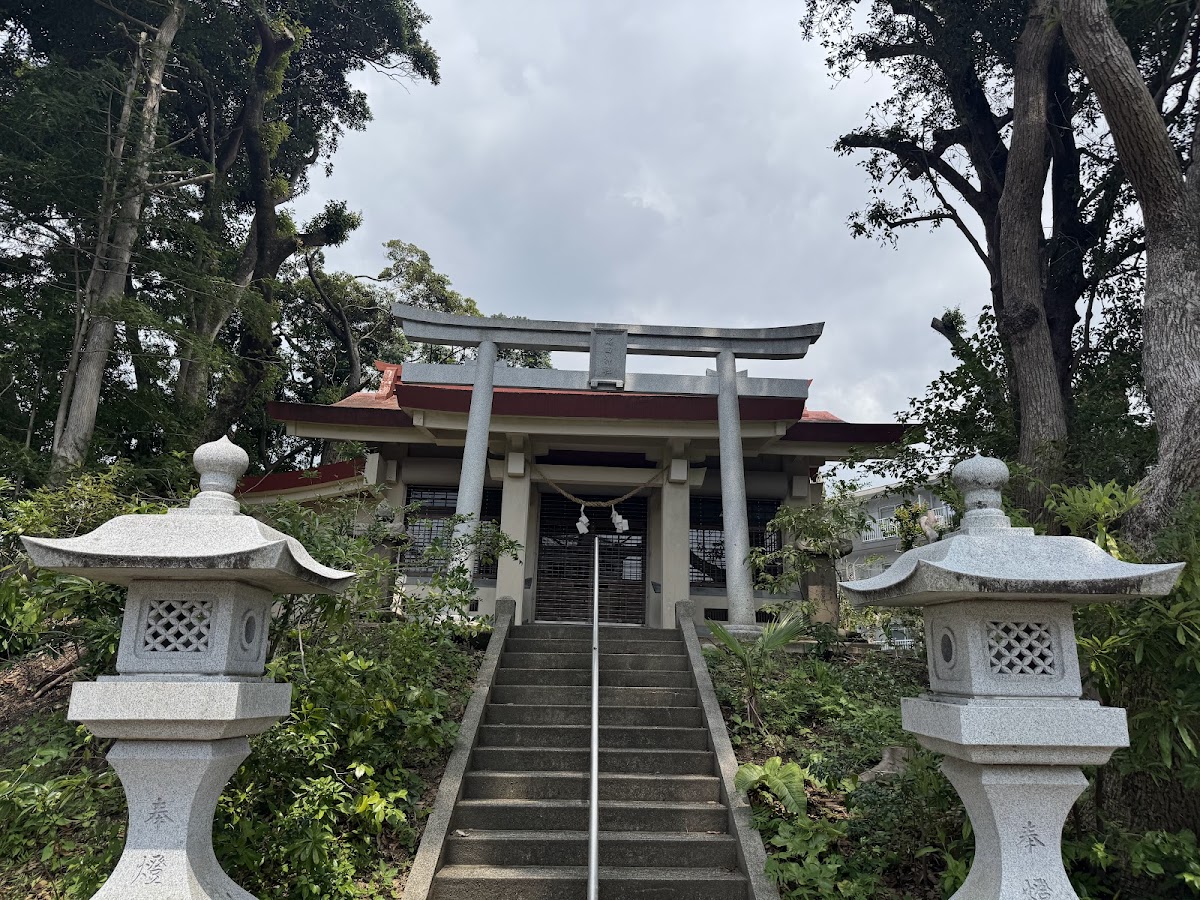
Main Hall and Worship Hall
The main hall of Nada Shrine preserves the traditional style of shrine architecture. Since its founding in 1348 (Jōwa 4), the shrine has been maintained as a center of faith for the local people, undergoing several repairs along the way.
At the worship hall, visitors can be seen offering heartfelt prayers daily. The simple yet solemn atmosphere of the shrine evokes a sense of its long history.
Shrine Grove
Around the shrine, trees that have grown over many years form a shrine grove. These trees act as a protective barrier for the sacred space of the shrine, and remain a valuable natural space even amidst increasing urbanization.
Stone Monuments and Memorials
Within the shrine grounds, there are stone monuments that tell the history of the shrine and memorials that inscribe the history of the region. These are evidence of Nada Shrine’s growth alongside the community and are valuable resources for studying local history.
Annual Festivals and Events
Annual Grand Festival
Nada Shrine holds its annual grand festival every autumn. Local parishioners gather for the procession of the portable shrine and the dedication ceremonies, making it an important opportunity to deepen the bonds of the local community.
First Shrine Visit of the Year
At the start of the new year, local people visit the shrine for their first shrine visit of the year, praying for peace and happiness throughout the year. Although it is a relatively small shrine, it is cherished as the local guardian deity and is bustling with many worshippers.
Other Annual Events
- Spring Festival: Celebrating the arrival of spring and praying for a bountiful harvest
- Summer Purification Ceremony: A Shinto ritual to cleanse away the impurities accumulated over the past six months
- Shichi-Go-San Festival: Celebrating the growth of children
- Monthly Festival: A regular monthly festival
Access Information
Location
Address: Shimokita-cho, Miyazaki City, Miyazaki Prefecture
Access by Public Transportation
From JR Miyazaki Station:
- Take the Miyazaki Kotsu bus bound for “Shimokita-cho”
- Get off at the “Shimokita-cho” bus stop and walk for approximately 5-10 minutes
- Travel time: Approximately 20-30 minutes
Access by Car
From Miyazaki City Center:
- Head north on National Route 10
- Towards Shimokita-cho
- Travel time: Approximately 15 minutes
From Miyazaki Expressway:
- Approximately 20 minutes from Miyazaki IC
Parking
There are parking spaces for visitors commensurate with the size of the shrine. During events such as the annual festival, congestion is expected, so we recommend considering using public transportation.
Manners and Etiquette for Visiting a Shrine
Basic Etiquette for Visiting a Shrine
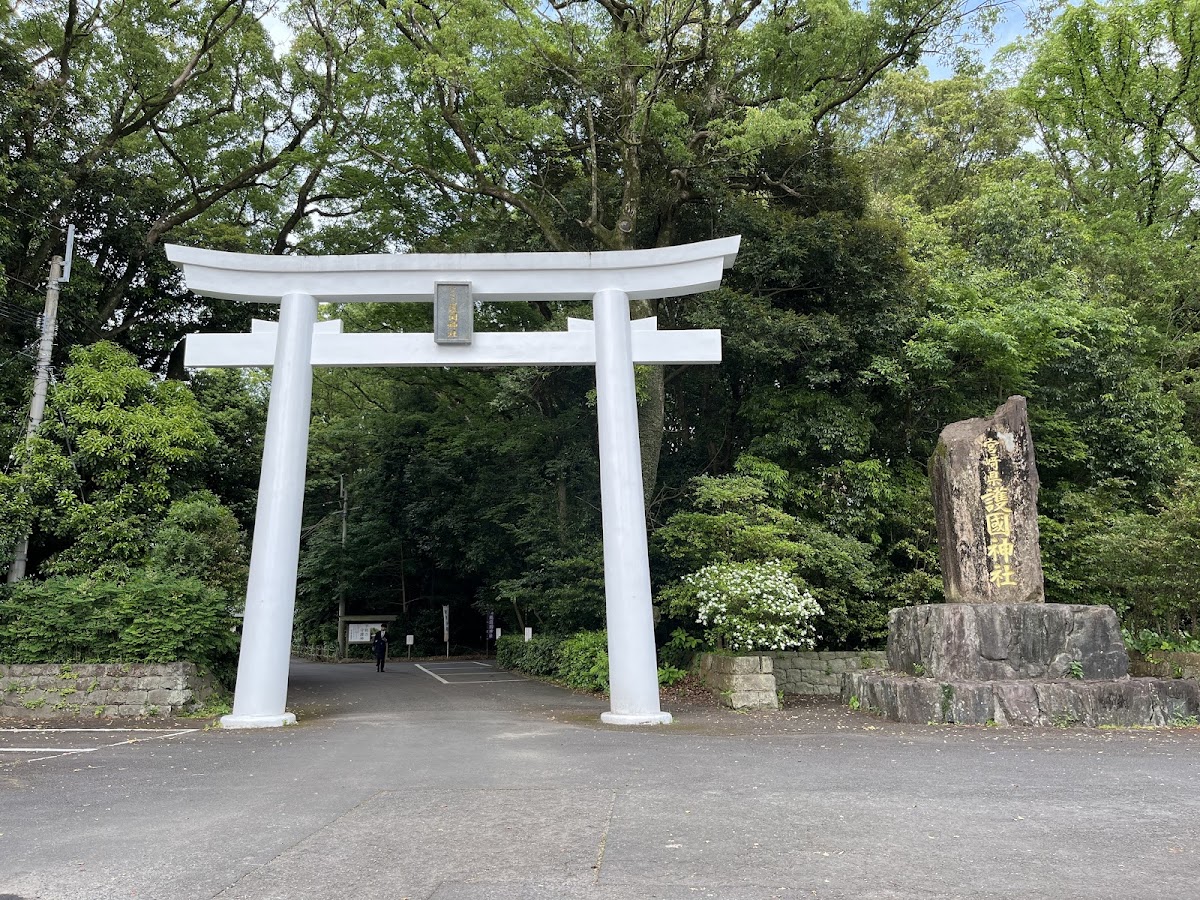
- Bow before passing through the torii gate: A courtesy before entering the sacred area
- Walk along the edge of the path: The center is the path for the gods
- Purify yourself at the water basin: Left hand → Right hand → Mouth → Handle of the ladle in the left hand
- Worship at the main hall: Two bows, two claps, one bow is the basic procedure
Attire for Visiting a Shrine
Everyday clothes are acceptable, but it is desirable to wear clothing that reflects the sacred nature of the place. Especially when making a formal visit or receiving prayers, somewhat formal attire is appropriate.
Regarding Photography
Photography is generally permitted within the shrine grounds, but it is considered good manners to refrain from taking pictures inside the main hall or during religious ceremonies. Please also be considerate of other visitors.
Attractions Around Nada Shrine
History of the Shimokita District
The Shimokita district has long developed as the center of the northern region of Miyazaki. Around Nada Shrine, old townscapes and historical buildings remain, allowing you to experience the region’s history through a stroll.
Akae River
The Akae River, mentioned in the “Hyuga Chishi” (a local history book), flows south of the Nada district. This river has long been closely intertwined with the lives of the local people, playing an important role as an agricultural water source and transportation route.
Nearby Shrines and Temples
In addition to Nada Shrine, many other shrines and temples are scattered throughout northern Miyazaki City. If you have time, you can enjoy a “shrine tour” visiting these temples and shrines.
Nada Shrine and the Local Community
Role as a Guardian Deity
Nada Shrine serves as the guardian deity of the Shimokita district, a spiritual pillar for the local residents. Many people visit the shrine for weddings, funerals, and other life events.
Center of Local Events
Shrine events such as the annual festival provide a valuable opportunity for local residents to gather, functioning as a place for intergenerational exchange. Even amidst increasing urbanization, these traditional events play an important role in maintaining community bonds.
Value as a Cultural Asset
Nada Shrine has a history dating back to the Kamakura period and is an important historical site for studying the local history of Miyazaki. Its connection to the Ito clan and its link to the Kagekiyo legend make it a valuable site that tells the history of Hyuga Province.
Guidelines for Visiting Nada Shrine
Enjoy a Quiet Time
Nada Shrine is located in a relatively quiet environment despite being within Miyazaki City. Leaving the hustle and bustle of the city and visiting the shrine in a calm state of mind allows you to enjoy a moment of liberation from the hustle and bustle of everyday life.
Reflecting on Local History
When visiting the shrine, take a moment to reflect on its history of approximately 700 years, and how it has watched over the region since the time of the Ito clan. Feeling the weight of history will deepen your pilgrimage experience.
Expressing Gratitude
Visiting a shrine is not only about making wishes, but also an opportunity to express gratitude for the peace of daily life. Expressing gratitude to the deities of Myode Shrine for the small joys of everyday life is an important aspect of visiting the shrine.
Summary: The Charm of Myode Shrine
Myode Shrine is a historic shrine located in Shimokita-cho, Miyazaki City, Miyazaki Prefecture, founded in 1348 (Jowa 4). Nada Shrine, dedicated to Emperor Ōjin (who was invited from Tsurugaoka Hachimangū Shrine) and Kagekiyo, a warrior of the Taira clan, has been a center of faith for the local people for approximately 700 years.
Its history, from its founding by the Itō clan to the shrine’s merger during the Meiji era and up to the present day, reflects the history of Hyūga Province itself. It is believed to bring good fortune in competitions, protection from evil, and family safety, and is cherished as the local guardian deity.
Conveniently located near Miyazaki City, yet possessing a quiet and peaceful atmosphere, Nada Shrine is recommended not only for history buffs but also for those seeking tranquility. When visiting Miyazaki, be sure to stop by.
Although a small, community-based shrine, it embodies the essence of Japanese shrine culture. Unlike large tourist shrines, its simple and warm atmosphere allows you to feel the traditional Japanese culture and local history.