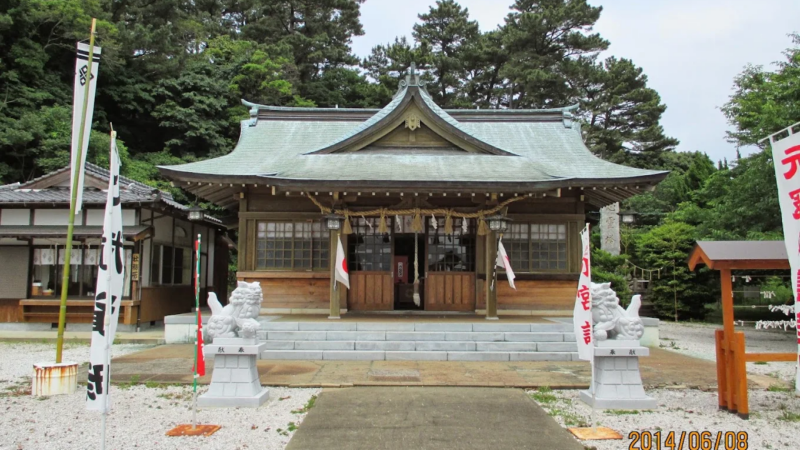
Suwa Shrine (Nagasaki Prefecture, Nagasaki City, Kaminishiyama) Complete Guide | History, Benefits, Nagasaki Kunchi Festival, and Visiting Information
Suwa Shrine, located in Kaminishiyama-cho, Nagasaki City, Nagasaki Prefecture, is revered as “Chinzei Taisha” (Grand Shrine of Chinzei) and affectionately known as “Osuwa-san” by locals. It is the principal guardian shrine of Nagasaki. Revered as a shrine for warding off evil, matchmaking, and maritime protection, its annual autumn festival, “Nagasaki Kunchi,” held in October, is designated as a National Important Intangible Folk Cultural Property. This article provides a detailed explanation of everything you need to know before visiting Suwa Shrine, including its history, benefits, highlights within the grounds, and access information.
What is Suwa Shrine? | Nagasaki’s Principal Guardian Shrine, “Osuwa-san”
Suwa Shrine is located at 18-15 Kaminishiyama-cho, Nagasaki City, Nagasaki Prefecture. Its former shrine rank was Kokuhei Chusha (National Shrine of the Second Rank), and it is currently designated as a Beppyo Jinja (Special Shrine) by the Association of Shinto Shrines. It is respectfully called “Chinzei Taisha” and affectionately known as “Osuwa-san” by the citizens of Nagasaki.
History of the Three-Shrine Merger
Suwa Shrine is a rare shrine that enshrines three shrines: Suwa Shrine, Morisaki Shrine, and Sumiyoshi Shrine. Each shrine offers different blessings, catering to the diverse wishes of worshippers.
The main deities are Takeminakata-no-kami and Yasakatome-no-kami, worshipped as Suwa-no-Okami. Morisaki-no-Okami and Sumiyoshi-no-Okami are also enshrined here, with the deities of all three shrines worshipped within a single precinct.
Meaning of the Title “Chinzei Taisha”
“Chinzei” is an old name for the Kyushu region, and the title “Chinzei Taisha” signifies a grand shrine representing Kyushu. It is still used today as a title indicating the importance and high status of Suwa Shrine in Nagasaki.
History of Suwa Shrine | Restoration from the Christian Era
Founding History (1625)
The founding of Suwa Shrine dates back to the second year of the Kan’ei era (1625). During this period, Christianity was spreading in Nagasaki, leading to the destruction of other religious facilities. Suwa Shrine, Morisaki Shrine, and Sumiyoshi Shrine also suffered a history of destruction by Christians.
The first chief priest, Aoki Katakiyo, was a Shugendo practitioner from Karatsu, a member of the Matsuura clan. He restored the three destroyed shrines, reviving them as the tutelary deities of Nagasaki. This restoration project held significant importance in establishing a center of Shinto faith in Nagasaki amidst the strengthening of the anti-Christian policy.
Relocation to the Current Site (1651)
Originally located elsewhere, the shrine was relocated to its current site in Kaminishiyama-cho in 1651 (Keian 4). This location, situated on a hill overlooking Nagasaki city, was chosen as a suitable place to protect the city.
Since its relocation, Suwa Shrine has grown alongside Nagasaki’s development, earning the deep reverence of Nagasaki’s merchants who prospered through shipping and trade.
Development in the Modern Era
During the Meiji era, it was ranked as a National Shrine of the second rank, establishing its position as a representative shrine of Nagasaki Prefecture. After World War II, it became a Special Shrine of the Association of Shinto Shrines, and continues to function as the spiritual center of Nagasaki to this day.
In 2025 (Reiwa 7), the shrine will celebrate its 400th anniversary, and commemorative projects are planned. Efforts are underway to revitalize the shrine buildings and grounds, promote the shrine’s development, and pass on the traditions of Suwa Shinto rituals to future generations.
Benefits of Suwa Shrine | Protection from Evil, Matchmaking, and Maritime Protection
Suwa Shrine, with its three-shrine structure, is known for its diverse range of benefits.
Benefits of Suwa Shrine | Protection from Evil and Good Fortune
Suwa Shrine, which enshrines Suwa Okami, is primarily believed to offer benefits for protection from evil and good fortune. Takeminakata-no-kami is known as a god of martial prowess, a deity who wards off evil spirits and protects against disaster.
Many people in their unlucky years or those facing life-changing events visit the shrine to receive prayers for protection from evil. It is especially crowded with visitors during the New Year and Setsubun (bean-throwing festival) seasons.
Benefits of Morisaki Shrine | Matchmaking and Romantic Fulfillment
Morisaki Shrine, which enshrines Morisaki Okami, is famous for its benefits in matchmaking. Visitors of all ages, from young people seeking good relationships to those praying for family happiness, visit the shrine.
The shrine grounds contain various spots related to matchmaking, and many couples and friends can be seen visiting. Wedding ceremonies are also held here, and you can see brides in twelve-layered kimonos.
Benefits of Sumiyoshi Shrine | Maritime Safety and Abundant Catch
Sumiyoshi Shrine, which enshrines Sumiyoshi Okami, offers blessings for maritime safety and abundant catches. In Nagasaki, a port town, it has been especially revered by people involved in the shipping and fishing industries.
Even today, people involved in shipping and other sea-related work visit the shrine to pray for safety. It is also believed to offer blessings for safe travel, and many people visit before departing on their journeys.
Nagasaki Kunchi | One of Japan’s Three Great Festivals
When discussing Suwa Shrine, the autumn festival “Nagasaki Kunchi” is indispensable.
History and Characteristics of Nagasaki Kunchi
Nagasaki Kunchi is the autumn festival of Suwa Shrine, held over three days from October 7th to 9th every year. The name “Kunchi” is said to originate from “Kunchi” (九日), meaning “ninth day,” and is believed to have originated from the Choyo Festival held on the ninth day of the ninth month of the lunar calendar.
Nagasaki Kunchi, which is said to have begun in 1634 (Kanei 11), is a traditional event with a history of over 380 years. The votive dances were designated as a National Important Intangible Folk Cultural Property in 1979 (Showa 54), and it is sometimes counted as one of Japan’s three greatest festivals.
The Charm of the Votive Dances
The greatest feature of Nagasaki Kunchi is its gorgeous, exotic votive dances. Nagasaki was the only open trading port during the Edo period, and had exchanges with the Netherlands and China. Influenced by this, the votive dances include performances full of exotic flair, such as the Dragon Dance (Jaodori), the Whale Spouting Dance, the Dutch Manzai, and Kokkodesho.
There is a system called “Odori-cho” (dancing town) where each neighborhood takes turns offering a performance, with each neighborhood having a turn every seven years. Therefore, each neighborhood spends seven years preparing and presenting their best performance.
Umbrella Floats and the Grounds of Suwa Shrine
At Nagasaki Kunchi, each Odori-cho creates and offers its own unique umbrella float (kasaboko). These umbrella floats are elaborately decorated offerings, reaching several meters in height, and their designs reflect the characteristics and history of each neighborhood.
The dedication dances are performed in the grounds of Suwa Shrine and at dance venues (odoriba) set up throughout the city, making it a major event attracting hundreds of thousands of spectators over three days.
Kunchi Odoriba Sajiki Management Committee
The Nagasaki Kunchi dance venues have viewing stands (sajiki-seki), which are managed by the Kunchi Odoriba Sajiki Management Committee. Reservations are required in advance, allowing you to view the dedication dance from a prime location.
The reserved seating is very popular every year, and early reservations are recommended. Those who want to enjoy the Nagasaki Kunchi festival up close should check the latest information on the official website and plan their reservations accordingly.
Guide to Suwa Shrine Grounds | Highlights and Power Spots
The grounds of Suwa Shrine contain numerous historical buildings and spots of worship.
The Great Gate and Stone Steps
The approach to Suwa Shrine begins with a long stone staircase. The steps leading from the foot of the mountain to the main shrine are a sacred path guiding worshippers into the divine realm. Climbing the steps allows you to purify your mind and body, preparing to welcome the gods.
After passing through the Great Gate (Ōmon), the shrine grounds expand further, with various shrine buildings and subsidiary shrines.
Main Shrine and Worship Hall
The main shrine is the central building enshrining the three deities: Suwa Ōkami, Morisaki Ōkami, and Sumiyoshi Ōkami. The beautiful vermilion-lacquered shrine buildings convey the history and faith of Nagasaki to the present day.
At the worship hall, you can express your daily gratitude and wishes to the gods. The formal way of worship is “two bows, two claps, one bow,” but the most important thing is to pray with a sincere heart.
Komainu and Divine Messengers
Several komainu (guardian lion-dogs) are placed within the shrine grounds, each with its own unique characteristics. Komainu have been placed in shrines since ancient times as guardians of the sacred area.
The komainu at Suwa Shrine have a dignified appearance that evokes a sense of history, and are a popular spot for photography.
Subsidiary Shrines
In addition to the main shrine, several subsidiary shrines are located within the grounds of Suwa Shrine. Each enshrines a different deity and offers various blessings.
Those with ample time can enjoy a deeper worship experience by slowly exploring the entire shrine grounds, including the subsidiary shrines.
Sacred Trees and Nature
Within the shrine grounds stands a sacred tree over several hundred years old, which has watched over the history of the shrine. Standing before the ancient tree, one can feel the power and sacredness of nature.
The plants in the shrine grounds change their appearance with each season; cherry blossoms in spring and autumn leaves in fall delight visitors.
Shrine Office and Goshuin (Shrine Seals)
At the shrine office, you can receive amulets, talismans, and goshuin (shrine seals). Many people receive Suwa Shrine’s goshuin as a memento of their visit.
Goshuin notebooks are also sold, including designs unique to Suwa Shrine, such as those featuring motifs from the Nagasaki Kunchi festival. Receive your goshuin with sincerity as proof of your visit.
Prayers and Festivals at Suwa Shrine
Prayers for Protection from Misfortune
Suwa Shrine accepts prayers for protection from misfortune at any time. The unlucky years (yakudoshi) are calculated using the traditional Japanese age counting system. For men, the main unlucky years are 25, 42, and 61, and for women, 19, 33, and 37.
If you wish to receive a prayer for protection against misfortune, please contact the shrine office in advance and apply there. For information on prayer fees and reception hours, please check the official website or call (095-824-0445).
Prayer for Matchmaking
Many people visit Morisaki Shrine seeking its blessings for matchmaking. We cater to various wishes, including those for finding a good partner or deepening an existing relationship.
Wedding Ceremonies
Suwa Shrine offers traditional Shinto wedding ceremonies. Formal attire such as the twelve-layered kimono (junihitoe) and crested hakama (montsuki hakama) are available, allowing for a solemn and beautiful wedding.
If you wish to have a wedding ceremony, advance reservations and consultations are required. Please contact the shrine office for details.
Annual Events
Suwa Shrine holds various festivals and ceremonies throughout the year.
- Hatsumode (January 1st-3rd): The shrine is bustling with many people visiting for the New Year’s prayers.
- Setsubun Festival (around February 3rd): Events such as bean-throwing are held.
- Reitaisai (Grand Festival) / Nagasaki Kunchi (October 7th-9th): The largest festival of the year.
- Oharai (Great Purification Ceremony) (June 30th and December 31st): A Shinto ritual to purify oneself of the impurities accumulated over the past six months.
Visiting the shrine during these events allows you to experience a special atmosphere.
Access Information | How to Get to Suwa Shrine
Basic Information
Address: 18-15 Kaminishiyama-cho, Nagasaki City, Nagasaki Prefecture 850-0006
Phone: 095-824-0445
Visiting Hours: Grounds are freely accessible (Shrine office is generally open from 9:00 to 17:00)
Access by Tram
Using the tram that runs through Nagasaki city is the most convenient way to get there.
- From Nagasaki Station: Take Line 1 bound for “Sofukuji” or Line 3 bound for “Hotaruchaya”
- Get off at the “Suwa Shrine” stop (approximately 10-minute ride)
- The shrine entrance is approximately a 5-minute walk from the tram stop.
The tram is a convenient mode of transportation for sightseeing in Nagasaki, and a one-day pass allows you to travel around the city economically.
Access by Bus
All Nagasaki Bus routes stop at the “Suwa Shrine” bus stop. Accessible from Nagasaki Station and various locations within the city.
Access by Car
From Nagasaki Station: Approximately 10 minutes by car
From Nagasaki Expressway, Nagasaki IC: Approximately 15 minutes by car
For car navigation, please enter “18-15 Kaminishiyama-cho, Nagasaki City” or the phone number “095-824-0445”.
Parking Information
Suwa Shrine has a parking lot for visitors. However, due to limited capacity, it becomes extremely crowded, especially during New Year’s and the Nagasaki Kunchi festival.
If you wish to use the parking lot, it is recommended to contact them in advance to check availability and usage conditions. During peak seasons, using public transportation is recommended.
There are also paid parking lots nearby, but due to limited capacity, it is recommended to allow ample time for your visit.
Nearby Tourist Attractions | Places to Visit Alongside Suwa Shrine
The area around Suwa Shrine boasts numerous attractive tourist spots characteristic of Nagasaki.
Meganebashi Bridge
Located about a 15-minute walk from Suwa Shrine, Meganebashi Bridge is known as Japan’s oldest arched stone bridge. Its name comes from the way its reflection in the river resembles a pair of spectacles.
The area around the bridge is developed as a walking path and features power spots such as the Heart Stone. Many visitors combine a visit to Meganebashi with a prayer for a successful relationship at Suwa Shrine.
Nagasaki Shinchi Chinatown
Located about a 10-minute tram ride from Suwa Shrine, Nagasaki Shinchi Chinatown is one of Japan’s three major Chinatowns. Numerous restaurants offering authentic Chinese cuisine line the streets, allowing visitors to savor Nagasaki’s local cuisine.
Nagasaki Champon and Sara Udon are particularly popular Nagasaki specialties.
Glover Garden
This tourist facility centers around the former residence of Thomas Glover, a merchant who was active in Nagasaki from the late Edo period to the Meiji era. From the park, lined with Western-style buildings, you can enjoy a panoramic view of Nagasaki Port and a landscape full of exotic charm.
It can be accessed from Suwa Shrine in about 20 minutes by streetcar and bus.
Nagasaki Peace Park and Atomic Bomb Museum
An essential spot for learning about Nagasaki’s history. It provides an opportunity to reflect on the preciousness of peace. It can be accessed from Suwa Shrine in about 15 minutes by streetcar.
Dejima
Dejima was an artificial island during the Edo period, the only place where trade with the West was permitted under Japan’s isolationist policy. Currently, restoration and development are progressing, and it has become a history museum where you can experience the buildings and lifestyle of that time.
It can be accessed from Suwa Shrine in about 10 minutes by streetcar.
Manners and Precautions for Visiting Suwa Shrine
Basic Manners for Visiting Shrines
There are basic manners to observe when visiting a shrine.
- When passing through the torii gate: Bow before entering the shrine grounds.
- How to walk along the approach to the shrine: Walk along the sides, as the center is considered the path of the gods.
- How to purify yourself at the water basin: Purify your left hand, then your right hand, then your mouth, then the ladle in your left hand.
- Worship at the main hall: The basic procedure is two bows, two claps, and one bow.
- Photography: Refrain from taking photos in areas where photography is prohibited, such as inside the main hall.
Regarding attire
While casual attire is acceptable, it is advisable to avoid overly revealing or flashy clothing. Especially if you are receiving a prayer, somewhat formal attire is recommended.
Since you will need to climb stone steps, it is recommended to wear comfortable shoes.
Precautions during crowded periods
The shrine is extremely crowded during the New Year’s visit period (January 1st-3rd) and the Nagasaki Kunchi festival (October 7th-9th). If you want to visit with plenty of time to spare and avoid crowds, early morning or weekday visits are recommended.
Frequently Asked Questions (FAQ)
Q1: Can I get a Goshuin (temple/shrine stamp) at Suwa Shrine?
A1: Yes, you can get a Goshuin at the reception area. Reception hours are generally from 9:00 to 17:00, but may change depending on festivals and events. The fee for having the Goshuin stamped in your Goshuincho (stamp book) is typically around 300 to 500 yen.
Q2: Can anyone apply for a wedding ceremony at Suwa Shrine?
A2: Yes, Suwa Shrine performs Shinto wedding ceremonies. Weddings in a Junihitoe (twelve-layered kimono) are also possible. Those who wish to do so must contact the shrine office (095-824-0445) in advance to discuss the details.
Q3: When is the Nagasaki Kunchi festival held?
A3: The Nagasaki Kunchi festival is held annually for three days: October 7th, 8th, and 9th. The event will proceed even in rainy weather, but may be changed in case of severe weather such as typhoons. The latest information can be found on the Suwa Shrine’s official website.
Q4: Is a parking reservation required?
A4: Reservations are usually not required, but advance notice is recommended during busy periods such as New Year’s Day and the Nagasaki Kunchi festival. Since parking is limited, using public transportation is recommended during busy periods. Please contact the shrine office for details.
Q5: How long does it take to visit the shrine?
A5: A general visit to the shrine grounds takes about 30 minutes to 1 hour. If you want to receive a Goshuin (shrine stamp) or leisurely visit the subsidiary shrines, allow 1 to 1.5 hours. Receiving a prayer will require an additional 30 minutes to 1 hour.
Q6: Does Suwa Shrine offer any benefits other than protection from evil?
A6: Yes, because Suwa Shrine enshrines three deities, it offers a variety of blessings: protection from evil (Suwa Shrine), matchmaking (Morisaki Shrine), and maritime safety and abundant catches (Sumiyoshi Shrine). Its unique feature is that you can visit according to your specific wish.
Summary | Fulfilling Your Wishes at Nagasaki’s Guardian Deity, “Osuwa-san”
Located in Kaminishiyama-cho, Nagasaki City, Nagasaki Prefecture, Suwa Shrine is a prestigious shrine with nearly 400 years of history, revered as the guardian deity of Nagasaki and known as the Chinzei Grand Shrine. It offers diverse blessings, including protection from evil, matchmaking, and maritime safety, and is affectionately known as “Osuwa-san” by the locals.
The Nagasaki Kunchi Autumn Festival, held every October, is a magnificent and splendid festival designated as a National Important Intangible Folk Cultural Property, featuring exotic and devotional dances. This festival, a condensation of Nagasaki’s history and culture, is one of Japan’s traditional events that you should definitely see at least once.
Within the shrine grounds, in addition to the main hall, there are various subsidiary shrines and sacred trees, welcoming visitors amidst the changing seasons. It’s easily accessible, about 10 minutes by tram from Nagasaki Station, and nearby are many of Nagasaki’s representative tourist spots, such as Meganebashi Bridge, Glover Garden, and Shinchi Chinatown.
When you visit Nagasaki, be sure to visit Suwa Shrine and experience Nagasaki’s history and faith. A heartfelt prayer will surely convey your wishes to the gods.
In 2025, Suwa Shrine will celebrate its 400th anniversary. As a spiritual pillar of Nagasaki passed down to future generations, it will continue to be revered by many people.