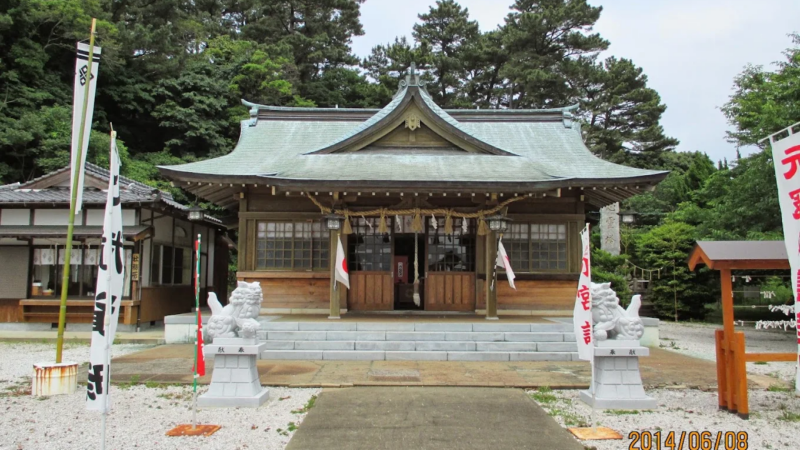
Complete Guide to Chinzei Taisha Suwa Shrine | Nagasaki Kunchi Festival and the Benefits of Protection from Evil and Matchmaking
About Chinzei Taisha Suwa Shrine
Chinzei Taisha Suwa Shrine is the principal guardian shrine of Nagasaki, located in Kaminishiyama-cho, Nagasaki City, Nagasaki Prefecture. Affectionately known locally as “Osuwa-san” or “Osuwa-sama,” it is widely revered as a shrine for protection from evil, matchmaking, and maritime safety.
While its official name is “Suwa Shrine,” it is commonly known as “Chinzei Taisha” as a major shrine representing western Kyushu (Chinzei). The annual autumn festival, “Nagasaki Kunchi,” held from October 7th to 9th, is designated as a National Important Intangible Folk Cultural Property and is nationally famous as one of Japan’s three greatest festivals, renowned for its magnificent spectacle.
Deities and Blessings
Chinzei Taisha Suwa Shrine enshrines three deities: Suwa, Morisaki, and Sumiyoshi, each with different divine virtues.
Main Deity: Suwa Okami (God of War and Protection from Evil)
Suwa Okami is a deity centered around Takeminakata-no-kami, known as the god of martial prowess and protection from evil. Similar to the deity of Shinshu Suwa Taisha, it is believed to possess powerful divine power for victory, long-lasting military fortune, and protection from disaster. Many worshippers visit to pray for protection from evil during their unlucky years or at important life milestones.
Enshrined Deity: Morisaki Okami (Creation of All Things and Matchmaking)
Morisaki Okami is a deity centered around the married couple Izanagi-no-mikoto and Izanami-no-mikoto. As the god who created all things, this shrine is believed to bring blessings for matchmaking, marital harmony, fertility, and safe childbirth. It attracts fervent devotion from those seeking good relationships and those wishing for harmonious marriages.
Enshrined Deities: Sumiyoshi Okami (God of Maritime Safety and Abundant Catch)
Sumiyoshi Okami is a deity primarily composed of the three Sumiyoshi gods: Sokotsutsuo-no-Mikoto, Nakatsutsuo-no-Mikoto, and Omotsutsuo-no-Mikoto. They have been worshipped as guardian deities of the sea since ancient times. Deeply connected to Nagasaki’s history as a thriving port city, they offer blessings for maritime safety, safe voyages, and abundant catches. Even today, the shrine is constantly visited by people involved in fishing and shipping.
Origin and History
Founding History (1625)
Chinzei Taisha Suwa Shrine was founded in 1625 (Kanei 2). At that time, Nagasaki was experiencing a situation where Christianity was spreading and other religions were being suppressed, resulting in the destruction of shrines and temples within the city. Concerned about this critical situation, Aoki Kensei of Hizen Karatsu petitioned Nagasaki Magistrate Hasegawa Gonroku, and the construction of Suwa Shrine was realized.
Aoki Kensei invited the deities of Suwa-no-Okami, Morisaki-no-Okami, and Sumiyoshi-no-Okami, establishing a Shinto base in Nagasaki. In 1632, Aoki became the first chief priest, and the festival began in 1634. This is considered the origin of the current “Nagasaki Kunchi” festival.
Changes in the Shrine Buildings
The original shrine buildings were repeatedly destroyed and rebuilt due to numerous fires. Especially during the Edo period, it suffered several major fires, and each time it was rebuilt through the efforts of parishioners and devotees.
In 1857, at the end of the Edo period, the shrine was granted the title of “Chinzei Taisha” by imperial decree of Emperor Komei. This signified the official recognition of the shrine’s status as a leading grand shrine representing western Kyushu, a significant event in the history of Suwa Shrine.
The current shrine building, completed in 1984, maintains the beauty of traditional shrine architecture while incorporating modern technology, resulting in a majestic presence.
The tutelary shrine famous for the autumn festival “Nagasaki Kunchi”
What is Nagasaki Kunchi?
Nagasaki Kunchi is the autumn festival of Chinzei Taisha Suwa Shrine, held annually over three days from October 7th to 9th. The name “Kunchi” is said to originate from “Kunichi” (the 9th day of the 9th month in the old lunar calendar), and it is a traditional event with a history of over 370 years.
Designated as a National Important Intangible Folk Cultural Property in 1979, it is known as one of the three major Kunchi festivals in Kyushu, alongside Hakata Kunchi and Karatsu Kunchi. Some also consider it one of the three major festivals of Japan, alongside Kyoto’s Gion Festival and Osaka’s Tenjin Festival. ### Characteristics of the Dedicatory Dances
The most distinctive feature of the Nagasaki Kunchi festival is its magnificent and exotic dedicatory dances. Each of Nagasaki’s designated “dancing towns,” called “Odori-cho,” takes turns every seven years, offering a variety of performances.
The dedicatory dances include unique and internationally-influenced performances such as the Dragon Dance (Ja-odori), influenced by Chinese culture; the Dutch Manzai, themed around Dutch ships; and the Coccodesho, influenced by Portuguese culture. These performances strongly reflect Nagasaki’s history as the only open port city during the Edo period.
Highlights of the Events and Festivals
At the Nagasaki Kunchi festival, dedicatory dances are performed not only at the main shrine of Suwa Shrine, but also at the Otabisho (in the city center) and Yasaka Shrine. Over three days, hundreds of thousands of spectators visit, and the entire city of Nagasaki is immersed in the festival atmosphere.
Of particular note are the magnificent costumes and props that each dance troupe prepares at a cost ranging from tens of millions to hundreds of millions of yen. These possess cultural value as heirlooms passed down through generations and are a source of pride for the citizens of Nagasaki.
Highlights of the Shrine Grounds
Nagasaka and Daimon Gate
The approach to Suwa Shrine is known for its “Nagasaka,” a long stone staircase of 193 steps leading from the foot of the hill to the main shrine. The vermilion-painted Daimon Gate, standing at the top of these steps, welcomes worshippers as the entrance to the sacred area. There are also rest areas along the Nagasaka, allowing for a leisurely visit.
Komainu and Stone Sculptures
The shrine grounds are dotted with various komainu (guardian lion-dogs) and stone sculptures from the Edo to Meiji periods. The komainu in front of the main shrine, in particular, are magnificent works of art showcasing the pinnacle of Nagasaki’s stonemasonry, delighting visitors.
Worship Hall and Main Shrine
The current worship hall and main shrine were rebuilt in 1984, and the beautiful vermilion-painted buildings are impressive. In front of the worship hall is a large stage where dedication dances are performed during the Nagasaki Kunchi festival. The main shrine is built in the nagare-zukuri style and enshrines the deities of the three shrines.
Tamazono Inari Shrine
Within the shrine grounds is the Tamazono Inari Shrine, which is believed to bring good fortune in business and abundant harvests. The approach lined with vermilion torii gates creates a beautiful landscape reminiscent of Fushimi Inari Shrine in Kyoto.
Moon-Viewing Teahouse and Observation Point
Within the shrine grounds is a rest area called the “Moon-Viewing Teahouse,” offering a spectacular view of Nagasaki city. The view at sunset is particularly magnificent, overlooking Nagasaki Port and Mount Inasa.
Shinto Wedding Ceremony
Traditional Shinto wedding ceremonies can be held at Chinzei Taisha Suwa Shrine. You can exchange your eternal vows in a solemn atmosphere before the sacred Morisaki-no-Okami, the god of matchmaking.
Shinto wedding ceremonies require advance reservations. It is recommended to contact the shrine directly for details regarding the date and time of the ceremony. Reservations tend to be concentrated during the Nagasaki Kunchi festival and on auspicious days, so early consultation is advisable.
While there is no reception venue attached to the shrine, the shrine has partnerships with nearby hotels and restaurants, allowing for a smooth reception after the ceremony.
Annual Events and Festivals
Main Annual Events
At Chinzei Taisha Suwa Shrine, various annual events are held in addition to the Nagasaki Kunchi festival.
- January 1st New Year’s Day Festival
- February (Setsubun) Setsubun Festival (Bean Scattering)
- April 29th Showa Festival
- June 30th Great Purification Ceremony
- July (Marine Day) Maritime Safety Prayer Ceremony
- October 7th-9th Autumn Grand Festival (Nagasaki Kunchi)
- November 15th Shichi-Go-San Festival
- December 31st Great Purification Ceremony and New Year’s Eve Festival
Especially during the first three days of the New Year, the shrine is extremely lively with worshippers making their first visit of the year. Also, during the Setsubun Festival, lucky beans are scattered, and many citizens gather to receive blessings.
Monthly Festivals and Special Prayers
Monthly festivals are held on the 1st and 15th of each month to pray for the peace and well-being of parishioners and worshippers. We also accept individual prayers at any time, and we can accommodate various wishes such as protection from evil, family safety, business prosperity, traffic safety, and success in examinations.
Basic Information and Access
Location and Contact Information
Address 18-15 Kaminishiyama-cho, Nagasaki City, Nagasaki Prefecture 850-0006
Phone 095-824-0445
Official Website https://www.osuwasan.jp/
Visiting Hours
Entry to the temple grounds is generally free, but the hours for the shrine office and prayer reception are as follows:
- Shrine Office 8:30 AM – 5:30 PM
- Prayer Reception 9:00 AM – 4:30 PM (Prior contact required)
Hours may change during major festivals and the New Year period, so we recommend checking in advance.
Access Methods
Tram (Nagasaki Electric Tramway)
- Get off at the “Suwa Shrine” tram stop (bound for Hotaruchaya), approximately 5 minutes on foot.
- Get off at the “Suwa Shrine” tram stop (bound for Ishibashi), approximately 5 minutes on foot.
Bus
- Get off at the “Suwa Shrine” bus stop (Nagasaki Bus), approximately 3 minutes on foot.
Private Car
- Approximately 10 minutes by car from Nagasaki Station.
- Approximately 15 minutes by car from the Nagasaki Interchange (Nagasaki IC) on the Nagasaki Expressway.
Parking
The shrine has a parking lot for visitors, but spaces are limited. Especially on weekends and during festivals, congestion is expected, so we recommend using public transportation. During the Nagasaki Kunchi festival, traffic restrictions are in place, making access by train or bus convenient.
If you wish to visit by large bus, you must contact the shrine in advance to discuss securing parking space.
Nearby Tourist Attractions
Nagasaki Park
Nagasaki Park, adjacent to Suwa Shrine, is a popular recreational spot for locals. Known for its cherry blossoms, it attracts many visitors in spring. The park also features playground equipment, making it ideal for families to relax after visiting the shrine.
Nagasaki Museum of History and Culture
Located about a 15-minute walk from Suwa Shrine, the Nagasaki Museum of History and Culture offers a deep dive into Nagasaki’s history and culture. It also features an exhibit on the Nagasaki Kunchi festival, and visiting in conjunction with a visit to Suwa Shrine will enhance your understanding.
Nakashima River Stone Bridges
The Nakashima River stone bridges, including Meganebashi Bridge, are located about a 20-minute walk from Suwa Shrine. These bridges, including Amidabashi Bridge, Koraibashi Bridge, Tokeibashi Bridge, and Fukurobashi Bridge, are valuable cultural assets that showcase Edo-period stone construction techniques.
Tōmeizan Kōfuku-ji Temple
Kōfuku-ji Temple, the oldest Ōbaku Zen temple in Japan, is about a 15-minute walk from Suwa Shrine. Its beautiful Chinese-style architecture allows visitors to experience Nagasaki’s history as an international city.
Nagasaki Tenjin Matsumori Tenmangū Shrine
Matsumori Tenmangū Shrine, dedicated to Sugawara no Michizane, the god of learning, is also located near Suwa Shrine. During exam season, many students visit to pray for success. The camphor trees within the Matsumori Shrine grounds are designated as a natural monument of Nagasaki City.
Manners and Points for Visiting Shrines
Worship Etiquette
Worship at Chinzei Taisha Suwa Shrine follows the same etiquette as at any other shrine.
- Bow before passing through the torii gate.
- Cleanse your hands and mouth at the water basin.
- Offer your donation in front of the main hall.
- Bow twice, clap twice, and bow once.
- Visit the subsidiary shrines within the grounds.
- Bow once at the torii gate when leaving.
The Nagasaka stone steps have 193 steps, but there are rest areas along the way, so you can climb at your own pace. If you are not confident in your physical strength, please do not push yourself and visit slowly.
Recommended Time of Visit
Visiting early in the morning allows you to pray peacefully in a quiet and refreshing atmosphere. Visiting during the cooler hours is especially recommended during the summer. Visiting in the evening also offers the charm of enjoying the sunset over Nagasaki city.
Weekends and holidays are crowded with visitors, but weekday mornings are relatively quiet, allowing you to stroll around the grounds at your leisure.
Items Available
Suwa Shrine offers a variety of items.
- Amulets Various types available, including those for warding off evil, matchmaking, and maritime safety.
- Goshuin (Shrine Seal) A memento of your visit.
- Ema (Votive Tablet) Write your wish and dedicate it.
- Omikuji (Fortune Slip) A message from the gods.
Especially during the Nagasaki Kunchi festival, limited-edition items are available.
Summary
Chinzei Taisha Suwa Shrine, with a history of nearly 400 years, is the principal guardian shrine of Nagasaki and continues to be deeply loved by the local people. It enshrines three deities offering three blessings: warding off evil, matchmaking, and maritime safety, making it a shrine worth visiting at various milestones in life.
The Nagasaki Kunchi festival, held every autumn, is one of Japan’s leading festivals, attracting many tourists from both within Japan and internationally. The magnificent and exotic dedication dances are a valuable intangible cultural asset symbolizing Nagasaki’s history and culture as an international city.
When visiting Nagasaki, be sure to visit Chinzei Taisha Suwa Shrine and experience Nagasaki’s history, culture, and the divine blessings of the gods. The magnificent shrine buildings and the panoramic view of Nagasaki city from the top of the 193 steps of the Nagasaka slope will leave a lasting impression on visitors.
Affectionately known as “Osuwa-san,” this shrine is a spiritual haven for Nagasaki residents and a special place for tourists, embodying the essence of Nagasaki’s charm. Whether you’re praying for protection from evil, finding a good partner, or safety at sea, please visit with your own wishes in mind.