Complete Guide to Fuchi Shrine (Nagasaki Prefecture) | The Charm and Visiting Information of a Historic Shrine at the Foot of Mt. Inasa
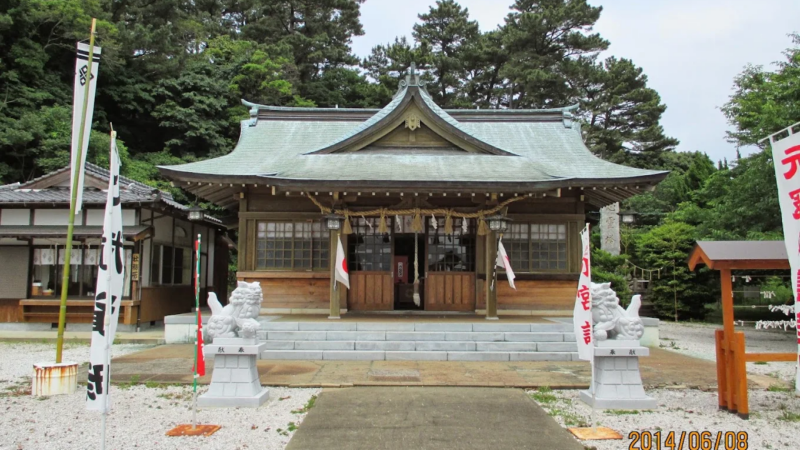
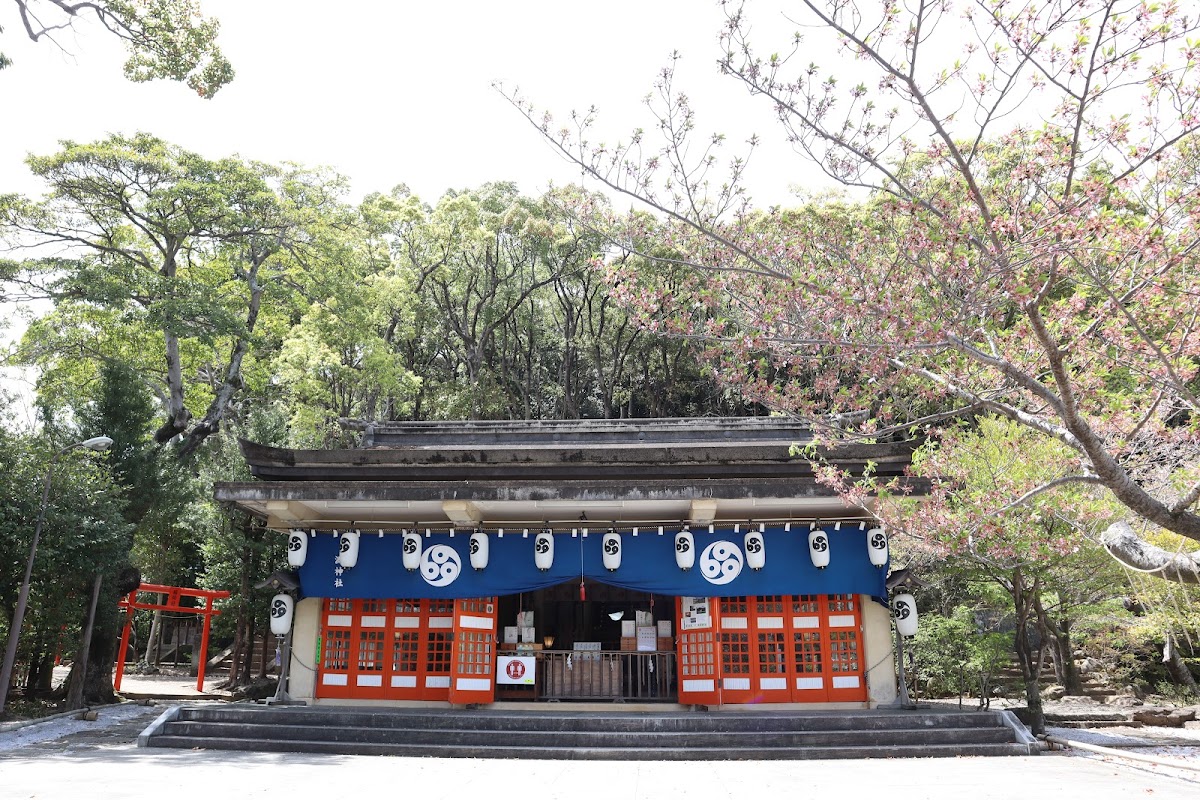
Fuchi Shrine, located in Fuchi-machi, Nagasaki City, Nagasaki Prefecture, is a historic shrine situated at the foot of Mt. Inasa and adjacent to the Nagasaki Ropeway Fuchi Shrine Station. Formerly a prefectural shrine, it is an important center of faith in the area west of Nagasaki city center, attracting many worshippers and tourists.
This article comprehensively introduces detailed information about Fuchi Shrine, including its history, enshrined deities, highlights within the grounds, access methods, parking information, and its connection to Masaharu Fukuyama.
History and Origins of Fuchi Shrine
From Inasa Benten Shrine to Fuchi Shrine
Fuchi Shrine was formerly known as “Inasa Benten Shrine,” the guardian shrine of Fuchi Village. It has a long history as a shrine that attracted the faith of the local people, and after the Meiji-era separation of Shinto and Buddhism, it was renamed “Fuchi Shrine.” This name change was part of the Meiji government’s religious policy, and many shrines experienced similar transformations.
Status as a Prefectural Shrine
Fuchi Shrine was ranked as a “Prefectural Shrine” under the old shrine ranking system. A Prefectural Shrine is a rank of shrine considered particularly important among those managed by prefectures under the modern shrine ranking system. This rank indicates that Fuchi Shrine held an important position within Nagasaki Prefecture.
Its location in the western part of Nagasaki city, at the foot of Mt. Inasa, has long been closely linked to the development of Nagasaki. In Nagasaki, which flourished as a port city, it has a history of attracting the faith of people praying for safety at sea and business prosperity.
Deities and Divine Virtues
Main Deities: Munakata Three Goddesses
The main deities of Fuchi Shrine are the Munakata Three Goddesses.
- Tagorihime-no-Mikoto
- Ichikishimahime-no-Mikoto
- Tagitsuhime-no-Mikoto
The Munakata Three Goddesses are deities who have been worshipped since ancient times as guardians of maritime traffic. Considering Nagasaki’s history as a port city, it makes perfect sense that deities protecting maritime safety are enshrined here.
Deities Enshrined in the Side Shrine
In addition to the main deity, the following deities are enshrined in the side shrine at Fuchi Shrine.
- Amenominakanushi-no-kami
- Takamimusubi-no-kami
- Kamimusubi-no-kami
- Sugawara-no-Okami
- Konpira-no-Okami
Amenominakanushi-no-kami, Takamimusubi-no-kami, and Kamimusubi-no-kami are known as the three creation deities in Japanese mythology, fundamental gods involved in the creation of all things. Sugawara-no-Okami is worshipped as the god of learning, and Konpira-no-Okami is worshipped as the god of maritime safety and business prosperity.
Because of the diverse deities enshrined here, Fuchi Shrine offers a wide range of divine blessings, including maritime safety, academic success, business prosperity, and good fortune.
Highlights of the Shrine Grounds
Nagasaki Ropeway Fuchijinja Station
One of the most distinctive features of Fuchijinja Shrine is the presence of the Nagasaki Ropeway Fuchijinja Station adjacent to the shrine grounds. This station serves as the base station for the ropeway leading to the Inasayama Observatory, and many tourists pass through Fuchijinja Shrine on their way to Inasayama.
The Nagasaki Ropeway is a convenient mode of transportation, offering access to the summit of Inasayama in approximately 5 minutes of aerial travel. Many tourists use it from evening to night to enjoy Nagasaki’s night view, which has been selected as one of the world’s new top three night views.
Hoju Inari Shrine
Within the shrine grounds is a subsidiary shrine called “Hoju Inari Shrine.” Hoju Inari Shrine is worshipped as the god of music, dance, and performing arts, and is particularly revered by those involved in the performing arts and those studying music.
The existence of this shrine indicates that Fuchijinja Shrine has functioned not only as a local guardian shrine, but also as a place of worship for people involved in specific professions and arts.
Kuwahime Shrine
Another important subsidiary shrine within the grounds is the “Kuwahime Shrine.” The Kuwahime Shrine enshrines Kuwahime, the daughter (or, according to one theory, granddaughter) of Otomo Sorin, a Christian daimyo who built a powerful presence in northern Kyushu during the Sengoku period.
Kuwahime herself is believed to have been a Christian, and she is a figure deeply connected to the history of Christianity in Nagasaki. As a symbol of the complex religious history of Nagasaki, the Kuwahime Shrine holds historical significance.
Twelve Zodiac Shrines
Fuchi Shrine also houses the “Twelve Zodiac Shrines,” known as one of the distinctive shrines within its grounds. The format of enshrining a deity corresponding to each of the twelve zodiac signs is a unique form of worship, allowing worshippers to offer special prayers to the deity of their own zodiac sign.
The Connection Between Hoju Kindergarten and Masaharu Fukuyama
Within the grounds of Fuchi Shrine is Hoju Kindergarten, known for being attended by Masaharu Fukuyama, a famous artist from Nagasaki. For this reason, Fuchi Shrine is recognized as a “sacred place” among Masaharu Fukuyama’s fans, and many fans visit it.
In particular, the “Fuku-mamori” (lucky charm) and “Fuku-tenugui” (lucky hand towel) given out at Fuchi Shrine are extremely popular among fans, due to the connection between Fukuyama’s name and “Fuku” (meaning “fortune”). Many fans travel from far away to obtain these items.
Atmosphere of the Shrine Grounds and the Worship Experience
Quiet Shrine Grounds Located in the Western Part of Nagasaki City
Fuchi Shrine is located at the foot of Mt. Inasa in the western part of Nagasaki city. Despite its proximity to the city center, the shrine grounds maintain a calm atmosphere, providing a space for peaceful worship away from the hustle and bustle of the city.
To reach the shrine grounds, one must climb a slope, experiencing the undulating terrain characteristic of Nagasaki. At the top of the slope, a historically significant shrine building stands.
Shrine Office and Goshuin (Shrine Seal)
Goshuin (shrine seals) can be obtained at Fuchi Shrine. When you request a Goshuin (temple/shrine stamp) at the shrine office, it will be carefully written for you. For those collecting Goshuin, the Goshuin from Fuchi Shrine, a shrine of prefectural status, will be a valuable item.
The Goshuin reception hours are the same as the shrine office’s opening hours, but it is recommended to call ahead to confirm. Especially if you are visiting from afar, prior confirmation is recommended.
Connection to the Nagasaki Camphor Tree Project
Fuchi Shrine is registered with the “Nagasaki Camphor Tree Project,” and there are valuable camphor trees on the shrine grounds and in the surrounding area. Camphor trees are one of Nagasaki’s symbolic trees, and these giant trees, which have grown alongside the shrine’s history, leave a deep impression on visitors.
Access Information
Address and Basic Information
Address: 8-1 Fuchimachi, Nagasaki City, Nagasaki Prefecture 852-8012
Phone Number: 095-861-0836
Access by Public Transportation
Fuchi Shrine can be accessed from Nagasaki city center using the tram and bus.
- Take the Nagasaki Electric Tramway (tram) and get off at the “Takaramachi” tram stop.
- From Takaramachi tram stop, it’s about a 15-20 minute walk, or you can transfer to a Nagasaki bus.
- Get off at the Nagasaki bus “Ropeway-mae” bus stop and it’s a short walk.
Tourists heading to the Inasayama Observatory via the ropeway often use this route.
Access by Car
If you are visiting by car, you can access it from Nagasaki city center via national and prefectural roads. However, the area around Fuchi Shrine is a residential area, and some roads are narrow, so caution is required when driving.
Entering “Fuchi Shrine” or “Nagasaki Ropeway Fuchi Shrine Station” into your car navigation system will guide you there.
Parking Information
Fuchi Shrine has a parking lot for visitors. However, parking spaces are limited, so it may get crowded, especially during peak tourist season and on weekends.
There is also a nearby parking lot for Nagasaki Ropeway users, but it is recommended to check the fees and usage conditions in advance. Consider using public transportation as well.
Nearby Tourist Attractions
Inasayama Observatory
Located about 5 minutes from Fuchi Shrine by Nagasaki Ropeway, Inasayama Observatory is one of the biggest highlights of Nagasaki sightseeing. From the 333-meter-high summit, you can enjoy a panoramic view of Nagasaki city and Nagasaki Port, and the night view, in particular, has been selected as one of the “World’s New Three Great Night Views.”
During the day, you can enjoy the blue sea and green mountains, and at night, you can enjoy a beautiful night view that looks like scattered jewels. After visiting Fuchi Shrine, the route to Mt. Inasa by ropeway is a popular and efficient sightseeing course.
Nagasaki City Tourist Attractions
Fuchi Shrine is relatively close to Nagasaki city center, making it easily accessible to the following tourist spots:
- Glover Garden: A tourist attraction preserving Western-style buildings from the late Edo period to the Meiji era
- Oura Church: Japan’s oldest Christian church architecture
- Nagasaki Shinchi Chinatown: One of Japan’s three major Chinatowns
- Dejima: An artificial island that was the only window to the West during the Edo period’s isolationist policy
By incorporating a visit to Fuchi Shrine into your sightseeing itinerary, you can experience Nagasaki’s history and culture more deeply.
Shrine Visit Manners and Precautions
Basic Shrine Visit Manners
When visiting a shrine, please observe the following basic manners.
- Bow before passing through the torii gate: This is a courtesy before entering the sacred area.
- Purify yourself at the water basin: Purify your left hand, then your right hand, then your mouth.
- Avoid walking in the center of the approach to the shrine: The center is considered the path of the gods.
- Etiquette in front of the main hall: Two bows, two claps, and one bow are the basic rituals.
Photography on the shrine grounds
Photography on the shrine grounds is generally permitted, but photography inside the shrine buildings and in sacred areas should be avoided in some cases. Especially during festivals, refrain from taking photos or check with the shrine office before taking pictures.
Strategies for walking uphill
Accessing Fuchi Shrine requires walking uphill. Nagasaki is known for its many hills, and the area around Fuchi Shrine is no exception. We recommend wearing comfortable shoes. Especially in summer, remember to stay hydrated and walk at a comfortable pace.
Annual Events at Fuchi Shrine
Main Festivals
Fuchi Shrine holds various festivals throughout the year. The main events include:
- New Year’s Day Festival: A festival celebrating the New Year
- Spring Grand Festival: An important festival held in spring
- Autumn Grand Festival: An important festival held in autumn
For dates and details of these festivals, it is recommended to inquire at the shrine office or check before visiting.
The Bustle of New Year’s Visits
Many worshippers visit the shrine for their first shrine visit of the year. As one of the major shrines in Nagasaki City, it is especially crowded from New Year’s Day to the third day. Visiting at off-peak times, such as early morning or evening, may allow for a more relaxed visit.
Fuchi Shrine as a Filming Location
Due to its historical atmosphere and unique scenery with the Nagasaki Ropeway, Fuchi Shrine is sometimes used as a filming location for movies and dramas. It is registered in the National Location Database and is a place of interest to those involved in film production.
The atmosphere of the shrine grounds, its location at the foot of Mt. Inasa, and the characteristic Nagasaki-style sloping streets are appreciated as elements that add a unique flavor to filmed works.
Recommended Plan for Visiting Fuchi Shrine
Half-Day Sightseeing Course
Example of a half-day course to enjoy Fuchi Shrine and its surroundings:
- Morning: Visit Fuchi Shrine (Duration: 30 minutes to 1 hour)
- Take the Nagasaki Ropeway to Mt. Inasa Observatory (Duration: 1 hour to 1 hour 30 minutes round trip)
- Lunch in Nagasaki city center
- Afternoon: City sightseeing (Glover Garden, Oura Church, etc.)
This course allows you to efficiently visit Fuchi Shrine and major Nagasaki tourist spots.
Night View Viewing Course
Evening to Night Course:
- Evening: Visit Fuchi Shrine
- Take the Nagasaki Ropeway to Mt. Inasa before sunset
- Enjoy the transition from sunset to night view at the Mt. Inasa Observatory
- After enjoying the night view, return to the city center for dinner
This course is recommended for fully enjoying Nagasaki’s night view, one of the world’s new top three night views.
Summary: The Charm of Fuchi Shrine
Fuchi Shrine, located in Fuchi-machi, Nagasaki City, Nagasaki Prefecture, is a historical shrine with the status of a prefectural shrine, enshrining the three Munakata goddesses as its main deities. It boasts many attractions, including its location at the foot of Mt. Inasa, its proximity to the Nagasaki Ropeway Fuchi Shrine Station, its subsidiary shrines such as Hoju Inari Shrine and Kuwahime Shrine within the grounds, and its connection to Masaharu Fukuyama.
Despite being located in the western part of Nagasaki city, the shrine grounds maintain a tranquil atmosphere, providing peace of mind to visitors. Combining a visit to the Inasayama Observatory with a visit to Fuchi Shrine will make for a more fulfilling Nagasaki sightseeing experience.
When you visit Nagasaki, be sure to stop by Fuchi Shrine. A special experience awaits you, where history, faith, and the beautiful scenery of Nagasaki come together.