Iki Shrine (Nagasaki Prefecture) Complete Guide: History and Visiting Information for a Shrine Associated with the Mongol Invasions
Iki Shrine, located in Iki City, Nagasaki Prefecture, is a shrine of significant importance on Iki, known as the Island of the Gods, despite its relatively recent history. It enshrines Shōni Suketoki, known as the protector of Iki during the Mongol invasions, and attracts the faith of people praying for peace and the prosperity of their homeland.
Overview and Basic Information of Iki Shrine
Iki Shrine (Iki Jinja) is a shrine located in Setoura, Ashibe-cho, Iki City, Nagasaki Prefecture. It is known as the newest shrine among the more than 150 shrines on Iki Island. On Iki, an island of mythology mentioned in the Kojiki and Nihon Shoki, it stands out as a unique shrine established in modern times.
Basic Data
- Location: Setoura, Ashibe-cho, Iki City, Nagasaki Prefecture
- Phone Number: 0920-45-1276
- Main Deities: Emperor Kameyama, Emperor Go-Uda, Shoni Suketoki
- Founded: Showa era
- Shrine Rank: Equivalent to a village shrine
- Annual Festival Days: Multiple festivals held throughout the year
Iki Island is located midway between Kyushu mainland and Tsushima, and has played an important role as a key point of exchange with the continent since ancient times. In Iki, with such a historical background, Iki Shrine plays a role in passing on to future generations the Mongol invasions, a significant event in Japanese history.
History and Founding of Iki Shrine
The Mongol Invasions and Shoni Suketoki
To understand the history of Iki Shrine, it is necessary to first understand Iki’s role in the Mongol invasions. During the two Mongol invasions of Japan in 1274 and 1281, Iki Island became the site of the first fierce battles.
Shōni Suketoki was a samurai of the Kamakura period and, as the deputy governor of Iki and Tsushima, he stood against the Mongol invasion. In the Bun’ei War, despite the overwhelming difference in troop numbers, he fought bravely alongside the people of Iki, suffering heavy casualties but contributing to buying time for the Mongol invasion of mainland Japan. While the people of Iki suffered immense losses in this battle, Shōni Suketoki’s selfless defense has been recounted to this day.
Founding in the Showa Era
Iki Shrine was founded during the Showa era. Approximately 650 years after the Mongol invasions, a movement grew among the people of Iki Island to honor Shōni Suketoki, who fought to defend Iki during the invasions, and to pass on his achievements to future generations.
At the same time, the shrine was established as a place to pray for national peace and tranquility, also enshrining Emperor Kameyama and Emperor Go-Uda, who are said to have prayed for the protection of Iki during the Mongol invasions. In the turbulent Showa era, amidst the convergence of war memories and the desire for peace, Iki Shrine was born as a spiritual pillar of the region.
Post-War Development and the Present
After World War II, Iki Shrine further strengthened its role as a symbol of peace. Through the historical fact of the Mongol invasions, it became a place that conveys the tragedy of war and the preciousness of peace, attracting not only local residents but also many worshippers.
Today, it is visited by many people as part of Iki tourism and is recognized as an important spot for learning about Iki’s history. Within the shrine grounds, a bronze statue of Shōni Suketoki and the “Monument to the Isolated Island Hill” are erected, visually conveying the historical significance of the shrine.
Deities and Divine Virtues
About the Main Deities
Iki Shrine enshrines three main deities.
Emperor Kameyama
Emperor Kameyama, the 90th Emperor, reigned during the Bun’ei War and is known for offering prayers to the gods and Buddhas against the Mongol invasion. He is worshipped as a god of national peace and security, having offered prayers during times of national crisis.
Emperor Go-Uda
Emperor Go-Uda, the 91st Emperor, reigned during the Kōan War. He continued to offer prayers during the second Mongol invasion and is revered as an emperor who protected peace in Japan.
Shōni Suketoki
He is the central deity enshrined at Iki Shrine and a warrior who fought to defend Iki Island during the Mongol invasions. His bravery and love for his homeland are a source of pride for the people of Iki, and he continues to command much respect today.
Divine Virtues and Faith
The divine virtues of Iki Shrine are primarily considered to be the following:
- Prayer for National Security and Peace: Praying for national peace and stability based on the history of overcoming the national crisis of the Mongol invasions.
- Cultivation of Homeland Love: Learning from the spirit of ancestors who protected the region and deepening love for one’s homeland.
- Courage and Perseverance: Gaining the courage to face difficulties and the perseverance to overcome trials.
- History Education: A place to learn about Japanese history and understand the achievements of ancestors.
Many worshippers visit Iki Shrine seeking these divine virtues, expressing gratitude for peaceful times and praying for future prosperity.
Iki Shrine Grounds and Highlights
Statue of Shōni Suketoki
The most impressive feature of the shrine grounds is the bronze statue of Lord Shōni Suketoki. Standing proudly, this statue conveys his determination and resolve during the Mongol invasions. Many visitors reflect on history and offer their gratitude for peace before this statue.
Around the statue, there are explanatory panels about the Mongol invasions, allowing visitors to learn more about the situation at the time and Shōni Suketoki’s achievements. It is a valuable place of learning for history buffs and those interested in Japan’s defense history.
Monument on the Isolated Island Hill
The “Monument on the Isolated Island Hill” commemorates the history of Iki’s struggle against the Mongol invasions, fought in isolation without support. This monument was erected to pass on the sacrifices and courage of the people of Iki to future generations.
The inscription on the monument, which records the situation in Iki at the time and the feelings of its people, deeply moves the reader. For us living in peaceful modern times, it is an important monument that reminds us of the tragedy of war and the preciousness of peace.
Atmosphere of the Shrine and Grounds
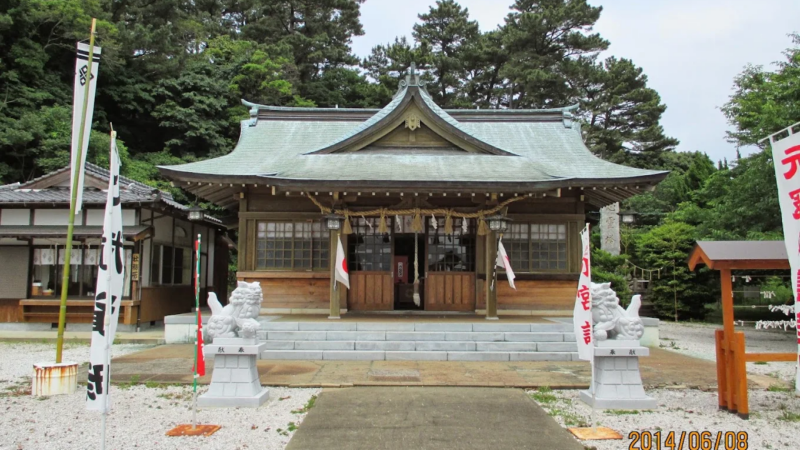
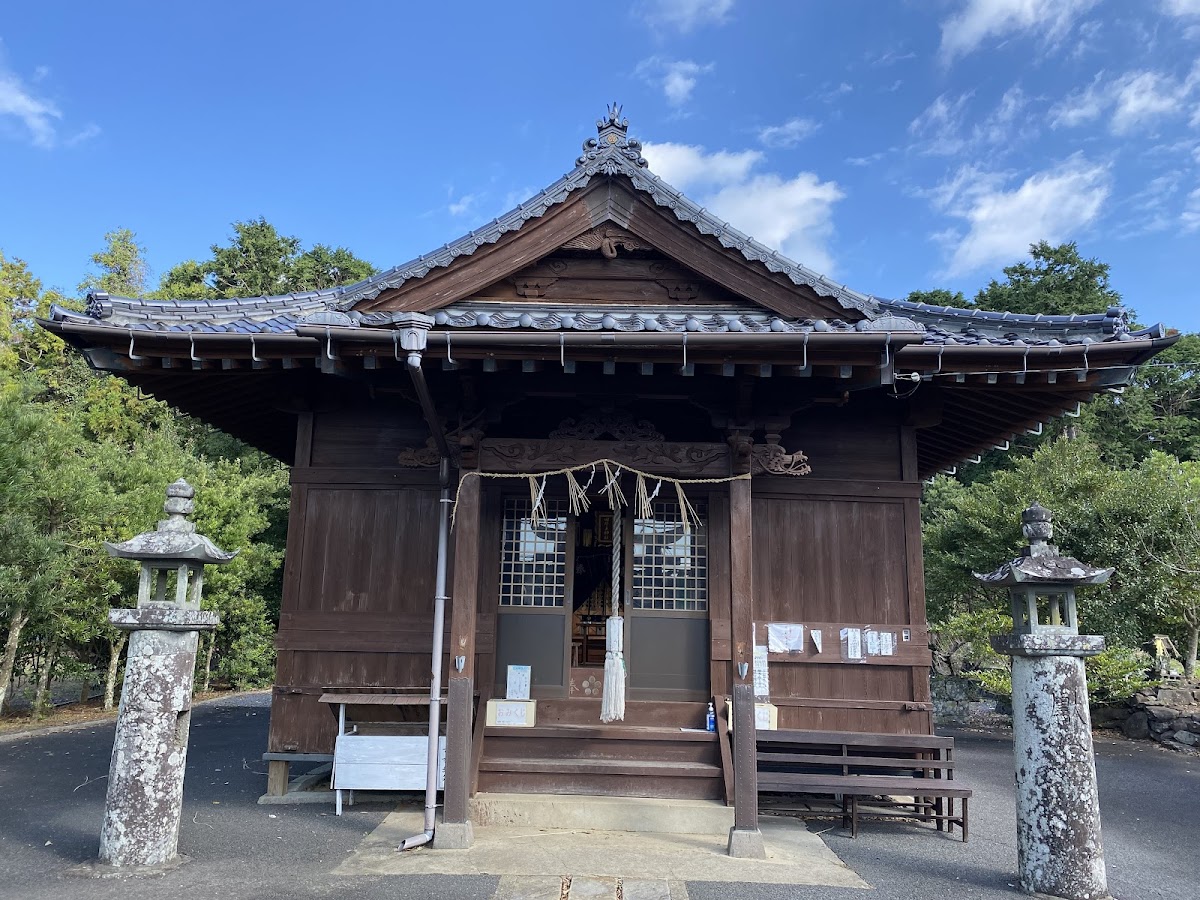
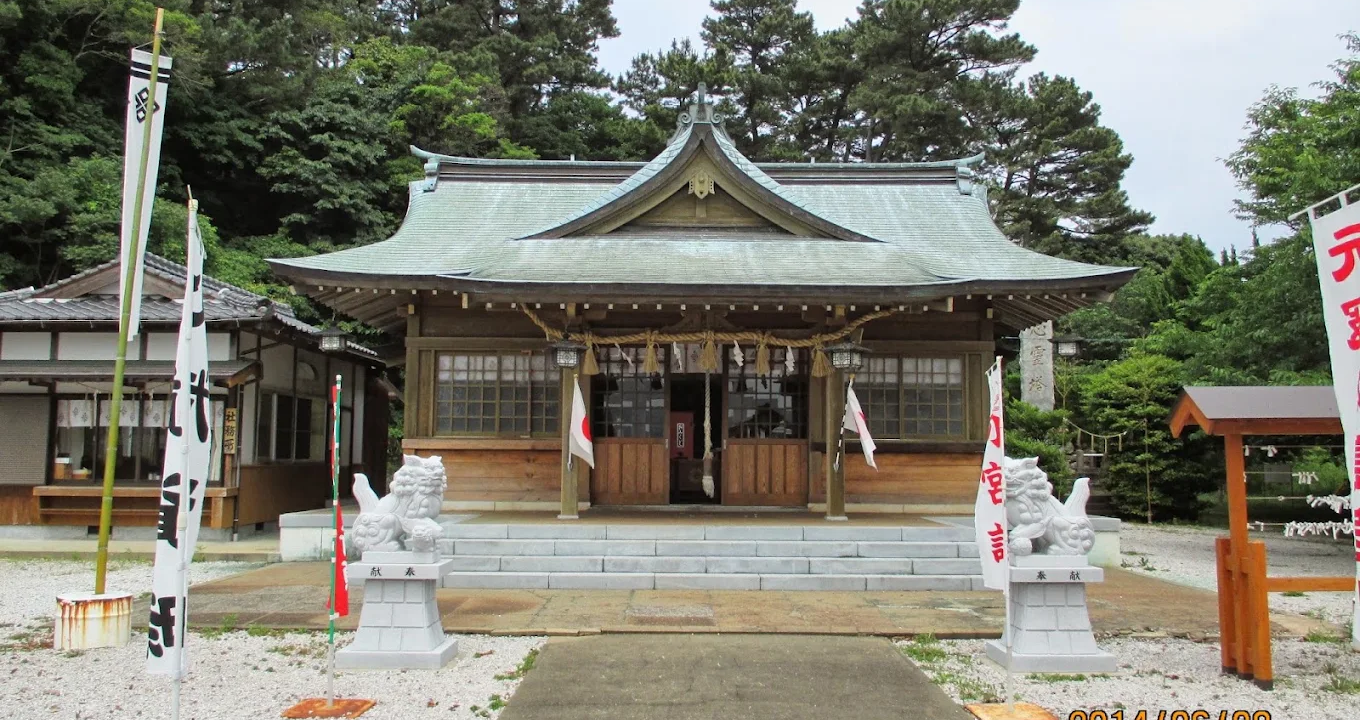
Although the Iki Shrine building is relatively new, it follows the traditional style of shrine architecture. The clean and orderly grounds provide visitors with a tranquil atmosphere, allowing them to calmly offer their prayers.
From the grounds, one can enjoy the beautiful scenery of Iki, truly appreciating the island’s geographical characteristics as it is surrounded by the sea. Looking at this view and imagining the Mongol army advancing from the sea during the Mongol invasions, the tense situation of that time feels even more real.
Main Festivals and Annual Events
Iki Shrine holds various festivals and events throughout the year.
Annual Grand Festival
The annual Grand Festival is the most important festival at Iki Shrine. Many worshippers gather to express gratitude to the deities and pray for future peace and prosperity. A solemn ritual is performed by Shinto priests, making it an important event for preserving the region’s traditional culture.
Iki Kagura
Iki Shrine sometimes performs traditional Kagura (sacred dance and music) passed down in Iki. Iki Kagura is a valuable traditional performing art designated as an intangible cultural property of Nagasaki Prefecture, playing an important role as an offering to the gods and as a means of preserving regional culture.
Kagura consists of dances based on myths and historical events, inviting viewers into a mystical world. When visiting Iki Shrine, it is recommended to check the Kagura performance schedule and, if possible, attend a performance.
Peace Prayer Festival
Iki Shrine, with its historical background of the Mongol invasions, also holds a special festival to pray for peace. This event, held to commemorate the victims of war and pray for lasting peace, welcomes participation not only from local residents but also from the general public.
Access and Visiting Information for Iki Shrine
Access Methods
Access to Iki Island
Iki Island can be reached by ferry or jetfoil from Hakata Port or Karatsu East Port in Fukuoka Prefecture.
- From Hakata Port: Approximately 2 hours 20 minutes by ferry, approximately 1 hour by jetfoil
- From Karatsu East Port: Approximately 1 hour 40 minutes by ferry
- From Nagasaki Airport: Approximately 30 minutes by plane (arriving at Iki Airport)
Access within the Island
Iki Shrine is located in Setoura, Ashibe-cho, Iki City.
- Rental Car: Renting a car at Iki Airport or Gonoura Port is convenient.
- Taxi: Taxis are available from each port and airport.
- Local Bus: Local buses operate on the island, but the number of services is limited, so advance confirmation is necessary.
Notes for Visiting the Shrine
- Visiting Hours: Visiting during the daytime is generally recommended.
- Attire: Please dress appropriately for visiting a shrine.
- Photography: Photography is generally permitted on the shrine grounds, but please be considerate of the Shinto priests and other visitors.
- Goshuin (Shrine Stamp): If you wish to receive a Goshuin, it is recommended to contact the shrine in advance (Tel: 0920-45-1276).
Nearby Tourist Attractions
When visiting Iki Shrine, it is recommended to also visit other nearby shrines and tourist attractions.
Major Shrines of Iki Island
- Amanotanagao Shrine: Considered the most prestigious shrine on Iki Island, the Ichinomiya (first-ranked shrine).
- Tsukuyomi Shrine: An ancient shrine considered the original site of Kyoto’s Tsukuyomi Shrine.
- Sumiyoshi Shrine: A shrine revered as the guardian deity of Iki Island.
- Kojima Shrine: A popular power spot known as “Iki’s Mont Saint-Michel.” Only accessible at low tide.
- Ondake Shrine: A unique shrine with over 200 stone monkeys.
Iki Island boasts over 150 shrines registered with the Association of Shinto Shrines, truly deserving of the title “Island of the Gods.” If time permits, a “shrine pilgrimage” visiting multiple shrines allows you to experience Iki’s deep religious culture.
Historical Background of Iki Shrine and Iki Island
Iki Island from Ancient Times
Iki Island is a historical island that appears in the Kojiki and Nihon Shoki. It is considered one of the islands created by Izanagi-no-Mikoto and Izanami-no-Mikoto in the Japanese creation myth, and has been revered as sacred since ancient times.
Archaeologically, many burial mounds and ruins remain on Iki Island, confirming its importance from ancient times. As a gateway for exchange with the continent and as a frontline of defense, Iki Island has played a crucial role in Japanese history.
The Mongol Invasions and Iki Island’s Suffering
In October of Bun’ei 11 (1274), approximately 30,000 Mongol and Goryeo allied troops landed on Iki Island. Shōni Suketoki, the deputy governor of Iki at the time, fought back with a small force, but Iki fell due to the overwhelming difference in military strength. Many islanders were killed, and the island suffered immense damage.
In the second invasion in 1281 (the Kōan War), Iki once again became a battlefield. These two Mongol invasions drastically reduced Iki’s population, and it took many years for the island to recover.
It is because of this historical background that Iki Shrine is not merely a religious facility, but a place of special significance, symbolizing the memories and pride of the people of Iki.
Iki in the Modern Era
After the Meiji Restoration, Iki became part of Nagasaki Prefecture, and while experiencing the waves of modernization, it has continued to preserve its unique culture and traditions. The founding of Iki Shrine during the Showa era can be seen as a manifestation of the strong will of the people of Iki to remember their history and honor the achievements of their ancestors, even amidst modernization.
Today, Iki has developed into a tourist destination that leverages its rich natural environment and historical and cultural heritage, attracting many visitors. Iki Shrine also plays an important role in conveying the island’s charm as a historical tourist spot.
Iki’s Shrine Culture and Beliefs
Highest Shrine Density in Japan
Despite being a small island with a population of approximately 25,000, Iki boasts over 150 shrines. This shrine density is among the highest in Japan, which is why Iki is called the “Island of the Gods.”
The existence of so many shrines is due to various factors, including the depth of faith from ancient times, the worship of tutelary deities in each settlement, and prayers for safe voyages as a seafaring people.
Characteristics of Iki’s Shrines
Iki’s shrines have several distinctive features.
Diverse Deities
A truly diverse array of deities are enshrined here, ranging from gods appearing in the Kojiki and Nihon Shoki to local heroes, and even remnants of syncretism of Shinto and Buddhism, incorporating Buddhist elements. This diversity reflects Iki’s history of accepting and integrating many cultures since ancient times.
Harmony with Nature
Many shrines are built in locations integrated with nature, such as along the coast or on mountainsides. Examples like Kojima Shrine, which can only be visited at low tide, demonstrate a close connection between the rhythm of nature and faith.
Center of the Local Community
The shrines in each settlement serve not only as places of worship but also as centers of the local community. Through festivals and events, the bonds between residents are deepened, and traditional culture is passed down.
The Positioning of Iki Shrine
Iki Shrine occupies a somewhat unique position within this Iki shrine culture. Although not an ancient shrine, but a relatively new one founded in the Showa era, Iki Shrine plays a significant role in terms of historical significance and educational value.
While older shrines convey myths and nature worship, Iki Shrine conveys local pride and the preciousness of peace through specific historical facts and figures. In this respect, Iki Shrine can be said to be a unique presence among the shrines of Iki.
Recommendation for Visiting Iki Shrine
Significance of Visiting
Visiting Iki Shrine has meaning beyond simply visiting a tourist spot.
Learning History
You can learn about the Mongol invasions, a crucial event in Japanese history, at the actual site where it took place. You can experience the weight and reality of history in a way that cannot be gained from simply reading textbooks.
Reflecting on Peace
By learning about the tragedy of war and the strength of the people who overcame it, you can reaffirm how precious modern peace is. It is an opportunity to renew your gratitude for peace and your resolve to maintain it.
Cultivating Local Pride
By learning about the efforts of our ancestors who dedicated themselves to protecting their hometown and country, we can cultivate love and pride for our region. This is especially a valuable opportunity for younger generations to deepen their attachment to the area through history.
Combining with Other Iki Sightseeing Activities
Integrating a visit to Iki Shrine into an overall Iki sightseeing experience will make for a more fulfilling experience.
Shrine Pilgrimage Course
A recommended course starts at Iki Shrine and visits major shrines such as Amate Nagao Shrine, Tsukuyomi Shrine, Sumiyoshi Shrine, and Kojima Shrine. There are so many shrines that it’s impossible to visit them all in one day, so ideally, you should take 2-3 days to explore them at a leisurely pace.
Historical Exploration Course
In addition to Iki Shrine, a popular course visits historical sites such as the Haranotsuji Ruins (a large-scale Yayoi period moated settlement), ancient burial mounds, and the site of a battlefield from the Mongol invasions. By tracing Iki’s long history chronologically, you can truly appreciate the depth of the island’s history.
Nature and History Fusion Course
We also recommend a course that combines Iki’s beautiful coastline and scenic spots with shrines and historical sites. Combining unique rock formations like Saru-iwa (Monkey Rock), beautiful beaches, and shrine visits allows you to fully enjoy the diverse charms of Iki.
Seasonal Ways to Enjoy
Spring
During cherry blossom season, you can enjoy the cherry blossoms in and around the shrine grounds while visiting. Spring festivals are also held, creating a lively atmosphere.
Summer
Summer is the best season to enjoy Iki’s sea. Combining swimming with shrine visits allows you to enjoy both leisure and cultural experiences.
Autumn
Autumn is a season with many major festivals, including the annual grand festival. Opportunities to appreciate traditional performing arts such as Kagura (sacred dance) also increase. Furthermore, the pleasant weather allows you to enjoy shrine visits and sightseeing at a leisurely pace.
Winter
Winter is a season with fewer tourists, allowing for a quieter visit to the shrine. The crisp air enhances the sacred atmosphere. However, the sea can be rough, so it’s important to check ferry schedules.
Summary: Iki Shrine’s Message of Peace
Iki Shrine, located in Iki City, Nagasaki Prefecture, is an important shrine that conveys the history of the Mongol invasions. Although a relatively new shrine, founded in the Showa era, its historical significance and educational value are immeasurable.
The three enshrined deities—Emperor Kameyama, Emperor Go-Uda, and Shoni Suketoki—each dedicated themselves to protecting Japan during times of national crisis. In particular, Shoni Suketoki, who fought alongside the people of Iki against the Mongol army and defended mainland Japan at great personal cost, remains a source of pride for the people of Iki.
The bronze statue of Shōni Suketoki and the “Monument on the Isolated Island Hill” standing within the shrine grounds are not merely monuments, but important witnesses that convey the tragedy of war and the preciousness of peace to the present day. Standing before them, we can learn from history and renew our gratitude for the peaceful present we enjoy.
Visiting Iki Shrine is also a gateway to experiencing the deep religious culture of Iki, the island of the gods. Among the more than 150 shrines scattered throughout Iki, Iki Shrine plays a unique role in the themes of history and peace.
When visiting Iki City in Nagasaki Prefecture, be sure to visit Iki Shrine, reflect on the history of the Mongol invasions, and offer a prayer for peace. If possible, visit other shrines on Iki and experience the profound charm of the island of the gods. A visit to Iki Shrine will surely leave a deep impression on your heart and provide a valuable opportunity to reflect on history and peace.
Iki Shrine will continue to serve as a bridge connecting the past, present, and future, conveying the lessons of history and the preciousness of peace to many people.