Complete Guide to Kunikatanushi Shrine (Iki City, Nagasaki Prefecture) | The Charm of a Shikinaisha Shrine Known for its Wishing Torii Gate and Tempting Boy Statue
Located in Ashibe-cho, Iki City, Nagasaki Prefecture, Kunikatanushi Shrine is one of the Shikinaisha shrines boasting a long tradition and prestige dating back to ancient times. Enshrining Sukunahikona-no-Mikoto and Sugawara no Michizane, this shrine, also known as “Kokubu Tenmangu,” is dotted with unique religious spots such as a wishing torii gate and a tempting boy statue, attracting many visitors.
This article will comprehensively cover the history of Kunikatanushi Shrine, its enshrined deities, highlights within the grounds, access methods, and nearby tourist attractions, revealing all the charms of this shrine.
Basic Information about Kunikata-nushi Shrine
Address: 766-4 Kokubu Higashi-fure, Ashibe-cho, Iki City, Nagasaki Prefecture
Deities Enshrined:
- Sukunahikona-no-mikoto
- Sugawara no Michizane (Sugawara no Michizane)
Annual Festival Dates:
- 25th of the 8th month (Lunar Calendar): Annual Festival, Divine Procession, and Grand Kagura Performance
- 25th of November (Gregorian Calendar): Deity Welcoming Festival and Grand Kagura Performance
Route Number: Kaze no Michi (6)
Parking: Available (Parking spaces around the shrine grounds)
Goshuin (Shrine Seal): Available at the nearest Tsukuyomi Shrine office
History and Origins of Kunikata-nushi Shrine
Status as a Shikinaisha Shrine
Kunikata-nushi Shrine is a Shikinaisha shrine listed in the Engishiki Jinmyocho, compiled during the Heian period, and is a historically significant shrine recognized by the imperial court since ancient times. While many Shikinaisha shrines exist on Iki Island, Kunikata-nushi Shrine holds a particularly important position among them.
Worship of Sukunahikona-no-Mikoto
The main deity, Sukunahikona-no-Mikoto, is known in Japanese mythology as a god who, along with Okuninushi-no-Mikoto, helped build the country. This small god, said to be the model for Issun-boshi (the one-inch boy), is believed to possess divine virtues in various fields, including medicine, hot springs, agriculture, and sake brewing.
The worship of Sukunahikona-no-Mikoto on Iki Island is ancient, and Kunikata-nushi Shrine has played a central role in this tradition. This god is also revered as the “god of wisdom and ingenuity,” and worshippers visit the shrine to pray for the resolution of difficult problems and the success of new ventures.
Faith as Kokubun Tenmangu Shrine
Later, with the enshrinement of Sugawara no Michizane, Kunikata-nushi Shrine also came to be known as Kokubun Tenmangu Shrine. The addition of worship of Sugawara no Michizane, known as the god of learning, led to a large influx of visitors, including students taking exams and those praying for academic success.
Due to its location near the ruins of Kokubunji Temple on Iki Island, it is believed to have played a role as a cultural and educational center in ancient Iki Province.
Highlights and Unique Faith Spots within the Shrine Grounds
Wishing Torii Gates (Miniature Torii Gates)
The most distinctive feature of Kunikata-nushi Shrine grounds is the small torii gates called Wishing Torii Gates. Three small torii gates are installed within the grounds, and there is a unique custom of praying while passing through them.
This Wishing Torii Gate is based on the belief that by lowering oneself and passing through it with humility, one can draw closer to the gods and make one’s wishes more likely to be granted. Worshippers pass through the three torii gates in order, offering their wishes with heartfelt sincerity.
The torii gates are just large enough for an adult to pass through while crouching, and this act itself is an expression of humility, of “lowering oneself.”
Nadekozo (Patting Boy)
Another popular spot on the temple grounds is the Nadekozo (Patting Boy). It is said that if you alternately touch the same part of this stone statue as the part of your own body that is ailing, that part will heal.
The belief in Nadekozo is deeply connected to the fact that Sukunahikona-no-Mikoto is the god of medicine. Worshippers are believed to receive the god’s healing power by touching the part of their own body that is ailing and then gently stroking the same part of the statue.
The stone statue, having been stroked by many worshippers, has a smooth texture as a testament to years of faith, and its appearance itself tells the story of the history of this belief.
Maneki-neko (Beckoning Cat)
Maneki-neko (beckoning cat) figurines are also placed on the temple grounds, and they are popular because it is said that spinning them brings good luck. This beckoning cat is a relatively new religious site, but it’s an interesting example of the fusion of traditional Shinto beliefs and folk beliefs.
Visitors gently rotate the beckoning cat while praying for business prosperity and increased wealth. It’s particularly popular among business owners, and many visitors come to see the beckoning cat during the New Year and festivals.
Main Hall and Worship Hall
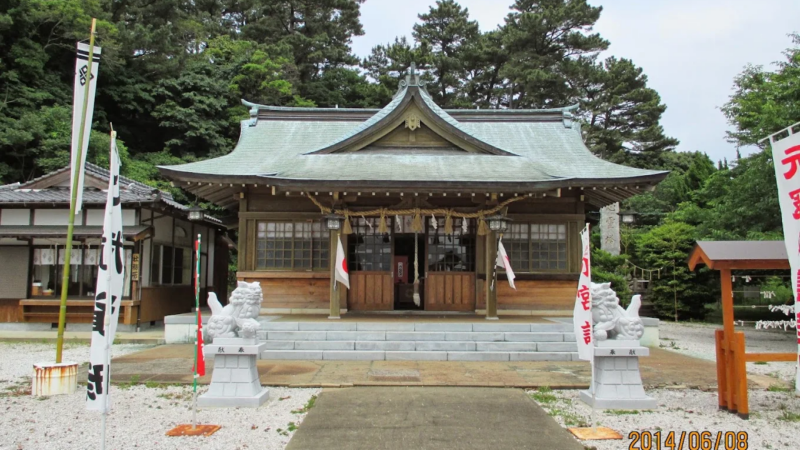
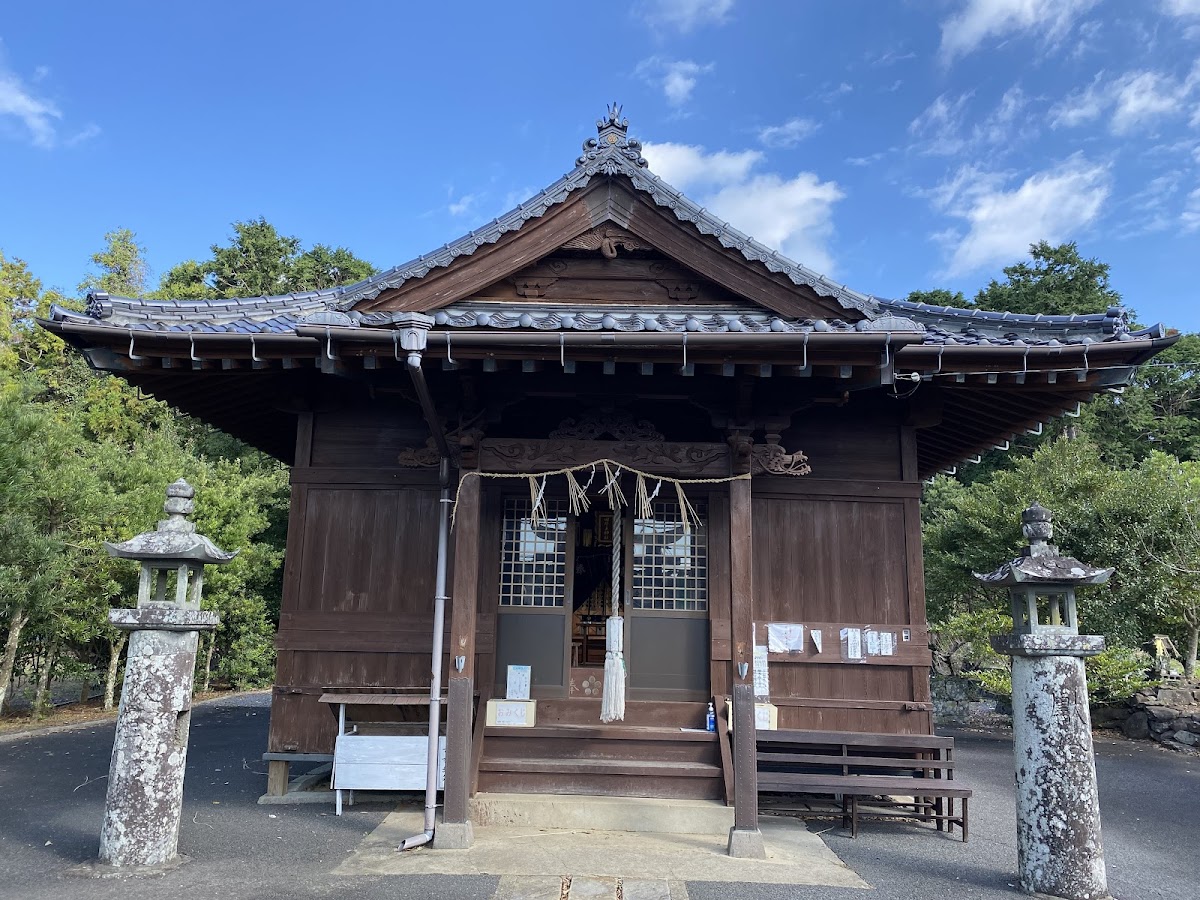
The main hall and worship hall of Kunikata-nushi Shrine are valuable structures that convey the traditional Shinto shrine architectural style of Iki Island. Although not large in scale, they are meticulously maintained, reflecting the deep faith of the local people.
The shrine grounds are enveloped in a tranquil atmosphere, providing a space to calm the mind away from the hustle and bustle of the city.
Position as One of the Seven Shrines of Iki Island
Kunikata-nushi Shrine is counted as one of the Seven Shrines of Iki Island, representing Iki Island. The Seven Shrines of Iki Island refer to a group of shrines on Iki Island that are particularly prestigious and historically important.
The seven shrines of Iki Island include the following:
- Amate Nagao Shrine (Shikinai Myojin Taisha)
- Amate Nagahime Shrine (Shikinai Myojin Taisha)
- Tsukuyomi Shrine (Shikinai Myojin Taisha)
- Oki Shrine (Shikinaisha)
- Sumiyoshi Shrine (Shikinaisha)
- Kunikata-nushi Shrine (Shikinaisha)
- Seibo-gu (Shikinaisha, Honmiya Hachiman-gu)
These shrines have functioned as the center of faith on Iki Island since ancient times. Many pilgrims visiting Iki Island perform the “Seven Shrine Pilgrimage,” visiting all seven shrines, and Kunikata-nushi Shrine is considered one of the most important.
Annual Festival and Events
Annual Festival on the 25th of the 8th month of the lunar calendar
The most important festival of Kunikata-nushi Shrine is the annual festival held on the 25th of the 8th month of the lunar calendar. On this day, the Shinko (procession of the portable shrine) and the O-kagura (grand kagura dance) are held, and the local people come together to enliven the festival.
During the Shinko, the sacred object is carried in a portable shrine through the parish area, and prayers are offered for a bountiful harvest and peace in the community. Iki Kagura is also performed, offering gratitude and prayers to the gods through traditional performing arts.
Kami-mukae-sai (Welcoming the Gods Festival) on November 25th (Gregorian Calendar)
The Kami-mukae-sai (Welcoming the Gods Festival) is held on November 25th (Gregorian Calendar). O-kagura is also performed at this festival, and a solemn ceremony is held to welcome the gods.
On Iki Island, there is a belief that all the gods of Japan gather in Izumo during the tenth month of the lunar calendar (Kannazuki), and the Kami-mukae-sai is an important ceremony to welcome these gods.
The Tradition of Iki Kagura
Iki Kagura, performed at the annual festival of Kunikata-nushi Shrine, is a traditional performing art designated as an Intangible Folk Cultural Property of Nagasaki Prefecture. This unique Iki Island kagura is a valuable cultural heritage that preserves the form of ancient Shinto rituals and is carefully passed down by the local people.
About Goshuin (Shrine Seals)
Goshuin (shrine seals) are not issued at Kunikata-nushi Shrine itself. They are issued at the office of the nearest Tsukuyomi Shrine, so those wishing to receive a goshuin must visit Tsukuyomi Shrine.
Tsukuyomi Shrine is located about 10 minutes by car from Kunikata-nushi Shrine and is also one of the seven Iki shrines, a highly prestigious shrine listed in the Engishiki (ancient Japanese legal code). Visiting both shrines together will allow you to gain a deeper understanding of Iki Island’s religious culture.
The goshuin will include the shrine name and date of visit, and will bear the shrine’s seal. Bringing your Goshuincho (stamp book) is recommended.
Access Methods
Access to Iki Island
To reach Iki Island, take a ferry or jetfoil from Hakata Port in Fukuoka Prefecture or Karatsu East Port in Saga Prefecture.
From Hakata Port:
- Jetfoil: Approximately 1 hour 5 minutes
- Ferry: Approximately 2 hours 10 minutes
From Karatsu East Port:
- Ferry: Approximately 1 hour 40 minutes
Getting Around the Island
After arriving on Iki Island, you can access Kunikata Shrine using the following methods:
Rental Car: Renting a car from Ashibe Port or Gonoura Port is the most convenient. It takes approximately 10 minutes from Ashibe Port and approximately 20 minutes from Gonoura Port.
Local Bus: You can use the Iki Kotsu local bus, but since the number of buses is limited, it is recommended to check the timetable in advance.
Taxi: You can also take a taxi from the port.
Address: Entering 766 Kokubu Higashifure, Ashibe-cho, Iki City, Nagasaki Prefecture into your car navigation system or smartphone map app will provide accurate directions.
Nearby Tourist Spots
When visiting Kunikata-nushi Shrine, we recommend also visiting the nearby historical and cultural spots.
Tsukuyomi Shrine
Located about 10 minutes by car from Kunikata-nushi Shrine, Tsukuyomi Shrine is the highest-ranking shrine among the seven shrines of Iki, and is considered the head shrine of all Tsukuyomi shrines nationwide. The enshrined deity is Tsukuyomi-no-Mikoto, an important god in Japanese mythology.
The shrine grounds are enveloped in a solemn atmosphere, allowing you to feel the history of ancient faith. Since the Goshuin (shrine stamp) of Kunikata-nushi Shrine is also given here, it’s a must-visit spot.
Kokubunji Temple Ruins
Near Kunikata-nushi Shrine are the Kokubunji Temple Ruins, built during the Nara period. This was one of the provincial temples (Kokubunji) established throughout Japan by order of Emperor Shomu, and served as the cultural center of Iki Province.
Although only foundation stones remain today, it is an important historical site for understanding the ancient history of Iki. The reason why Kunikata-nushi Shrine is also called “Kokubun Tenmangu” is thought to be due to its geographical and historical relationship with this Kokubunji temple.
Navel Stone and Jaw-Hanging Stone
Located in the central part of Iki Island, the Navel Stone is a megalith said to mark the island’s center. The Jaw-Hanging Stone is a strangely shaped rock associated with a legend of demons, and is an interesting spot that conveys the folk beliefs of Iki Island.
These megalithic beliefs convey a primitive form of worship on Iki Island, distinct from shrine worship.
Burial Mounds
Around Kunikata-nushi Shrine, there are numerous ruins that convey the rich burial mound culture of Iki Island.
Sugoroku Burial Mound: A circular burial mound from the late 6th century, characterized by murals inside the stone chamber.
Sasazuka Kofun: The largest keyhole-shaped burial mound on Iki Island, estimated to have been constructed in the latter half of the 5th century.
Oni no Iwaya Kofun: The largest horizontal-chambered burial mound on Iki Island, accessible to visitors.
Hyose Kofun: A burial mound located on a hill overlooking the sea.
Kakegi Kofun: Known as a decorated burial mound, with patterns painted inside the stone chamber.
These burial mounds tell the story of ancient Iki’s history as a hub of exchange with the continent.
Nagare Hachiman Shrine
Nagare Hachiman Shrine is a shrine located in the northern part of Iki Island, worshipped as the guardian deity of the sea. Along with the beautiful coastal scenery, one can feel Iki’s maritime faith.
Sumiyoshi Shrine
Sumiyoshi Shrine, one of the seven shrines of Iki Island, has been revered since ancient times as the god of maritime safety. This shrine enshrines the three Sumiyoshi deities and is revered by fishermen and sailors.
Points to Note When Visiting Kunikata Shrine
Proper Worship Etiquette
- Bow Before Passing Through the Torii Gate: Before entering the sacred area, bow before the torii gate.
- Purify at the Water Basin: Upon entering the shrine grounds, purify your hands and mouth at the water basin.
- Pass Through the Wishing Torii Gate: Pass through the three small torii gates in order, silently reciting your wish.
- Worship at the Main Shrine: Worship using the two bows, two claps, and one bow ritual.
- Visit the Nadekozo (stroking statue): If you have any physical ailments, gently stroke the Nadekozo statue.
- Turn the Maneki-neko (beckoning cat): Gently turn the Maneki-neko to wish for good fortune.
Photography Guidelines
Photography is generally permitted within the shrine grounds, but please refrain from taking photos inside the main hall or during Shinto rituals, or obtain permission beforehand. The wishing gate and the Nadekozo statue are popular photo spots, but please be considerate of other visitors.
Clothing and Belongings
There are no specific dress code requirements, but please wear clean clothing appropriate for visiting a shrine. Since some areas of the grounds are unpaved, comfortable walking shoes are recommended.
In summer, the sun is strong, so it’s a good idea to bring a hat and sunscreen. Also, if you wish to receive a Goshuin (shrine stamp), bring your Goshuincho (stamp book) and plan to visit Tsukuyomi Shrine as well.
Accommodation and Dining on Iki Island
To fully enjoy sightseeing on Iki Island, including Kunikata-nushi Shrine, we recommend staying on the island. Iki Island offers a variety of accommodations, including ryokans (traditional Japanese inns), guesthouses, and hotels.
Recommended Accommodation Area
Gonoura Area: This is the island’s central area, with a wide selection of restaurants and shops.
Ashibe Area: Located near Kunikata Shrine, offering a peaceful environment.
Katsumoto Area: A fishing port town where you can enjoy fresh seafood.
Iki’s Specialty Dishes
When visiting Iki Island, be sure to try dishes made with local ingredients.
Iki Beef: A brand of Japanese Black beef, characterized by its tenderness and deep flavor.
Sea Urchin: Sea urchins raised in the waters off Iki are exquisite, especially in season from spring to summer.
Squid: Squid caught in the waters near Iki have firm flesh and can be enjoyed as sashimi or live-prepared squid.
Iki Shochu: Iki is considered the birthplace of barley shochu, and there are several distilleries, including Iki no Kura Shuzo Co., Ltd.
Iki Island Sightseeing Model Course Including Kunikata-nushi Shrine
1-Day Course
Morning: Arrive at Ashibe Port → Visit Tsukuyomi Shrine and receive Goshuin (shrine stamp) → Visit Kunikata-nushi Shrine
Lunch: Seafood lunch in the Ashibe area
Afternoon: Kokubunji Temple Ruins → Visit Sugoroku Kofun and Sasazuka Kofun → Visit Sumiyoshi Shrine
Evening: Overnight stay in the Gonoura area
2-Day Course
Day 1: Tsukuyomi Shrine → Kunikata-nushi Shrine → Visit the Kofun (ancient burial mounds) → Overnight stay in the Gonoura area
Day 2: Kojima Shrine (visitable only at low tide) → Saru-iwa (Monkey Rock) → Harahoge Jizo (guardian deity) → Iki-no-kuni Museum
As you can see, you can create a course that allows you to fully enjoy the history, culture, and nature of Iki Island, centered around Kunikata-nushi Shrine.
Summary
Kunikata-nushi Shrine, located in Iki City, Nagasaki Prefecture, is a fascinating shrine with unique religious features such as a wishing torii gate, a petting zoo statue, and a beckoning cat. It enshrines Sukunahikona-no-Mikoto and Sugawara no Michizane, and visitors can receive divine blessings for medicine and learning.
This shrine, where the formal status of a Shikinaisha (a shrine listed in the Engishiki) coexists with a friendly, locally rooted faith, is a must-visit spot when visiting Iki Island. Visiting it along with nearby Tsukuyomi Shrine, burial mounds, and the ruins of Kokubunji Temple allows you to experience the rich history and culture of Iki Island, which has continued since ancient times.
You can find peace of mind in the tranquil shrine grounds, pass through the wishing torii gate, and touch the petting zoo statue, allowing you to spend a special time away from everyday life. When traveling to Iki Island, be sure to visit Kunikata-nushi Shrine.