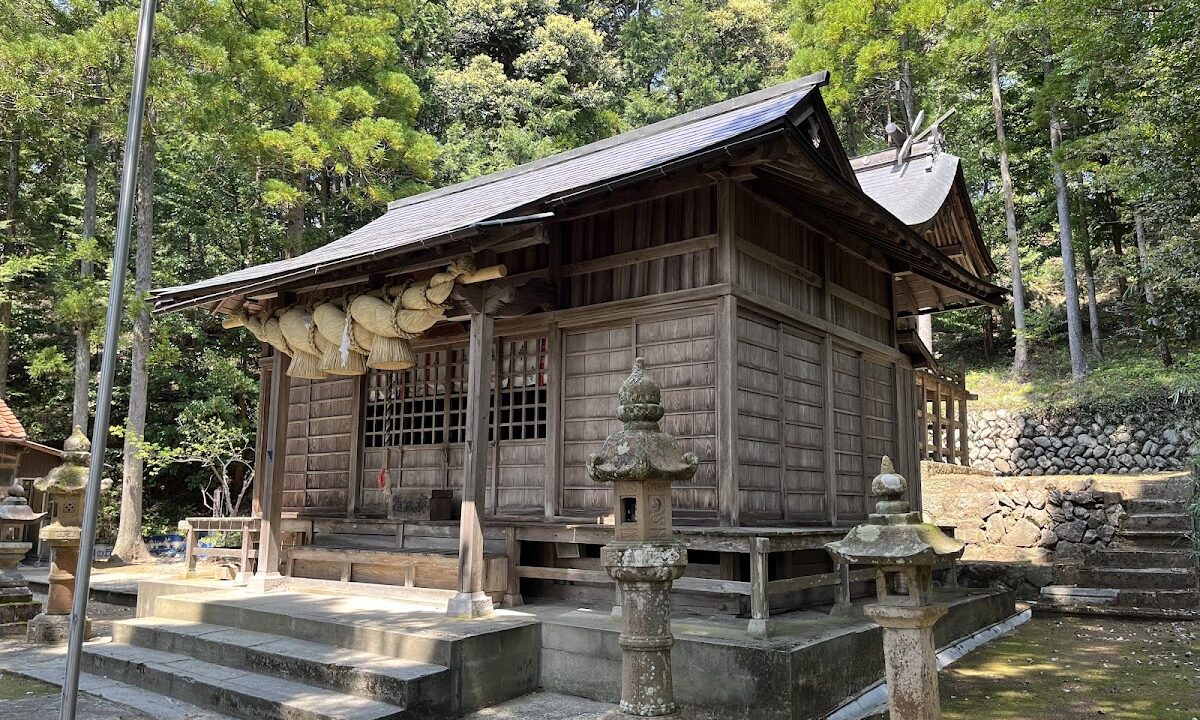
Amataka Shrine (Kurayoshi City, Tottori Prefecture) | The Guardian Shrine of Hachiya with Over a Thousand Years of History
Amataka Shrine, located in Hachiya, Kurayoshi City, Tottori Prefecture, is a venerable shrine with a history of over a thousand years, recorded in the Heian period historical text, “Sandai Jitsuroku.” It has long been revered as the guardian shrine of the region and remains one of Kurayoshi City’s representative shrines, attracting many worshippers.
Deities and Divine Virtues of Amataka Shrine
The main deity enshrined at Amataka Shrine is Amataka-no-Mikoto. In the early Meiji era, Ukanomitama-no-Kami from the Inari Shrine (a subsidiary shrine) and Sugawara-no-Michizane from the Tenmangu Shrine were also enshrined, and the shrine now enshrines three deities.
Divine Virtues and Blessings
- Abundant Harvests and Business Prosperity: Protection of grains by Ukanomitama-no-kami
- Academic Achievement and Literary Improvement: Divine virtue of learning by Sugawara no Michizane
- Protection of the Community and Family Safety: Protection as a local guardian deity by Amenotaka-no-mikoto
- Exorcism and Good Fortune: Broad divine virtue as a general guardian deity
The History and Origins of Amenotaka Shrine
Founding and Records from the Heian Period
The founding date of Amenotaka Shrine is not precisely known, but the Heian period historical record “Sandai Jitsuroku,” Volume 44, entry for December of the 7th year of Genkei (883), contains the description “Hoki Province, Senior Sixth Rank, Upper Grade… Amenotaka-no-kami… Junior Fifth Rank, Lower Grade,” and it is recognized as a National Historical Preservation Shrine. A “National Historical Shrine” refers to a shrine listed in the Six National Histories (Nihon Shoki, Shoku Nihongi, Nihon Koki, Shoku Nihon Koki, Nihon Montoku Tenno Jitsuroku, and Nihon Sandai Jitsuroku), indicating that it was a prestigious shrine recognized by the imperial court since ancient times.
From this record, it can be seen that the shrine already existed as a shrine of considerable status at least during the Heian period.
Changes from the Medieval to the Early Modern Period
The name of Tenko Shrine has changed over time.
- Kan’ei Era (1624-1644): Called Saigo Daimyojin
- Kanbun Era (1661-1673): Renamed Uno-miya Daimyojin
- Kaei 6 (1853): Renamed Tenko Shrine Saigo Daimyojin
Upon the renaming in Kaei 6, the shrine received a plaque from the Kanrei-cho (deputy shogun) and was granted the honor of having the phrase “Should be an official shrine” recorded in the shrine register. This was a significant event, signifying the official recognition of the shrine’s status and history.
Renaming and Development in the Meiji Era
In the early Meiji period, amidst the reorganization of the shrine system following the separation of Shinto and Buddhism, the Inari Shrine (dedicated to Ukanomitama-no-kami) and Tenmangu Shrine (dedicated to Sugawara no Michizane), which had been subsidiary shrines, were merged, and the shrine was renamed Tenko Shrine. In 1870 (Meiji 3), an envoy was dispatched from the former Tottori Domain to offer prayers, indicating its importance to the domain.
Role as the Guardian Deity of Nishigo-no-sho
Tenko Shrine is the guardian deity of the Hachiya district, and according to oral tradition, it has been widely revered as the guardian deity of Nishigo-no-sho.
Scope of Saigo-sho
Saigo-sho included the following 11 settlements:
- Ohara
- Kurio
- Kamiyodo
- Shimoyodo
- Hachiya
- Igi
- Yamane
- Kamii
- Kaida
- Fukuba
- Kiyotani
It is said that the people of this wide area revered Tenko Shrine as their tutelary deity, and that worshippers gathered from all over during festivals. Records also show that many worshippers came from far and wide, even from outside the parish area, suggesting that the shrine attracted faith beyond the local region.
Tenko Shrine Grounds and Highlights
Features of the Shrine Buildings
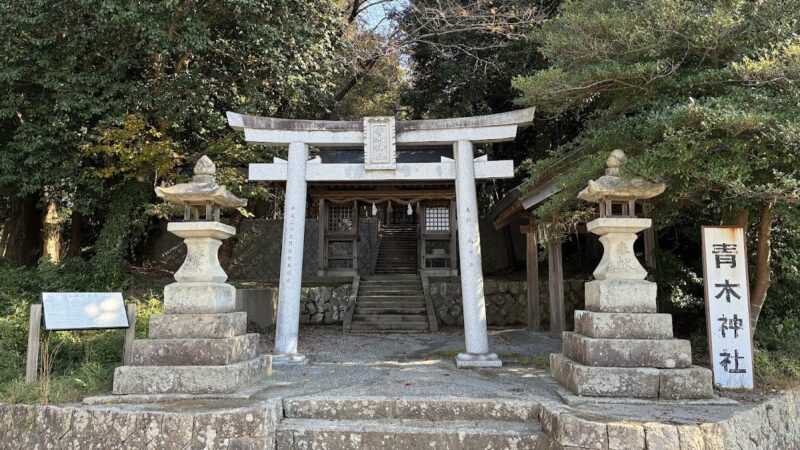
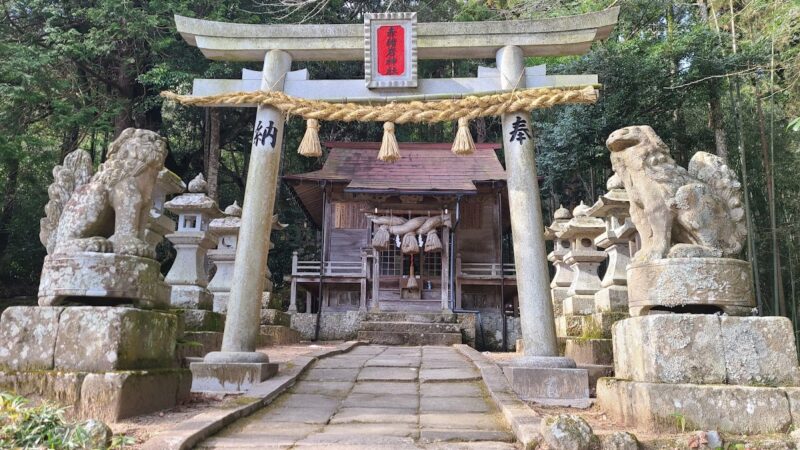
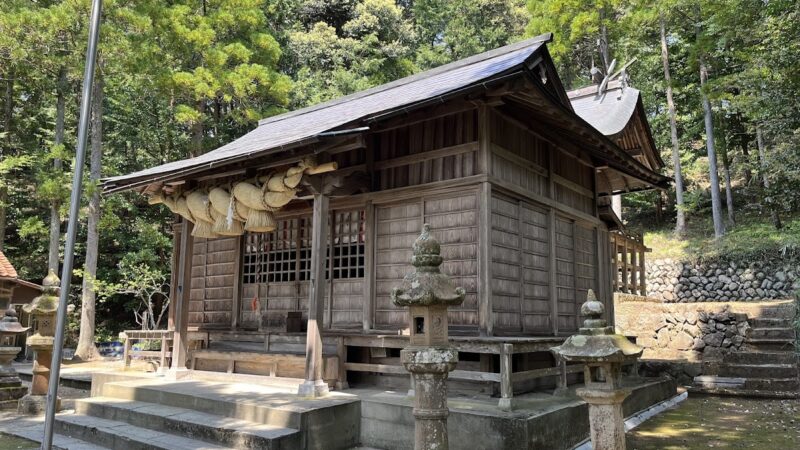
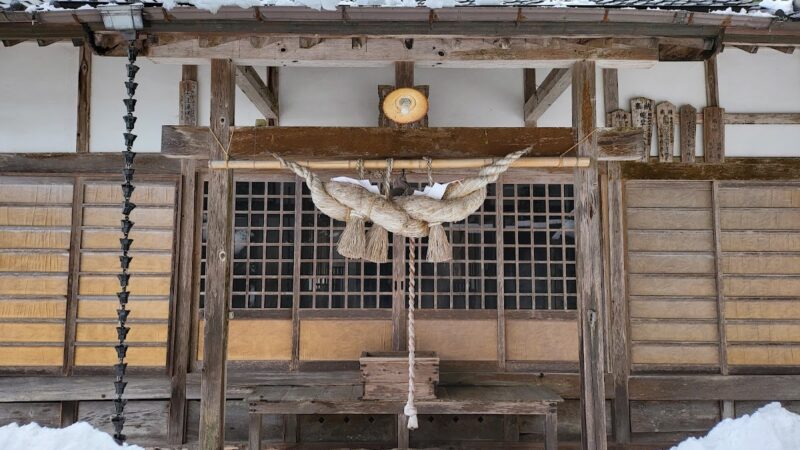
Tenko Shrine’s buildings preserve the traditional style of shrine architecture. Both the main hall and the worship hall possess a dignified presence befitting a center of local faith, allowing visitors to worship in a serene atmosphere.
Atmosphere of the Shrine Grounds
Nestled in the lush natural environment of Hachiya, Kurayoshi City, Tenko Shrine is characterized by its quiet and peaceful grounds. While deeply integrated into the community as a long-standing local guardian shrine, it maintains the dignity of a prestigious national historical shrine.
Annual Events and Festivals of Tenko Shrine
Tenko Shrine holds various Shinto rituals and festivals throughout the year.
Main Festivals
- Annual Grand Festival: The most important festival, praying for peace and prosperity in the parish area and a bountiful harvest.
- New Year’s Festival: Praying for peace and prosperity in the new year.
- Autumn Grand Festival: Giving thanks for the harvest and praying for a good harvest the following year.
Due to its history of being revered as the principal tutelary shrine of a wide area, the festivals are bustling with many worshippers.
Access and Visiting Information for Tenko Shrine
Basic Information
- Location: Hachiya, Kurayoshi City, Tottori Prefecture
- Deities Enshrined: Tenko-no-Mikoto, Ukanomitama-no-Kami, Sugawara no Michizane
- Shrine Rank: National Historic Shrine
- Parking: Available (Details recommended to be confirmed on-site)
Access Methods
Access by Train/Bus
- Get off at Kurayoshi Station on the JR San’in Main Line
- Take a local bus or taxi from Kurayoshi Station
Access by Car
- Via national and prefectural roads from Kurayoshi city center
- Towards Hachiya, Kurayoshi City
- When setting your car navigation system, search for “Tenko Shrine Kurayoshi City”
Manners for Visiting Shrines
Please observe basic manners when visiting a shrine:
- Bow before passing through the torii gate
- Avoid walking in the center of the approach to the shrine
- Purify your body and mind at the water basin
- At the front of the main hall, perform two bows, two claps, and one bow.
- Spend time quietly within the shrine grounds.
Connections with other shrines in Kurayoshi City
Besides Tenko Shrine, many other historically significant shrines are located in Kurayoshi City.
Main shrines around Kurayoshi City
- Shrines within Kurayoshi City: Numerous local shrines exist, mainly in the city center.
- Shrines in Misasa Town: Historic shrines are scattered throughout the neighboring Misasa Town.
- Shrines in Yurihama Town: Many places of worship exist around Lake Togo.
Tenko Shrine stands out among these shrines in the central Tottori Prefecture region for its high status as a National Historic Shrine.
Tottori Prefectural Shrine Association and Tenko Shrine
Tenko Shrine is a shrine belonging to the Tottori Prefectural Shrine Association, ensuring proper management and the continuation of its rituals. The Tottori Prefectural Shrine Association oversees shrines throughout Tottori Prefecture, including those in Tottori City, Yonago City, Kurayoshi City, Sakaiminato City, Iwami Town, Yazu Town, Wakasa Town, Chizu Town, Misasa Town, Yurihama Town, Kotoura Town, Hokuei Town, Hiyoshi Village, Daisen Town, Nanbu Town, Hoki Town, Kofu Town, Hino Town, and Nichinan Town.
The official website of the Tottori Prefectural Shrine Association allows you to search for information on shrines throughout the prefecture, including Tenko Shrine, and check their history and festival information.
Cultural Value of Tenko Shrine
Value as a National Historical Shrine
The fact that Tenko Shrine is a National Historical Shrine indicates not only that it is an old shrine, but also that it was officially recognized and valued by the imperial court during the ancient Ritsuryo state. Shrines of this status are limited in Hoki Province (present-day central and western Tottori Prefecture), making it an important cultural heritage for understanding the region’s history.
Importance in Local History
As the principal tutelary shrine of Saigo-sho, Tenko Shrine has connected 11 settlements and played a central role in the local community. Festivals and religious practices centered around the shrine have strengthened the bonds of the local people and functioned as a place for cultural transmission.
Kurayoshi City and Tenko Shrine
Historical Background of Kurayoshi City
Kurayoshi City is located in the central part of Tottori Prefecture and has a history of developing as a castle town of Utsubuki Castle. While it retains a beautiful townscape known for its white-walled storehouses, the surrounding area is dotted with historical shrines like Tenko Shrine, conveying the history of faith from ancient times.
Harmony of Tourism and Faith
Kurayoshi City is also a popular tourist destination, known for its white-walled storehouses and Sekigane Onsen hot springs. Tenko Shrine, distinct from the tourist areas, plays an important role in supporting the spiritual culture of the region as a quiet place of worship.
The Significance of Visiting Tenko Shrine
Dialogue with History
Visiting Tenko Shrine means engaging in dialogue with its history spanning over a thousand years, dating back to the Heian period. You can experience firsthand the major currents of Japanese history, from the ancient beliefs recorded in the *Sandai Jitsuroku* (a historical record), to the changes in the shrine’s name from the medieval to the early modern period, and the Meiji-era reforms to the shrine system.
Understanding Local Culture
Learning the history of Tenko Shrine, which has attracted widespread faith as the principal tutelary shrine of Saigo-sho, leads to an understanding of the culture and lives of the people in the central Tottori Prefecture region.
Peace of Mind
By offering prayers in the tranquil shrine grounds, you can escape the hustle and bustle of everyday life and find peace of mind. A special atmosphere permeates this place where many people have offered prayers since ancient times.
Tenko Shrine and the Shrine Culture of Tottori Prefecture
Tottori Prefecture is home to numerous historical shrines like Tenko Shrine. Unique shrine cultures have developed in both Inaba Province (eastern Tottori Prefecture) and Hoki Province (central-western Tottori Prefecture). ### Characteristics of Shrines in Hoki Province
Hoki Province was a center of Mount Daisen worship, and many shrines associated with mountain worship, including Ogamiyama Shrine, can be found there. Tenko Shrine, while located in a plain, maintains its ancient status as a nationally recognized shrine and has developed uniquely as the principal tutelary shrine of the region.
Shrine Pilgrimage in Tottori Prefecture
When visiting Tottori Prefecture, visiting historical shrines such as Tenko Shrine will allow you to gain a deeper understanding of the region’s culture and history. Each area, including Tottori City, Yonago City, and Kurayoshi City, boasts unique shrines, making shrine pilgrimage a new attraction of Tottori tourism.
Summary: The Charm of Tenko Shrine
Tenko Shrine (Kurayoshi City, Tottori Prefecture) is a shrine with multifaceted charms, as follows:
- History of over a thousand years: Its status as a nationally recognized shrine, recorded in the Heian period’s “Sandai Jitsuroku” (Chronicle of Three Reigns)
- Role as the tutelary shrine: The center of regional faith connecting the 11 settlements of Saigo-sho
- Three enshrined deities: Diverse divine virtues of Tenko-no-Mikoto, Ukanomitama-no-Kami, and Sugawara no Michizane
- Cultural value: An important cultural heritage site that conveys the history of Hoki Province
- Tranquil grounds: A peaceful space for worship
When visiting Kurayoshi City, along with other tourist attractions such as the white-walled storehouse district, be sure to visit Tenko Shrine, which boasts a history of over a thousand years. By offering your prayers at this place of worship that has continued since ancient times, you will be able to feel the weight of history and the depth of regional culture.
While Tenko Shrine may not have the glamour of a tourist destination, it continues to attract the faith of people as a guardian deity that has quietly watched over the region for generations. It is a historically significant shrine that is essential for understanding the shrine culture of Tottori Prefecture.